
Dijon Is Not Just Mustard: A Local's Guide to Burgundy's Most Underrated City — Wine, Wishes, and Where to Eat Like a Duke
The first time I visited Dijon, I made the same mistake everyone makes: I treated it as a stopover. Two hours for the owl, a jar of mustard from the tourist shop, then back on the train to Lyon or Paris. I left thinking I'd "done" Dijon.
I hadn't done anything.
What I missed was a city where medieval dukes once rivaled the King of France in wealth and power, where Cistercian monks perfected wine-making techniques that the rest of the world still copies, and where the local bistro scene serves coq au vin with a seriousness that would make a Parisian chef nervous. Dijon isn't a stopover. It's a destination that rewards anyone willing to look past the mustard rack.
This guide covers everything I wish I'd known on that first visit: the specific restaurants where locals actually eat, the exact address of the owl that grants wishes, the wine route that doesn't require a car, and the one tourist trap that even food writers fall for.
A City Built by Dukes, Saved by Monks
To understand Dijon, you have to understand the Dukes of Burgundy. In the 14th and 15th centuries, they didn't rule Burgundy — they owned it. Their wealth came from a monopoly on the salt trade and control of some of Europe's most valuable farmland. The current Duke's Palace (Palais des Ducs) in Place de la Libération is the physical manifestation of that power.
Palace of the Dukes and States of Burgundy Address: Place de la Libération, 21000 Dijon Hours: Daily 9:00 AM – 6:00 PM (until 5:30 PM November–March) Entry: Free for palace courtyard; Musée des Beaux-Arts €8 (free first Sunday monthly) GPS: 47.3214° N, 5.0417° E
The complex blends medieval, Renaissance, and classical elements added by successive rulers. Enter through the main gate into the Cour de Bar, a courtyard where the dukes held court in the 1400s. Look for the carved salamanders — symbols of François I — added after Burgundy was absorbed into France in 1477. The Gothic facades with their carved corbels and mullioned windows are some of the best-preserved medieval civic architecture in France.
The Musée des Beaux-Arts, housed in the palace's east wing, is one of France's oldest museums (founded 1787). The medieval galleries are extraordinary. Don't miss the carved tombs of Duke Philip the Bold and Duke John the Fearless — masterpieces of Burgundian sculpture that survived the Revolution hidden in a monastery. The detail on Philip's tomb is so fine that individual chain links on his armor are visible from 10 feet away.
Tour Philippe le Bon Hours: Daily 9:00 AM – 5:30 PM (last climb 4:45 PM) Price: €5 Climb: 316 steps
This 46-meter tower offers the best views in Dijon. Duke Philip the Good built it in the 15th century as both a symbol of power and a practical watchtower. The climb is steep but the 360-degree panorama extends to the vineyards on clear days. Go at 9:00 AM when it opens to have the platform to yourself.
The Owl, the Church, and the Crypt That Time Forgot
Église Notre-Dame de Dijon Address: Place Notre-Dame, 21000 Dijon Hours: Daily 9:00 AM – 6:30 PM Entry: Free (crypt €3) GPS: 47.3216° N, 5.0415° E
This Gothic church dominates Dijon's skyline with its distinctive patterned roof tiles and the Jacquemart clock that has struck the hours since 1382. The facade's three levels of carved portals depict biblical scenes with remarkable detail — bring binoculars or a zoom lens to appreciate the stonework 20 meters up.
But the real treasure is below ground. The crypt beneath Notre-Dame is a hidden Romanesque rotunda dating to 1002 AD. The circular space with its radiating chapels creates an almost Byzantine atmosphere. The carved capitals depicting biblical scenes and mythical beasts are some of the finest Romanesque sculpture in France. Most visitors don't even know it exists. The €3 entry fee is a bargain for the solitude alone.
The Lucky Owl (Chouette de Notre-Dame) Location: Corner of Rue de la Chouette and Rue des Forges GPS: 47.3216° N, 5.0415° E
This small carved owl on the north wall of Notre-Dame has become Dijon's mascot. Local tradition insists you touch it with your left hand while making a wish — the owl's face has been polished smooth by millions of hopeful fingers over the centuries. Arrive before 9 AM to avoid queues of wish-makers. The tradition dates back to at least the 17th century, though no one knows exactly how it started. Some say it was a mason's signature. Others claim it was a symbol of wisdom placed there by the original architects. Either way, it works. Probably.
Follow the Owl: Dijon's Genius Self-Guided Walking Trail
Le Parcours de la Chouette (The Owl Trail) Start Point: Tourist Office, Place Darcy Distance: 3 kilometers Duration: 2–3 hours at leisurely pace Cost: Free (self-guided) or €15 for guided tour GPS: 47.3236° N, 5.0286° E
The Owl Trail is Dijon's ingenious solution to sightseeing. Twenty-two brass owl plaques are embedded in sidewalks through the historic center, each marking a significant monument. The route forms a figure-eight pattern, allowing you to complete it in sections.
You don't need an app. You don't need a map. Just follow the owls. The trail was designed in the 1990s by a local architect who wanted visitors to discover Dijon's hidden corners without the chaos of group tours. It passes through the Place de la Libération, designed by Jules Hardouin-Mansart (the same architect who designed the Grand Trianon at Versailles), past the Porte Guillaume triumphal arch built in 1788, and through quiet courtyards that most tourists never find.
Place de la Libération is one of France's most beautiful squares — a semicircular plaza centered on the Palace of the Dukes. The harmonious proportions and honey-colored stone are best appreciated with a coffee in hand. Café de l'Industrie at 15 Rue des Godrans (€3.50 for an espresso) has outdoor seating with a direct view of the palace facade. Go at golden hour when the stone turns amber.
Where Dijon Really Shines: Food, Wine, and the Market That Fuels It All
Dijon produces four major food specialities: mustard, crème de cassis (blackcurrant liqueur), pain d'épices (gingerbread), and wine. The city was named a UNESCO World Heritage Site in 2015 specifically for its gastronomic culture. This isn't a place where food is an afterthought. Food is the entire point.
Les Halles Market: The Beating Heart of Burgundian Cuisine
Address: 7 Boulevard de Brosses, 21000 Dijon Hours: Tuesday, Friday, Saturday 7:30 AM – 1:00 PM Entry: Free
The Les Halles market is the most important food experience in Dijon and it's missing from most guidebooks. This 19th-century iron-and-glass pavilion, designed by Gustave Eiffel's engineering firm, houses over 120 vendors selling everything from Bresse chickens to Epoisses cheese — the pungent, washed-rind cheese that Napoleon allegedly loved so much he demanded it be served on campaign.
What to buy:
- Jambon persillé (parsley ham) — a Burgundian speciality of pressed ham and parsley in aspic, sold at multiple charcuterie stalls (€18–24/kg)
- Epoisses de Bourgogne — available from Fromagerie Gaugry or similar vendors (€8–12 per 250g piece)
- Pain d'épices from Mulot & Petitjean at 14 Place Bossuet (the oldest gingerbread manufacturer in Dijon, operating since 1796, a Living Heritage Company)
- Crème de cassis — local blackcurrant liqueur used to make Kir (white wine with cassis) and Kir Royal (Champagne with cassis)
Practical tip: Arrive before 10 AM for the best selection. Most vendors start packing up by 12:30 PM. The Grangier parking garage is the most convenient parking option nearby.
The Mustard That Isn't the Tourist Trap
Maison Edmond Fallot Address: 16 Rue de la Chouette, 21000 Dijon Hours: Daily 10:00 AM – 7:00 PM GPS: 47.3216° N, 5.0415° E
Fallot is the last family-run mustard factory in Dijon, founded in 1840. The store on Rue de la Chouette is directly opposite the famous stone owl on Notre-Dame. Inside, you'll find a "Mustard Bar" where you can taste experimental flavors like Pinot Noir mustard, blackcurrant mustard, and green peppercorn mustard. The classic Dijon mustard is €3.50 for a small jar. The flavored varieties run €4.50–6.00.
The tourist trap to avoid: The large "Maille" mustard boutique near Place Darcy. Maille is owned by Unilever. The mustard is fine, but you're paying tourist-shop prices for a global brand. Fallot is the local choice.
The Cité Internationale de la Gastronomie et du Vin
Address: Parvis de l'Yonne, 21000 Dijon Hours: Daily 10:00 AM – 7:00 PM Entry: Free for shops and cinema; €9 for exhibitions; tasting workshops from €25 Opened: May 2022
This is Dijon's newest major attraction and it's extraordinary. The Cité is an immersive temple to French gastronomy housed in a former hospital complex. The exhibitions cover everything from pastry science (with interactive exhibits on why digital scales matter) to the history of French restaurants, from the first restaurant at the Palais Royal in 1765 to the 175,000 restaurants operating in France today.
The "Village" inside the Cité has food from top French craftsmen (Meilleurs Ouvriers de France): pastries from Nicolas Bernardé, ice cream from Une Glace à Paris, charcuterie from Billot. There are sit-down restaurants ranging from a tasting menu by Eric Pras (3 Michelin stars) to casual bistro fare. Even if you don't pay for the exhibitions, the free-access shops and bookshop (Librairie Gourmande) are worth the visit.
Pro tip: The building itself — the former Hôtel-Dijon general hospital — is a remarkable example of 18th-century civic architecture. The entrance courtyard alone is worth photographing.
Where to Eat: The Restaurants Locals Actually Recommend
Café de l'Industrie Address: 15 Rue des Godrans, 21000 Dijon Hours: Daily 7:00 AM – 10:00 PM Price: €12–18 for lunch, mains €15–22 Specialty: Œufs en meurette (poached eggs in red wine sauce with lardons and mushrooms)
This is where Dijonnais go for a no-nonsense lunch. The œufs en meurette here is considered one of the best in the city — the eggs are poached in a Burgundy red wine reduction with lardons, shallots, and Paris mushrooms. The restaurant occupies a corner position with outdoor tables facing Place de la Libération. It's not fancy. It's correct.
L'Essentiel Address: 3 Rue de l'École de Droit, 21000 Dijon Hours: Tuesday–Saturday, lunch and dinner Price: Lunch menu €24–32, dinner €45–65 Phone: +33 3 80 30 14 52 Style: Bistronomique
A short walk from Place Darcy, L'Essentiel offers refined Burgundian-European cuisine without the snobbery. The presentation is beautiful, the service is warm, and the balance between quality and price is exceptional. The chef sources locally and changes the menu seasonally. Book in advance — tables fill quickly with locals celebrating birthdays and anniversaries.
L'Épicerie & Cie Address: 5 Place Émile Zola, 21000 Dijon Hours: Daily, lunch and dinner Price: €20–35 for lunch Phone: +33 3 80 30 70 69 Style: Traditional Burgundian, family-friendly
Set on a wooded square, this restaurant occupies a vaulted cellar with stone walls and a pre-war grocery-shop theme. The menu features hearty grandmother-style cooking: generous portions, traditional preparations, zero pretension. The children's play area and dedicated kids' menu make this a rare find — a genuinely good restaurant that welcomes families without sacrificing food quality. The iced soufflé with Flavigny aniseed drops is the dessert to order.
Restaurant So Address: 15 Rue Amiral Roussin, 21000 Dijon Hours: Tuesday–Saturday, lunch and dinner Price: €20–40 Phone: +33 3 80 30 03 85 Style: Japanese-French fusion
Run by Japanese chef So Takahashi with his wife Rié handling front-of-house, this is where to go when you've had enough heavy Burgundian food. The fish is bought daily from the market, the techniques are Japanese, and the ingredients are Burgundian. It's lighter, more delicate, and increasingly popular with locals who want something different. The crispy chicken with potato variations is the signature dish.
Dr Wine Address: 5 Rue Musette, 21000 Dijon Hours: Tuesday–Saturday, lunch 12:00 PM – 2:00 PM, dinner 6:00 PM – 1:00 AM Phone: +33 3 80 53 35 16 Price: €15–30 for lunch, wine by the glass €6–12 Style: Wine bar with tapas and small plates
Set inside a 17th-century mansion with a courtyard, this wine bar stocks over 500 references. The sommeliers navigate you away from predictable, overpriced labels toward smaller, interesting producers. The courtyard is the best seat in the house — book ahead for a terrace table. Order a melon and Chaource salad, a glass of Gevrey-Chambertin, and watch the world walk past.
Breakfast, Bakeries, and the In-Between Meals
Aux Délices de la Chouette Address: 27 Rue de la Chouette, 21000 Dijon Hours: Tuesday–Saturday 7:00 AM – 7:30 PM, Sunday 7:00 AM – 1:30 PM Price: Gougère €2.40
This boulangerie, run by Laurent and Catherine Blanchard, carries the Boulanger de France label. Their gougère — a light cheese puff made with pâte à choux and Gruyère — is as big as your hand and won first prize at the Foire de Dijon. It is the definitive Burgundian breakfast snack.
Maison Millière Address: 10 Rue de la Chouette, 21000 Dijon Hours: Tuesday–Sunday 10:00 AM – 7:00 PM Price: Tea and tartine €8–12
This tea room occupies a house built in 1438 — a listed historical monument that appeared in the film Cyrano de Bergerac. The courtyard is the most beautiful place in Dijon to eat a tartine at 10 AM. Fans of the film will recognize the building immediately.
La Menuiserie Address: Rue Jean-Jacques Rousseau, 21000 Dijon Hours: Tuesday–Saturday, lunch only Price: €18–24
This restaurant has no printed menu. The dishes are written on a blackboard and change depending on what the chef found at the market that morning. It is casual, fresh, and unpretentious — the kind of place where the chef will adapt a dish for a vegetarian without making a fuss.
Beyond the City: Wine Routes, Abbeys, and the Village from "Chocolat"
Beaune: The Wine Capital (30 minutes by train)
Train: Regular departures from Dijon-Ville station (€8.50 each way) Must-See: Hospices de Beaune (€12 entry)
This perfectly preserved medieval town centers on the Hospices de Beaune, a 15th-century charitable hospital with the famous multicolored tile roof that has become Burgundy's visual signature. The annual wine auction (third Sunday in November) sets prices for the region's vintage. The town itself is small enough to walk in an hour but packed with wine shops, cellars, and restaurants.
Côte de Nuits Wine Route (45 minutes by car, or join a tour)
Best Experience: Rent a car or join a guided tour (€85–120)
Follow the D974 south from Dijon through villages whose names read like a wine lover's dream: Gevrey-Chambertin, Vosne-Romanée, Nuits-Saint-Georges. Stop at Domaine Confuron in Vosne-Romanée or Château de Marsannay for tastings (€15–25). If you don't have a car, the tourist office organizes half-day group tours that include transport and two tastings.
Flavigny-sur-Ozerain (1 hour by car)
This hilltop village is officially listed among France's most beautiful villages and was used as the filming location for the movie Chocolat (2000). The Anis de Flavigny candy factory occupies a former abbey where aniseed candies have been made since the 16th century. You can watch the production process for free. The village is quiet, car-free in the center, and feels like stepping into the 18th century. Most shops close for lunch between 12:00 PM and 2:00 PM.
Fontenay Abbey (1 hour by car)
Entry: €12 UNESCO World Heritage Site
This perfectly preserved Cistercian abbey, founded in 1118, offers a profound sense of medieval monastic life. The Romanesque church, cloisters, and forge remain essentially unchanged since the 12th century. The monks here developed many of the viticulture techniques that made Burgundy famous. The gardens, maintained using medieval techniques, provide ingredients for the on-site restaurant.
What to Skip (And What to Do Instead)
Skip: The Maille Mustard Boutique near Place Darcy Do instead: Walk 8 minutes to Maison Edmond Fallot on Rue de la Chouette. Better mustard, better prices, actual history, and you're supporting a family business that's been operating since 1840.
Skip: Restaurant La Bourgogne near the train station This place has a reputation among locals for serving frozen food at inflated prices to tourists who don't know better. The €22.90 three-course menu might look like a deal, but the quality is inconsistent at best. Multiple recent reviews cite terrible service and worse food.
Skip: Eating in the main squares after 8 PM The restaurants facing Place de la Libération and Place Darcy that stay open late are primarily aimed at tourists. The food is acceptable but overpriced, and the atmosphere is sterile. Walk two or three streets away — Rue Audra, Place Émile Zola, Rue Berbisey — and you'll find restaurants where locals actually eat.
Skip: The "free" wine tastings at tourist shops These are sales pitches disguised as hospitality. The wines are usually the least interesting bottles in the shop, and the pressure to buy is intense. Instead, pay €15–25 for a proper tasting at a domaine like Confuron or Marsannay. You'll taste better wine, learn something, and leave with a bottle you actually want.
Skip: Trying to do Dijon as a day trip from Paris The train is only 1 hour 40 minutes, but Dijon deserves two full days minimum. One day for the historic center, the market, and the Cité. One day for a wine route or Beaune. If you only have a day, you'll leave having seen the owl and bought mustard — and missed everything that makes Dijon special.
Practical Logistics
Getting There
By train: Dijon-Ville station is on the TGV line from Paris Gare de Lyon (1h 40min, from €25 if booked in advance). Direct trains also run from Lyon (1h 50min), Strasbourg (2h), and Geneva (2h 30min).
By car: Dijon is at the intersection of the A31 (north-south) and A39 (east-west) motorways. The historic center is pedestrianized — park at Grangier (near Les Halles) or Darcy-Liberté and walk.
By air: The nearest airport is Dijon-Bourgogne (DIJ), but it has very limited service. Most travelers fly into Paris CDG, Lyon-Saint Exupéry, or Geneva and take the train.
Getting Around
Dijon's historic center is entirely walkable. The Owl Trail covers the main sights in a 3-kilometer loop. For the wider region, rent a car from Dijon-Ville station (€40–60/day) or use the efficient local bus network (€1.80/single ride, €4.50/day pass). The tram system connects the train station to the city center (Line T1/T2, €1.80).
Where to Stay
Budget (€60–90/night): Hotel Wilson, 6 Rue du Président Wilson — a 17th-century coaching inn with 27 rustic rooms and a leafy courtyard. The location is quiet but central, and the building has more character than any chain hotel.
Mid-range (€100–180/night): Maison Philippe Le Bon, 15 Rue du Petit Potet — 41 rooms across three residences overlooking a Gothic courtyard, with rates from €120. The rooms are spacious, the staff knows the restaurant scene, and the courtyard breakfast is worth waking up for.
Splurge (€200+/night): Hostellerie du Chapeau Rouge (2 Michelin stars in the restaurant) or the Grand Hôtel La Cloche near the historic center. Both are institutions with serious Burgundian character. La Cour Berbisey, 30 Rue Berbisey, has just five rooms and four suites with beamed ceilings and a heated indoor pool. Rates from €150.
When to Visit
Spring (April–May): The lilac collection at Jardin Botanique de l'Arquebuse (over 150 varieties) fills the air with fragrance. The weather is mild and the crowds are thin.
Summer (June–August): Long evenings, outdoor dining, and the Nuits de Nuits-Saint-Georges classical music festival in July. Book restaurants in advance.
Autumn (September–November): Grape harvest season. The Fête des Vendanges (September) brings tastings, parades, and fireworks. The Hospices de Beaune Wine Auction (November) is the world's most famous charity wine sale.
Winter (December–February): The Marché de Noël in Place de la Libération (December) is small but atmospheric. January and February are quiet — some restaurants close for holiday, but hotel prices drop by 30–40%.
The Dijon City Pass
Price: €18 (48 hours) / €24 (72 hours) Includes: Free entry to museums, one guided tour, one wine tasting, reduced rates at partner restaurants Available: Tourist office at Place Darcy
Worth it if you plan to visit more than two museums and do the tower climb. Otherwise, pay as you go.
The Details That Matter
Best coffee: Café de l'Industrie, 15 Rue des Godrans — €3.50, palace view
Best free view: Jardin de l'Arquebuse hill at sunset
Best photo spot: Place de la Libération at golden hour, when the palace facade turns warm amber
Best cheap meal: Les Halles market stall lunch — buy bread, cheese, and ham and eat in nearby Jardin Darcy (free)
Best splurge: Hostellerie du Chapeau Rouge restaurant (2 Michelin stars, €120+ for dinner)
Best local souvenir: A jar of Fallot's Pinot Noir mustard (€4.50) and a box of Anis de Flavigny (€5)
One local secret: The small courtyard at 38 Rue des Forges, behind an unmarked wooden door. It's a private residence courtyard open to pedestrians, with a Renaissance well and climbing roses. Most people walk right past it.
Summary
Dijon rewards slow exploration. The Owl Trail provides structure, but the real magic happens in the unplanned moments — discovering a hidden courtyard behind an unmarked door, stumbling upon a jazz quartet in Place François Rude, or watching the sunset paint the palace walls gold while nursing an espresso at Café de l'Industrie.
Give yourself at least two full days. One for the city: the palace, the crypt, the market, the Cité, and dinner at L'Essentiel. One for the region: Beaune, a wine route, or Fontenay Abbey. Don't rush. Dijon isn't a checklist. It's a city to be tasted, literally and figuratively.
The mustard is just the beginning.
Written by Sophie Brennan, who believes that the best way to understand a city is through its stomach and its stories. She has eaten her way through 23 countries and still thinks Dijon's œufs en meurette is among the best €15 you'll spend in France.
Last updated: August 2026. Hours and prices subject to change — verify before visiting.
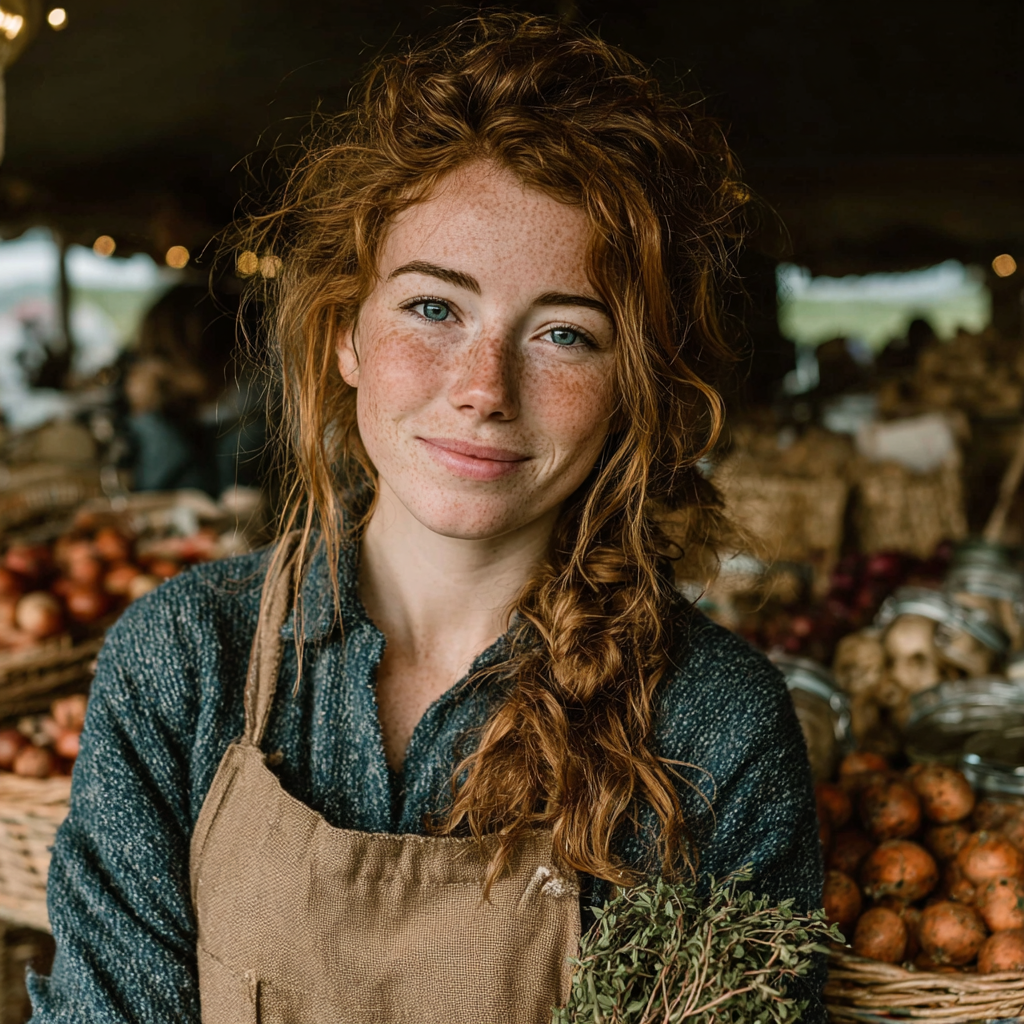
By Sophie Brennan
Irish food writer and historian based in Lisbon. Sophie combines her background in medieval history with a passion for contemporary gastronomy. She has written for Condé Nast Traveller and authored two cookbooks exploring Celtic and Iberian culinary traditions.