
Carcassonne Is a Cassoulet in Stone Form: Eating Duck, Drinking Wine, and Surviving the Medieval Theme Park
There's something slightly absurd about eating cassoulet inside a 19th-century restoration of a medieval fortress that was itself built on Roman foundations. You're essentially dining inside a historical palimpsest, spooning white beans and duck confit into your mouth while tourists in plastic knight helmets pose for photos outside.
I find this genuinely charming. Carcassonne doesn't pretend to be anything other than what it is: a spectacular, slightly theme-parkish UNESCO site surrounded by one of France's most underrated wine regions. The food here isn't trying to reinvent anything. It's Languedoc cuisine—hearty, bean-heavy, duck-obsessed—and it has been feeding hungry travelers since before the fortress walls went up.
As someone who has spent years tracing how medieval culinary traditions survived the Renaissance, the Revolution, and the invention of the microwave, I can tell you: Carcassonne is one of the few places where you can eat a dish that a crusader would recognize, in a building that a crusader would recognize, while sitting on a chair that is probably from Ikea. The continuity matters. The beans matter. The duck definitely matters.
The Dish You Cannot Avoid (And Should Not Try To)
Cassoulet is the reason most food-minded travelers come to Carcassonne. This slow-cooked casserole of white beans, duck confit, and Toulouse sausage is the holy grail of Occitanie cuisine, and Carcassonne sits at one point of the "Cassoulet Triangle" alongside Toulouse and Castelnaudary, which claims to be the birthplace.
Not all cassoulet is created equal. The best versions are often not in the most touristy spots inside the Cité. The real deal should have a golden, crackling crust on top—formed by the gelatinous stock, not breadcrumbs, despite what some recipes claim. The beans should be creamy but intact. The duck should fall off the bone. The sausage should be mild, letting the pork and duck flavors dominate without competing.
The Casselnaudary style, which dominates in Carcassonne, uses no tomatoes and no shortcuts. The Toulouse version adds tomatoes and sometimes bread crumbs. The Castelnaudary purists will fight you over this distinction. Let them. It means they care.
Where to Eat Cassoulet (And Other Local Specialties)
La Marquière
Address: 13 rue St-Jean, La Cité
Price: €35–45 for cassoulet; menus from €42
Hours: 12:00–14:30, 19:00–22:30 (closed Wed/Thu off-season)
Reservations: Recommended for dinner in July and August
Marius Bernard has been running this family restaurant since 1985, and it shows in the confidence of the kitchen. The cassoulet here is the Castelnaudary style—no tomatoes, no shortcuts, cooked long enough that the beans have absorbed the duck fat completely. They also do an excellent foie gras ravioli with mushroom cèpe sauce that I have dreamed about on multiple train rides away from Carcassonne. The wine cellar is the best in the Cité, with serious Minervois and Corbières bottles at prices that would make a Parisian sommelier weep. Sitting in the courtyard under the plane trees feels like you have stumbled into a secret the tour groups have not found yet—though by now, enough people know about it that you should book ahead.
Restaurant Comte Roger
Address: 14 rue Saint Louis, La Cité
Price: €28–38 for cassoulet; menus from €35
Hours: 12:00–14:00, 19:00–21:30
Reservations: Advisable for dinner June through September
Right in the heart of the medieval city, this place could easily phone it in given the location. Instead, they serve one of the most reliable cassoulets in Carcassonne. The dining room has that slightly formal French bistro feel—white tablecloths, attentive but not obsequious service—and there is a terrace for people-watching that manages to feel privileged rather than exposed. They also offer a vegetarian cassoulet, which purists might scoff at but which I appreciate as an option when you have eaten duck three meals in a row and your body is beginning to resemble a confit preparation.
La Table de Franck Putelat
Address: 80 Chemin des Anglais (just outside the Cité walls)
Price: €105–235 for tasting menus
Hours: 12:00–13:30, 19:30–21:00 (closed Tue/Wed)
Reservations: Essential; book 2–4 weeks ahead in summer
Franck Putelat has two Michelin stars and won the Bocuse d'Or in 2018. His restaurant sits in a five-star hotel with a one-hectare vegetable garden that supplies the kitchen. This is not casual dining. But if you want to see what happens when Languedoc ingredients meet serious technique, this is the place. His "cassoulet" uses wood pigeon instead of duck. His bouillabaisse comes with foie gras. It is expensive, it is theatrical, and it is absolutely worth it for a special occasion—though I should note that after a meal here, going back to casual cassoulet the next day feels slightly like listening to a garage band after a symphony. The garden tours are available by appointment and worth requesting.
Le Barbacane
Address: Hôtel de la Cité, Place Auguste Pierre Pont, La Cité
Price: €90–165 for menus
Hours: 12:00–14:00, 19:30–21:30
Reservations: Required for dinner; lunch slightly easier
One Michelin star, located inside the Hôtel de la Cité, with views over the ramparts from the terrace that justify the price before you taste anything. Chef Jérôme Ryon worked under Putelat, and the influence shows in the precision without the theatrical excess. The menu champions regional produce—morel mushrooms, black truffles when in season, Aubrac beef—prepared with technique that highlights rather than transforms. The dining room has Gothic chairs and chandeliers that match the medieval setting without crossing into kitsch. It is the most romantic dinner option in Carcassonne, which means it is where you go when someone else is paying or when the occasion warrants debt.
La Trivalou
Address: 3 Rue du Pont Vieux (at the base of the Cité)
Price: €25–35 for cassoulet
Hours: 12:00–14:00, 19:00–21:30 (closed Mon/Tue)
Reservations: Not accepted; arrive before 12:15 for lunch
This tiny café just under the drawbridge does not look like much. The ambience is minimal, the space is small, and the chairs do not match. But chef Cyril Requi makes what multiple sources—and my own repeated experience—confirm is the best cassoulet in the Languedoc. His version has focused, clean flavors: creamy beans, perfectly rendered duck, a crust that shatters under your spoon with the satisfying crack of a crème brûlée done right. He told me, through creative gesturing and my terrible French, that he cooks his for two hours at a low temperature after assembly. No three-day marathon, no seven crust-breakings. Just technique, good ingredients, and the confidence not to overcomplicate.
Beyond Cassoulet: Other Local Specialties
Duck, Duck, and More Duck
The Languedoc is duck country. You will find confit de canard (duck leg preserved in its own fat, then crisped) on virtually every menu. Magret de canard (duck breast) is typically seared and served rare with a honey or fruit sauce. Foie gras appears as a starter, usually pan-seared or as a terrine, and the quality here is consistently high because the region produces it.
At Bistro d'Alice (26 rue Chartran, Bastide Saint-Louis), you can get a solid confit with red-checked tablecloths and zero pretension. It is €18–25 for mains, open daily 12:00–14:00 and 19:00–22:00. The neighborhood locals eat here, which is the only review that has ever mattered.
The Wines of Languedoc
Carcassonne sits in the world's largest wine-growing region by surface area. The quality has improved dramatically in recent decades, and you can drink exceptionally well here for less than you would pay in Bordeaux or Burgundy.
Pic Saint-Loup is the appellation to know—wines from the limestone foothills north of Montpellier, typically Grenache-Syrah blends with herbal, garrigue notes that taste like the hills smell. Minervois and Corbières are the local appellations, producing robust reds that stand up to cassoulet the way the locals stand up to tourists who mispronounce Occitanie.
La Cave de la Guignette (40 Rue Barbès, Bastide Saint-Louis) is a proper wine bar with knowledgeable staff and a focus on natural and biodynamic producers. Open Tuesday–Saturday 11:00–14:00 and 17:00–22:00. Ask for a Minervois from an independent producer; they will know what you mean.
Comptoir des Vins et Terroirs (inside the Cité, 4 Rue du Comte Roger) offers tastings and sells bottles to take home. They are located in a historic building with a quiet courtyard—an escape from the main tourist drag where you can drink a glass and contemplate how many generations have done exactly the same thing in exactly this spot.
Blanquette de Limoux, from just down the road, predates Champagne by centuries. It is crisp, appley, and usually under €15 a bottle in restaurants. Order it as an aperitif and watch the server nod with approval.
Markets and Street Food
Place Carnot Market (Bastide Saint-Louis) operates Tuesday, Thursday, and Saturday mornings from roughly 08:00 to 13:00. This is where locals shop, and it is your best bet for picnic supplies—local cheeses (try the Pélardon goat cheese from the Cévennes), saucisson sec, fresh bread from the bakeries on Rue de Verdun. The market building itself is a 19th-century iron hall worth admiring while you eat.
Les Halles (the covered market on Boulevard Barbès) is open daily except Monday, 07:00–13:00, with vendors selling everything from fresh produce to prepared foods. Grab a sandwich or some olives and head to the Canal du Midi for an impromptu picnic. The canal, a UNESCO World Heritage site, has tree-lined banks made for eating cheese and pretending you live here.
The Sweet Stuff
Kouign-amann is a Breton import that has found an enthusiastic home in Carcassonne. This buttery, caramelized pastry is worth the caloric investment and the subsequent guilt. Maison Georges Larnicol (inside the Cité) makes a good one, as does Boulangerie Le Fournil (45 Rue de Verdun, Bastide Saint-Louis), which I prefer because the queue is shorter and the locals do not look at you with suspicion.
Amorino (inside the Cité, near Place Marcou) does gelato in the shape of flower petals. It is touristy. It is also genuinely good gelato, made with proper ingredients rather than industrial mix, and there is something undeniably pleasing about eating a rose-shaped cone while sitting on medieval steps.
Where to Eat in the Bastide Saint-Louis (Lower Town)
Most tourists never leave the Cité. This is a mistake. The Bastide Saint-Louis has better value, more variety, and a lived-in atmosphere that the medieval city cannot match. It was built in the 13th century after the crusade against the Cathars, a deliberate contrast to the fortress above—an ordinary town for ordinary life, grid-patterned and pragmatic.
Agapé
Address: 15 rue des 3 Couronnes
Price: €25 for 8-course tapas tasting menu; lunch formule €18
Hours: 12:00–14:00, 19:30–21:30 (closed Sun/Mon)
Reservations: Recommended
A husband-and-wife team running a modern bistro on a quiet side street. The pork tenderloin in bourbon sauce is excellent, but the real draw is the value. Where else can you get eight courses of thoughtful, seasonal cooking for €25? Arrive early or book ahead—word has gotten out, and the room is tiny.
Brasserie à 4 Temps
Address: 4 Place du Général de Gaulle
Price: €35 for three courses
Hours: 07:00–22:00 daily
Reservations: Recommended for terrace seating at lunch
Franck Putelat's "casual" spot, run by his former second-in-command Tony Beteille. Four choices per course, executed with precision, served in a bustling brasserie setting. The shaded terrace fills up at lunch with locals and in-the-know tourists. It is not cheap, but it is fair value for the quality, and the people-watching on the square is free.
Café de la Comédie
Address: Rue Courtejaire, near Portail des Jacobins
Price: €15–22 for mains
Hours: 08:00–22:00 daily
Reservations: Not needed
I ended up here because I was hungry and it started raining. Sometimes that is how you find good places. They have a proper vegetarian menu—rare in cassoulet country—including a vegan parmentier that I watched a woman at the next table devour with suspicious enthusiasm. My duck parmentier and crème brûlée were exactly what I needed, and the total was under €20.
What to Skip
Place Marcou restaurants at midday in July. The central square inside the Cité is convenient, overpriced, and full of people who have given up on finding better options. Walk two minutes in any direction.
The "medieval banquet" experiences. Several restaurants inside the Cité offer set-menu dinners with costumed servers and goblets. The food is invariably mediocre, the wine is bulk-purchased, and the experience is designed for tour groups who will not return. If you want theater, go to Putelat. If you want history, read about the Cathars.
Anywhere advertising "the best cassoulet in the world." The best cassoulet is a matter of fierce local debate, and anyone claiming the title definitively is selling something. The best one is usually the one you eat after walking the walls in cold weather.
Wine bars without a local clientele. If everyone inside is speaking English and taking photos of the decor, you are paying a premium for atmosphere that could have been anywhere. La Cave de la Guignette feels right because the locals actually use it.
Eating inside the Cité for every meal. The Bastide Saint-Louis is a 15-minute walk or a short bus ride, and the difference in price and authenticity is significant. The Cité has the views. The Bastide has the daily life.
Buying "local" wine at the airport. The selection is limited and marked up. Buy from Comptoir des Vins et Terroirs or any cave in town, and pack it carefully.
Practical Logistics: Eating and Drinking in Carcassonne
Best time to visit for food: September to October, when the summer crowds thin, the weather is still warm enough for terrace dining, and the new wine vintage begins appearing. March to May is the second-best window—wild asparagus and morel mushrooms appear on menus, and restaurants are eager for post-winter customers. July and August are crowded, hot, and require reservations everywhere. Many restaurants close or reduce hours in January and February.
Getting here: Carcassonne has a small airport (CCF) with Ryanair flights from London, Brussels, and Porto. The train station is in the Bastide Saint-Louis, with regular connections to Toulouse (45 minutes), Montpellier (1.5 hours), and Paris (5.5 hours by TGV). The Cité is a 20-minute walk uphill from the station, or take the shuttle bus (€1.50, every 15 minutes in summer).
Getting around: The Cité and Bastide are walkable. A local bus connects them. Taxis are scarce; book ahead if you need one. Parking near the Cité is expensive and fills by 10:00 in summer. If you have a car, park in the Bastide and walk up.
Language: English is widely spoken in restaurants inside the Cité. In the Bastide, a few French phrases help and are appreciated. The local language is Occitan, and you will see bilingual signs. Kaixo means hello in Basque, but that is the wrong region entirely—do not say it here unless you want confused looks.
Money: Cash is still useful for markets and small cafés, but cards are accepted almost everywhere. Service is included (service compris) in restaurant prices; tipping is not expected but rounding up or leaving €2–5 for good service is appreciated. A good lunch formule runs €18–25. Dinner with wine at a mid-range restaurant is €40–60 per person. Cassoulet alone ranges from €25 at La Trivalou to €45 at La Marquière.
Safety: Carcassonne is generally very safe. The usual precautions apply: watch your bag in crowded tourist areas, do not leave valuables visible in parked cars. The Cité walls have uneven surfaces and no railings in places—watch your step after wine.
About the author: Sophie Brennan is an Irish food writer and historian based in Lisbon. She combines her background in medieval history with a passion for contemporary gastronomy, which makes Carcassonne—literally a medieval fortress with a duck obsession—her ideal subject. She has written for Condé Nast Traveller and authored two cookbooks exploring Celtic and Iberian culinary traditions. She believes the best way to understand a city is to eat what its grandmothers cooked.
Last updated: May 2026. Prices and hours subject to change—always check ahead, especially in winter when many restaurants reduce hours or close entirely.
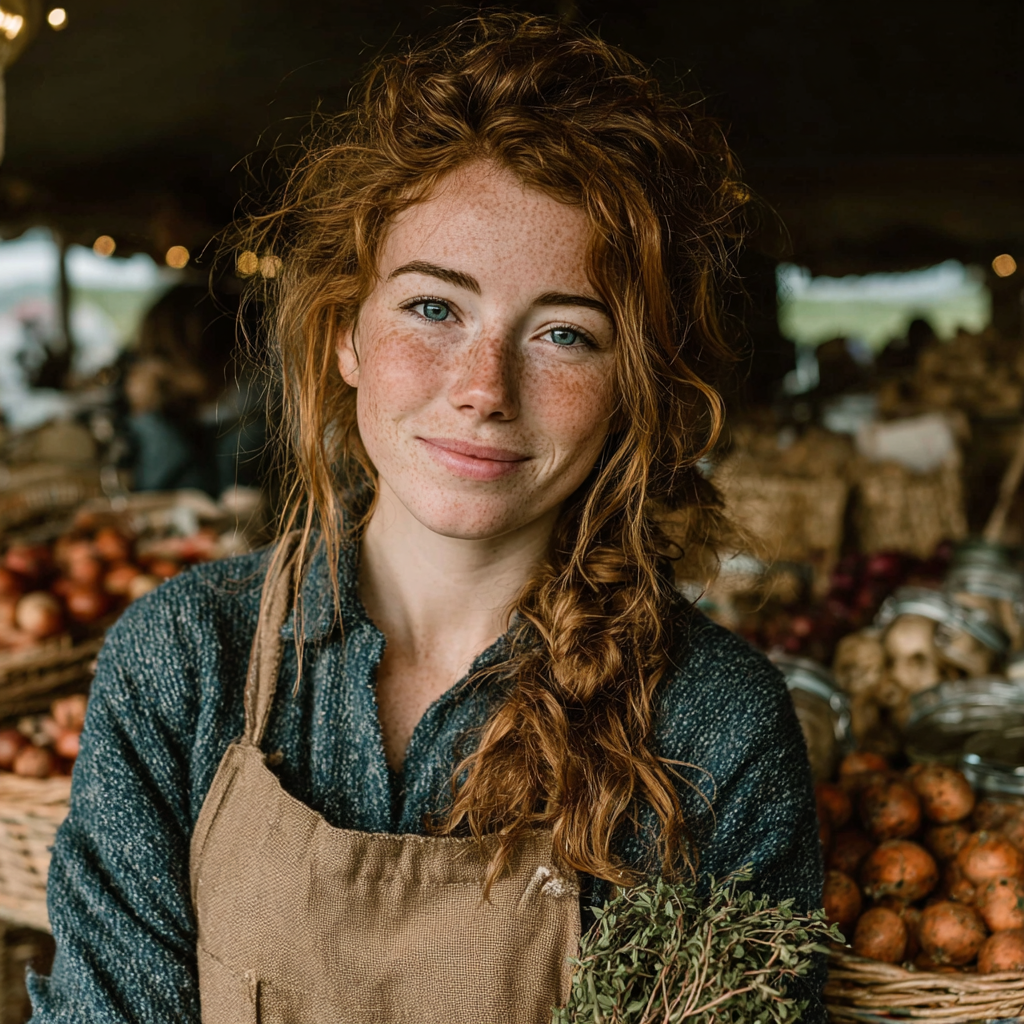
By Sophie Brennan
Irish food writer and historian based in Lisbon. Sophie combines her background in medieval history with a passion for contemporary gastronomy. She has written for Condé Nast Traveller and authored two cookbooks exploring Celtic and Iberian culinary traditions.