
Where the Fishermen Still Eat: Sophie Brennan's Guide to Cannes Beyond the Red Carpet
I will never forget my first morning in Cannes. Not the film festival glamour I expected, but the smell of wood smoke and chickpeas at 7 AM on Rue Meynadier. An old man in a fisherman sweater was eating socca from a paper cone, leaning against a wall that has watched this city transform from a sleepy Provençal fishing village to the most famous stretch of coastline on Earth. "You want the real Cannes?" he asked, without my asking. "Follow the locals. We eat where our grandfathers ate." He was right. The Cannes I fell in love with has nothing to do with red carpets—and everything to do with what happens in the kitchens behind them.
Meet the Author: Sophie Brennan
I'm Sophie Brennan, a food writer who believes every meal tells a story about who cooked it and why. I spent three years living in Nice, driving the coast from Menton to Saint-Tropez, eating in fishermens' huts and Michelin dining rooms with equal curiosity. My approach is simple: I don't review restaurants. I listen to the people who run them. The grandmother who has been making the same daube recipe for forty years. The young chef who returned from Paris to open a bistro on Rue d'Antibes. The fishmonger at Marché Forville who will tell you exactly which boat caught your sea bass this morning.
I write for travelers who are tired of being treated like tourists. The ones who want to know why Cannes cuisine tastes different from Nice, even though they are only thirty kilometers apart. The ones who understand that a €4 socca eaten standing up can be more memorable than a €300 tasting menu. If that is you, we are going to get along just fine.
The Soul of Cannes Cuisine: Two Cities on One Plate
Cannes occupies a strange culinary position. It is close enough to Nice to share ingredients—olive oil from the Vallée des Baux, goat cheese from the hills, seafood from the same Mediterranean waters—but far enough to have developed its own identity. The difference is economic. Nice has always been a working city. Cannes became a playground.
This shapes the food. In Nice, cuisine de terroir dominates because locals demand it. In Cannes, you find two parallel food cultures operating side by side: the tourist-facing Croisette restaurants where presentation matters more than flavor, and the back-street kitchens where chefs cook for the people who actually live here. My job is to get you into the second category.
The local cuisine reflects this duality. You can eat a pan bagnat—the Niçois sandwich of tuna, anchovies, raw vegetables, and olive oil on a round roll—for €8 from a market vendor and eat it on a bench watching fishermen mend nets. Or you can dine at La Palme d'Or, where Christian Sinicropi serves a "Cinema" tasting menu that references Truffaut films, for €280. Both are authentically Cannes. Neither is the whole story.
What makes Cannes unique is proximity. The city sits on the Gulf of Napoule, where the Mediterranean is calm enough for small boats to bring in fish daily. The Estérel mountains rise behind it, providing wild herbs and truffles. And the Lérins Islands—Saint-Honorat and Sainte-Marguerite, visible from the Croisette—have been inhabited by monks since the fifth century, producing wine and honey that still appear on local menus.
Must-Try Local Dishes: What Actually Matters
Bouillabaisse: The Fisherman's Legacy
Let me be direct about bouillabaisse. Marseille claims it. Nice has its own version. Cannes sits somewhere between them, with a style that is less doctrinaire than Marseille's 1980 Charter of Authenticity and richer than Nice's lighter interpretation. The word comes from the Provençal bolhir (to boil) and abaissar (to reduce heat)—a technique, not a recipe.
The history matters. Bouillabaisse began as fishermen's fuel. They used the bony rockfish—rascasse, weever, conger—that market buyers rejected. They boiled them in seawater with onions, garlic, and whatever herbs they had. The broth was the meal. The fancy presentation came later, when restaurants adopted the dish and the Marseille charter demanded four specific fish types, tableside filleting, and a two-course ritual: broth with rouille first, then the fish.
In Cannes, you get a more practical version. Local chefs follow the spirit, not the letter, of the law. They use whatever the boats bring in—sea bass, red mullet, monkfish, gurnard—and they do not always parade the raw fish past your table for approval. The result is often better eating and less theater.
Where to try it:
- Astoux et Brun (27 Rue Félix Faure, 06400 Cannes) – Operating since 1953, this is the Cannes institution for bouillabaisse. Their version is €48-65 per person, minimum two people, and they do it properly: rascasse for the broth depth, served with rouille and croutons. Open daily 12:00-14:30, 19:00-22:30. Telephone: +33 4 93 39 21 87. Reserve at least two days ahead in summer.
- Le Caveau 30 (45 Rue Félix Faure, 06400 Cannes) – Family-run since 1945 in a vaulted cellar space that smells of wine and history. Their bouillabaisse (€55 per person) is more rustic than Astoux et Brun, with a darker, more intense broth. Open Tuesday-Sunday 12:00-14:00, 19:30-22:00. Closed Mondays. Telephone: +33 4 93 39 63 63.
- Aux Bons Enfants (80 Rue Meynadier, 06400 Cannes) – A 1935 institution with a Michelin recommendation. Their three-course menu at €41 is exceptional value. Open Tuesday-Saturday 12:00-14:00, 19:00-21:30. Closed Sunday-Monday. Telephone: +33 4 93 39 20 64. This is where locals take their visiting relatives.
Socca: The People's Food
Socca is not from Cannes. It is from Nice. But it has become essential here because it is perfect beach food—hot, salty, slightly smoky from the wood-fired oven, and eaten immediately while the edges are still crisp. The recipe is almost insultingly simple: chickpea flour, water, olive oil, salt. The skill is in the oven temperature and the timing.
In Cannes, socca has adapted to local taste. Nice vendors serve it plain, with only black pepper. In Cannes, you sometimes find it with rosemary or a drizzle of local honey. Purists scoff. I think it works.
Where to try it:
- Marché Forville – Several vendors sell fresh socca from €3-4 per portion. Best on Saturday mornings when the market is fullest and turnover is highest—socca does not improve with sitting. Arrive before 11:00 for the best batches.
- Chez Pipo (13 Rue Bavastro, 06300 Nice) – Worth the 25-minute TER train ride to Nice's Old Port. Many locals consider this the benchmark. €4.50 per portion. Open daily 08:30-21:00. Take the train from Cannes to Nice-Ville (€6.50, 25 minutes), then walk 10 minutes.
Pissaladière: Older Than Pizza
This is not pizza. It predates pizza by centuries. A thick bread dough is topped with slowly caramelized onions (this takes hours, not minutes), black Niçois olives, and anchovies, then baked until the edges are golden and the center is soft. The name comes from pissalat, a fermented anchovy paste that was the original topping before olives became common.
The dish reflects Cannes' position between France and Italy. The dough is bread, not pizza crust. The topping is sweet-salty, not tomato-cheese. It is eaten at room temperature, usually for lunch or as an afternoon snack with a glass of local rosé.
Where to try it:
- Boulangerie Jean-Luc Pelé (16 Rue Bivouac Napoléon, 06400 Cannes) – Award-winning bakery with excellent pissaladière (€4.20 per slice, €18 for a whole tart). The onions are properly caramelized, not rushed. Open Tuesday-Sunday 06:30-19:30. Closed Mondays.
- La Môme (6 Rue Florian, 06400 Cannes) – Chic bistro serving a refined version as a starter (€14). The crust is thinner, the presentation prettier. Open daily 12:00-14:30, 19:30-23:00. Telephone: +33 4 93 68 28 62.
Daube Provençale: Sunday Tradition
This slow-cooked beef stew is what Provençal families eat on Sundays. Beef is marinated overnight in red wine with carrots, onions, garlic, and a bouquet garni of thyme, rosemary, and bay leaves. The next day, it simmers for hours until the meat falls apart and the sauce thickens. It is served with pasta or gnocchi, never rice—that is the rule.
The daube tells you something about Cannes. In Nice, daube is working-class food, served in cheap brasseries. In Cannes, even this humble dish gets dressed up. But the good versions still taste like someone's grandmother made them.
Where to try it:
- L'Assiette Provençale (14 Rue du 24 Août, 06400 Cannes) – Unpretentious local favorite. Their daube (€22) comes with hand-rolled gnocchi and tastes like it has been cooking since dawn. Open daily 12:00-14:00, 19:00-22:00. Telephone: +33 4 93 39 14 24.
- La Palme d'Or (Hôtel Martinez, 73 La Croisette, 06400 Cannes) – Two Michelin stars. Their interpretation with truffle gnocchi (€48) is extraordinary but not traditional. Open Tuesday-Saturday 19:30-22:00. Reservations essential: +33 4 92 98 74 14. Dress code: smart casual. Book 2-3 weeks ahead for festival season.
Marché Forville: The Real Cannes Starts Here
Every morning except Monday, Marché Forville transforms into the beating heart of Cannes food culture. Located at the foot of Le Suquet (the old town), this covered market has been the city's gastronomic hub since 1934. If you want to understand Cannes, come here before you do anything else.
What to Expect
The market opens at 07:00 and runs until 13:00 (14:00 in summer). Over 80 vendors sell everything from just-caught fish to ripe Provençal tomatoes, local goat cheeses, and fragrant bunches of lavender. The building itself is worth noting—a 1930s iron and glass structure that lets in Mediterranean light.
Key sections:
- Fishmongers (eastern end) – Watch as vendors fillet sea bass, red mullet, and monkfish before your eyes. The fish arrive directly from the Port de Cannes, usually around 06:00. Prices vary by catch but expect €25-35/kg for whole fish, €35-50/kg for fillets. Ask which boat it came from—local fishermen sell directly to certain stalls.
- Produce (central aisles) – Sun-ripened tomatoes (€3-5/kg), zucchini flowers in season (€8-12 for a dozen), and melons from Cavaillon (€2-4 each, depending on size). In June, look for the first figs. In October, wild mushrooms from the Estérel.
- Cheese (western end) – Try the banon, a small goat cheese wrapped in chestnut leaves and tied with raffia (€6-8 each). It has AOC status and must come from the specific geography around Banon village, two hours north. The chestnut leaf imparts an earthy flavor you cannot replicate.
- Prepared foods – Socca, pissaladière, and stuffed vegetables for immediate consumption. The stall at the northwest corner does excellent farcis niçois (vegetables stuffed with meat and breadcrumbs) for €3-4 each.
Pro tip: Visit around 12:30 when vendors begin discounting unsold items. You can often get premium produce at half price. I have bought a kilo of wild asparagus for €6 at 12:45 that was €14 at 08:00.
Market Etiquette (This Matters)
- Always greet vendors with "Bonjour" before asking questions. Failure to do so marks you as rude, not just foreign.
- Do not handle produce yourself—point and let the vendor select. They will give you better fruit than you would choose.
- Bring small bills; many vendors do not accept cards for purchases under €15.
- BYO bag or purchase a reusable market bag (€1-2). Plastic bags are increasingly frowned upon.
- If a vendor offers you a taste, take it and thank them. This is an invitation, not a sales tactic.
Dining by Category: From Sand to Stars
Beachfront Dining: The Croisette Reality
The legendary boulevard offers dining with unobstructed Mediterranean views, though prices reflect the location more than the cuisine. Expect €40-80 for a main course at beachfront restaurants. My advice: come for lunch, not dinner. The light is better, the prices are lower, and you can swim afterward.
Standout options:
Z Plage (73 La Croisette, 06400 Cannes) – The beach club at Hôtel Martinez offers genuinely sophisticated Mediterranean cuisine, not just location. The grilled sea bass with fennel (€58) is exceptional because they have the resources to buy the best fish and the discipline not to ruin it. Open daily 12:00-17:00 for lunch, 19:30-23:00 for dinner. Reservations: +33 4 92 98 73 00. Book 3-5 days ahead for lunch, 1-2 weeks for dinner.
Baoli Beach (Port Pierre Canto, 06400 Cannes) – Asian-Mediterranean fusion in a stylish setting. The black cod with miso (€52) is their signature for a reason. Open daily 12:00-15:00, 20:00-00:00. Telephone: +33 4 92 98 71 71. Dinner reservations essential in July-August.
Michelin-Starred Excellence
Cannes boasts several Michelin-starred restaurants. Here is the honest truth about them: they are excellent but not revolutionary. The French Riviera has better Michelin dining in Nice and Menton. Come here for the setting, not culinary innovation.
La Palme d'Or (2 stars, Hôtel Martinez, 73 La Croisette) – Christian Sinicropi's restaurant is Cannes' most celebrated dining room, and the "Cinema" tasting menu (€280) is a theatrical experience where each course references a film. The "Jules et Jim" dessert features three preparations of chocolate. Is it worth €280? If you love cinema and fine dining, yes. If you just want great food, there are better values elsewhere. Open Tuesday-Saturday for dinner only. Reservations essential: +33 4 92 98 74 14. Book 2-3 weeks ahead, 2-3 months for festival season.
Le Park 45 (1 star, Grand Hyatt Cannes Hôtel Martinez, 06400 Cannes) – Garden restaurant with refined Provençal cuisine. The tasting menu (€165) highlights local ingredients like Bresse pigeon and Menton lemons. Open Tuesday-Saturday 19:30-22:00. Telephone: +33 4 92 98 73 71. More relaxed than La Palme d'Or.
Authentic Bistros: Where the Locals Eat
For genuine local flavor without the glamour surcharge, head to the streets behind the Croisette. Rue Meynadier, Rue Hoche, and the narrow lanes of Le Suquet are where you find the real Cannes.
Le Bistrot Gourmand (10 Rue du Docteur Gazagnaire, 06400 Cannes) – A neighborhood gem with a daily changing menu based on market finds. The three-course lunch menu (€32) is exceptional value. The owner sources from Forville every morning. Open Tuesday-Saturday 12:00-14:00, 19:30-22:00. Closed Sunday-Monday. Telephone: +33 4 93 68 72 02.
Caveau 30 (45 Rue Félix Faure, 06400 Cannes) – Operating since 1945. The aioli garni (€24)—salt cod, boiled vegetables, and garlic mayonnaise—is a Friday tradition in Provence, and they do it properly. The wine list is strong on local producers. Open Tuesday-Sunday 12:00-14:00, 19:30-22:00. Telephone: +33 4 93 39 63 63.
Bobo (16 Rue des Frères Pradignac, 06400 Cannes) – Not Provençal, but essential. This buzzing spot serves the best pizza in Cannes from a wood-fired oven. The dough is left to rise for 72 hours. The pasta is made fresh daily. Go for lunch when it is easier to get a table. Open daily 12:00-14:30, 19:30-22:30. Telephone: +33 4 93 39 66 33.
Hidden Gems & Local Secrets
The Fishermen's Bar at Port de Cannes – Not a restaurant, but a weathered wooden shack where fishermen sell their catch directly to the public from 06:00-09:00. No sign, no website. Walk to the far eastern end of the old port and look for the blue-and-white boats. The rockfish you buy here for €8/kg will become the best bouillabaisse you have ever made.
L'Atelier de Jean-Luc (hidden behind a nondoor on Rue Meynadier) – Jean-Luc Pelé's workshop where he develops new pastries. Not open to the public, but if you befriend the staff at his bakery, you might get invited to taste prototypes. I once ate a lavender-honey macaron here six months before it appeared in the shop.
The Secret Wine Bar in Le Suquet – I am not putting the name in print because the owner asks regulars not to. It is on a lane off Rue Saint-Antoine, marked only by a chalkboard that says "Vin." Natural wines, €6-9 per glass, and a plate of saucisson that costs €4. Open when the owner feels like it, usually Thursday-Sunday 18:00-23:00. Find it yourself—it is part of the adventure.
Wine: The Rhône Meets the Sea
Cannes sits at the intersection of several wine regions, giving diners access to exceptional Provençal rosés, Bandol reds, and Bellet whites grown in the hills above Nice.
Must-Try Local Wines
Provence Rosé – The quintessential summer wine. Look for Domaines Ott (€45-80/bottle at restaurants), Château d'Esclans (Whispering Angel, €50-90), or Château Minuty (€40-70). At wine shops, you can find excellent smaller producers for €18-25. The color matters: proper Provençal rosé is pale salmon, not pink. Darker color usually means less careful handling.
Bandol Red – Powerful Mourvèdre-based wines from nearby Bandol age beautifully. Domaine Tempier and Château de Pibarnon are benchmark producers. €60-120/bottle at restaurants. These are serious wines that need food—order one with your daube.
Bellet White – Rare wines from the hills above Nice, made from indigenous grapes like Braquet and Folle Noire. Château de Crémat produces excellent examples. €50-90/bottle. These are worth seeking out if you see them—production is tiny and most is consumed locally.
Wine Shopping
Cave Forville (8 Rue du Marché Forville, 06400 Cannes) – Excellent selection of local wines with knowledgeable staff who will explain the difference between a Côtes de Provence and a Coteaux Varois. Open Tuesday-Saturday 09:00-12:30, 15:00-19:30. Sunday 09:00-12:30. Telephone: +33 4 93 39 09 89.
Nicolas (52 Rue d'Antibes, 06400 Cannes) – National chain with reliable selection and fair prices. Good for basics. Open Monday-Saturday 10:00-19:30.
Sweet Endings: What Dessert Means Here
Tarte Tropézienne – Though originating in Saint-Tropez, this brioche cake filled with pastry cream and buttercream is ubiquitous in Cannes. The story claims Brigitte Bardot loved it so much during the filming of "And God Created Woman" that the baker renamed it in her honor. Boulangerie Jean-Luc Pelé makes an excellent version (€5.50/slice).
Navettes – Boat-shaped cookies flavored with orange blossom water, originally from Marseille. They are hard, dry, and perfect for dipping in coffee. Maison Cottard (32 Rue d'Antibes, 06400 Cannes) does traditional ones—€8/box. Open Monday-Saturday 08:00-19:00.
Calissons d'Aix – Almond and candied melon candies from nearby Aix-en-Provence. La Cure Gourmande (56 Rue d'Antibes, 06400 Cannes) has good ones. €12 for a small box. These make better gifts than they do personal treats—they are very sweet.
What to Skip: The Cannes Tourist Traps
I want you to eat well, which means I need to tell you what to avoid.
1. Any restaurant with a "menu touristique" photo board outside – These are concentrated on the Croisette between the Palais and Rue des Serbes. The food is pre-made, microwaved, and priced for captive audiences. Walk five minutes inland and eat twice as well for half the price.
2. Bouillabaisse under €35 per person – Real bouillabaisse requires fresh fish, proper stock, and time. If someone is selling it for €25, they are cutting corners on the fish quality. This is not snobbery—bad bouillabaisse is genuinely unpleasant.
3. La Croisette cafés for coffee – A €6 espresso on the terrace of a palace hotel is an experience, not a coffee. For actual caffeine, go to Ground Coffee (5 Rue Marceau, 06400 Cannes), where they roast their own beans and a flat white costs €3.50. Open Monday-Saturday 08:00-18:00.
4. Beach clubs in August – Unless you book weeks ahead, you will pay €50 for a lounger and get indifferent food. Come in late June or early September instead. The water is warmer, the crowds are thinner, and the chefs have time to care.
5. "Provencal" gift shop food – Herbes de Provence in decorative tins, lavender honey from who-knows-where, and "artisanal" olive oil that is actually industrial Spanish oil rebottled. Buy from the market vendors instead. They have reputations to protect.
6. The "Cannes Food Tour" walking experiences – The ones advertised on TripAdvisor and Viator. They take you to places that pay them commissions. You will eat at restaurants I would never recommend. Do your own research, or just follow the advice in this guide.
Practical Logistics: Eating Your Way Through Cannes
Getting Around
Cannes is compact. The Old Town (Le Suquet), the Croisette, and the market are all within a 20-minute walk. You do not need a car for dining. If you are staying in Cannes-la-Bocca or further out, buses run until midnight and taxis are plentiful but expensive (€15-25 for cross-town trips).
Budget Framework
- Market lunch: €10-15 (socca + produce + drink)
- Casual bistro: €35-50 per person (three courses, house wine)
- Beachfront restaurant: €80-120 per person
- Michelin-starred: €200-350 per person with wine
Reservations
Essential for dinner at popular restaurants, especially May-July. Book 2-3 days ahead for bistros, 1-2 weeks for Michelin-starred venues. During the Film Festival (mid-May), book months in advance or accept that you will eat at secondary options. Many restaurants close entirely during festival week because their regular clients flee the chaos.
When to Visit
Best months: April-June and September-October. The weather is warm, the produce is at its peak, and restaurant staff have time for you. July-August: Hot, crowded, and expensive. But the tomatoes and peaches are perfect. November-March: Many beach restaurants close. The remaining bistros are quieter and more welcoming. You will eat well, but with fewer options.
Dietary Considerations
- Vegetarian: Options are increasingly available but not traditional. Le Bistrot Gourmand does an excellent vegetarian menu if you ask when booking.
- Vegan: Difficult in traditional Provençal cuisine. Try Kiwee & Co. (3 Rue du Vingt-Quatre Août, 06400 Cannes) for vegan takeaway. Open Monday-Friday 10:00-15:00.
- Gluten-free: Awareness is growing; mention "sans gluten" when booking. Socca is naturally gluten-free—one of the few local dishes you can eat without modification.
- Allergies: Most restaurants accommodate if notified in advance. Write it down in French if possible.
Tipping
Service is included ("service compris") by law. What you see on the menu is what you pay. Rounding up or leaving 5-10% for exceptional service is appreciated but never required. If someone tells you service is not included, they are lying.
Language
A "bonjour" and a "merci" go further than fluent French. Most restaurant staff in Cannes speak enough English for ordering. At the market, pointing and smiling works. Attempting French, even badly, earns goodwill.
The Verdict
Cannes rewards curious eaters who venture beyond the Croisette tourist traps. The city's best culinary experiences—whether a €4 socca at Marché Forville or a €280 tasting menu at La Palme d'Or—share a commitment to Mediterranean ingredients and Provençal tradition. The difference is not the price. It is the intention.
Come hungry. Bring cash for the market. Do not be afraid to explore the narrow streets of Le Suquet where locals have been eating well for generations. And remember: the fisherman I met on my first morning was right. The real Cannes is not on the red carpet. It is in the kitchen, in the market, and at the table where people have been breaking bread together since before the film festival existed.
Eat like they do. You will not regret it.
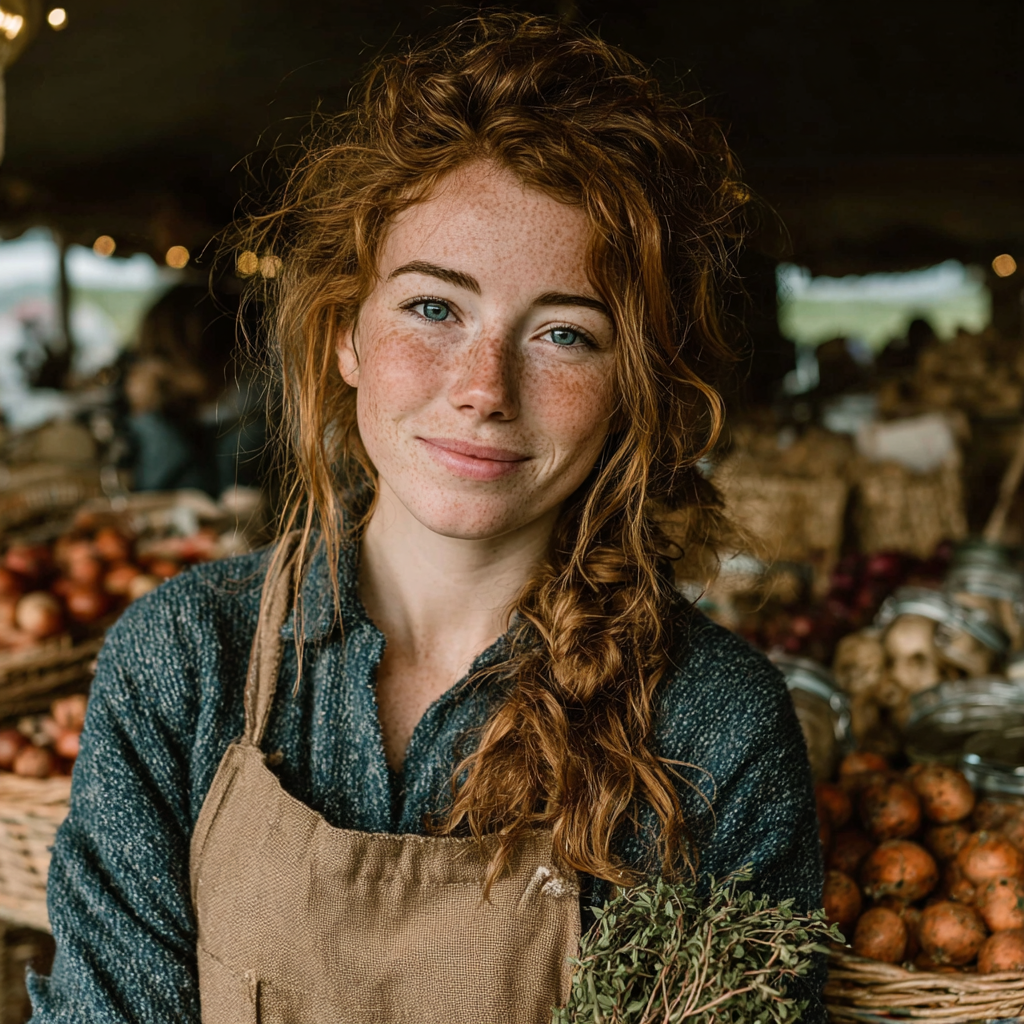
By Sophie Brennan
Irish food writer and historian based in Lisbon. Sophie combines her background in medieval history with a passion for contemporary gastronomy. She has written for Condé Nast Traveller and authored two cookbooks exploring Celtic and Iberian culinary traditions.