
Bordeaux Food & Drink Guide: Inside the Cannelé Wars, Oyster Shacks, and Wine Secrets Locals Actually Use
Sophie Brennan spent three weeks eating her way through Bordeaux's backstreets, market stalls, and neighborhood bistros. Here's what the guidebooks won't tell you about France's most delicious—and most argumentative—city.
Introduction: A City That Fights Over Pastries
The first argument I witnessed in Bordeaux was about a €2 pastry.
It was 8:47 AM on a Tuesday in Saint-Pierre. A woman in a navy peacoat was berating the baker at La Toque Cuivrée because his cannelés were "too light." Not ten minutes later, at Baillardran, a man in a bicycle courier's jacket complained that theirs were "too dark." Both customers left with boxes. Both were right. Both were wrong. This is Bordeaux in miniature.
France's sixth-largest city carries itself with the intensity of a village that discovered the world is watching—and isn't sure it likes the attention. The stone quais along the Garonne are UNESCO-pretty. The 18th-century mansions are postcard-perfect. But scratch the surface and you'll find a city that argues about everything: which oyster farm supplies the best Spéciales, whether Saint-Émilion Merlot is "too soft," whether Gordon Ramsay's presence represents validation or colonization.
This argumentativeness is Bordeaux's gift to visitors. It means the food culture here is alive, contested, and deeply local. The nuns who invented the cannelé in the 18th century used egg yolks donated by winemakers who only needed whites for fining. The lamprey eel dishes on winter menus date to a time when peasants slow-cooked this prehistoric fish in wine until its bones surrendered. Even the city's most famous export—its wine—comes with ecclesiastical baggage: Benedictine monks were blending Merlot three centuries before anyone called it by that name.
What makes Bordeaux extraordinary isn't the Michelin stars, though there are plenty. It's the tension between refinement and rusticité. A city where a €1.80 cannelé sparks as much debate as a €180 tasting menu.
This guide is organized by obsession, not by days. Follow your hunger.
The Cannelé Wars: Bordeaux's Most Sacred Pastry
If you want to understand Bordeaux's relationship with its own history, start with the cannelé.
These small, fluted cylinders—caramelized mahogany outside, soft rum-vanilla custard within—were created by nuns at the Couvent des Annonciades in the 18th century. The name comes from cannelure, the fluted pattern. The story is well-known. The politics are not.
In 1988, the Baillardran family trademarked a specific recipe and began expanding across the city. Traditionalists accused them of industrializing something sacred. Defenders said they preserved a dying art. The result is a quiet civil war where cannelé quality is discussed with presidential-election intensity.
Where to Stand in the Debate:
Baillardran (42 Rue des Remparts, 33000 Bordeaux — €2.20 each, hours 09:00–19:30 daily) The empire. The original location still produces cannelés using the 1988 family recipe. The crust is darker, the interior more set. Whether this is authenticity or homogenization depends on who you ask. What is undeniable: consistency. Every Baillardran cannelé is identical, which is either reassuring or sinister, depending on your politics.
La Toque Cuivrée (12 locations citywide — €1.80 each) The populist. Founded by a former Baillardran employee who believed the original had become too commercial. Slightly less sugar, shorter baking time. Lighter, less aggressively caramelized. Many locals argue this is closer to what the nuns actually made. The Chartrons location (81 Cours de Verdun) is best before 11:00, when the morning batch is still warm.
Maison Lemoine (62 Rue des Remparts — €2.00 each) The artisan's choice. Tiny shop near the cathedral. 48-hour rested batter. Vintage copper molds inherited from a closed pâtisserie in Libourne. Smaller cannelés, more pronounced rum, a crust that shatters. Sells out by 14:00. Owner Pierre Lemoine will tell you—at length, in rapid French—why modern obsession with size misses the point entirely.
The Only Rule That Matters: Eat them the day they're made. The contrast between exterior and interior peaks within four hours of baking. After 24 hours, even the best cannelé becomes a rum-flavored sponge.
Oysters and the Atlantic: Coastal Hunger in a City That's Not on the Coast
Bordeaux thinks like a port city even though it's an hour inland. The Bassin d'Arcachon has supplied oysters since the Roman era, and the relationship is intimate. Local chefs talk about Arcachon oysters the way Parisians talk about baguettes: with casual authority and fierce regional pride.
The basin produces four appellations—Arcachon, Cap Ferret, Pyla, and La Teste—shaped by the meeting of freshwater from the Eyre River and Atlantic saltwater. The result: oysters with a cleaner, less metallic taste than their Norman cousins.
How to Read an Oyster Menu:
- Fine de Claire: The standard. Matured in shallow claire ponds. Refined, accessible.
- Spéciale de Claire: Denser, more complex. Grown longer in the ponds.
- Pousse en Claire: Premium tier. Aged up to six months. Flatter, more subtle. €3–4 each.
Where to Eat Them:
Chez Jean-Mi at Marché des Capucins (stall #45, Place des Capucins — €10–15 for 6, hours Tuesday–Sunday 06:00–13:30) Jean-Michel Delmas has shucked oysters here for 23 years. His stall doesn't look like much—folding tables, plastic stools, newspaper for plates. But the oysters arrive daily at 05:30 from his cousin's farm in Cap Ferret. Order a dozen Spéciales with a glass of Entre-Deux-Mers and watch him work: knife at 45 degrees, muscle severed in one motion, shell flipped to catch the liquor. "The tourists want sauce mignonette," he told me. "The Bordelais drink the liquor and ask for more bread." He sells out by 11:00 on Saturdays.
Chez Hortense (Village de l'Herbe, Cap Ferret — €14–18 for 12, hours 12:00–15:00, 19:00–22:00, seasonal) The pilgrimage. Operating from the same weathered shack since 1958. Oysters so fresh they were in the water that morning. The view—pine trees, sand, Atlantic—justifies the journey. The queue justifies the reputation. Arrive before 12:30 or wait an hour. Coordinates: 44.6450° N, -1.2517° W.
Le Petit Commerce (22 Rue Parlement Saint-Pierre, 33000 Bordeaux — €16 for 6, €28 for 12) City-center convenience without compromise. Selection changes daily based on what the owner's brother—an oysterman in La Teste—delivers. The downstairs room, with stone walls and zinc bar, feels like a secret.
The Dune Blanche: Track down this Arcachon Bay institution while you're at the coast. Created by pâtissier Pascal Larcher in the 1980s and named for Europe's tallest sand dune nearby. Choux pastry filled with light cream, dusted with powdered sugar. The original at Pascal Larcher (24 Rue Carnot, Arcachon — €4.50) is worth the train ride. Ferret Dunes (25 Avenue du Général de Gaulle, Cap Ferret — €4.80) runs a close second.
Meat, Bone Marrow, and Gascon Pride
Southwestern French cuisine doesn't apologize. It uses every part of the animal, cooks with animal fat, and considers wine a cooking liquid. Bordeaux sits at the center of this tradition.
Entrecôte à la Bordelaise
A rib steak with sauce made from Bordeaux wine, bone marrow, shallots, and herbs. The logic: if you have the world's best red wine, why use anything else? The bone marrow adds silkiness, the shallots add sweetness, the wine reduces into something that tastes like the essence of the Médoc.
Le Bistro du Sommelier (127 Rue du Dr Albert Barraud — €28–32, hours 12:00–14:00, 19:30–22:00, closed Sunday) Where local wine professionals eat on their nights off. The sauce is so reduced it clings like a glaze. Owner Jean-Luc Moreau pairs it with Saint-Émilion Grand Cru at retail markup—meaning a €40 bottle costs €45 here, not €80. The room is small, the service is brusque, the food is unimprovable.
Brasserie Bordelaise (50 Rue Saint-Rémi — €24–26) Larger, louder, more forgiving for non-French speakers. Classic brasserie style: generous, unpretentious, frites that actually taste of potato.
Lamproie à la Bordelaise
A prehistoric-looking eel cooked slowly in red wine with leeks, onions, and cured ham until the bones soften. Dates to the Middle Ages, when lampreys were plentiful in the Dordogne and Garonne and peasants needed ways to make the bony fish palatable.
Seasonal: October through March. The wine sauce is the star. The fish itself is mild, almost textural, a vehicle for the reduction.
La Tupina (6 Rue de la Porte de la Monnaie — €28, hours 12:00–14:00, 19:30–22:00) The most Gascon restaurant in central Bordeaux. Wood fire in the open kitchen, duck fat used with abandon, lamproie arriving still bubbling in copper. Chef Christian Ghion is from Auch and cooks like he's trying to impress his grandmother.
Le Quatrième Mur (2 Place de la Comédie, inside Grand Théâtre — €32) Philippe Etchebest's modern interpretation. Lighter sauce, architectural presentation, core flavors intact. Good entry point if you want to try lamproie without committing to a full copper pot.
Foie Gras
Controversial, luxurious, deeply rooted in regional identity. Aquitaine produces over 70% of France's foie gras. Bordeaux's relationship with it is unapologetic.
La Maison du Foie Gras (10 Rue des Remparts — €18–28 for appetizer portions) Also sells vacuum-packed foie gras to take home. The mi-cuit (semi-cooked terrine) is traditional—served cold with toasted brioche. The poêlé (pan-seared) comes warm with fig compote.
Le Pressoir d'Argent (5 Place de la Comédie — €45 for seared foie gras appetizer, hours 12:00–14:00, 19:30–21:30, closed Sunday/Monday) Gordon Ramsay's Bordeaux outpost. Precise, technically perfect, three times the price. Whether the premium is worth it depends on your feelings about celebrity chef tourism.
Wine Politics: How to Drink Bordeaux Without Going Bankrupt
Here's what no château tour guide will tell you: most Bordelais don't drink the famous names. They drink €8 bottles from cooperative cellars in Blaye or Bourg, and they drink them young. The stratospheric prices of classified growths are maintained by collectors in London, Hong Kong, and New York—not by the people who live among the vines.
Understanding this is essential to drinking well in Bordeaux.
The Geography Lesson
The region is divided by the Gironde estuary:
Left Bank (Médoc, Graves): Cabernet Sauvignon dominant. Full-bodied, tannic, built for aging. The famous appellations—Margaux, Pauillac, Saint-Julien, Saint-Estèphe—are here, along with the first-growth châteaux (Latour, Lafite, Margaux, Mouton Rothschild) that sell for hundreds per bottle.
Right Bank (Saint-Émilion, Pomerol): Merlot dominant. Softer, more approachable in youth. Top names—Petrus, Cheval Blanc, Ausone—equally expensive but stylistically different.
What Locals Actually Drink: Entre-Deux-Mers whites, Côtes de Bourg reds, basic Bordeaux AOC from cooperatives. €6–15 in shops, €15–25 in restaurants. Honest wines made from the same grapes, by the same people, without the label premium.
Where to Learn Without the Lecture
Cité du Vin (134 Quai de Bacalan — €22 including tasting, hours 10:00–19:00 daily) The 55-meter golden tower on the riverfront. Interactive museum across 3,000 m² covering wine history, culture, and science. Included ticket gets you a tasting on the 8th-floor panoramic belvedere. Touristy? Yes. Also the best single introduction to wine culture anywhere in the world.
Bar à Vin (CIVB) (8 Cours du 30 Juillet — €5–12 per glass, hours 11:00–22:00 daily) The official Bordeaux wine bar, operated by the wine council. Over 30 wines by the glass, organized by appellation, poured by trained wine educators. Ask for a "volcanic white" from Puy-de-Dôme or a "Right Bank value" and they'll know what you mean. This is where I send people who want to understand the difference between Margaux and Saint-Julien without spending €80.
Château Visits: The Reality
Saint-Émilion (35km east, train accessible):
- Château Angélus: Tours €35, includes tasting. Daily 10:00–18:00. The bells from the estate's chapel are audible across the valley. Book 2 weeks ahead.
- Château Beau-Séjour Bécot: €20, daily 10:00–18:00. Less famous, more generous with time. The limestone caves beneath the vineyard are worth the trip alone.
Médoc (45km north, requires car or tour):
- Château Lynch-Bages: €35 tour and tasting, daily 09:30–17:00. One of the more accessible Pauillac estates. On-site restaurant Café Lavinal serves excellent bistro food at non-château prices.
- Château Margaux: Exterior visits free, tastings by appointment €50+. Beautiful building, stratospheric wine, experience designed for people who already know they want to spend money.
Booking: Reserve 2–4 weeks in advance for famous names. Many close December through February. Most require appointments.
Where Locals Actually Eat: A Neighborhood Breakdown
Bordeaux's restaurant scene gravitates around Place de la Comédie and the riverfront, but the best meals happen where people actually live.
Saint-Pierre: The Historic Core
Narrow medieval streets, highest tourist density, but genuine gems survive.
Miles (33 Rue du Cancéra — €40–55, hours 12:00–14:00, 19:30–22:00, closed Sunday/Monday) The most interesting restaurant in the old center. Seasonal, creative, unclassifiable. Chef Mikael Amaro worked in Copenhagen and Tokyo before returning to Bordeaux. Japanese techniques applied to Gascon ingredients. The €45 lunch menu is one of the city's best values.
Chartrons: The Wine Merchant District
Once home to English and Irish wine traders. Now a gentrified mix of antique shops and excellent restaurants.
Le Bistro du Sommelier (see above) The wine-focused restaurant locals protect like a secret. The 500-bottle list includes many at retail prices—which in Bordeaux means a €200 Latour might cost €220 here instead of €400.
Saint-Michel: The Market Quarter
Working-class neighborhood with North African influence and the city's best street food.
Marché des Capucins (Place des Capucins — hours Tuesday–Sunday 06:00–13:30, closed Monday) The city's largest covered market and its most democratic food space. Come at 10:00 when vendors are energized but not yet exhausted. Buy oysters from Jean-Mi, cheese from the Ossau-Iraty stall, a still-warm cannelé from the baker near the north entrance. Eat standing at zinc counters. This is how Bordelais shop, not how tourists dine.
Bassin à Flot: The Warehouse District
Former industrial docks, now being redeveloped with surprising speed.
Darwin (Quai des Queyries) An eco-system in a former military barracks: organic restaurant, skate park, co-working space, urban farm. The food is competent, the atmosphere is unmistakably Bordeaux-in-transition, and the people-watching is exceptional.
The Fine Dining Question: When to Splurge and When to Skip
Bordeaux has 8 Michelin-starred restaurants. Technically excellent. The question is whether they represent the city or merely occupy it.
Le Pressoir d'Argent (2 stars, 5 Place de la Comédie — €120–180, hours 12:00–14:00, 19:30–21:30, closed Sunday/Monday) Gordon Ramsay's operation in the Intercontinental Bordeaux. Magnificent room—high ceilings, gilt mirrors, full 19th-century treatment. Precise, expensive, slightly placeless. You could eat this meal in London or Dubai and not know the difference. Go for a luxury experience in a beautiful room. Skip if you want to understand Bordeaux.
La Grande Maison (2 stars, 5 Rue Labottière — €150–220) Joël Robuchon protégé in an opulent mansion. More rooted in local ingredients than Ramsay's, but the price-to-emotion ratio remains challenging. The €150 lunch menu is the accessible entry point.
Le Quatrième Mur (1 star, inside Grand Théâtre — €85–140) Philippe Etchebest's restaurant is the most genuinely Bordeaux of the starred options. The location—inside the city's grand neoclassical theater—matters. The menu acknowledges tradition while updating it. If you're going to do one splurge, make it this one.
The Better Value Alternative: La Tupina (€45–60, see above) No stars, no celebrity chef, no molecular technique. Just wood fire, duck fat, and recipes that predate the French Revolution. I've had more memorable meals here than at any starred table in the city.
What to Skip: The Tourist Traps and Overhyped Experiences
Bordeaux has become expert at separating visitors from their money. Here's what to avoid:
Restaurants on Place de la Bourse The postcard-perfect square facing the Miroir d'Eau draws restaurants that charge 40% premiums for the view. The food is uniformly mediocre. Walk three minutes into Saint-Pierre and eat twice as well for half the price.
"Wine and Cheese" River Cruises The Garonne boat tours with "authentic French dining" universally disappoint. Pre-cut cheese in cellophane, bulk-purchased cooperative wine, commentary memorized by students working summer jobs. If you want to see the river, walk the quais at sunset.
The "Official" Bordeaux Wine School Half-Day Courses Multiple operators offer €200+ courses that teach what you can learn at the Bar à Vin for €30. The difference is a certificate and a hangover. The education is identical.
Chains Selling "Traditional" Cannelés Near the Cathedral Shops within 200 meters of Cathédrale Saint-André that sell "handcrafted traditional cannelés" in pastel-colored boxes. Manufactured off-site, frozen, reheated. Real bakers don't need pastel packaging.
La Cité du Vin's Premium Tasting Package The basic €22 ticket includes a perfectly adequate tasting on the 8th floor. The €45 premium package adds two more wines and a "sommelier consultation" that lasts four minutes. Upgrade only if you're genuinely wine-ignorant and want the safety net.
Any Restaurant Advertising "Authentic Bordelaise Cuisine" in English The more languages on the menu, the further from authenticity you've strayed. Look for French-only chalkboards and handwritten ardoises.
The "Insta-Worthy" Rooftop Bars Near the Water Mirror Overpriced cocktails, mediocre small plates, and a view you can get for free by walking to the quai. The Miroir d'Eau is stunning at sunset. The bars overlooking it are not.
Pre-Packaged "Bordeaux Wine Experience" Gift Sets at the Airport Duty-free shops selling "curated selections" of Bordeaux wine at 3x retail price. These are the wines that couldn't sell elsewhere, repackaged with fancy boxes. Buy from Dubernet or any supermarket in the city instead.
Markets, Shops, and the Art of Bringing Bordeaux Home
Marché des Capucins
The city's culinary operating system. Beyond the oysters:
- Regional cheeses: Tomme de Bordeaux (mild, creamy), Ossau-Iraty (sheep's milk, nutty, from the nearby Pyrenees)
- Cured meats: Bayonne ham (air-dried, 18-month minimum), dried duck breast (magret séché)
- Seasonal: Strawberries from the Médoc (May–July), white asparagus (April–June), cep mushrooms (September–November)
Gourmet Shops Worth the Detour
Dubernet (8 Rue des Remparts) Premium foie gras and truffle products. The foie gras entier (whole lobe, €85/kg) is the connoisseur's choice. They also sell truffle honey that costs too much and is worth every cent.
Cadiot-Badie (26 Rue des Remparts) Founded 1826. Their Bordeaux wine chocolates—dark ganache infused with Médoc red—are the city's most elegant edible souvenir. The cannelé-shaped chocolates are clever but inferior to the real thing.
Maison Pariès (82 Rue des Remparts) For foie gras mi-cuit terrines to transport home. Vacuum-packed, airport-safe, significantly better than anything you'll find duty-free.
Practical Logistics: Eating Well Without Chaos
Dining Times
- Lunch: 12:00–14:00. Many serious restaurants close after 14:00 and don't reopen until dinner.
- Dinner: 19:30–22:00. Earlier in tourist areas, later in neighborhood bistros. No self-respecting local eats at 18:00.
- Reservations: Essential for dinner at any restaurant mentioned above. Call 2–3 days ahead, or a week ahead for Friday/Saturday.
Budget Framework
- Breakfast: €5–8 (coffee + cannelé at any bakery)
- Market lunch: €12–20 (oysters + bread + wine at Capucins)
- Bistro dinner: €35–55 (three courses, modest wine)
- Splurge dinner: €85–140 (Le Quatrième Mur, tasting menu)
- Fine dining: €120–220 (the two-stars, with wine)
Tipping
Service is included by law (service compris). Round up or leave 5–10% for exceptional service. Not expected at casual cafés.
Wine Ordering Strategy
- By the glass: Absolutely acceptable. Ask for "un verre de Bordeaux rouge, quelque chose de fruité" and let the server guide you.
- Carafe wine: "Une carafe de vin rouge" gets you the house selection, usually €12–18 for 50cl. Often excellent value.
- Tap water: "Une carafe d'eau" is free and always available. Never pay for bottled still water.
Getting Around for Food
- Walking: The central eating areas (Saint-Pierre, Chartrons, Saint-Michel) are all within 20 minutes' walk of each other.
- Tram: Line B connects the train station to the city center; Line C runs to the Bassin à Flot district.
- To the coast: TER train to Arcachon (50 minutes, €15–20 return). Essential for Chez Hortense and the Dune Blanche.
- To Saint-Émilion: TER train from Bordeaux Saint-Jean (35 minutes, €12–15 return). Château visits require advance booking.
Dietary Notes
- Vegetarian: Increasing options, but traditional Gascon cuisine is emphatically meat-heavy. Try Miles or Kitchen Garden (Rue de la Vieille Tour) for dedicated vegetarian cooking.
- Vegan: Challenging. Best strategy is to order "légumes grillés" (grilled vegetables) and "salade composée" at any modern bistro.
- Gluten-free: Most restaurants can accommodate; specify "sans gluten" when ordering. Cannelés are naturally gluten-free (the batter is wax-sealed in copper molds, no flour contact—but verify with the baker).
Cooking Classes
Atelier des Chefs (central Bordeaux — €65–120) Market tour + cannelé workshop combinations are most useful for visitors. The €85 half-day session includes a morning at Capucins, an afternoon making cannelés with a professional pâtissier, and a wine pairing session. Book at least 3 days ahead.
Conclusion: Eat Like Someone Who Lives Here
Bordeaux's food culture isn't a performance for visitors. It's the accumulated habit of a city that has been wealthy, agricultural, and slightly argumentative for two millennia. The Romans planted the first vines. The English merchants built the stone quais. The nuns invented the cannelé. The winemakers donated their egg yolks. The oyster farmers still wake at 04:00 to meet the morning tide.
What you're eating isn't "authenticity" in the tourist sense. It's continuity.
Start with a warm cannelé before 10:00, when the morning batch is fresh. Lunch on oysters standing at a zinc counter in a market that smells of seaweed and cheese. Spend an afternoon learning why Saint-Émilion Merlot tastes different from Pauillac Cabernet. Settle in for a dinner that lasts three hours, because the Bordelais don't eat quickly, and neither should you.
The best meal I had in Bordeaux wasn't at a starred restaurant. It was at Chez Jean-Mi, at 09:30 on a Tuesday, eating oysters that had been in the water five hours earlier, watching a fishmonger argue with a grandmother about whether the Spéciales were better last week. The grandmother won the argument. The oysters were perfect anyway.
That's Bordeaux. Argue about it. Eat it. Drink it. Remember it.
Santé et bon appétit.
— Sophie Brennan, hunting pastries and arguments in equal measure
Last updated: August 2026. Prices and hours subject to change—verify before visiting. For corrections or additions: [email protected]
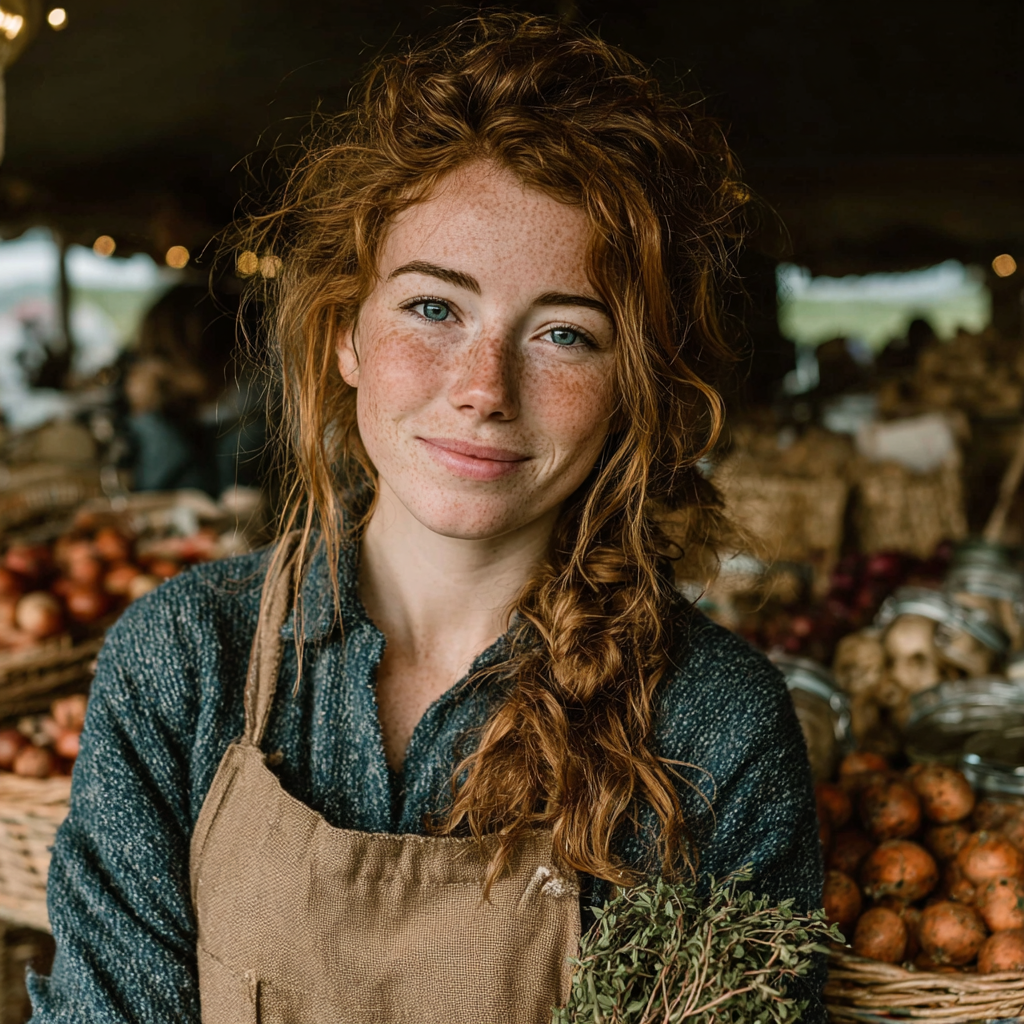
By Sophie Brennan
Irish food writer and historian based in Lisbon. Sophie combines her background in medieval history with a passion for contemporary gastronomy. She has written for Condé Nast Traveller and authored two cookbooks exploring Celtic and Iberian culinary traditions.