
Avignon Eats Like a Pope: A Food Writer's Guide to the Rhône's Most Serious Tables, Secret Markets, and Wines Worth the Hangover
By Sophie Brennan. Last updated: August 2026.
The City That Taught France How to Feast
Avignon does not apologize for making you wait. The city has been feeding people slowly since 1309, when a French pope decided Rome was too chaotic and moved the entire papal court here. Clement V brought cardinals, cooks, cellar masters, and an expectation that dinner should last three hours. Seven popes later, Avignon had become the culinary capital of Christendom—importing spices from the Levant, wines from the Rhône valley, and a standard of excess that ordinary French towns are still trying to match.
That legacy lives in the marrow of the place. Walk into Les Halles at 9:00 AM and watch a chef in whites haggle over a crate of Cavaillon melons. Sit at Fou de Fafa on a Tuesday afternoon and observe three generations of the same family occupying adjacent tables, each eating the same slow-cooked lamb shoulder their grandparents ordered. The papal court is gone, but the rhythm remains: market first, kitchen second, table third. Everything else is noise.
This is not a city for itinerary-checkers or calorie-counters. Avignon demands appetite and patience in equal measure. Come with both, and the city opens like a fig splitting in the August heat.
Sophie Brennan: Why I Write About Food Here
I have eaten in 34 countries. I have paid for every meal myself. I do not accept free dinners, comped wine tours, or invitations to "experience" restaurants that need press coverage to survive. My judgment is my own, and my loyalty is to the reader—not to the chef, not to the tourism board, not to the algorithm.
I came to Avignon for the first time in 2018 because a Lyonnais butcher told me, "If you want to understand why Provence eats differently, go to the city the popes built." He was right. Avignon's food scene is not a museum piece. It is a working kitchen where medieval gravity meets modern ambition, where a 25-seat bistro can serve lamb that rivals anything in Paris, and where a market stall run by the same family for five generations will remember your face after one visit.
I return every year, usually in late spring or early autumn, when the tomatoes taste like tomatoes and the wine bars have space at the counter. This guide reflects what I found in August 2026.
The Three Avignon Food Groups
Every meal in this city belongs to one of three categories: what the Rhône provides, what the hills provide, and what the popes left behind. Understanding this taxonomy makes ordering easier and eating more intentional.
What the Rhône Provides
The river dominates the western edge of the city, and its influence runs deeper than geography. The Mediterranean reaches Avignon through the Rhône's delta, delivering seafood that lands at Les Halles within hours of leaving the water. The poissonnerie at the market sells rouget (red mullet), loup de mer (sea bass), and dorade (gilt-head bream) with the confidence of people who know their supplier by name. Order filet de rouget at any serious restaurant and expect skin crisped in olive oil, flesh that flakes at the touch of a fork, and a sauce that does not try to improve on what the fish already is.
The river also provides the wines. The Côtes du Rhône appellation begins here and stretches north, producing reds that are generous, structured, and built for food. A fifteen-minute drive south brings you to Châteauneuf-du-Pape, where Grenache-dominated blends achieve a depth that makes Burgundy seem precious and Bordeaux seem predictable. Closer to the city, the vineyards of Gigondas and Vacqueyras offer comparable quality at half the price. A glass of Vacqueyras at Bar à Vin Le 46 costs €7 and tastes like stolen property.
What the Hills Provide
The Vaucluse plateau rises east of Avignon, and everything that grows there eventually finds its way to the city's tables. The olive groves around Nyons produce oil with a peppery finish that announces itself in every local kitchen. The lavender fields supply the honey that sweetens breakfast yogurt. The orchards of Cavaillon deliver melons so sweet they are served as dessert with nothing but a slice of jambon de pays.
The signature vegetables—eggplant, zucchini, peppers, tomatoes—arrive at Les Halles in the morning still warm from the sun. They become ratatouille that respects each vegetable's texture. They become daube provençale, the beef stew slow-cooked with orange peel, olives, and herbes de Provence until the meat surrenders completely. They become the fillings for fougasse, the flatbread that Avignon bakeries produce in twisted, olive-studded loaves every morning before 7:00 AM.
What the Popes Left Behind
The papal court brought sophistication, international exposure, and a taste for excess that still shapes the city's finest kitchens. The Comtat Venaissin, the territory surrounding Avignon that the popes controlled until 1791, developed a cuisine of refinement built on local ingredients. The aïoli garni—salt cod with garlic mayonnaise and vegetables—reflects the court's access to preserved fish from the Mediterranean. The papaline d'Avignon, a chocolate-covered confection filled with oregano liqueur, was invented by a local chocolatier in 1960 but named to honor the papal legacy.
The most direct inheritance is the standard of hospitality. A restaurant in Avignon that treats dinner as a transaction will not survive. The good ones treat it as a ritual. Bread arrives without request. Water is refilled before the glass is empty. The server knows the menu because they have eaten it themselves. This is papal etiquette filtered through six centuries of practice.
Where to Eat
Restaurant Fou de Fafa – The One to Plan Around ⭐⭐⭐⭐⭐
Address: 17 Rue des Trois Faucons, 84000 Avignon
Hours: Tuesday–Saturday, lunch 12:00–14:00, dinner 19:30–21:30. Closed Sunday–Monday.
Price: €32 lunch menu (three courses); à la carte €28–45
Reservations: Essential. Call +33 4 90 85 69 03 or book online 48 hours ahead.
Chef Franck buys at Les Halles every morning. The dining room holds twenty-five seats and no empty promises. The slow-cooked lamb shoulder with thyme jus is the dish that justifies the train ticket from Paris. The chocolate fondant has achieved a reputation that borders on religious—order it even if you think you are full. The lunch menu at €32 is not a discount; it is a transfer of wealth from the restaurant to the diner. Locals know this, which is why Tuesday lunch requires planning.
What to order: Lamb shoulder (€28), chocolate fondant (€12), whatever white wine the server recommends from the €6-8 glass selection.
What to know: The room is quiet. Conversations happen at table volume.
Hiély-Lucullus – Traditional, Unapologetic ⭐⭐⭐⭐
Address: 5 Rue de la République, 84000 Avignon
Hours: Tuesday–Saturday, lunch 12:00–14:00, dinner 19:30–21:30. Closed Sunday–Monday.
Price: €35–55
Reservations: Recommended for dinner, especially during the July theatre festival. +33 4 90 86 17 07.
Housed in a 17th-century building with vaulted ceilings that drip candlelight, Hiély-Lucullus serves the Provençal canon with precision and no irony. The aïoli garni is a monument—salt cod, garlic mayonnaise, boiled vegetables, and the understanding that you will need bread to finish the sauce. The bouillabaisse is served only on Fridays, as tradition demands, and costs €48 for a full portion that feeds two comfortable eaters or one serious one. The wine list is local and loyal: Châteauneuf-du-Pape by the bottle from €45, Gigondas from €38.
What to order: Aïoli garni (€26), bouillabaisse on Fridays (€48), Côtes du Rhône Villages by the glass (€8).
What to know: This is not modern cooking. If you want foam or edible flowers, L'Agape is five minutes away.
L'Agape – Modern Provençal in a Former Chapel ⭐⭐⭐⭐
Address: 1 Rue de la Peyrolerie, 84000 Avignon
Hours: Tuesday–Saturday, lunch 12:00–14:00, dinner 19:30–21:30. Closed Sunday–Monday.
Price: €42–68; tasting menu €58 (five courses)
Reservations: Required two weeks ahead during July. +33 4 90 82 28 54.
Chef Julien treats Provençal ingredients with techniques that would confuse a medieval pope but satisfy a modern one. The foie gras with fig compote arrives as a cube of silken density. The sea bass with fennel and saffron is cooked at low temperature until the flesh achieves a texture that seems engineered. The former chapel setting—exposed stone, modern lighting, no crosses—creates a tension between sacred space and secular pleasure that feels intentional.
What to order: Tasting menu (€58) if you have two and a half hours; sea bass with fennel (€34) if you have one.
What to know: The tasting menu changes with the market. Do not ask for substitutions.
La Mirande – The Splurge That Earns Its Price ⭐⭐⭐⭐⭐
Address: 4 Place de la Mirande, 84000 Avignon
Hours: Tuesday–Saturday, dinner 19:30–21:30. Lunch by reservation.
Price: €75–120; tasting menu €95
Reservations: Essential. +33 4 90 14 26 26.
La Mirande occupies a former cardinal's palace beneath the shadow of the Palais des Papes. The dining room has tapestries, centuries-old stonework, and windows that frame the cathedral towers. The cooking is classical French with Provençal accents—truffle season brings white Alba shaved over farm egg, summer brings tomatoes from the hotel's own garden prepared six ways. The wine list is a leather-bound volume that includes verticals of Châteauneuf-du-Pape back to 1989. Dinner here is not a meal. It is a statement of intent.
What to order: Whatever the chef's menu offers in season. In August 2026: tomato tart with basil ice cream (€24 starter), lamb from the Alpilles with garlic confit and ratatouille (€42 main).
What to know: Dress well. Shorts will get you seated, but they will also get you remembered.
Le Coude à Coude – The Neighborhood Standard ⭐⭐⭐
Address: 8 Rue du Limas, 84000 Avignon
Hours: Tuesday–Saturday, lunch 12:00–14:00, dinner 19:00–22:00. Closed Sunday–Monday.
Price: €15–25
Reservations: Not usually necessary. +33 4 90 86 31 59.
On the Rue des Teinturiers, four historic water wheels still turn in the Sorgue River, reminders of the textile mills that powered this street from 1440 onward. Le Coude à Coude sits among them, serving honest Provençal cooking on a terrace that catches the evening light through ancient plane trees. The chalkboard menu changes daily. The confit de canard is reliable. The tarte tatin is made by someone who understands caramelization. The prices belong to a different decade.
What to order: Confit de canard (€18), salade niçoise (€14), tarte tatin (€8). Wine by the carafe (€12 for 50cl).
What to know: The terrace fills by 19:45 in summer. Arrive at 19:00 or accept an inside table.
L'Épicerie – Where Locals Actually Go ⭐⭐⭐⭐
Address: 10 Rue de la République, 84000 Avignon
Hours: Tuesday–Saturday, 12:00–14:30, 19:00–22:30. Closed Sunday–Monday.
Price: €18–32
Reservations: Recommended Friday–Saturday. +33 4 90 82 27 35.
A bistro that sources from Les Halles daily and changes its menu based on what looked best that morning. The croque monsieur is rebuilt with Comté and ham from the market butcher. The pissaladière—the onion tart that Nice claims and Avignon improves—arrives on bread that was baked four hours ago. The wine list is short, local, and priced for people who drink wine with lunch because it is Tuesday.
What to order: Pissaladière (€12), plat du jour (€18), rosé from Ventoux by the glass (€5.50).
Where to Drink
Bar à Vin Le 46 – The Serious Wine Bar ⭐⭐⭐⭐⭐
Address: 46 Rue de la Balance, 84000 Avignon
Hours: Tuesday–Saturday, 17:00–23:00. Closed Sunday–Monday.
Price: €5–12 per glass; charcuterie plates €12–18
Phone: +33 4 90 85 46 46
Over 100 wines by the glass, staff who can explain the difference between Cairanne and Rasteau without condescension, and a long wooden bar where locals mix with visitors in conversations that begin with grape variety and end with dinner recommendations. The charcuterie plate includes saucisson d'Arles, jambon de pays, and cornichons that snap when bitten. The cheese selection rotates but always includes Banon wrapped in chestnut leaves and Picodon goat cheese from nearby Drôme.
What to order: A glass of Vacqueyras (€7) or Gigondas (€8). Ask for the planche mixte (€16) and do not rush.
La Cave du Sommelier – For Châteauneuf-Du-Pape Deep Dives ⭐⭐⭐⭐
Address: 22 Rue Saint-Agricol, 84000 Avignon
Hours: Tuesday–Saturday, 10:00–19:30. Closed Sunday–Monday.
Price: Tastings from €15; bottles from €25
Phone: +33 4 90 85 24 82
A cave à vin run by a former sommelier who left restaurant service to focus on bottles. The Châteauneuf-du-Pape selection includes producers like Domaine du Vieux Télégraphe and Château de Beaucastel. Tastings are structured—three wines for €15, five for €22—and include bread, cheese, and the explanation you did not know you needed. Buy a bottle of Vacqueyras for €18 and drink it on the Rhône banks at sunset.
La Princière – The Ice Cream That Stops Conversation ⭐⭐⭐⭐
Address: Place des Corps-Saints, 84000 Avignon
Hours: Daily 11:00–23:00 (summer); 14:00–19:00 (winter)
Price: €3–6
According to locals who have strong opinions about frozen dairy, La Princière serves the best ice cream in Avignon. The lavender flavor tastes like the fields near Sault. The honey flavor comes from hives within cycling distance of the shop. The lemon sorbet is sharp enough to clear your palate between wine tastings. Order two scoops in a cone and walk to the Pont Saint-Bénézet.
Le Bar du Marché – The Morning Coffee Ritual ⭐⭐⭐⭐
Address: 27 Place Pie, 84000 Avignon (inside Les Halles)
Hours: Tuesday–Sunday, 06:00–14:00. Closed Monday.
Price: Coffee €1.80–2.50; breakfast €4–8
Before the chefs arrive to haggle over melons, the market vendors gather at Le Bar du Marché for un petit noir and gossip. The coffee is strong, the croissants are from the boulangerie three stalls down, and the conversation is pure Avignon. This is not a café for lingering. It is a café for observing the city's edible economy before it opens to the public.
What to order: Un petit noir (€1.80), pain au chocolat (€1.90), and a seat at the counter facing the market stalls.
Les Halles: The Engine Room
Address: 18 Place Pie, 84000 Avignon
Hours: Tuesday–Sunday, 06:00–14:00. Closed Monday.
Best time: 9:00–11:00 AM for selection and atmosphere. After 12:30 PM for discounts of 15–25%.
Les Halles is not a tourist attraction. It is a functioning organ in the city's body. Forty vendors under one roof sell everything from whole rabbits to fougasse still warm from the oven. The building's northern facade is covered by a vertical garden designed by Patrick Blanc—the botanist who invented the concept—creating a wall of green that has become a landmark in its own right.
Inside, the layout follows a grid. Butchers on one side, fishmongers on another, cheese counters that require negotiation, bakeries that sell out of tarte tropezienne by 10:30 AM. The fromagerie stocks Banon cheese wrapped in chestnut leaves, a tradition that predates the papacy. The poissonnerie sells Mediterranean fish delivered daily—ask for rouget and have it cleaned while you browse.
Every Saturday from 11:00 AM to 12:00 PM, a local chef gives a cooking demonstration using produce from the market. It is free, standing-room-only, and more educational than any cooking class you will pay for. In August 2026, the schedule included chefs from Hiély-Lucullus and L'Agape. Check the board near the oyster bar for current listings.
The oyster bar: Le Source Des Halles, inside the market, serves oysters with a glass of white wine for €12–18. Stand at the counter. Eat quickly. Order more.
Budget strategy: Arrive after 12:30 PM. Vendors discount produce, prepared foods, and bread to clear stock before the 14:00 close. A bag of vegetables, a loaf of fougasse, and a container of tapenade can be assembled into a picnic for under €15.
The secret stall: Look for the herb vendor in the southeast corner who sells herbes de Provence blended to order. Tell her what you're cooking—lamb, fish, ratatouille—and she will adjust the thyme, rosemary, and savory proportions. A bag costs €3.
Rue des Teinturiers: The Other Food Street
The Rue des Teinturiers runs south from the city walls, following the Sorgue River through a canyon of plane trees and cobblestones. In the 16th century, this was the center of Avignon's textile industry—dyers, tanners, and cleaners worked in buildings powered by water wheels. Four wheels still turn today, wooden monuments to an economy that vanished but left the street's architecture intact.
The food life here is different from the historic center. There are no grand restaurants, no tasting menus, no papal tapestries. Instead, there are small wine bars with terraces that catch the evening cool, bakeries that sell fougasse to people who have been buying it for decades, and cafés where the coffee is strong and the conversation is stronger.
La Cave Des Pas Sages (24 Rue des Teinturiers) is a wine bar in a stone building that predates the French Revolution. The selection is Rhône-focused, the prices are honest, and the terrace is where you sit after dinner at Le Coude à Coude to finish the evening with a glass of dessert wine and the sound of water turning a wheel that has been turning since 1440.
Boulangerie Marie (42 Rue des Teinturiers) opens at 6:30 AM and sells out of fougasse aux olives by 9:00 AM. The baker, Madame Courbet, has been making bread here for 30 years. Buy a loaf, a chunk of banon from Les Halles, and have a picnic on the banks of the Sorgue.
What to Skip
The City Pass for food. Avignon's restaurant scene does not require a pass, a card, or a discount scheme. The good places are full because they are good, not because they are partnered with a tourism product. Save the €15 and spend it on wine.
Tourist crêperies near the Palais des Papes. The concentration of visitors within the palace walls has spawned several crêpe stands and gelato shops that serve as fuel stops for tour groups. The crêpes are adequate. The prices are Parisian. Walk five minutes to Rue de la République and eat better for less.
La Couronne at peak hours. This restaurant claims to be the oldest in France (1345) and trades on that distinction with prices that reflect history rather than quality. The food is competent. The experience is theatrical. If you must go, book the 12:00 lunch slot when the kitchen is freshest and the tour buses have not arrived. Dinner is a procession of cameras.
Hotel breakfasts. The mid-range hotels in Avignon charge €12–18 for breakfast that consists of industrial croissants, jam in single-serve packets, and coffee from a machine. Walk to Les Halles, buy a pain au chocolat from the boulangerie (€1.80), and eat it on a bench in Place Pie with a €2 coffee from the market bar.
Cheap Calvados at souvenir shops. Avignon is in Provence, not Normandy. The amber liquid in Provençal-shaped bottles sold near the bridge is not Calvados and is not worth the luggage space. Buy a bottle of Châteauneuf-du-Pape from La Cave du Sommelier instead.
The "Julia Child tour." Several operators offer walking tours that claim to trace Julia Child's footsteps through Avignon, where she allegedly discovered French cuisine. Child did visit Provence, but the commercialized tour that stops at three overpriced bistros and a souvenir shop is historical fiction with a booking fee. Read My Life in France and explore independently.
Wine bars that do not list vintages. A serious Rhône wine bar tells you the producer, the appellation, and the year. If the list reads "Côtes du Rhône, red, €8" without further detail, the bar is selling liquid, not wine. Le 46 and La Cave du Sommelier exist for a reason.
Restaurants with multilingual menus outside the historic center. If a restaurant offers menus in six languages and photos of every dish, the kitchen is cooking for cameras, not palates. The best places assume you can handle a French menu or will translate for you with pride.
The Practical Stuff
Getting Here
By train: Avignon has two stations. Avignon Centre is inside the city walls, a ten-minute walk from Les Halles. Avignon TGV is outside the center; a shuttle bus (€2.50) or taxi (€15–20) connects to the old town. From Paris, the TGV takes 2 hours 40 minutes; book early for fares from €25. From Lyon, 1 hour 10 minutes from €15.
By plane: Marseille Provence Airport (MRS) is the closest international gateway, 70 minutes by car or direct bus (€25). Montpellier Méditerranée Airport (MPL) is 90 minutes.
Budget Reality
€45–65 per day: Market breakfast (€4), lunch at Le Coude à Coude (€18), wine bar snack (€12), picnic supplies from Les Halles (€10).
€75–100 per day: Café breakfast (€8), lunch at L'Épicerie (€22), dinner at Fou de Fafa (€45), wine by the glass (€15).
€130–180 per day: Hotel breakfast bypassed for Les Halles (€6), lunch at Hiély-Lucullus (€40), dinner at La Mirande (€95), taxi to Châteauneuf-du-Pape for a tasting (€25 bus fare).
When to Come
April–June: Perfect. The markets have asparagus, strawberries, and the first tomatoes. The restaurants have tables without reservations made weeks ahead. The weather is warm but not punishing.
September–October: Almost as good. The wine harvest is underway in the surrounding vineyards. The figs are ripe. The summer crowds have gone home.
July: The Festival d'Avignon brings theatre and chaos. Restaurant prices rise. Reservations become essential everywhere. If you must come in July, book tables two weeks ahead and expect to pay 20–30% more for accommodation.
August: Many local restaurants close for congés annuels (annual leave), usually the first two weeks. The ones that stay open are often tourist-facing and less interesting. Check opening hours before traveling.
Language Notes
Most restaurants in the historic center have English menus. The market vendors appreciate a "bonjour" before business begins. Learn these phrases: "L'addition, s'il vous plaît" (the check, please), "Quel est le plat du jour?" (what is today's special?), "Un verre de vin rouge du pays, s'il vous plaît" (a glass of local red wine, please).
Market Etiquette
Greet the vendor before asking questions. Do not handle produce—point and ask. Samples are offered at cheese and charcuterie stalls; accept them. Bring reusable bags or buy a straw basket from the market (€8–12) and use it for the duration of your stay. Cash is preferred for purchases under €10; cards work everywhere but slow down the transaction.
The Avignon Eating Schedule
Locals eat lunch at 12:30 and dinner at 20:00. Restaurants open at 12:00 for lunch and 19:00 or 19:30 for dinner. Arriving at 18:45 and waiting by the door marks you as a tourist. Arriving at 20:30 without a reservation in July marks you as hungry and unemployed. The sweet spot is 12:15 for lunch and 19:45 for dinner—early enough to get a table, late enough to eat when the kitchen is in rhythm.
The Conclusion Avignon Deserves
This city does not reward speed. It rewards attention. The lamb at Fou de Fafa requires two and a half hours of your afternoon. The market demands a slow circuit before any purchase. The wine bars expect you to finish your glass before ordering the next one. Avignon operates on papal time—measured in seasons, not minutes.
Come hungry. Come patient. Come with the understanding that a city that fed seven popes has nothing to prove to you, but plenty to offer if you meet it on its own terms. The Rhône will still be flowing. Les Halles will still be open at 6:00 AM. And somewhere on Rue des Teinturiers, a water wheel will still be turning, powered by the same river that has powered this city's appetite for six hundred years.
Sophie Brennan is a food writer and photographer based between Dublin and Lisbon. She has documented food culture in 34 countries, pays for every meal herself, and believes the best restaurant review is the one written three hours after dessert. She last ate in Avignon in August 2026.
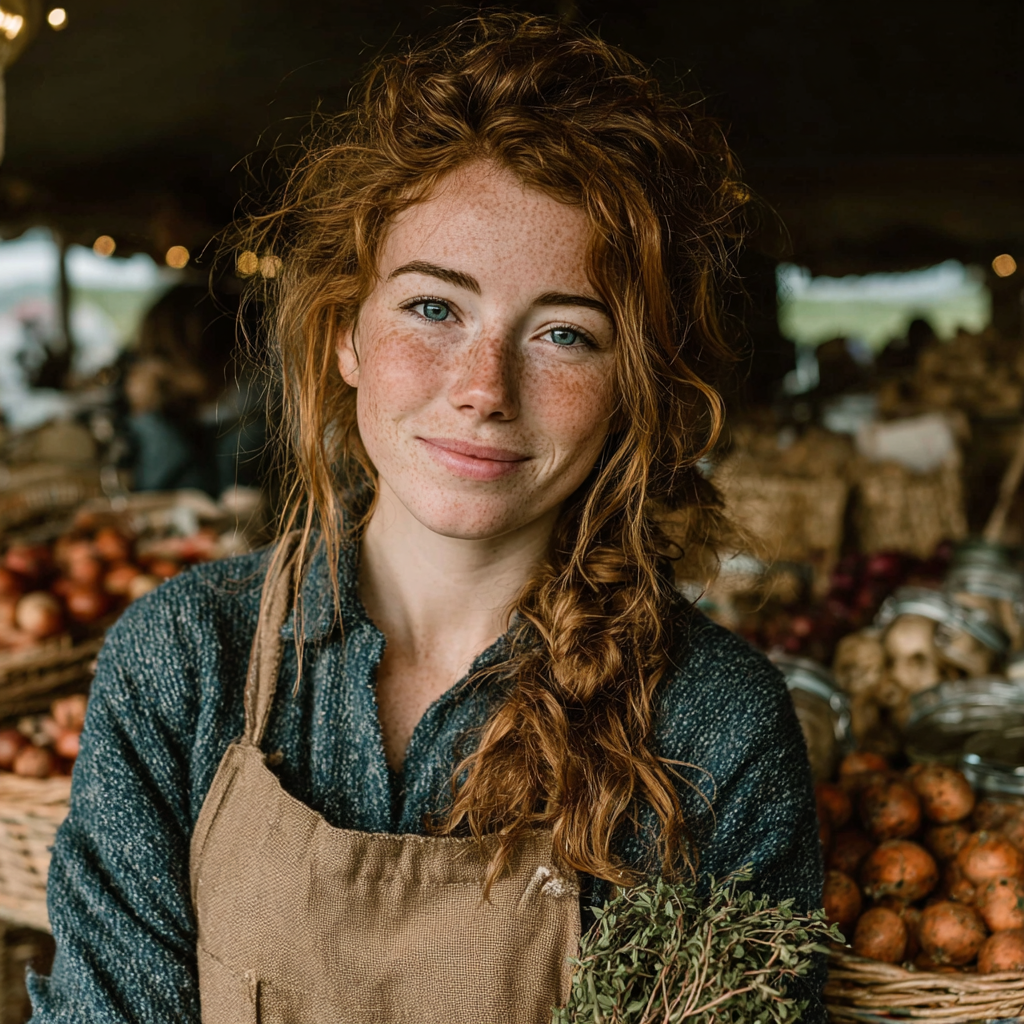
By Sophie Brennan
Irish food writer and historian based in Lisbon. Sophie combines her background in medieval history with a passion for contemporary gastronomy. She has written for Condé Nast Traveller and authored two cookbooks exploring Celtic and Iberian culinary traditions.