
Helsinki: Where Reindeer Stew Meets Natural Wine — A Food Lover's Guide to Finland's Quietly Obsessive Capital
The first thing you notice about Helsinki is what isn't there. No grand pronouncements. No swagger. The architecture is restrained brick and pale granite, the locals speak in measured sentences, and the best restaurants hide behind unmarked doors or down basement staircases. This is a city that does not perform for visitors. It simply does things properly — and has done for longer than most food destinations have existed.
I am Sophie Brennan, and I have eaten my way through enough Nordic capitals to know the difference between genuine culinary culture and marketing. Helsinki is the real thing. The Finnish capital has spent the last decade quietly building one of the most distinctive food scenes in Europe, not by chasing trends but by stubbornly committing to its own logic: local ingredients, precise technique, and an egalitarian ethos that means chefs drink at the same bars as their customers. The average resident consumes twelve kilograms of coffee per person annually. Chefs forage in urban forests. Market halls have operated since 1889. This is not a city that discovered farm-to-table last year. This is a city that never forgot it.
What follows is not a day-by-day itinerary. It is a thematic map of how Helsinki eats and drinks, organized by the rhythms of the city itself — from morning coffee rituals to midnight natural wine bars, from 19th-century market halls to Michelin-starred tasting menus that cost half what they would in Copenhagen.
The Market Halls: Where Helsinki Still Lives
The best place to understand Finnish food philosophy is the Old Market Hall (Vanha Kauppahalli) on Eteläranta, operating since 1889 in a brick building that survived both world wars and a near-demolition in the 1970s. Unlike many European food halls that have transformed into tourist attractions, this one remains stubbornly functional. Local retirees queue at Soppakeittiö for reindeer stew and salmon soup served in bread bowls. Petiscaria operates a Portuguese-Finnish fusion stall that makes no sense on paper but works in practice. The vendors know their regulars. They will tell you which fish came from the Baltic that morning and which mushrooms were foraged from Nuuksio National Park over the weekend.
Old Market Hall (Vanha Kauppahalli) — Eteläranta, 00130 Helsinki. Open Monday–Saturday 8:00–18:00, Sunday 10:00–17:00. Individual vendors may have slightly different hours. Most stalls accept cards; carry a few euros for small purchases. The building is a ten-minute walk from Helsinki Central Station, or take tram lines 2, 3, or 5 to Kauppatori.
The salmon soup (lohikeitto) is the signature dish here — creamy, buttery, studded with chunks of pink fish and served with rye bread. Expect to pay €10–14 for a bowl. Robert's Coffee inside the hall serves what many locals consider the best cinnamon bun (korvapuusti) in the city. The combination of historic architecture, harbor views, and genuine daily commerce makes this essential visiting, not just for the food but for the atmosphere of a city that has not abandoned its traditions.
For a more working-class atmosphere, walk ten minutes east to Hakaniemi Market Hall. The building dates to 1914 and the clientele has not changed much since. The downstairs food court offers some of the best-value eating in the city. Fat Ramen serves bowls that could feed two people for under €15. Herkku Food Market in the basement of the Stockmann department store attracts office workers with an untraditional fish soup that has developed a cult following. These are not destinations for culinary pilgrims. They are where actual Helsinki residents eat lunch, and that is precisely the point.
Hakaniemi Market Hall — Hakaniemi Square, 00530 Helsinki. Open Monday–Friday 8:00–18:00, Saturday 8:00–16:00, closed Sunday. The Hakaniemi metro station is directly adjacent. The outdoor market operates daily from approximately 8:00–16:00, weather permitting.
The Baltic Herring Market in October represents Helsinki's oldest continuous tradition. Since 1743, fishermen have gathered at Market Square to sell their catch directly to customers. The event runs for a week and transforms the harbor into something that feels closer to the city's medieval past than its tech-present. Smoked herring, pickled fish, and traditional archipelago bread are available in quantities that suggest preservation rather than immediate consumption. This is food as cultural memory, and if your visit coincides with it, cancel your other plans.
Fine Dining: Nordic Precision Without Nordic Prices
Helsinki's fine dining scene punches far above its weight, and more importantly, it punches below its price point. What would cost €400 in Copenhagen often costs half that here, and the quality gap is narrower than the price gap suggests.
Palace holds two Michelin stars and occupies the top floor (10th floor) of a 1952 functionalist building at Eteläranta 10, overlooking the harbor. Chef Eero Vottonen serves a tasting menu that costs around €210, which by Nordic standards represents reasonable value. The focus is on Finnish ingredients: vendace from Lake Puruvesi, lamb from the Åland Islands, berries and mushrooms from forests within the city limits. Wine pairing adds €170; non-alcoholic pairing is €75. The bar on the same floor serves cocktails (€16) and snacks with the same harbor views — no reservation required for the bar, and it is one of Helsinki's best-kept secrets.
Palace — Eteläranta 10, 00130 Helsinki. +358 50 5020718. Dinner only, reservations essential. Closed Sundays and Mondays. The "Palace Signature Cocktail 2.0" with rum, bergamot liqueur, and white tea is worth the trip alone.
Olo holds one Michelin star and occupies a yellow townhouse built in 1817 at Pohjoisesplanadi 5, opposite Market Square. Chef Jari Vesivalo's tasting menu runs €159–189 for eleven courses, with wine pairing at €285–335. The "Whole Evening" experience with unlimited non-alcoholic drinks is €207. Olo has held its star since 2011, and the cooking reflects a philosophy of minimal elements per plate — Nordic provenance, flavor built through precise combination rather than elaboration. The reindeer with lemon thyme and the potato ice cream with porter are signature dishes. Save three hours. Reservations are essential weeks in advance.
Olo — Pohjoisesplanadi 5, 00170 Helsinki. +358 10 320 6250. Open Tuesday–Saturday 18:00–24:00. Closed Sundays and Mondays. The corner window overlooking Market Place is the best table in the house.
Grön is my personal favorite among Helsinki's fine dining options. Located at Albertinkatu 36 in Kamppi, this one-Michelin-star restaurant seats only 16 people in a stark, industrial space with a wall groaning with ferments — including, reportedly, "lemons from a trip to Portugal in 2018." Chef Toni Kostian's tasting menu costs €68–75, with wine pairing at €122. The menu is heavily plant-based but not exclusively so, and Kostian's team forages ingredients that appear for only days at a time: rowan buds served one day per year, pine bark ice cream with wood ants (€8 supplement), fermented peas with pike roe. Grön was named best restaurant in Finland in 2017, 2018, and 2019. It is ambitious, accessible, and genuinely surprising — the kind of meal that reminds you why you travel for food.
Grön — Albertinkatu 36, 00180 Helsinki. +358 50 328 9181. Dinner Wednesday–Saturday 17:00–24:00, Saturday lunch 13:00. Closed Sunday–Tuesday. Book well ahead.
Demo, a one-star institution since 2007, has been proving that Finnish fine dining does not require imported truffles or French technique since 2003. Located at Uudenmaankatu 9–11, it offers tasting menus of four to seven courses presented verbally — never in writing — which makes for more personal service. The price is approximately €85–120. Chef-owners Tommi Tuominen and Teemu Aura specialize in French cuisine with an international twist, and the atmosphere is deliberately casual. You might compare notes with the party at the next table. This is fine dining without the weight.
Demo — Uudenmaankatu 9–11, 00120 Helsinki. +358 9 2289 0840. Open Tuesday–Saturday. Reservations essential.
The Natural Wine Revolution: Drinking Without Gatekeeping
The emergence of Helsinki's natural wine scene has transformed how the city drinks. Let Me Wine, run by importer Toni Feri, operates as both shop and communal drinking space. Feri has built something unusual here: a scene without gatekeeping, where producers from Georgia and Jura pour alongside local enthusiasts. The first Helsinki natural wine festival launched in 2025, confirming what locals already knew. The city has become a northern node in a global network. The flat social hierarchy helps. In Helsinki, chefs drink at the same bars as their customers. Collaborations form naturally over shared bottles rather than through formal partnerships.
The natural wine movement here is not performative. It is practical. Finnish drinkers have always been informed — this is a country where alcohol was rationed until 1970, where home brewing was a necessity, where the relationship with drink is serious rather than celebratory. Natural wine fits this temperament: it demands attention, rewards curiosity, and does not pander.
Cafelito in Kallio operates as a coffee bar by day and wine bar by night, serving Spanish tortilla and Basque cheesecake in a room that feels transported from Barcelona. The transition happens seamlessly around 18:00. This is the new Helsinki: fluid, hybrid, unbothered by category.
The New Affordable Luxury: Where €30 Replaces €200
As Toni Feri notes, thirty euros has become the new two hundred. The most interesting developments in Helsinki are happening at lower price points, and they are happening with genuine creativity.
BasBas Studio operates at Pursimiehenkatu 27 as a monthly-changing concept where chefs cook what inspires them. One month might feature French Riviera flavors, the next local seafood and foraged vegetables. The counter seating puts diners in direct conversation with the kitchen. The space holds only 24 seats, and the atmosphere is deliberately intimate — "like visiting a dear friend," as they put it. The menu of the day costs €65; the space also hosts pop-ups and wine tastings. Tuesday–Friday from 16:00 onwards. Saturday and Sunday closed. Book 30 days ahead through their website.
BasBas Studio — Pursimiehenkatu 27, 00150 Helsinki. +358 44 988 9896. Tuesday–Friday 16:00–00:00. Closed Saturday–Monday.
Laivakoira serves fine-dining-level snacks in a bright, cheerful room at Fabriksgatan 34d in Punavuori: shrimp éclairs, lobster mac and cheese croquettes, Korean fried sweetbreads with gochujang. The quality-to-cost ratio disrupts expectations. This is the kind of place that would charge twice as much in Stockholm and three times as much in London.
Forza at Pursimiehenkatu 29–31 produces Neapolitan pies from a wood-fired oven that rival anything in Rome. The "Cacio, Pepe e Gamberi" combines fior di latte, pecorino, and shrimp in a combination that sounds wrong until you taste it. Pizzas range from €12–18. Blondie takes a different approach, offering New York-style slices with dough inspired by French country bread. The "Blondie" signature combines mozzarella, provolone, Calabrian chili, and hot honey. Both places operate on narrow margins and long hours. Neither requires reservations months in advance.
Coffee: The National Religion
Coffee in Helsinki is not a beverage. It is a social infrastructure. Finland consumes more coffee per capita than any other nation — approximately 12 kilograms per person annually — and the capital's café culture reflects this obsession.
Kaffa Roastery at Pursimiehenkatu 29A in Punavuori serves hand-brewed Ethiopian naturals with notes of vanilla and bergamot alongside almond croissants that justify the queue. The roastery and café are separated by a glass wall, so you can watch the 50-year-old Probat roaster at work while you drink. Kaffa was voted Finland's best coffee shop in 2017 and 2019. The founders, Svante Hampf and Benjamin Andberg, started roasting in a garage with a popcorn machine in 2007. Now they employ 20 people and supply cafés across the country.
Kaffa Roastery — Pursimiehenkatu 29A, 00150 Helsinki. +358 50 306 5499. Monday–Friday 08:00–18:00, Saturday 10:00–17:00, Sunday closed. A flat white and an almond croissant will set you back around €8–10.
Cafelito in Kallio (address varies by location) channels Barcelona through Finnish efficiency: Spanish tortilla, Basque cheesecake, excellent wine selection. The day-to-night transition happens around 18:00 without ceremony.
The Kallio neighborhood deserves special attention. Once working-class and slightly rough, it has become the center of Helsinki's creative food scene without fully gentrifying. Cafe Bar No 9 has operated since 1996, serving hearty pasta and burgers to a crowd that includes everyone from university students to established artists. Way Bakery and its sister restaurant Maukku channel modern French bistros through a Finnish lens: oeuf mayonnaise with gochujang, Maine lobster rolls made with Finnish crayfish, natural wines from small producers. Zucchini nearby has served vegetarian lunch since the 1990s, long before plant-based eating became fashionable.
Traditional Finnish Flavors: The Old Guard
For traditional Finnish flavors, Kuurna and Vinkkeli offer market-driven menus that change with what is available. Expect reindeer, elk, whitefish, and cloudberries in season. Vinkkeli at Pieni Roobertinkatu 8 holds a Michelin selection and operates Monday–Friday lunch 11:30–14:00, dinner Tuesday–Saturday 17:00–00:00. Sunday and Monday dinner closed. Expect to pay around €50 per person for dinner.
Lappi focuses specifically on northern Finnish cuisine: smoked fish, game meats, and berries prepared according to Sámi traditions. The décor leans toward rustic, but the execution is precise. Savoy, designed by Alvar Aalto in 1937 at Eteläesplanadi 14, serves Finnish classics in a space that functions as a museum of functionalist design. The view over Esplanadi park justifies the premium. Lunch is approximately €35–45; dinner tasting menus run higher.
Savoy — Eteläesplanadi 14, 00130 Helsinki. +358 10 323 3500. Open Monday–Friday 11:30–23:00, Saturday 17:00–23:00. Sunday closed. The Aalto-designed interior alone is worth the visit.
Seafood: The Baltic on Your Plate
Seafood dominates any serious food tour of Helsinki. Fisken på Disken, located on the top floor of the Kamppi shopping center, serves the best salmon soup in the city. The location sounds unpromising. The execution is not. A bowl costs €12–15. Restaurant Merimakasiini near Hietalahti Market Square operates in a retro-decorated space that recalls the 1960s. The crayfish dishes are the draw, particularly in autumn when the local catch arrives. Sushibar + Wine applies Nordic minimalism to Japanese technique, pairing organic wines with fish that was swimming that morning.
The Baltic Sea is not the Mediterranean — the water is colder, the flavors are cleaner, the fish are different. Whitefish (siika), vendace (muikku), and Baltic herring (silakka) are the local staples. Smoked fish is a tradition, not a trend. If you see "muikku" on a menu, order it: these tiny fried vendace, served with mashed potatoes and lingonberries, are a Finnish comfort food that has never been fashionable and never needed to be.
What to Skip
The tourist restaurants around Senate Square. The proximity to Helsinki Cathedral does not correlate with culinary quality. The restaurants with multilingual menus and photographs of the food are exactly what they appear to be.
Hotel breakfast buffets, unless your hotel is exceptional. Helsinki has too many good cafés to waste a morning on powdered eggs and industrial pastries. Walk ten minutes and eat where the locals eat.
The summer terrace at Cafe Kappeli for the food. The location on Esplanadi is beautiful, the building historic, and the people-watching excellent. The food is mediocre and overpriced. Go for a coffee or a glass of wine, not a meal.
Any restaurant advertising "Nordic cuisine" in English with a flag outside. Genuine Nordic cooking does not announce itself with flags. It announces itself with ingredients.
The chain restaurants in Itäkeskus and other suburban malls. Helsinki is compact. There is no reason to leave the center for food.
Practical Logistics
Getting Around: Helsinki is compact. Most food destinations are within a 20-minute walk of each other. The tram system is efficient and covers all neighborhoods mentioned. A single ticket costs €3.10 and is valid for 80 minutes across all modes. Day passes are €9 for 24 hours. Download the HSL app for mobile tickets.
When to Eat: Lunch is the secret weapon. Most restaurants offer weekday lunch specials between 11:00 and 14:00 that cost roughly half the dinner price. The quality does not drop. This is how locals eat well without spending a fortune. Dinner service typically starts at 17:00 or 18:00. Many higher-end restaurants are closed Sunday and Monday.
Tipping: Do not tip. Service is included, and staff are paid living wages. If you round up or leave small change, it is appreciated but not expected. Do not tip 15–20% as you would in the United States — it is unnecessary and slightly awkward.
Reservations: Essential for Palace, Olo, Grön, and Demo. Advisable for BasBas Studio and popular wine bars. Many casual spots operate on a first-come basis. Book 2–4 weeks ahead for starred restaurants; 1–2 weeks for popular bistros.
Language: English is widely spoken in restaurants. Menus are typically in Finnish, Swedish, and English. Do not expect effusive service — Finnish hospitality is efficient and genuine rather than performative. The warmth is there; it just does not announce itself.
Budget: Helsinki is expensive, but lunch provides the workaround. A market hall lunch costs €10–15. A casual dinner at a bistro runs €30–50. Fine dining tasting menus range from €68 at Grön to €210 at Palace. Coffee and a pastry: €6–10. A glass of natural wine: €10–14. Plan for €60–80 per day if you eat well but not extravagantly; €150+ if you are dining at starred restaurants.
Best Time to Visit: May through September for the longest days and outdoor seating. The Baltic Herring Market in October is unmissable if your timing aligns. December offers Christmas markets and the cozy darkness of Nordic winter, though some restaurants close for the holidays. January and February are cold and quiet — good for restaurant availability, challenging for walking between venues.
What to Pack: Comfortable walking shoes are essential — you will walk everywhere. A light waterproof layer, even in summer. The weather changes quickly. A reusable water bottle: Helsinki's tap water is among the cleanest in the world.
Final Word
Helsinki does not reward casual visitors who stick to hotel restaurants and tourist quarters. It rewards those who walk into unmarked doorways, who eat lunch at market stalls alongside pensioners, who understand that the best meals here often happen in converted warehouses or basement levels without signage. This is a city that has figured out what it wants to be. The ingredients are local. The techniques are global. The ambition is serious, but the atmosphere remains approachable.
The Finnish word "sisu" — often translated as stoic determination — applies to the food scene here. There is no flash, no spectacle, no performance. There is simply the quiet confidence of a city that knows its own worth. Bring an appetite and comfortable shoes. The rest will follow.
— Sophie Brennan is a food writer and former restaurant critic who has eaten in thirty-seven countries. She believes the best meals happen in unmarked doorways, and that every city has a flavor worth discovering if you are willing to look past the obvious.
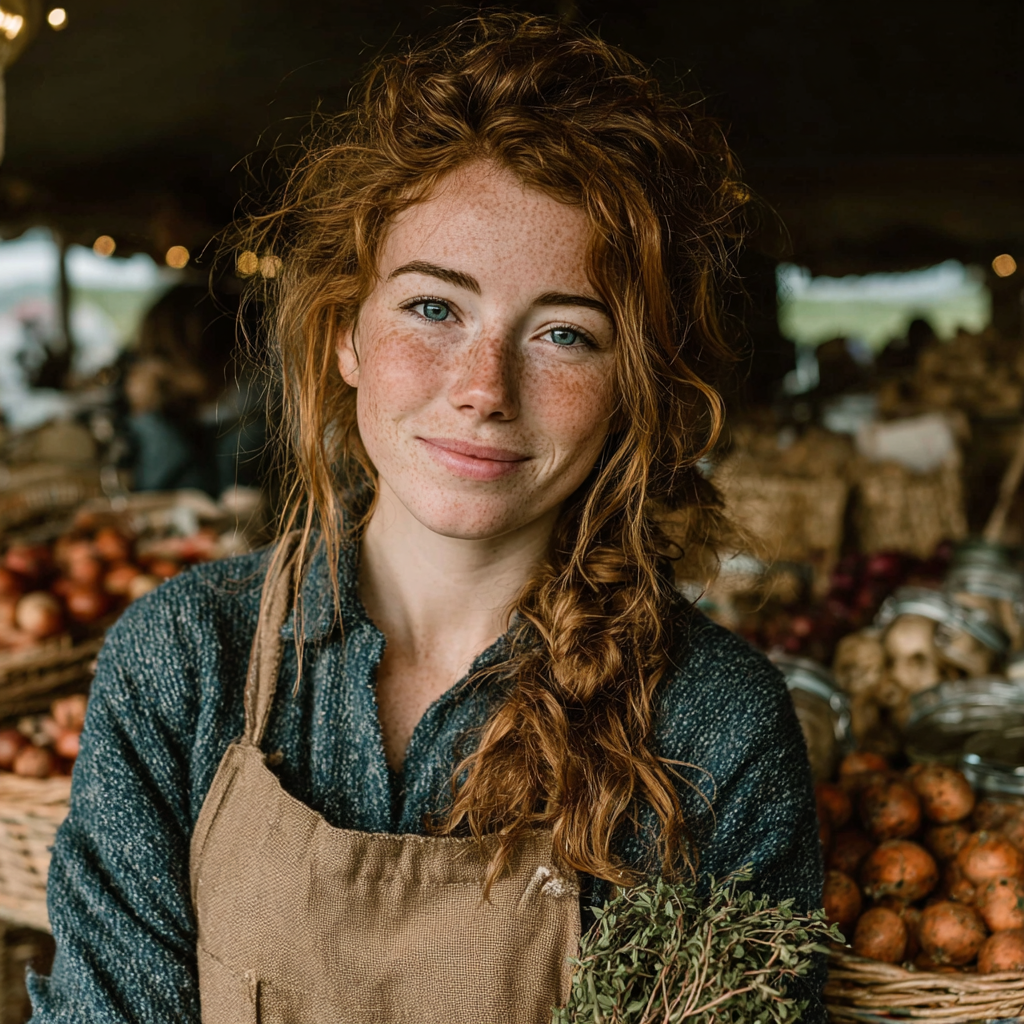
By Sophie Brennan
Irish food writer and historian based in Lisbon. Sophie combines her background in medieval history with a passion for contemporary gastronomy. She has written for Condé Nast Traveller and authored two cookbooks exploring Celtic and Iberian culinary traditions.