
Tórshavn, Faroe Islands: Where Viking Parliaments, Grass-Roofed Pubs, and North Atlantic Gales Converge
Tórshavn is a city of roughly 14,000 people that behaves like a capital because it is one—just not the kind capital cities usually become. It has a parliament older than most European nations, a harbour that handles more fish than passengers, and a downtown where a handful of pubs serve a population that would barely fill a London Underground carriage at rush hour. The Faroe Islands sit between Iceland, Norway, and Scotland like a geological afterthought, and Tórshavn sits on the largest of them, Streymoy, on a harbour that has determined everything about the place for a thousand years.
What makes Tórshavn worth visiting is not grandeur. It is specificity. This is a place where the national football team practices on a field next to the harbour, where the prime minister shops at the same supermarket as the ferry workers, and where the oldest parliament in Europe meets in buildings that could pass for a well-kept suburban library. The Faroese have preserved their language, their grass roofs, and their whale hunts in the face of globalization, climate pressure, and the simple economic reality that these islands cost more to live on than almost anywhere else in the North Atlantic. Tórshavn is not trying to impress anyone. It is simply the center of a world that most people will never visit, and it knows exactly what it is.
The Old Town: Tinganes and Á Reyni
The historical heart of Tórshavn is Tinganes, a peninsula of red wooden buildings with grass roofs that looks like a model village until you realize people still work inside them. These are government offices now, housing the ministries of a self-governing territory that remains technically part of the Kingdom of Denmark. The buildings date to the 1600s and 1700s, though the grass roofs are replaced regularly—every twenty years or so, someone climbs up with fresh turf and a tolerance for rain.
The peninsula itself was the site of the Viking Age Althing, the assembly that makes the Faroese Løgting one of the oldest continuously operating parliaments in the world. The modern Løgting building sits just up the hill from Tinganes at Jóannes Paturssonargøta 1, a modest structure that holds sixty-three members and looks like a well-funded community center. On opening days, locals still gather outside in traditional dress. The rest of the year, it is simply where the business of running an archipelago happens.
Just behind Tinganes lies Á Reyni, the oldest residential neighbourhood in Tórshavn. Its narrow lanes wind between black-tarred wooden houses with white windows and grass roofs. These are not museum pieces. People still live here, and that gives the area a warm, lived-in feeling that no heritage reconstruction could replicate. Walking through Á Reyni feels like stepping back several centuries, except for the occasional glimpse of a modern kitchen through a window. It is one of the best places to understand traditional Faroese houses and urban life before concrete and Scandinavian modernism arrived.
Tórshavn Cathedral and Gamli Kirkjugarður
Tórshavn Cathedral, Annaassisitta Oqaluffia, stands on the hill above the harbour at Dóm Kirkjugøta 4. It was built in 1788, which makes it young by European standards but ancient by Faroese ones. The church is white clapboard with a black roof, and inside it holds the standard Danish-Lutheran simplicity: plain pews, minimal decoration, and light that comes through tall windows facing the water. The current building dates to 1865, following renovations and restorations.
What makes it matter is not the architecture but the position. From the churchyard, you can see the entire working harbour, the ferry terminal, and the mountains that rise behind the town like a green wall. The cathedral is the physical center of a settlement that has no suburbs to speak of—ten minutes in any direction and you are in sheep pasture.
Nearby lies Gamli Kirkjugarður, the old cemetery of Tórshavn. It is now a quiet park where many important figures from Faroese history are buried. Walking here is calm and reflective, and it offers another layer of understanding of the city's past.
Museums That Refuse to Apologize
The National Museum of the Faroe Islands, called Tjóðsavnið, sits at Kúrdalsvegur 2 in Hoyvík, a short walk from the city center. The building is modern and deliberately unlike anything else in the country. The collection is small but precise: Viking tools, medieval church carvings, fishing equipment from the 1800s, and the full skeleton of a pilot whale.
The whale skeleton matters because whale hunts still happen here. The grindadráp is a communal hunt that has drawn international condemnation, and the museum does not shy away from this. It presents the practice as cultural tradition and economic necessity, and lets visitors decide where they stand. The Faroese have been hunting pilot whales since the islands were settled in the 9th century, and the museum treats the controversy as part of the story rather than something to apologize for.
The museum is open Monday to Friday 10:00–17:00, Saturday–Sunday 12:00–17:00 in summer; winter hours are shorter. Admission is 65 DKK for adults. The museum also includes Heima á Garði, a farmhouse from 1812 in Hoyvík that functions as an outdoor exhibition, preserving furnishings and equipment from the 1920s.
The National Gallery of the Faroe Islands, Listasavn Føroya, is located at Gundadalsvegur 9, near the football stadium. It showcases Faroese visual arts from 19th-century pioneers to contemporary creators. The park outside is worth a stroll, and the museum café serves good coffee. Tickets cost 90 DKK for adults. Opening times vary throughout the year; during winter, the museum is closed on Tuesday and Wednesday.
The Harbour: Where Everything Flows
The harbour is the town's true center. Cruise ships arrive in summer, disgorging passengers who walk to Tinganes, take photographs of the grass roofs, and retreat to the ship before the weather turns. The working part of the harbour is more interesting. Fishing boats unload their catch at concrete piers, and the smell of diesel and cod hangs over the water in a way that no amount of tourism infrastructure can disguise.
The ferry terminal here serves the other islands. Nólsoy is a twenty-minute ride, a car-free island with a puffin colony and a single village that exists because the ferry exists. The ferry to Suðuroy, the southernmost island, takes two hours and costs around 150 DKK for a passenger. Locals use it for doctor's appointments and shopping trips to Tórshavn. Tourists use it because the guidebooks told them to.
Just a short waddle from the center, Skansin stands as both a fortress and a lookout point. Built in 1580 to defend the town from pirate raids, it is easy to spot thanks to the lighthouse perched above its stone walls. From here, you get sweeping views across the harbor and out toward Nólsoy Island. Entry is free.
The Modern Cultural Life
Nordic House in the Faroe Islands, designed by the Finnish architect Ola Steen, opened in 1983 and sits on the waterfront at Norðari Ringvegur like a glass wedge inserted into the landscape. It hosts concerts, theater, and the annual Faroese Literature Days. The building is worth visiting for the architecture alone—the Faroese landscape does not naturally suggest modernism, and the contrast is intentional.
For music, the G! Festival happens each July in the nearby village of Gøta, but Tórshavn is where the musicians stay and rehearse. The pub Sirkus, at Niels Finsensgøta 28, has hosted pre-festival sessions that turned into all-night jams. It opens daily from 14:00 until late, with live music most weekends.
Mikkeller, the Danish craft brewery, opened a Faroese outpost in a converted fish warehouse near the harbour at Bryggjubakka 4, serving beers at prices that make Copenhagen look reasonable. A pint runs 70–85 DKK, which is roughly $10–12. The local brewery, OY, founded more recently, produces craft beers that have quickly become favorites among locals and visitors.
Føroya Bjór, founded in 1888, still produces a standard lager that tastes like every other Scandinavian beer, but it is what the fishermen drink, and that counts for something. You can visit their shop at Klaksvíkar Bryggja 20.
Ólavsøka and the Faroese Chain Dance
Ólavsøka, the national holiday on July 28–29, transforms the town. The Løgting opens its annual session with a ceremony in the cathedral, followed by a boat race in the harbour and a chain of public gatherings that continue until midnight. The Faroese chain dance, a medieval tradition where participants hold hands and sing ballads in a circle, happens in the streets. The songs are in Faroese, a language derived from Old West Norse that is mutually intelligible with Icelandic only in the way that a Glaswegian and a Geordie can technically understand each other.
During Ólavsøka, Tórshavn's population effectively doubles as islanders come in from the outer settlements. Hotel rooms disappear months in advance, and the campsite at Tórshavn's football stadium becomes the de facto accommodation for anyone who decided to visit on impulse.
Where to Eat: From Fermented Lamb to Sushi
Eating in Tórshavn requires either a large budget or a tolerance for supermarket sandwiches. Restaurant Koks, which held two Michelin stars until it relocated to the remote island of Sandoy in 2022, set a standard that the remaining establishments struggle to meet at accessible prices.
Áarstova, at Gongin 1 in the old town, occupies a building that was once the family home of poets Janus and Hans Andrias Djurhuus. The interior features traditional wooden beams and a warm, inviting atmosphere. The restaurant serves Faroese lamb and fish at 250–400 DKK for a main course. The lamb is grass-fed on the islands' steep slopes, and the flavor is distinct—denser, gamier than Danish or Icelandic equivalents. Open daily 18:00–22:00. Reservations recommended: +298 333000.
Ræst, at 8 Gongin, is widely described as the world's first dedicated fermentation restaurant. It operates inside a 16th-century Faroese house and is the single best place in Tórshavn to experience the full ræst tradition. The fermented lamb and fish dishes have a powerful aroma and flavour profile—diners should approach with genuine curiosity and an open palate. Open Wednesday–Saturday 18:00–22:00. Reservations essential.
Barbara Fish House, at 2 Gongin, specializes in fresh seafood dishes in a turf-roofed house. It provides an authentic taste of the North Atlantic, with small plates perfect for sharing.
For cheaper options, the bakeries on Niels Finsensgøta sell skerpikjøt sandwiches for 45–55 DKK. Skerpikjøt is dried mutton, wind-cured in outdoor sheds called hjallur, and the taste is not for everyone. It is chewy, intensely salty, and carries a flavor somewhere between prosciutto and jerky made by someone with a grudge.
Etika, at Eystara Bryggja 15, serves Faroese-style sushi and sashimi using salmon famous worldwide. Main dishes run 160–260 DKK. It is one of the few places where you can taste the Faroese salmon that sushi bars in Tokyo and New York import for its rich taste.
Paname Café, nestled in a red, grass-roofed historic building next to H.N. Jacobsens Bókhandil, is a cozy, family-run spot for coffee and light meals. It opens weekdays 10:00–17:00, Saturday 10:00–16:00, closed Sunday.
Where to Stay: From Grass Roofs to Design Hotels
Accommodation in Tórshavn is limited and expensive. Hotel Føroyar, at Oyggjarvegur 45, is the largest hotel in town with 106 rooms and panoramic views. Rates start around 1,200 DKK per night in summer.
Hotel Brandan, at Tórsgøta 9, is a newer design hotel in the city center with modern rooms and a popular restaurant. Rates from 1,000 DKK.
For something more characterful, several guesthouses in Á Reyni and the old town offer rooms in traditional grass-roofed houses. The Haven, in the car-free area of Reyn, lets you sleep under a grass roof a short walk from restaurants, bars, and the ferry port. Rates from 800 DKK.
Budget travelers should consider the campsite near Tórsvøllur football stadium, which becomes the de facto overflow accommodation during festivals and summer months. Rates around 75 DKK per person.
Practical Logistics
Getting There: Atlantic Airways operates flights from Copenhagen, Edinburgh, Bergen, and Reykjavík to Vágar Airport, 45 minutes from town by road. The ferry MS Norröna sails from Hirtshals, Denmark, weekly, taking around 36 hours and offering cabin berths from 1,200 DKK.
Getting Around: Route 300 runs from Vágar Airport to Tórshavn every hour, costing 90 DKK. A car is useful for reaching trailheads and villages, but in Tórshavn itself, walking covers everything. The town center is compact—most attractions are within a 15-minute stroll.
Weather: Tórshavn receives rain on roughly 260 days per year, and the wind is a constant. Summer temperatures hover between 9°C and 13°C. Winter brings darkness—the sun rises around 9:00 AM and sets by 3:30 PM in December—and the northern lights are visible but not guaranteed. The practical response is to dress for it. Waterproof everything, layers, and no umbrellas; the wind renders them useless within seconds.
Money: The Faroe Islands use the Danish krone (DKK). Credit cards are accepted almost everywhere, but carrying some cash is wise for small bakeries and rural ferries.
Language: Faroese is the official language, but Danish is widely understood. Most people under forty speak excellent English.
What to Skip
The Tórshavn "beach." There is a small stretch of sand near the harbour that locals use for a quick dip in summer, but it is not a beach destination. The water temperature rarely exceeds 10°C, and the wind makes sunbathing impossible. Visit for the novelty, not the relaxation.
Shopping for souvenirs on cruise ship days. When multiple cruise ships dock, the handful of souvenir shops in the city center get crowded and prices inflate. The same wool sweaters and Faroese flags are cheaper and more pleasant to buy on quiet weekdays.
Driving to Tórshavn expecting a city. It is a town. Parking is limited, traffic is minimal, and the charm is in walking. Rent a car for exploring the islands, not for the capital itself.
The expectation of nightlife. Tórshavn has pubs and a few bars, but this is not Reykjavík or Copenhagen. Most places close by midnight on weekdays, and the scene is intimate rather than energetic. Come for the conversations, not the clubbing.
The Character of the Place
The weather is the honest enemy of any visit, but also part of what makes the Faroe Islands what they are. The Faroese do not apologize for the weather. They have built a society on islands where grass grows sideways and sheep are more numerous than people.
Viðarlundin park is Tórshavn's green heart and the largest plantation in the Faroe Islands. It feels almost surprising to find a small forest in a place known for open, treeless landscapes. It is perfect for a gentle walk and a break from the wind. Every Faroese child grows up feeding breadcrumbs to ducks in the pond.
Svartifossur waterfall lies just outside the city centre in the Hoydalar valley and is reached by an easy walk. After rain, it becomes a powerful cascade, while in drier periods it reveals the dark rock wall behind it.
If you go, bring waterproof boots, an appetite for lamb, and the patience to wait for the fog to lift. It usually does, eventually, and when it does, you can see the next island across the water, and the one after that, until the archipelago dissolves into the North Atlantic like a sentence trailing off.
About the Author: Finn O'Sullivan writes about the places where history refuses to become a museum piece. He has spent years tracking down the stories that survive in harbours, old towns, and local pubs across the North Atlantic.
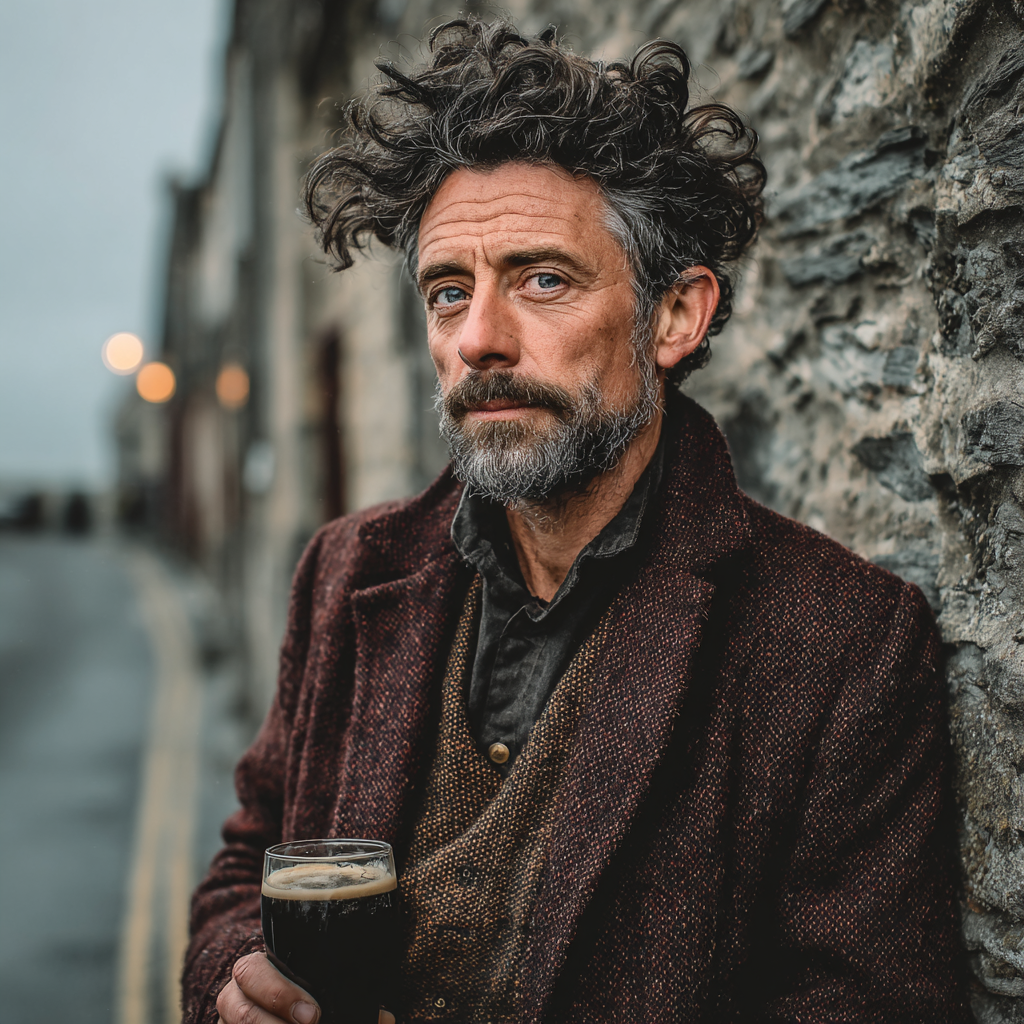
By Finn O'Sullivan
Irish storyteller and folklorist. Finn hunts for the narratives that do not make guidebooks—the pub legends, the family feuds, the neighborhood heroes. He believes every street corner has a story if you know who to ask.