
Eswatini: The Kingdom Where Solo Travelers Can Walk From the King's Palace to a Rhino Sanctuary in One Afternoon
Solo travel guide to Africa's last absolute monarchy: walk with rhinos at Hlane, hike Sibebe Rock (second-largest granite dome on Earth), experience the Umhlanga Reed Dance, and catch the Bushfire Festival. 2026 prices, safety updates, and complete budget breakdown.
On this page
By Maya Johnson — Solo Travel & Budget Guides
Most people can't place Eswatini on a map. That's exactly why you should go.
This tiny kingdom — roughly the size of New Jersey, tucked between South Africa and Mozambique — is Africa's last absolute monarchy, and one of its most quietly extraordinary travel experiences. King Mswati III renamed the country from Swaziland in 2018, and while the politics make headlines, the travel reality is something else entirely: you can stand alone before a 95-meter waterfall at breakfast, watch Swazi dancers stomp red dust at noon, and sit three meters from a white rhino at four in the afternoon. All in one day. All without a tour group.
I've traveled solo through 40+ countries, and Eswatini is the one that keeps pulling me back. It's safe, affordable, genuinely welcoming, and small enough that you never spend more than three hours in a vehicle. The lilangeni is pegged 1:1 to the South African rand, so your dollars stretch far. And because the country sees a fraction of the tourists that neighboring Kruger does, the wildlife encounters feel personal — a ranger, a tracker, you, and a rhino the size of a small car.
Here's everything you need to know to do it on your own.
---
Getting There and Getting Around
The most common approach is overland from South Africa. Johannesburg to the Oshoek border post (the busiest crossing) takes about four to five hours by car. From Kruger's southern gates, Hlane Royal National Park is only two hours away — which makes Eswatini the single best add-on to a South African safari. Durban is roughly six hours to the eastern border.
If you're flying, King Mswati III International Airport (SHO) near Manzini handles regional connections from Johannesburg. Car rental is available at the airport, and I'd strongly recommend having your own wheels — it transforms the experience.
Eswatini has 11 border posts with South Africa and two with Mozambique, most operating 8 AM to 5 PM. Cross before mid-afternoon — both the Canadian and UK governments advise against entering or leaving the country by road after dark due to the risk of armed carjacking, particularly near border zones. This is not a place to gamble on a late arrival.
Once inside, the road network is mostly smooth tar, and distances are laughably short. Two things will catch you off guard: unmarked speed humps that appear without warning (especially near towns and roundabouts — stay alert), and the local driving convention of signaling right to tell you it's safe to overtake. It takes a day to get used to. Fuel is widely available; carry some cash for smaller stations.
Minibus taxis connect major towns cheaply but are chaotic and not recommended for solo travelers with luggage. If you're not driving, arrange transfers through your accommodation — most lodges and camps will collect you.
Entry Formalities and Money
Most nationalities — including US, UK, Canadian, Australian, and EU passport holders — enter visa-free for up to 30 days. Your passport needs six months' validity beyond entry. If you're combining Eswatini with South Africa (and you should), South African immigration requires at least two blank pages — don't let a full passport strand you at Oshoek.
The currency is the lilangeni (SZL or E), pegged 1:1 to the South African rand, and rand notes circulate interchangeably. Cards are accepted at established lodges, restaurants, and supermarkets in Mbabane and Ezulwini. But here's a critical 2026 change: Big Game Parks — which runs Hlane, Mlilwane, and Mkhaya — went fully cashless on 1 July 2026. Conservation fees, activities, and accommodation at all BGP properties are now payable only by Visa, Mastercard, or MTN MoMo mobile money. Carry a working card and have mobile money set up as backup.
ATMs exist in Mbabane, Manzini, and Ezulwini but can be unreliable in smaller towns. Withdraw enough for your full stay when you pass through a city.
The Wildlife: Three Parks, Three Personalities
Eswatini punches absurdly above its weight for wildlife. The country has the highest rhino density in Southern Africa, a remarkable recovery from losing 80% of its rhinos to poaching in the 1980s. Here's how the three main reserves differ:
Hlane Royal National Park — The Classic Safari
Hlane ("wilderness" in siSwati) is the flagship: lions, elephants, white rhinos, giraffes, and more bird species than you can identify. It's the only place in Eswatini with lions, and here's the interesting part — the lions are kept in a separate fenced section from the rhinos, which means rangers can patrol safely and, more importantly for you, guided bush walks are possible without a lion encounter.
The conservation fee is E95 per person per day (up from E80, valid for the December-to-November season), with children under 13 at half price. Self-driving is allowed on the main network — one visitor reported seeing more wild rhinos on a single self-drive here than in her entire life elsewhere. But the real magic is the two-hour guided bush walk at roughly 270 SZL (~$15). Walking through grass taller than your head while a tracker reads the ground for rhino spoor is the kind of experience that costs ten times more in South Africa.
Camp at Ndlovu Camp for about 145 SZL (~$8) per person per night — no advance booking needed, just show up. You'll fall asleep to lion calls and wake to rhinos at the waterhole below the restaurant. There are also self-catering chalets and a proper lodge if camping isn't your thing. Game drives run midday (ZAR 500, 2.5 hrs) and sunset (ZAR 545, 2.5 hrs), with a dedicated rhino drive at ZAR 390 for 1.5 hours.
Mlilwane Wildlife Sanctuary — The Gentle One
Eswatini's first game sanctuary (established in the 1960s) covers 4,500 hectares of rolling hills and wetlands in the Ezulwini Valley. There are no dangerous predators here — which means you can walk, cycle, or horseback-ride freely among zebras, wildebeest, impalas, hippos, and warthogs. This is where I send nervous first-time Africa travelers.
Same E95/day conservation fee. Accommodation runs from a dorm bed at 175 SZL ($9) to rondavels at 420 SZL single / 600 SZL double ($22–31), with dinner around 145 SZL and breakfast 105 SZL. The beehive-shaped thatched huts are iconic and photograph beautifully. Mountain bikes are available to rent, and the trails wind past small dams, grassland, and a hillside covered in exposed granite that glows gold at sunset.
Mkhaya Game Reserve — The Exclusive One
Mkhaya is the VIP experience and Eswatini's greatest conservation success story. No self-driving is permitted — access is restricted to guided game drives and walking safaris, which guarantees intimacy and education. This is where black rhinos roam, where the country's only buffalo herd lives, and where you'll stay at the legendary Stone Camp: open-air stone-and-thatch suites with no fences, where elephants occasionally wander through camp.
Note the age restrictions: no children under 10 at Mkhaya. Booking ahead is essential — Mkhaya runs on limited daily capacity and fills up fast, especially during South African school holidays.
Malolotja Nature Reserve — The Hiker's Secret
Northwest of Mbabane, Malolotja is a 18,000-hectare wilderness of montane grassland, waterfalls, and rare plant life. Entrance is just 75 SZL (~$4). Over 280 bird species, eland, blesbok, and the Malolotja Falls tumbling through a gorge. The canopy tour (zip-line) here is one of the best in Southern Africa. If you've got an extra day and hiking legs, this is your spot.
Sibebe Rock: The Mountain Nobody Talks About
Here's the thing about Sibebe: it's the second-largest exposed granite dome in the world — only Uluru is bigger — and almost nobody outside Southern Africa has heard of it. The rock is 2.5 billion years old, rises 350 meters above the Mbuluzi River, and covers roughly 16,500 hectares. A guided three-hour hike costs around $45, while full-day seven-hour tours combining the rock with a cultural village visit start from $150. The trails range from moderate scrambles to steep ascents — go with a guide, carry water, and start early. The summit panorama over the Dlangeni Hills is the best free view in the kingdom.
Living Culture: The Kingdom's Beating Heart
Mantenga Cultural Village and Falls
This is Eswatini's flagship cultural attraction and genuinely worth your time. A recreated 1850s Swazi homestead sits inside a 725-hectare reserve, with guides explaining everything from beehive hut construction to the role of the queen mother. The traditional dance and song performances run at 11:15 AM and 3:15 PM daily and are electric — bare feet pounding the ground, cowhide shields, voices in call-and-response harmony.
Entry (2026 international rates): E150 for adults, E100 for students and children, E120 for pensioners, E50 for pre-scholars. The reserve is open 6 AM to 6 PM. A short trail leads to the Mantenga Falls, a 95-meter cascade that is Eswatini's highest and most dramatic waterfall. Don't swim — crocodiles have been spotted in the pools below.
Umhlanga Reed Dance
If your timing aligns, the annual Reed Dance (Umhlanga) is one of the most extraordinary cultural spectacles in Africa. Up to 40,000 unmarried women and girls, bare-breasted and wearing beaded skirts, carry reeds to the Queen Mother's royal residence in a ceremony that renews the kingdom's social bonds. The ceremony was formalized in the 1940s under King Sobhuza II, evolving from the older Umcusho custom, and it runs for about eight days in late August or early September. The final two days are public holidays. For 2026, the main ceremony day falls on Monday, 31 August. Visitors are welcome on the last two days; dress modestly, be respectful, and don't photograph individuals without permission.
The Incwala ceremony (December–January), a kingship ritual of sacred songs and ritual dancing, is more restricted — visitors can observe from designated areas but the ceremony itself is largely closed to outsiders.
The Creative Kingdom
Eswatini's craft scene is genuinely impressive, not a tourist trap. Ngwenya Glass Factory, near the Oshoek border, is the country's oldest glassworks — watch artisans blow molten recycled glass into vases and sculptures, then try it yourself in a workshop. The adjacent craft market sells everything from handwoven baskets to beadwork at fair prices.
Gone Rural, near Malkerns, partners with hundreds of rural women to weave gorgeous placemats, baskets, and home goods from indigenous grasses and lutindzi grass — sustainable, fair-wage, and the kind of souvenir that actually gets used. Tintsaba, near Piggs Peak, does exquisite hand-hammered silver jewelry. The Ezulwini Craft Market and the Mantenga Craft and Lifestyle Centre round out the options. Bargaining is expected at markets but keep it friendly and fair — these aren't corporations.
When to Come
May through September is the dry winter — best wildlife viewing as animals concentrate near water, cool hiking weather (pack a jacket; mornings drop to near freezing at altitude), and clear skies. October to November brings heat, the first storms, and greening landscapes. December to March is hot, rainy, and lush — excellent birdwatching but some trails get muddy and wildlife disperses.
Two events can anchor a trip:
MTN Bushfire Festival (29–31 May 2026; 28–30 May 2027): Eswatini's answer to Glastonbury, held at the surreal House on Fire venue in the Malkerns Valley. Over 23,000 "Fire Starters" from 55+ countries gather for three days of African and international music across six stages — main stage headliners, an intimate amphitheatre, an electronic Firefly stage, and conscious-living workshops. CNN named it one of the "7 African music festivals you really have to see." The 2026 edition sold out (its 14th consecutive sellout), so for 2027's 20th-anniversary edition, buy tickets the moment they go on sale around October–November 2026. The festival contributes over E121 million to the local economy and is fully cashless — your wristband is your wallet. Camping packages from South African operators run about R7,850 per person including festival ticket, tent, and meals.
Umhlanga Reed Dance (late August–early September): As described above — plan accommodation in Mbabane or Ezulwini well ahead, and expect everything to book out.
Where to Stay
Budget ($10–25/night): Ndlovu Camp at Hlane (camping ~145 SZL pp), Mlilwane's dorm (175 SZL) or rondavels (420–600 SZL), and a handful of backpacker lodges in Mbabane. Guesthouses in Ezulwini start around E400–600 for a double.
Mid-range ($40–90/night): Self-catering chalets at Hlane and Mlilwane, boutique guesthouses in the Ezulwini Valley, and several solid options in Mbabane with breakfast included.
Splurge ($150–350/night): Mkhaya's Stone Camp (all-inclusive with guided activities), Foresters Arms Hotel (a colonial-era mountain retreat near Mbabane with fireplaces and a famous Sunday lunch), and a handful of luxury lodges in the Ezulwini Valley with valley views and spa facilities.
Honest Math: What It Costs Per Day
Shoestring: $25–40/day. Camp at Hlane or Mlilwane, self-cater or eat at the camp restaurant, do one guided activity, drive yourself between parks. Conservation fees are your biggest single cost at E95/day per park.
Comfortable: $60–100/day. Rondavel or chalet accommodation, all meals at lodges, a guided walk plus a game drive, no stress about fuel or park fees.
Full send: $150–300/day. Stone Camp at Mkhaya, private guides, fine dining, and every activity on the board.
A realistic four-day solo trip with a mix of camping and lodge nights, both self-drive and guided activities, lands around $200–350 total, excluding international flights. That's genuinely remarkable value for Southern Africa.
What to Skip
Night driving. Seriously. Unmarked speed humps, wandering livestock, potholes, and the elevated carjacking risk near borders after dark make this a hard no. Plan to arrive at your accommodation before sunset — it's not negotiable.
Rushing. Eswatini rewards the slow traveler. If you only have one day, pick one park and one cultural stop rather than trying to tick everything. The distances are short but the experiences deserve time.
Photographing Reed Dance participants up close without asking. The maidens are not a photo opportunity — they're participants in a sacred ceremony. Ask guides what's appropriate, use zoom, and never single individuals out.
Skipping travel insurance. Malaria is present in Eswatini (take prophylaxis, use repellent at dawn and dusk), tap water isn't always safe outside cities, and medical evacuation to South Africa is expensive. Get covered.
Treating it as a drive-through. Some visitors blast through en route between Kruger and the KwaZulu-Natal coast. That misses the entire point. Give Eswatini a minimum of three nights or don't bother crossing the border.
Political conversations in public. The 2021 pro-democracy protests and the monarchy's response are still raw. As a solo visitor, listen more than you speak, and don't wade into constitutional debates at the bar.
The Solo Traveler Safety Brief
Eswatini is statistically one of the safer countries in Africa for visitors — the US State Department rates it Level 2 ("Exercise Increased Caution"), and the UK and Canadian governments are in broad agreement. Petty theft occurs in towns but violent crime against tourists is rare.
That said, the political situation warrants attention. Since the 2021 pro-democracy protests, demonstrations can erupt without warning, particularly in Mbabane and Manzini. The Canadian advisory (updated October 2026) recommends exercising "a high degree of caution" due to the risk of civil unrest. Avoid large gatherings, monitor local news, and be prepared for road blockages if protests occur.
Practical rules: don't walk alone at night in towns, keep valuables out of sight in parked cars, and carry a working phone with local SIM (MTN and Eswatini MTN have the best coverage). Save the tourist police number and your accommodation's contact. Solo female travelers report feeling comfortable here — Swazi hospitality is genuinely warm — but standard precautions apply.
Final Word
Eswatini is the trip you'll describe at dinner parties for years. Not because it was luxurious or Instagram-famous, but because you stood on a 2.5-billion-year-old granite dome with no one else in sight, watched forty thousand women dance for their queen mother, and locked eyes with a white rhino on foot — all in a country smaller than most national parks. It asks only that you slow down, show respect, and bring your curiosity.
The kingdom is waiting. Go before everyone else figures it out.
---
Maya Johnson has traveled solo through more than 40 countries across six continents. She specializes in budget travel that doesn't feel cheap, and she's happiest in a place where the wildlife outnumbers the tourists. Follow her at @mayajtravels.
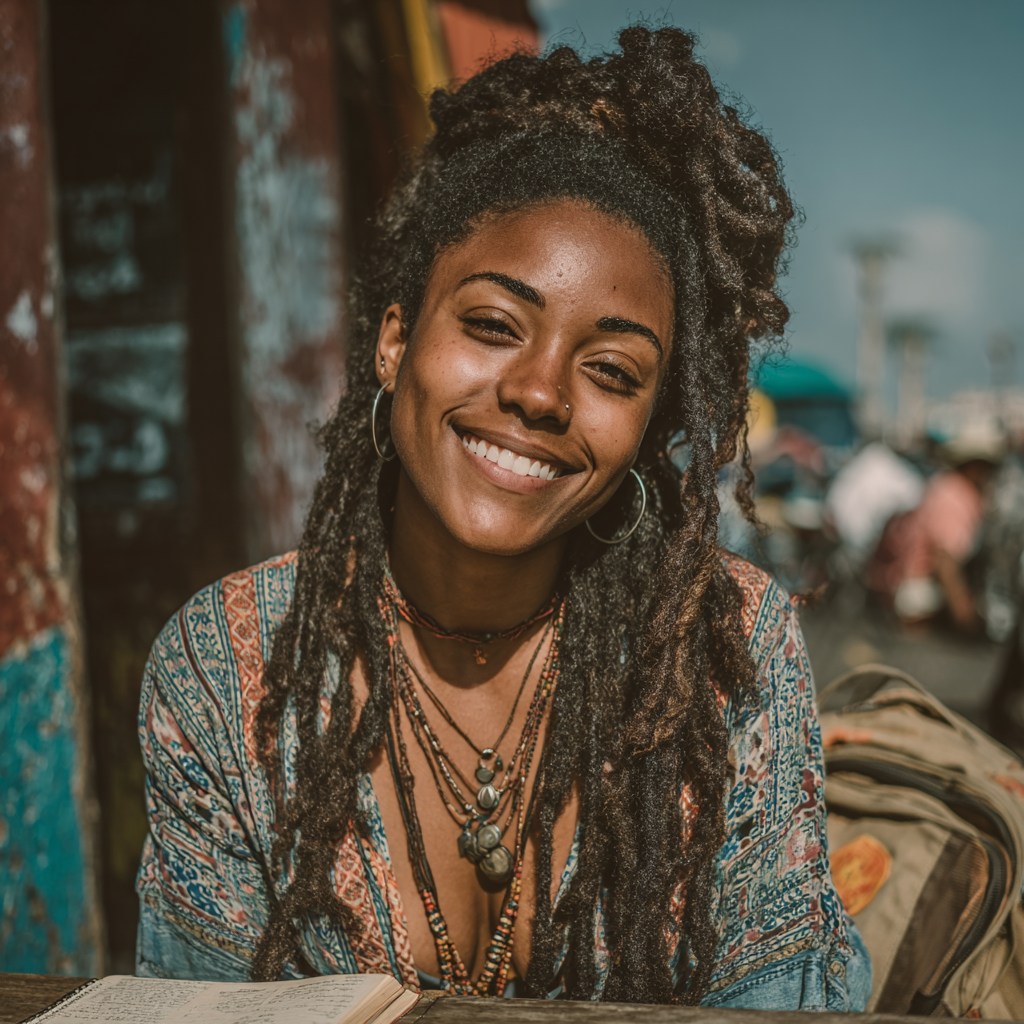
About Maya Johnson
Solo travel evangelist and digital nomad veteran. Maya has spent six years traveling alone across 50+ countries on a freelance writer budget. She writes honest, practical guides for women who want to explore the world independently and safely.
More by Maya Johnson