
Tallinn, Estonia: Where Medieval Elk Soup Costs €8 and Modern Nordic Tasting Menus Cost Half What They Would in Copenhagen
Tallinn does not announce itself as a food city. Visitors arrive for the medieval walls, the turrets, the fairy-tale silhouette of the Old Town. They do not expect to eat well. This is their mistake. Estonia's capital has spent the last decade quietly building one of the most interesting small food scenes in Europe, wedged between Nordic discipline and Baltic practicality, with prices that still allow serious experimentation.
The first thing to understand is the bread. Estonians treat rye bread — leib — with a reverence that borders on the spiritual. It is not a side dish. It is the foundation. The black, dense loaf, slightly sour, slightly sweet, appears at every meal. At the Baltic Station Market (Balti Jaama Turg), Kopli 1, near the Old Town's northern edge, the bread hall on the upper floor sells loaves from a dozen small bakeries. Try the one from Pagaripoisid, a Tallinn chain that started in 1993. Their rye has a chewy crust and a molasses depth that makes butter unnecessary. A half-kilo loaf costs around €3. The market is open daily from 9:00 AM to 6:00 PM (8:00 PM on Fridays), and the bread hall is at its best on Saturday mornings when the bakers deliver fresh.
This market is the best starting point for understanding what Estonians actually eat. It occupies a restored railway warehouse with three floors. The ground level has produce — forest mushrooms in late summer, root vegetables in winter, herring from the Baltic in jars of brine or cream. The top floor is where the prepared food lives. There is a stall run by an older woman from Saaremaa island who sells kama, a traditional flour mix of roasted barley, rye, oat, and pea. Estonians blend it with sour milk or yogurt for breakfast. It tastes like earth and grain, something a Viking might have eaten before raiding. It costs €2 for a small bag.
For a proper introduction to Estonian cooking, go to III Draakon, a tiny tavern tucked into Raekoja plats 1, in the heart of Town Hall Square in the Old Town. There are no menus, no cutlery, and no coffee. The staff — dressed in medieval costume — serves elk soup, spicy pickles, and honey beer in ceramic mugs. A bowl of soup and a pastry costs €8. It is theatrical, yes, but the food is honest. The elk is locally hunted, the pastries are made fresh, and the experience forces you to confront how Estonians ate for centuries. Go early — the soup often runs out by 2:00 PM. They are open 9:00 AM to 11:00 PM daily, though the kitchen slows dramatically after 8:00 PM.
The modern face of Estonian dining lives outside the Old Town walls, in the Kalamaja district and the Telliskivi Creative City. Telliskivi is a former industrial complex northwest of the center, now filled with design shops, breweries, and restaurants. At F-Hoone, Telliskivi 60A, an early pioneer of the area, the menu changes seasonally but always includes Estonian ingredients treated with Scandinavian minimalism. A recent lunch menu offered roasted Jerusalem artichoke with smoked pork belly and lingonberries for €14. The space is cavernous — high ceilings, exposed brick, long communal tables — and fills with young Estonians by 12:30 PM. Open Monday to Friday 11:30 AM to 11:00 PM, Saturday 12:00 PM to 11:00 PM, Sunday 12:00 PM to 9:00 PM. No reservations for lunch; book dinner a day ahead.
For something more precise, walk to 180 Degrees, at the Hotel Schlössle, Pikk 39/47, in the Old Town. The chef, Matthias Diether, cooks modern Nordic with Estonian roots. The tasting menu runs €85 and includes dishes like Baltic herring with fermented potato and dill oil, or venison with black garlic and sea buckthorn. The wine pairing adds €55. This is the most serious kitchen in Tallinn, and it deserves comparison to Copenhagen or Stockholm — at roughly half the price. Reserve at least a week ahead, especially for weekend tables. Dinner only, Tuesday to Saturday, 6:00 PM to 10:00 PM. Smart casual dress.
Seafood dominates the Estonian table, as it should. The Baltic Sea is right there. At NOA, Ranna tee 3, perched on the Viimsi peninsula a 15-minute taxi ride from the center, the view across the water to Finland competes with the food. The restaurant's name means "coast" in Estonian. The menu is fish-forward: Baltic herring tartare with horseradish ice cream, pike-perch with white asparagus and brown butter. Mains run €25–€35. The sunset tables, facing west across the Gulf of Finland, are the most sought-after in summer. Book online — they release tables two months ahead. Open Tuesday to Sunday, 12:00 PM to 10:00 PM; closed Mondays. The terrace is weather-dependent, so call ahead if the forecast looks Baltic.
For a more casual fish experience, find Kala Najal, a small counter in the Baltic Station Market's food hall on the top floor. They serve grilled Baltic herring on black bread with pickled onion and sour cream. It costs €5. The herring is caught locally, grilled to order, and eaten standing at a high table. This is how Estonians have eaten fish for generations — not plated, not precious, just fresh and direct. Open during market hours, 9:00 AM to 6:00 PM daily.
The drinking culture in Tallinn splits between two traditions. There is the medieval honey beer and berry wine served at taverns like Olde Hansa, Vene 1, where the menu warns that "the food is authentic and so are the portions." A mug of honey beer costs €6. It is sweet, thick, and potent. Olde Hansa is open 11:00 AM to 11:00 PM daily, though the kitchen closes at 10:00 PM. Then there is the craft beer revolution, led by Põhjala Brewery. Founded in 2011, Põhjala produces imperial stouts, barrel-aged sours, and IPAs in a warehouse in the Nõmme district. Their taproom, Põhjala Tap Room, at Peetri 5 in the city center, offers flights of six beers for €12. The Öö imperial stout — 10.5% ABV, brewed with oats and dark malts — is their flagship. It tastes like liquid black bread. Open Monday to Thursday 12:00 PM to 10:00 PM, Friday to Saturday 12:00 PM to midnight, Sunday 12:00 PM to 8:00 PM.
For spirits, Estonians drink viin — vodka — and kali, a fermented rye bread drink that tastes like a non-alcoholic beer crossed with kvass. The real discovery is Estonian cider. The climate, with its cold winters and long summer light, produces apples with high acidity and sugar. Jaanihanso, a cidery in southern Estonia, makes traditional-method sparkling ciders from heirloom varieties. Their dry cider, available at restaurants like Fotografiska Tallinn, has the mineral backbone of Norman cider with Nordic restraint. A bottle at retail costs €8. Fotografiska Tallinn, at Telliskivi 60A-8, also serves an excellent seasonal menu and stays open until 11:00 PM on weekends, making it one of the few late-night options in the city.
Coffee culture in Tallinn has exploded. The Estonians take their caffeine seriously. At Gourmet Coffee, Roseni 7, in the Rotermann Quarter — a restored 19th-century industrial area between the Old Town and the port — the baristas compete in national championships. A flat white costs €3.50 and is as precise as anything in Melbourne. The space, in a former flour mill, has original brick walls and steel beams. It opens at 8:00 AM and fills with freelancers by 9:00. Monday to Friday 8:00 AM to 7:00 PM, Saturday 10:00 AM to 6:00 PM, closed Sunday.
For a more local coffee experience, find Kohvik Sesoon, Videviku 30, in the Uus Maailm neighborhood, south of the center. This tiny cafe opens at 10:00 AM and closes when the baked goods run out — usually by 3:00 PM. The owner bakes cinnamon rolls (kaneelirullid) every morning. They are dense, sticky, and heavily spiced, closer to the Finnish korvapuusti than the American cinnamon roll. A roll and a filter coffee costs €4. Wednesday to Sunday 10:00 AM to 3:00 PM, closed Monday and Tuesday. Arrive before 11:00 AM for the best selection.
Breakfast in Tallinn is not a tourist spectacle. It is fuel. At Kohvik August, Estonia puiestee 1, near the National Opera, the morning menu offers porridge with pumpkin seeds and cloudberry jam, or open-faced sandwiches with smoked salmon and dill. The porridge costs €5 and arrives in a heavy ceramic bowl, dense enough to keep you full through a morning of walking cobblestones. The cafe opens at 8:00 AM and is half-full by 8:30 with locals reading newspapers. Monday to Friday 8:00 AM to 6:00 PM, Saturday 9:00 AM to 5:00 PM, closed Sunday.
For a lunch that teaches you something, go to the Estonian Open Air Museum — a 30-minute bus ride on line 21 from the center — and eat at the Kolu Inn, a restored 19th-century tavern on the museum grounds. The museum is at Vabaõhumuuseumi tee 12, Rocca al Mare. The menu is traditional: pea soup with smoked pork, blood sausage (verivorst) with sauerkraut, herring with boiled potatoes. A full plate costs €10. The blood sausage, made with barley and pork blood, has a mineral, earthy flavor that surprises first-timers. It is an acquired taste, but it is the taste of Estonian winter. The museum is open daily 10:00 AM to 6:00 PM (May to September), 10:00 AM to 4:00 PM (October to April). The inn operates during museum hours.
The restaurant to watch is Härg, a steakhouse at Roseni 10 in the Rotermann Quarter that opened in 2022 and has already earned a local following. The chef sources Estonian beef — rare in a country where dairy, not meat, dominates agriculture — and dry-ages it in-house. A 300-gram ribeye costs €32 and comes with roasted bone marrow and pickled mushrooms. The room is small, 30 seats, with exposed concrete and butcher paper on the tables. It feels like Tallinn's culinary confidence distilled: local product, straightforward preparation, no Nordic preciousness. Open Tuesday to Saturday, 5:00 PM to 11:00 PM; closed Sunday and Monday. Reservations essential.
For dessert, find the marzipan. Tallinn claims to have invented it — a disputed claim, but the city has been producing almond paste since the 15th century. At the Kalev Marzipan Museum Room, Pikk 16, in the Old Town, you can watch demonstrations and buy figures shaped like animals and flowers. A small box costs €6. Open daily 10:00 AM to 6:00 PM. Better yet, find the almond cake at Maiasmokk, Pikk 16, the oldest operating cafe in Tallinn, founded in 1864. The cake is light, nutty, and not overly sweet. A slice with coffee costs €5. The interior has not changed much since the 19th century — marble tables, gilt mirrors, slow service. Open daily 9:00 AM to 9:00 PM.
What to Skip
- Olde Hansa for a full dinner. The atmosphere is unmatched, but the food is overpriced for what it is. Go for one honey beer and a pastry, then eat elsewhere. The elk soup at €15 is nearly double the price at III Draakon for the same tradition.
- The restaurants on Raekoja plats, the main Town Hall Square. They are uniformly mediocre — designed for cruise passengers with three hours on shore. Walk ten minutes in any direction and the quality doubles while the price drops.
- The "medieval feast" dinner packages sold by hotels and tour operators. They are neither medieval nor feasts, and the food is usually reheated banquet fare at tourist prices.
- Any restaurant claiming "Nordic cuisine" without naming a single Estonian supplier. The real kitchens source locally and name names. If the menu reads like it could be in Stockholm, it probably should be.
- Late-night dining without a plan. Most kitchens close by 10:00 PM, even on weekends. The exceptions are in the Telliskivi area, where Fotografiska Tallinn serves until 11:00 PM, and a few hotel restaurants. If you want a late dinner, book ahead or accept that Estonians eat on schedule.
Practical Logistics
- Getting around: Tallinn's Old Town is entirely walkable. For the Kalamaja district and Telliskivi, walk north from the Old Town (15 minutes) or take tram 1 or 2 to the "Balti jaam" stop. The Rotermann Quarter is a 10-minute walk east of the Old Town. NOA requires a taxi or ride-share; the journey from the center takes 15 minutes and costs €8–€12. The Estonian Open Air Museum is reachable by bus line 21 from the city center (30 minutes).
- Best times to eat: Estonians eat lunch early, usually 12:00 PM to 1:30 PM. Dinner starts at 6:00 PM and most kitchens close by 10:00 PM. The Baltic Station Market is best visited on Saturday mornings. III Draakon runs out of soup by early afternoon.
- Money and tipping: Prices are in euros. Estonia adopted the euro in 2011. Tipping is not mandatory but appreciated — round up or leave 10% for good service. Most restaurants accept cards, but the market stalls and some smaller cafes prefer cash.
- Language: English is widely spoken in restaurants and cafes. Estonian is a Finnic language, closely related to Finnish, and unrelated to Latvian, Russian, or any Indo-European language. A few words help: Tänan (thank you), Jah (yes), Ei (no), Kas teil on...? (Do you have...?).
- Seasons: Summer (June to August) is peak season — long daylight, terrace dining, and the best herring. The Baltic Station Market overflows with berries and mushrooms in August. Winter (November to March) is cold and dark, but the Christmas Market in Town Hall Square (late November to early January) is one of Europe's most atmospheric. Blood sausage and elk soup taste better in the cold. Spring and autumn are shoulder seasons with fewer crowds and more available tables at 180 Degrees and NOA.
- Daily budget: A frugal day — market breakfast, casual lunch, beer at Põhjala — costs €25–€35. A comfortable day with one serious meal — breakfast at Kohvik August, lunch at F-Hoone, dinner at Härg — costs €55–€75. A splurge day with the tasting menu at 180 Degrees and wine at NOA costs €150–€180. For context, the same 180 Degrees tasting menu would cost €140+ in Copenhagen.
- Reservations: Book 180 Degrees and NOA at least a week ahead, especially for weekend tables. Härg requires reservations for dinner. F-Hoone does not take lunch reservations. III Draakon does not take reservations at all — arrive early and queue.
- Special dietary needs: Vegetarian options are increasingly common, especially at F-Hoone and Telliskivi restaurants. Veganism is less mainstream outside the creative districts. Gluten-free diners should note that rye bread is inescapable in Estonian cuisine. Notify restaurants in advance for serious allergies.
The final thing to know about eating in Tallinn is that it is still affordable. A serious dinner with wine at 180 Degrees costs less than a mediocre meal in Oslo or Copenhagen. The Baltic Station Market lunch costs less than a sandwich in London. This will not last — the city is growing, prices are rising, the cruise ships keep coming — but for now, Tallinn offers one of the best value-to-quality ratios in Northern Europe. Eat there before the rest of the world figures it out.
Written by Sophie Brennan, Irish food writer and historian. Sophie combines her background in medieval history with a passion for contemporary gastronomy. Last updated: July 18, 2026.
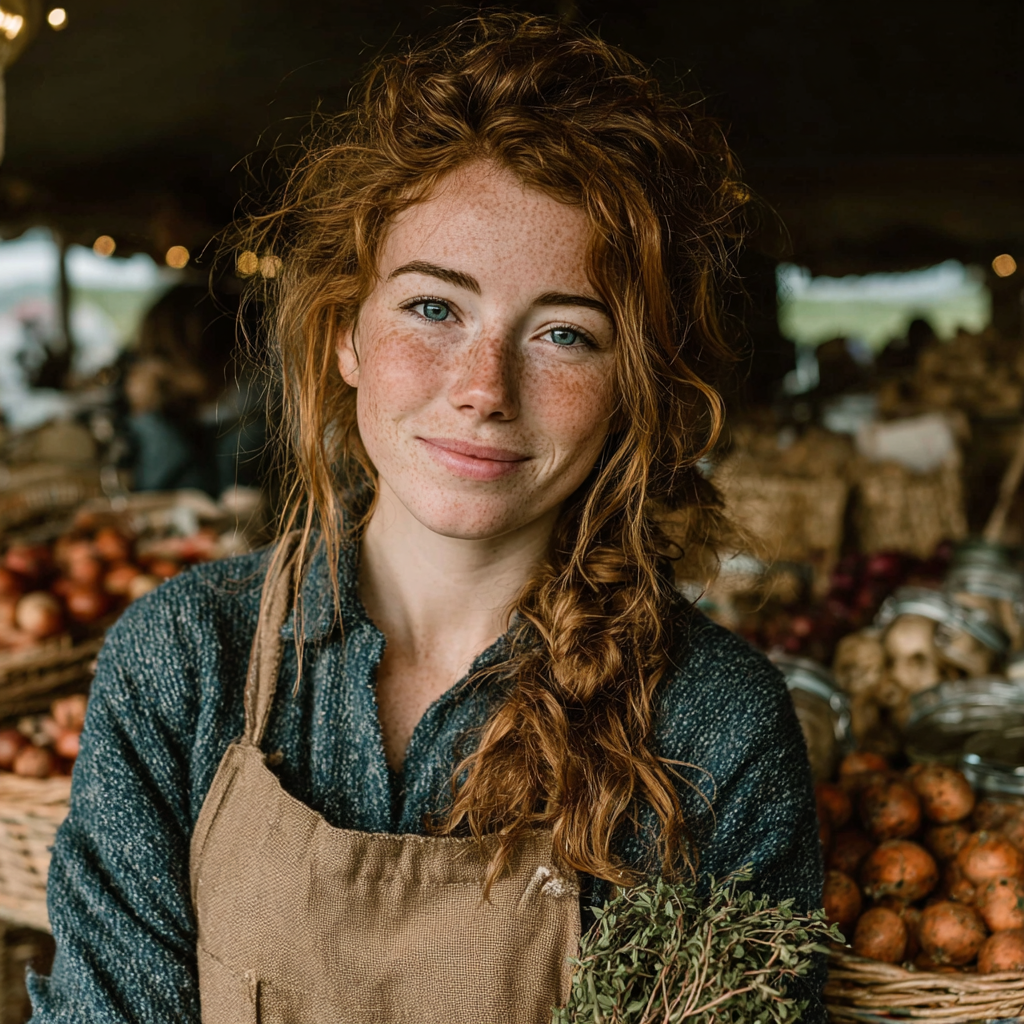
By Sophie Brennan
Irish food writer and historian based in Lisbon. Sophie combines her background in medieval history with a passion for contemporary gastronomy. She has written for Condé Nast Traveller and authored two cookbooks exploring Celtic and Iberian culinary traditions.