
Most travelers treat San Salvador as a transit point. They land at Monseñor Romero International, check the bus schedule to Santa Ana or the surf breaks of El Tunco, and leave before the city shows its face. This is a mistake. San Salvador is not a pretty city, and it does not try to be. What it offers is something harder to find: a place where Mayan, colonial, and civil war histories layer over each other in raw, visible ways, and where a volcano still watches over everything from the edge of the urban sprawl. I came for a two-day stopover and stayed a week. The city rewards the curious and tests the casual—and this guide will make sure you are the former.
The Historic Center: Grit and Glass
Start at Plaza Libertad, the city's functional heart and its symbolic birthplace—this is where the indigenous settlement of Cuscatlán once stood, and where El Salvador's independence movement was announced in 1821. Today, street vendors sell sliced mango with chili powder, buses honk from every direction, and the Metropolitan Cathedral looms on one side. The cathedral is the third to stand on this spot; the first two were destroyed by earthquakes in 1873 and 1986. Inside is the tomb of Archbishop Óscar Arnulfo Romero, assassinated on March 24, 1980, while celebrating Mass at the Capilla del Hospital Divina Providencia across town. His canonization in 2018 drew crowds from across Latin America. The cathedral is open daily from 8:00 AM to 4:00 PM, and entry is free.
Two blocks west, at Avenida España and Calle Delgado, Iglesia El Rosario looks like a concrete bunker from the outside. Locals call it "the cheese grater." Walk through the deliberately low entrance—the architect, Rubén Martínez, designed it to force humility—and the interior explodes into color: a thousand pieces of stained glass arranged in arcs across the ceiling, throwing reds, blues, and greens onto the stone floor as the sun moves. Morning light is best, between 8:00 and 10:00 AM. There is no entry fee, though the church closes between noon and 2:00 PM.
The National Palace sits across the plaza, rebuilt after the 1986 earthquake. The original 1911 building mixed neoclassical, Renaissance, and Gothic elements. The current version is more restrained, but the interior courtyards still carry the weight of a building that housed every Salvadoran government from 1911 until 2003. Entry costs $3, and guided tours in Spanish run every hour. The Teatro Nacional, two blocks south on Calle Delgado, dates to 1917 and has a gilded ceiling painted by Swiss artist Carlos Alberto Imhoff. Tour the building for $2 between 9:00 AM and 4:00 PM on weekdays; performances run $10–$30 when the national symphony or ballet is on.
The historic center has undergone a dramatic transformation. In 2015, this area registered 136 homicides; in 2024, none. More than 15,000 formal jobs have been created here since the security crackdown began, and new cafés, bookstores, and design shops are opening in restored buildings along Calle Delgado and Avenida España. The Cine Libertad, a 1940s movie palace, is being restored as a cultural center. Visit on a weekday morning when the area hums but does not overwhelm.
The War, in Stone
From the historic center, walk fifteen minutes southeast to Parque Cuscatlán, one of the few genuinely pleasant green spaces in the city, with mature trees and a small amphitheater. At its eastern edge stands the Monumento a la Memoria y la Verdad, a wall of black granite engraved with over 75,000 names of civilians killed during the Salvadoran Civil War (1980–1992). The wall was unveiled in 2003, eleven years after the peace accords, and it is still growing as new names are added. Walk the full length. It takes about ten minutes, and the alphabetical ordering means relatives and neighbors appear next to each other, accidental pairings that say more than any museum label. Volunteers from the Museo de la Palabra y la Imagen maintain the monument.
For deeper context, the Museo de la Palabra y la Imagen, at Calle Gabriela Mistral #15 in the same neighborhood, documents the war through photographs, propaganda posters, and recorded testimonies. The museum occupies a modest two-story house. Entry is $2, closed Sundays, opens at 9:00 AM. The permanent exhibition includes a haunting series of photographs by Spanish photojournalist Ramón Navarro and a collection of recovered wartime letters. Allow ninety minutes.
Joya de Cerén: The Other Pompeii
San Salvador's most significant archaeological site is not in the city. Joya de Cerén, a Mayan farming village buried by the eruption of Lomo Caldera around 600 AD, lies 36 kilometers northwest near the town of San Juan Opico. The ash preserved structures in extraordinary detail: a thatched kitchen with intact ceramic pots, a sweat bath with benches, a storehouse with maize and beans still in their containers. UNESCO designated it a World Heritage Site in 1993, El Salvador's first and only. Around 200 people lived here; they had time to flee but not to salvage their belongings, which is precisely why the site matters—this is not a temple complex but a snapshot of ordinary Mesoamerican life.
The site is open Tuesday through Sunday, 9:00 AM to 4:00 PM. Entry is now $10 for foreigners. The on-site museum displays additional artifacts and explains the volcanic geology. Budget two hours. Getting there without a car: take bus #201 toward San Juan Opico from Terminal de Occidente ($1), get off at the Desvío de Opico, then catch a local bus or motorcycle taxi the remaining 4 kilometers. Tour operators like EC Tours offer half-day trips for $85–$215 depending on group size, usually combining Joya de Cerén with El Boquerón volcano. An Uber from nearby San Andrés ruins costs about $4.
The Volcano at the Edge of Town
Volcán San Salvador, also called El Boquerón, rises 1,800 meters above the city. The national park entrance is a 40-minute drive from the center, or take bus #101 from Terminal de Occidente to Quezaltepeque and walk 3 kilometers uphill. The trail to the crater rim is 1.5 kilometers and takes 45 minutes. The crater is five kilometers across and 550 meters deep, and a smaller cinder cone, El Boqueroncito, sits on its floor like a scale model of the whole thing.
The park charges $2 entry. Bring water and a jacket—the temperature drops from 30°C in the city to 18°C at the summit. The pine forest feels like a different country after the noise of downtown. On clear mornings, you can see the Pacific Ocean from the rim. For breakfast with a view, stop at Café 1,200 (Km 17.5 on the road up the volcano), named for its altitude, which pours excellent Salvadoran coffee and serves sandwiches around $8. The terrace overlooks the entire city below.
Art, Memory, and Museums
San Salvador punches above its weight in museums. The Museo de Arte de El Salvador (MARTE), on Avenida La Revolución in Colonia San Benito, houses the country's best collection of Salvadoran painting and sculpture, including works by modernist Carlos Cañas and contemporary muralist Alfredo Mármol. The building itself is a 1970s brutalist box that works better inside than out. Entry is $3, open Wednesday to Sunday, 10:00 AM to 6:00 PM. The sculpture garden behind the museum is free and worth a quiet fifteen minutes.
Two blocks north, the Museo Nacional de Antropología Dr. David J. Guzmán (MUNA) occupies a sprawling complex at the corner of Avenida La Revolución and the Pan-American Highway. Founded in 1883, it is one of Central America's oldest museums, with five halls tracing Salvadoran history from Paleoindian migration through the Maya classic period to the present. Entry is $3; hours are 10:00 AM to 6:00 PM, Tuesday through Sunday. Check ahead for temporary exhibitions, which have ranged from surf culture (controversially displacing some archaeology displays) to the 1917 volcanic eruption that reshaped the city.
Coffee Country Comes Home
El Salvador's volcanic soil produces some of the world's best coffee—the Apaneca-Ilamatepec region west of the city grows high-altitude bourbon varietals that regularly place in Cup of Excellence competitions. In San Salvador, that heritage has become a café culture worth seeking out.
Alquimia Coffee, at Calle Circunvalación #294 in Colonia San Benito, is the flagship. Founded by Federico Bolaños, the most decorated coach in World Barista Championship history, it operates like a sensory laboratory—open bar, TDS meters, and an "Elements" tasting menu that interprets earth, fire, air, and water through coffee preparations. Open daily, 8:00 AM to 8:00 PM. A pour-over costs around $4. Viva Espresso in Plaza Futura is the city's original specialty shop, and their "Café Brujo" blend has national fame. Café Luz Negra, near MARTE, roasts single-origin lots and stays open late by San Salvador standards (weekdays until 7:00 PM). For beer, Cadejo Brewing Company near Zona Rosa pours its own IPAs and stouts in a converted warehouse; pints run $4–$5.
Eating Without Pretension
Pupusas are the national dish, and San Salvador is where you eat them at their source. These thick corn tortillas stuffed with cheese, beans, pork (chicharrón), or loroco (an edible flower) cost $0.50 to $1.00 each at street stalls and pupuserías. The classic combination is revueltas: beans, cheese, and pork mixed together. Order two or three, cover them with curtido (fermented cabbage slaw) and tomato salsa, and eat with your hands. Pupusería Doña Isabel, near Parque Cuscatlán, has been operating since 1985 and opens at 7:00 AM. For a late-night option, the cluster of stalls on Boulevard de los Héroes serves until 11:00 PM.
The Mercado Central, three blocks east of Plaza Libertad, sells everything from fresh seafood to motorcycle parts. It is chaotic, loud, and occasionally pungent, but it is the real commercial artery of the city. Try atol de elote, a hot corn drink sold at market stalls for $0.75 a cup, or pick up a bag of roasted peanuts for the bus ride.
For sit-down meals, the San Benito and Zona Rosa neighborhoods hold the city's best kitchens. El Xolo Maíz serves Salvadoran cuisine with modern technique—think squash-blossom pupusas and fermented curtido—in a sleek room on Calle La Mascota. Brutto, in Zona Rosa, does shareable plates with a DJ on weekends; mains run $12–$18. Al Pomodoro, also Zona Rosa, remains the city's most reliable Italian trattoria, with wood-fired pizzas around $14. Clavo & Canela in Miramonte serves excellent breakfasts—two people can eat well for under $20. For something quick and local, a "pan con pollo" (shredded chicken sandwich) from any mercado stall costs about $2.50.
Where the City Lives
The Zona Rosa, roughly centered on Boulevard de los Héroes and the streets south of it, and adjacent Colonia San Benito form the city's restaurant, bar, and boutique-hotel corridor. This is where the city's small middle class socializes. Prices here approach North American levels: expect $10–$15 for lunch, $4–$5 for a craft beer. It is safe to walk these streets after dark, something that would have been unthinkable a decade ago. The streets around MARTE and the Teatro Presidente have the densest concentration of bars; Nómada, a cocktail bar run by traveling chef Óscar Peña, pours excellent mezcal drinks and changes its food menu constantly.
Colonia Escalón, a short ride east, is older money and tree-lined avenues, anchored by Galerías Escalón mall and the Paseo General Escalón dining strip. The most interesting colonial-era architecture outside the historic center survives here. Further out, Antiguo Cuscatlán has become a gastronomic satellite town, with Nómada's sibling restaurants and 4 Monkeys Coffee Roasters—the roastery of 2011 World Barista Champion Alejandro Méndez—brewing world-class cups in La Sultana.
Day Trips: Suchitoto and Ilopango
If you have a second day, Suchitoto is the logical escape. This colonial town 47 kilometers northeast sits above Lago Suchitlán, a reservoir formed by the Cerrón Grande dam. The cobblestone streets, whitewashed houses, and 1853 Santa Lucía Church draw Salvadoran weekenders more than foreign tourists. The town is also the center of El Salvador's indigo revival; workshops at Arte Añil cost $10 and last ninety minutes. Buses leave from Terminal de Oriente every thirty minutes, take ninety minutes, and cost $1.50. The Casa de los Once Patios sells crafts from across the country.
Closer to the city, Lago de Ilopango is a crater lake formed by a massive eruption around 260 AD. The water is warm, mineral-rich, and turquoise. Several operators at the main access point in Apulo rent kayaks for $5 an hour. Reach Apulo by bus from Terminal de Oriente in forty minutes. Restaurants along the shore serve fried tilapia with patacones for $8–$10, and the lakeside seafood soup is a legitimate reason to make the trip on its own.
What to Skip
Skip the Multiplaza and Metrocentro malls. They are air-conditioned and functional, but you did not come to El Salvador for indoor shopping. Skip the volcano boarding that some tour operators advertise at Santa Ana; it is a niche activity imported from Nicaragua and the conditions are not consistent. Skip any tour that promises "gang culture" sightseeing—the reality of El Salvador's transformation is more interesting than any misery tourism, and the communities deserve better. Skip walking around the historic center after dark alone; the area is improving rapidly, but basic caution still applies. And skip the airport taxi sharks—use Uber from the official pickup zone.
Safety and Logistics
El Salvador's security situation has shifted dramatically since March 2022, when the state of exception suspended constitutional protections and flooded the streets with military patrols. Homicide rates have dropped from among the world's highest to levels comparable with some European countries. The trade-off is an authoritarian turn that has drawn criticism from human rights organizations for mass detentions and due process concerns. For travelers, the practical effect is visible: soldiers at bus stops, road checkpoints, and an atmosphere of enforced calm. Most Salvadorans will tell you the trade is worth it; some families search detention lists for missing relatives. Understanding both truths is part of understanding the country.
Use Uber or the local app InDrive rather than street taxis. They are cheaper and safer—most rides within the city cost $3–$6. Carry cash—many small businesses do not accept cards. US dollars are the currency; El Salvador adopted the dollar in 2001 and added Bitcoin as legal tender in 2021, though few places actually accept it. Budget $35–$50 per day excluding accommodation. A decent hotel in Zona Rosa runs $40–$70 per night; hostels near the historic center start at $12 for a dorm bed.
Monseñor Romero International Airport is 50 minutes from the city by car; a taxi or Uber costs $25–$35. The dry season runs November through April—this is the best time to visit the volcano and Joya de Cerén, as the trails turn to mud during the May-to-October rains. September 15 is Independence Day, with parades and closed streets. March 24 is the anniversary of Romero's assassination, marked by mass at the cathedral and processions to his tomb. August 1–7 is the Fiestas de Agosto, the city's patron-saint festival, when the historic center fills with food stalls and marimba bands.
San Salvador does not reward the casual visitor. It demands a full day, comfortable shoes, and a tolerance for noise and contradiction. The volcano is still active—the last eruption was in 1917, and seismic swarms in 2023 reminded everyone that the ground here is never entirely still. The war ended just three decades ago. The city is rebuilding again, as it has after every earthquake and eruption, with the same stubborn energy that defines it. That energy is the point. Come see it while the layers are still visible.
Elena Vasquez has spent fifteen years documenting how Latin American cities carry their histories—in their architecture, their markets, and the stories people tell strangers. She writes about culture, food, and memory, and firmly believes the best travel writing starts with listening.
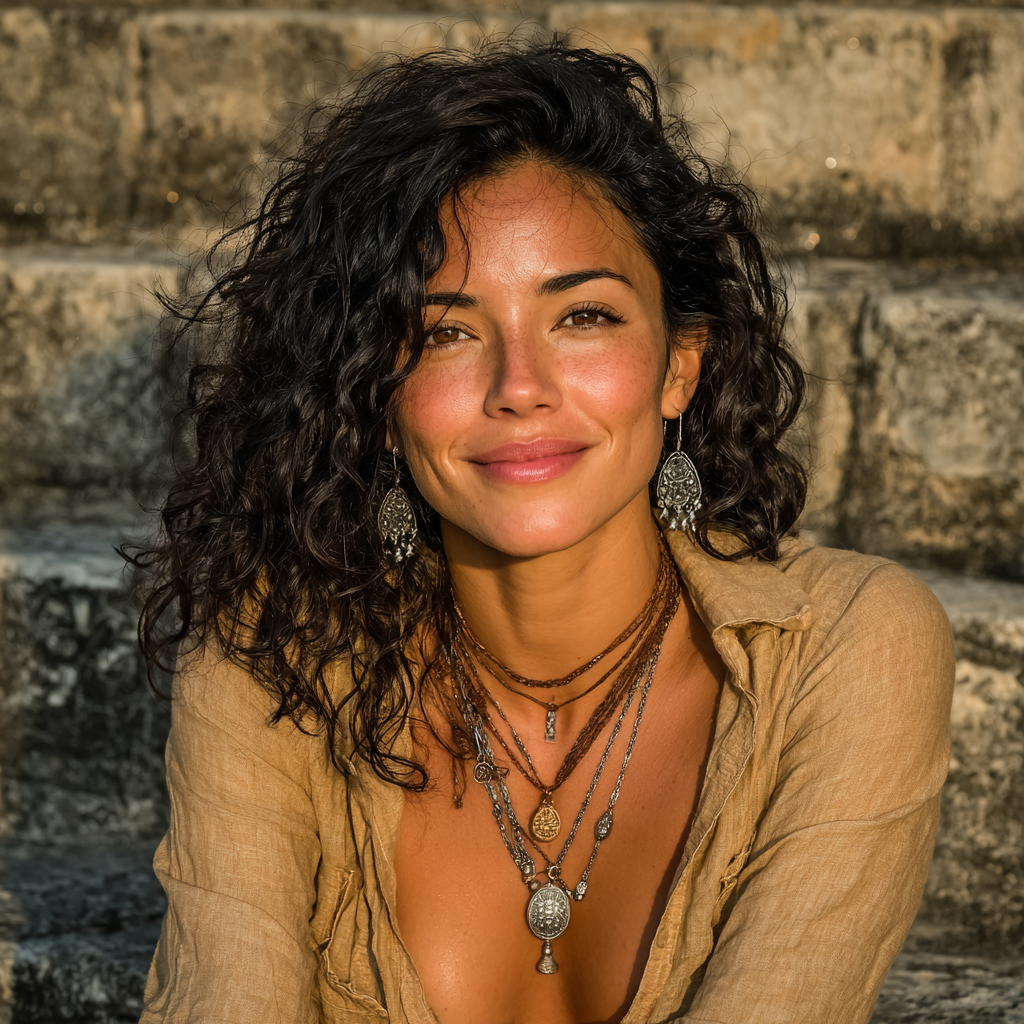
By Elena Vasquez
Cultural anthropologist and culinary storyteller. Elena spent a decade documenting traditional cooking methods across Latin America and the Mediterranean. She holds a PhD in Ethnography from Barcelona University and believes the best way to understand a place is through its kitchens and ancient streets.