
Cairo's Real Kitchen: Street Food, Stuffed Pigeons, and the Art of Eating Like a Local
By Sophie Brennan | Irish food writer and historian based in Lisbon
I have eaten breakfast in a Lisbon tasca at 7 AM, lunch in a Barcelona mercado at noon, and dinner in a Naples back alley at midnight. None of it prepared me for Cairo. This is a city where food is not an experience to be curated — it is fuel, culture, argument, and hospitality compressed into a bowl that costs less than a metro ticket. The first time I tried koshari at Abou Tarek, a man at the next table leaned over and said, "You need more vinegar." He was right. That is Cairo in miniature: direct, generous, and absolutely certain about what you should be eating.
Most visitors to Cairo eat twice: once at the hotel buffet and once at an overpriced restaurant near the pyramids. Both meals taste like regret. The real food of the city is on the street, in neighborhoods where no one asks to see your ticket for the Sphinx, and where the prices have not been inflated since 2011.
Cairo runs on carbohydrates and legumes. The Egyptian breakfast is not a light affair. Walk into any corner shop before 10 AM and you will find ful medames, fava beans cooked slowly in a large metal urn called an idra until the texture is somewhere between stew and paste. The good places add cumin, lemon, and chopped parsley. The great ones have been doing this for decades.
Felfela, at 15 Hoda Shaarawi Street in Downtown Cairo's Bab Al Louq district, has been serving ful since 1959. The restaurant opens daily from 9 AM to midnight, though the breakfast crowd thins out by 10:30 AM. A bowl of ful costs around 25 EGP. Order it with taameya, the Egyptian falafel made from fava beans rather than chickpeas. It is flatter, greener, and crispier than the Lebanese version. Felfela also runs a takeaway counter around the corner on Talaat Harb Street for faster, cheaper service — the same food, half the sitting time.
For a purely local experience, Gad operates as a chain with outlets across the city, including Downtown and Mohandessin. A taameya sandwich runs 15 to 20 EGP. Eat it with aish baladi, the whole wheat flatbread that Egyptians use as utensil, plate, and napkin. It costs next to nothing and arrives warm from the oven. Gad opens early, typically by 6 AM, and stays busy until mid-afternoon.
The Midday Meal: Koshari and Hawawshi
The midday meal in Cairo belongs to koshari. This is Egypt's contribution to the canon of perfect cheap food: rice, brown lentils, macaroni, chickpeas, and fried onions, layered in a bowl and covered with tomato sauce, garlic vinegar, and hot sauce. The dish is naturally vegan, filling enough to power a manual laborer through a ten-hour shift, and costs less than a cappuccino in most European cities.
Abou Tarek on 16 Maarouf Street in Downtown Cairo — at the intersection with Champollion Street — has been serving it since 1950 and remains the reference point. The restaurant now occupies four floors, each with its own open kitchen to keep the line moving. It opens daily from 7 AM to around midnight. A medium bowl costs 45 to 60 EGP. The large will feed two people for under 100 EGP. The place is loud, crowded, and not remotely comfortable. The koshari arrives in under five minutes. That is the point. Phone: +20 02-25775935. Do not skip the extra vinegar and hot sauce — the staff will notice, and they will judge you for it.
For those willing to venture beyond Downtown, Koshary El Rahmani in Shubra El Kheima — at 67 Abd El-Hameed El-Deeb Street — operates 24 hours a day and serves what many locals consider the most authentic koshari in Greater Cairo. Take Metro Line 2 to Shubra El Kheima station, then walk or grab an Uber. The shop has no website, no English menu, and a queue that moves fast.
If you want protein at lunch, find hawawshi. This is minced meat stuffed into aish baladi and baked in a screaming hot oven until the bread is crisp and the meat inside is still juicy. El Prince in Sayeda Zeinab has been making it since 1965. A classic beef hawawshi costs 50 to 70 EGP. They also make versions with sausage, pepper, and cheese. The place has no menu, no website, and no patience for dithering. Order at the counter, eat at the standing tables outside, and move on. Sayeda Zeinab is also home to Kebdet El Prince, run by the same family, serving Egyptian home cooking: molokhia, a soup of jute leaves that has the texture of okra and divides visitors immediately. Egyptians eat it with rice, chicken, or rabbit. A plate costs 80 to 120 EGP. The brain sandwiches are 40 EGP and are exactly what they sound like. The liver, cooked with garlic and chili, is better than it has any right to be.
Afternoon: Feteer, Juice, and the Cairo Heat
The afternoon snack in Cairo is feteer. This is Egyptian layered pastry, somewhere between a pie and a flatbread, baked in a wood-fired oven. The savory versions come with cheese, minced meat, or sausage. The sweet ones with honey, cream, or coconut. Feteer Al Hamed in Heliopolis has been making them since the 1980s. A large feteer, enough for two, costs 60 to 100 EGP depending on filling. It arrives at your table still bubbling from the oven. Eat it immediately. It does not improve with waiting.
Cairo also has a serious juice culture. The stands on Talaat Harb and in the alleys around Khan el-Khalili squeeze sugarcane, mango, and orange to order. Fresh sugarcane juice, asir qasab, costs 10 to 20 EGP and is the correct response to 40-degree heat. The mango juice in season, from June to September, is thick enough to eat with a spoon. Do not buy juice from pre-bottled containers. The whole point is the machine in front of you, the man feeding cane through the press, the foam rising in your glass.
Dinner: Two Cairos, One Choice
For dinner, the city divides. One Cairo eats at Sequoia in Zamalek, on the Nile, where a meal for two costs 1,500 EGP and the view is the main course. The other Cairo eats on the street. At Bab El-Fotouh, near the old city gates, vendors set up after sunset selling grilled corn, sweet potatoes roasted in charcoal, and baladi bread fresh from clay ovens.
In Sayeda Zeinab, the area around El Azhar Mosque fills with stalls selling grilled liver, sausages, and pigeon. Hamam mahshi, stuffed pigeon, is a Cairo specialty. The birds are stuffed with spiced rice and either grilled or roasted. A good one at Farahat in El Daher costs 120 to 180 EGP. The place has been open since 1955 and still serves pigeon better than any hotel restaurant in Giza.
For seafood, Al Rayes Ibn Hamido at 200 Port Said Street in Sayeda Zeinab — near Ragab Sons — serves grilled and fried fish at prices that would make a Mediterranean fisherman weep. The fish is sold by weight, cooked to order, and served with rice, tahini, and bread. A meal for two rarely exceeds 300 EGP. They do not take reservations. Arrive before 8 PM or wait.
Dessert: Sugar, Syrup, and Serious Intent
Dessert in Cairo is not an afterthought. It is a category of consumption with its own rules, timing, and social function. Konafa, shredded pastry filled with cream or nuts and soaked in sugar syrup, is available at every bakery. El Abd Patisserie, with branches across the city including 25 Talaat Harb Street in Downtown, has been making it since 1976. A piece costs 30 to 50 EGP. Basbousa, the semolina cake soaked in syrup, is cheaper and denser. For ice cream, try Azza in Heliopolis, which makes Arabic ice cream with mastic and sahlab. A cone is 20 to 30 EGP. It stretches like mozzarella and tastes like rose water and pistachio.
Abd El Rahim Koueider, with locations across Cairo including Downtown at 42 Talaat Harb Street, is an institution for Egyptian sweets. Their konafa with mango — available in season — is worth a special trip. Most branches open around 10 AM and stay busy until midnight.
Coffee, Tea, and the Art of Doing Nothing
The coffee in Cairo is Turkish style, boiled in a pot and served thick and sweet. El-Fishawi in Khan el-Khalili claims to have been open since 1773 and may actually have been. A cup costs 15 to 25 EGP. The place is a tourist trap now, but the coffee is still made properly and the atmosphere of the alley at dusk is worth the markup. For a less performative experience, find any ahwa, the traditional coffeehouses where men sit for hours playing backgammon and drinking tea. The tea is black, heavily sweetened, and costs 5 to 10 EGP. The coffee is 10 to 15 EGP. These places do not serve food. They serve time.
In Sayeda Zeinab, the ahwas around the mosque fill up after evening prayers. In Downtown, the old cafés near Talaat Harb Square still keep their marble tops and brass fittings from the 1920s. Order a shai bi naana — mint tea — and watch the city slow down.
Drinking in Cairo: Navigating the Landscape
Alcohol in Cairo exists in a complicated space. The city is not dry, but it is not permissive either. Most local restaurants and street stalls do not serve alcohol at all. The ahwas serve tea, coffee, and shisha — never beer. If you want a drink, you need to know where to look.
Hotel bars are the most reliable option for tourists. The bars at the Nile Hilton, the Semiramis InterContinental, and the Kempinski serve beer, wine, and cocktails at international prices — 100 to 250 EGP per drink. These are safe, predictable, and entirely devoid of local character.
For something more interesting, Cairo Jazz Club in Agouza and Sakkara in Zamalek serve alcohol in a nightclub atmosphere. Both require reservations on weekends. The Tap in Maadi is a more casual option — a pub-style bar with imported beers and a mixed local-expat crowd. A beer costs 80 to 120 EGP.
Some liquor stores operate in Downtown and Zamalek, though they are discreet — look for shops with Stella or Heineken stickers in the window. Drinking in public is technically legal for non-Muslims but socially frowned upon. Keep it to bars, hotels, and private spaces. During Ramadan, most bars close entirely or operate with curtained windows after sunset.
The reality is that Cairo's social culture runs on tea, coffee, and juice, not alcohol. The ahwa is the Egyptian pub. The conversation is the intoxicant. If you came to Cairo for the nightlife, you came to the wrong city. If you came for the food and the talk that surrounds it, you will not be disappointed.
Neighborhood Food Walks: Where to Eat by Area
Downtown (Wust al-Balad): Start at Felfela on Hoda Shaarawi for breakfast, walk to Abou Tarek on Maarouf for koshari, grab juice from a Talaat Harb stand, and finish at El Abd for dessert. This is the most accessible food walk for first-time visitors.
Sayeda Zeinab: The working-class heart of Cairo's food scene. El Prince for hawawshi, Kebdet El Prince for molokhia and liver, the area around El Azhar Mosque for evening street grills. Come hungry, leave with your clothes smelling like charcoal and cumin.
Khan el-Khalili: Touristy but essential. El-Fishawi for coffee, the alley vendors for grilled corn and sweet potatoes at sunset. The food is secondary to the atmosphere — the call to prayer echoing off Mamluk architecture, the perfume of spices from nearby shops.
Heliopolis: Feteer Al Hamed for afternoon pastry, Azza for ice cream. A more residential, laid-back eating experience than Downtown.
Zamalek: The other Cairo. Sequoia for Nile views and high prices. Not where you come for authentic street food, but useful if you need a break from plastic chairs.
What to Skip
The restaurants in the Giza pyramid complex. They charge tourist prices for food that is not as good as what you get on any Downtown corner. The hotel breakfast buffets, which cost 300 to 500 EGP and consist of generic international options that exist only because someone in a focus group said they wanted pancakes. The so-called "authentic Egyptian experiences" in hotel lobbies, where a man in costume brings you a pre-set menu while a singer performs.
Skip any restaurant with a menu in five languages and photographs of the food. Skip the pre-bottled juice stands. Skip the koshari at the airport — it is a crime against a national dish. Skip the "Nile dinner cruises" that promise Egyptian cuisine while floating past the Corniche; the view is the only edible thing on board.
If a taxi driver insists on taking you to his "cousin's restaurant," decline politely and firmly. This is almost never a recommendation made in good faith. If a place has a bouncer, a dress code, or a valet, you are in the wrong Cairo.
Practical Logistics
Safety: Street food in Cairo is generally safe if it is cooked in front of you and served hot. Avoid pre-cut fruit and anything that has been sitting in the sun. Follow the local crowd — if a stall has a queue of Egyptians, the food is fresh and the hygiene is adequate.
Water: Tap water is not safe to drink. Stick to bottled water, which costs 5 to 10 EGP. Ask for "mayya ma'daniyya" — mineral water. The local brand Baraka is widely available and reliable.
Money: Most local places do not take cards. Carry small bills. The 200 EGP note is the largest you should hand to a street vendor. ATMs are common in Downtown and Zamalek but scarce in Sayeda Zeinab. Bring cash.
Tipping: Expected but small. Round up at street stalls. Ten percent is standard at sit-down restaurants. At Abou Tarek, the staff will politely remind you the next day if you forget — this is not a threat, it is a running joke.
Timing: Breakfast is early — most ful places are busiest between 7 AM and 9 AM. Koshari is a lunch and dinner dish. Street grills and pigeon stalls get going after sunset, around 7 PM. During Ramadan, everything shifts — food stalls open at sunset, and the pre-dawn meal, suhoor, becomes its own social event.
Getting Around: Use Uber or Careem for longer trips between neighborhoods. The Metro is fast and cheap — 5 to 10 EGP per ride — but crowded. Walking between Downtown and Khan el-Khalili is feasible but chaotic. In Sayeda Zeinab, walk or accept that you will be squeezed into a microbus with fourteen strangers and a chicken.
Language: English is spoken at tourist-facing places. At local stalls, point, smile, and hold up fingers for quantity. "Kam?" means "how much?" and will get you a price. Attempting Arabic — even badly — is always appreciated.
Cairo is not a city that rewards the cautious eater. The best meals are found in places with plastic chairs, fluorescent lighting, and no discernible hygiene rating. The food is hot, cheap, and honest. That is the only guarantee you need. Eat on the street. Eat where there are no menus in English. Eat where the prices are written on cardboard. And when a man at the next table tells you that you need more vinegar — listen to him. He has been eating here longer than you have been alive.
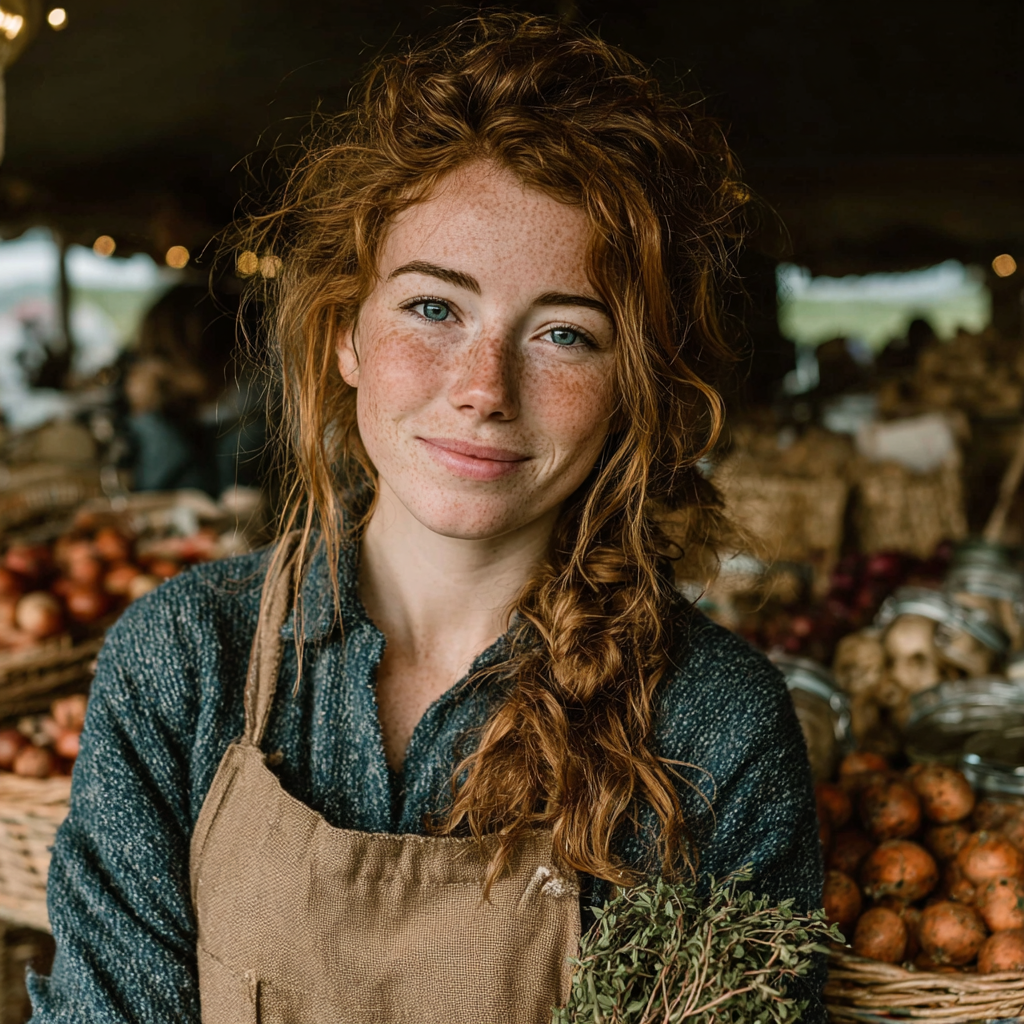
By Sophie Brennan
Irish food writer and historian based in Lisbon. Sophie combines her background in medieval history with a passion for contemporary gastronomy. She has written for Condé Nast Traveller and authored two cookbooks exploring Celtic and Iberian culinary traditions.