
Santo Domingo: The First City of the Americas — A Walk Through Five Centuries of Chaos and Grace
About This Guide
By Finn O'Sullivan, Irish storyteller and folklorist
I came to Santo Domingo looking for firsts. The first cathedral. The first fortress. The first paved street. What I found was a city that refuses to be a museum piece. The Spanish built their grid here in 1498, and the Dominicans have been complicating it ever since. I hunt for the narratives that do not make guidebooks — the pub legends, the family feuds, the neighborhood heroes. In Santo Domingo, every coral limestone wall has a story, and most of them involve someone building something they barely understood in a climate that fought them every step of the way. This guide is for travelers who want to understand why this city matters, not just check boxes. It is also for those who want to eat well, drink cold beer, and dance until they forget what time it is.
What Makes Santo Domingo Unmissable
Santo Domingo is the oldest continuously inhabited European settlement in the Americas. Not Jamestown. Not Plymouth. Not Mexico City. Santo Domingo. When the Spanish arrived in 1498, they built their grid and started constructing things they had never built this far from home. The result is a Zona Colonial so dense with firsts that it feels less like a neighborhood and more like an origin story made of coral limestone.
But the city does not live in the past. It is hot, loud, occasionally frustrating, and completely unapologetic. The taxi driver who told me this is where the New World learned to walk before it learned to run said it while cutting across three lanes of traffic on the Malecón, waving at a friend selling peeled oranges from a shopping cart, and barely missing a motoconcho weaving between cars with a family of four on a single motorbike. The city does not apologize for its chaos. It has been chaos since 1498.
The Zona Colonial: Where the Americas Began
Parque Colón and the Catedral Primada de América
Address: Calle Arzobispo Meriño, Zona Colonial, Santo Domingo
Hours: Monday–Saturday 8:00 AM–4:30 PM, Sunday check locally
Entry: Free (donations appreciated)
Start here in the early morning, before the heat turns the cobblestones into a grill. The Catedral Primada de América rises on the north side of the square, completed in 1540 after nearly three decades of construction. It is the first cathedral built in the New World, and the fact is not advertised with banners or audio guides. It simply stands there, Gothic ribs meeting Renaissance facade, while locals eat empanadas on benches below and argue about baseball.
The interior is smaller than you expect for a building of such historical weight. That is part of the point. The Spanish built this when they were still figuring out what they were doing here. The limestone walls absorb sound, and the morning light through the rose window casts patterns on the floor that have changed little in five centuries. Look for the tomb of Simón Bolívar's teacher, Andrés Bello, and the ornate silver altar. The cathedral's treasury holds a small but significant collection of colonial religious art.
Pro tip: Arrive at 8:00 AM on a weekday. The square will be nearly empty. The morning light hits the limestone facade at an angle that makes the building glow. Sit on a bench. Watch the city wake up around you. Five hundred years ago, people stood in this same spot wondering what they had started. They are still wondering.
Calle Las Damas: The First Paved Street
Address: Runs east from Parque Colón to Fortaleza Ozama
Walk east on Calle Las Damas, the first paved street in the Americas. The name comes from the wives of Spanish colonial officials who reportedly strolled here in the evenings, fanning themselves against the Caribbean humidity. Now it is quiet until 10 AM, then fills with tour groups moving in packs. Go before 9 AM and you will have the street to yourself.
The buildings here are a catalog of colonial ambition. The Casa de Bastidas, built in the early 1500s, now houses a small museum of colonial domestic life. The Casa de los Jesuitas, with its ornate wooden balconies, was once a residence for Jesuit missionaries. The Casa del Sacramento, with its distinctive red facade, dates to the early 16th century and now operates as a boutique hotel. Each building carries the weight of being first — the first hospital, the first university, the first customs house.
Fortaleza Ozama
Address: Calle Las Damas, eastern end of Zona Colonial
Hours: Monday–Saturday 9:00 AM–5:00 PM, Sunday 9:00 AM–4:00 PM
Entry: 100 Dominican pesos (approximately $1.65 USD)
The Fortaleza Ozama sits at the eastern end of Calle Las Damas, built in 1502 and the oldest military fortress in the Americas. The stone walls are two meters thick in places. From the tower you can see the Ozama River and the port where Columbus's ships once anchored. The fortress was designed to defend against European rivals and local resistance, and it served as a prison for much of its history. The most famous prisoner was Francisco de Miranda, the Venezuelan independence leader, held here in 1801 before his eventual death in a Spanish prison.
The climb to the tower is steep and the steps are worn smooth by centuries of boots. From the top, the view encompasses the colonial rooftops, the modern city beyond, and the muddy-brown Ozama River flowing into the Caribbean. It is a view that has changed dramatically in some ways and not at all in others.
Alcázar de Colón
Address: Calle La Atarazana 2, Zona Colonial
Hours: Tuesday–Sunday 9:00 AM–5:00 PM, closed Mondays
Entry: 100 Dominican pesos (approximately $1.65 USD), free Sundays for residents
Diego Columbus's palace sits a few minutes south on the waterfront. Diego was Christopher's son, sent here to govern a territory he barely understood. The palace cost a fortune and bankrupted the family. Now it is a museum of colonial furniture and imported European art. The building is beautiful and strange, a Mediterranean mansion dropped onto a Caribbean shore.
Diego's wife, María de Toledo, reportedly refused to leave for years, holding parties while malaria killed her staff and hurricanes tore at the roof. The rooms are arranged around a central courtyard with a small garden. The furniture is original — massive four-poster beds, ornate carved chests, Flemish tapestries. The audio guide, available in English and Spanish, provides context on the Columbus family's doomed attempt to establish a permanent aristocracy in the New World.
Panteón Nacional
Address: Calle Las Damas, between Calle Mercedes and Calle Arzobispo Nouel
Hours: Tuesday–Sunday 9:00 AM–5:00 PM, closed Mondays
Entry: Free
A former Jesuit church from 1747, the Dominicans converted it into a national mausoleum in 1956. An eternal flame burns inside beneath a ceiling painted with a massive Dominican flag. The honor guard changes with formal precision every half hour. The tomb of the Unknown Soldier sits at the center, flanked by the remains of national heroes including the three founding fathers of the Dominican Republic: Juan Pablo Duarte, Francisco del Rosario Sánchez, and Ramón Matías Mella.
The building's neoclassical facade hides a surprisingly intimate interior. The marble floors and dark wood pews create a solemn atmosphere. Combine this with the colonial walking circuit — the whole cluster takes three to four hours if you are thorough, less if you just want the highlights.
Museo de las Casas Reales
Address: Calle Las Damas, corner of Calle Mercedes
Hours: Tuesday–Sunday 9:00 AM–5:00 PM, closed Mondays
Entry: 100 Dominican pesos (approximately $1.65 USD)
This museum occupies two connected buildings that once housed the administrative offices of the Spanish colonies. The collection is exceptional — Taino artifacts, colonial weaponry, maps that show how little the Europeans understood of the geography they claimed to own. The Taino room is particularly moving. Before the Spanish arrived, an estimated 400,000 Taino lived on Hispaniola. Within fifty years, that number had dropped to fewer than 500. The museum does not shy away from this history.
Beyond the Colonial Grid: Neighborhoods That Live
Gazcue: Where the City Breathes
Gazcue sits just west of the Zona Colonial, a residential neighborhood of faded colonial mansions, art deco apartment buildings, and tree-lined streets. This is where middle-class Dominican families live, where university students share apartments, where the city's intellectual life happens in cafes and bookstores. The atmosphere is calmer than the colonial zone but no less Dominican.
The Parque Independencia marks the western boundary, with its Altar de la Patria — a white marble monument to the three founding fathers. The park itself is a gathering place: old men play dominoes, young couples sit on benches, vendors sell shaved ice and cotton candy. On weekends, it fills with families.
Jalao (Calle Arzobispo Meriño 454): Upscale Dominican in a restored colonial building. Main courses 600–1,200 pesos.
- Mesón de Bari (Calle Hostos 302): Local institution since 1980. Live merengue most nights. Main courses 400–800 pesos.
- Pat'e Palo (Plaza España): European bistro with Dominican touches. Good for a break from heavy food. Main courses 500–1,000 pesos.
The Malecón: Where Santo Domingo Exhales
The Malecón is an oceanfront boulevard running roughly 14 kilometers along the Caribbean. At sunset it transforms into a spontaneous carnival. Families walk. Joggers pass. Vendors sell fried plantain chips and fresh coconut water. Couples dance merengue on the sidewalk. The stretch between Parque Eugenio María de Hostos and the obelisk is the most active. It costs nothing and requires no plan. Just walk until you are hungry.
On weekends, the Malecón becomes a moving street fair. Food trucks park along the median. DJs set up speakers on the sidewalk. The atmosphere is joyous and slightly chaotic. The water is rarely clean enough for swimming — the Ozama River empties into the sea nearby — but the breeze is cool and the people-watching is unmatched.
Obelisco Macho: This 137-foot obelisk, painted with colorful murals, was built in 1936 to commemorate the renaming of the city to Ciudad Trujillo by the dictator Rafael Trujillo. After Trujillo's assassination in 1961, the city reverted to Santo Domingo, but the obelisk remained. The murals were added later and depict scenes from Dominican history. It is an odd monument — simultaneously a symbol of dictatorship and of the country's refusal to erase its own history.
What to Eat: A Guide to Dominican Honesty
Dominican food is heavy, cheap, and honest. It is not refined cuisine. It is sustenance shaped by five centuries of poverty, creativity, and the need to feed large families on small budgets. The flavors are bold, the portions are generous, and the best food is found in places with plastic chairs and handwritten menus.
La Bandera: The National Lunch
A full plate at a local comedor — basic diners with plastic chairs and handwritten menus — costs 200 to 400 pesos ($3.30–$6.60). The standard components: white rice, red beans, stewed meat (chicken, beef, or pork), a simple salad, and fried plantains. Comedores are everywhere in Gazcue and Villa Juana. Look for the ones filled with construction workers and taxi drivers. They know where the best food is.
Recommended comedores:
- El Conuco (Calle Casimiro de Moya 152): A tourist-friendly option that still serves authentic food. The atmosphere is rustic, with thatched roofs and traditional decor. La Bandera 350–500 pesos ($6–$8).
- Comedor D'Lina (Calle Sanchez, Gazcue): No sign, just a doorway and the smell of frying garlic. This is where locals eat. La Bandera 200–300 pesos ($3.30–$5). No English menu. Point and smile.
Breakfast: Mangú and the Three Strikes
Mangú con los tres golpes — mashed green plantains with fried cheese, salami, and eggs — is the Dominican breakfast of champions. It costs about 150 pesos ($2.50) at a neighborhood cafe, and it will keep you full until dinner. The plantains are boiled and mashed with butter, the cheese is queso de freír (a salty, squeaky white cheese that holds its shape when fried), and the salami is Dominican-style, slightly spiced and fried until crispy.
Where to get it:
- Cafe del Sol (Calle El Conde, Zona Colonial): Reliable, fast, open early. Mangú con tres golpes 180 pesos ($3).
- La Cafetera (Avenida Independencia, Gazcue): A local chain with multiple locations. Consistent quality. Breakfast 150–250 pesos ($2.50–$4).
Sancocho: The Seven-Meat Stew
Sancocho appears at celebrations and on weekends. Every family claims their recipe is the correct one. The Dominican version typically includes beef, pork, chicken, and multiple types of tubers — yuca, plantain, yam, and corn. It is thick, filling, and deeply comforting. A large bowl at a restaurant costs 300–500 pesos. On weekends, many households cook a pot that lasts three days.
Street Food and Snacks
Chicharrón de pollo — crispy fried chicken chunks marinated in lime and garlic — is street food at its best. Vendors sell it from carts on Calle El Conde and in Parque Colón. A small bag costs 100–150 pesos ($1.65–$2.50). Add a squeeze of lime and hot sauce.
Yaniqueques are thin, crispy fried dough discs, similar to fry bread. They are sold on beaches and street corners for 25–50 pesos each. Eat them plain or with ketchup.
Empanadas in Santo Domingo are different from the Argentine or Chilean versions — they are smaller, deep-fried, and filled with ground beef, chicken, or cheese. Two or three make a solid snack. Cost: 50–80 pesos each.
Fresh Juice: Non-Negotiable
Fresh juices are a Dominican institution. Chinola is passion fruit, tart and refreshing. Morir soñando — "to die dreaming" — is orange juice with milk, sugar, and vanilla. It is better than it sounds: creamy, sweet, and impossibly refreshing on a hot day. Guayaba (guava), tamarindo, and lechosa (papaya) are also widely available. A large juice at a market stall costs 50 to 80 pesos ($0.80–$1.30).
Where to Drink: From Quiet Corners to Loud Nights
Dominicans do not go out before 11 PM. Plan accordingly. Music here is not background. It is the main event.
El Sartén (Calle Hostos 255): A Zona Colonial institution. Live music most nights — merengue, bachata, son. Mixed crowd. Beer 150–200 pesos, cocktails 300–450 pesos. Arrive after 10 PM.
Onno's (Calle Hostos 261): Slightly more upscale, rooftop terrace with colonial views. Cocktails 350–500 pesos. Good for a quieter start before midnight.
La Alpinita (Calle Arzobispo Nouel): Local favorite, rarely in guidebooks. Salsa and bachata, cheap beer, zero pretension. Beer 100–150 pesos. See how Dominicans actually party.
Day Trips and Excursions
Los Tres Ojos
Address: Avenida Las Américas, east of city center
Hours: Daily 8:30 AM–5:30 PM
Entry: 200 pesos ($3.30), boat ride across third lake included
Getting there: Uber or taxi, 15–20 minutes from Zona Colonial, 200–350 pesos ($3.30–$6)
A limestone cave system with three turquoise lakes, Los Tres Ojos sits 15 minutes east of the colonial zone. A small boat ferries visitors across the third lake to an open-air cenote where a film crew once built a Tarzan set — remnants are still visible. The steps are slippery. Wear shoes with grip, not sandals. Go early for the best light filtering through the cave mouths. The whole visit takes an hour.
Boca Chica Beach
Getting there: 30 kilometers east of the city. Uber $15–$25, 30–45 minutes. Public bus from Parque Enriquillo, 50 pesos ($0.80), 45–60 minutes.
The closest beach to Santo Domingo, Boca Chica has calm, shallow water protected by a reef. It fills with local families on weekends. On weekdays it is almost empty. Lounge chairs rent for 200 to 350 pesos ($3.30–$6) for the day. Beachfront shacks fry whole fish and serve cold Presidente beer. The fish is caught that morning. The beer is always cold.
What to expect: This is not a pristine Caribbean paradise. It is a Dominican beach — loud music, food vendors, families, and a relaxed atmosphere. The water is calm enough for children. The sand is decent. For a more upscale experience, head further east to Juan Dolio or Guayacanes.
San Cristóbal
Getting there: 30 kilometers west. Bus from Parque Enriquillo, 70 pesos, 45 minutes.
The hometown of dictator Rafael Trujillo. The Casa de Caoba, his former residence, is now a museum. The Mercado Modelo de San Cristóbal is a massive, chaotic market completely devoid of tourists — live chickens, handmade furniture, and everything in between.
Local Stories: The Weight of Being First
The Last Execution at Fortaleza Ozama
In 1801, the Venezuelan independence leader Francisco de Miranda was imprisoned in the Fortaleza Ozama. He had already spent years in European prisons, and the Spanish saw him as a dangerous revolutionary. The fortress was his last Caribbean stop before being shipped back to Spain, where he died in a Cádiz prison in 1816. Miranda never saw Venezuelan independence — Bolívar achieved it four years after his death. But his imprisonment here is a reminder that Santo Domingo was not just the starting point of European colonization. It was also a prison for those who resisted it.
María de Toledo's Parties
Diego Columbus's wife, María de Toledo, was a Spanish aristocrat who found herself in a place she barely understood. While her husband struggled to govern a colony hemorrhaging money, María threw elaborate parties in the Alcázar de Colón. She imported European furniture, hired musicians, and served food shipped from Spain. Meanwhile, malaria killed her staff, hurricanes damaged the roof, and the colony's finances collapsed. She refused to leave for years, insisting the Columbus family maintain their status. The palace museum still displays her four-poster bed and imported tapestries — remnants of a woman who tried to recreate Seville in the Caribbean and failed spectacularly.
The Mirabal Sisters
While not from Santo Domingo itself, the story of the Mirabal sisters — Patria, Minerva, and María Teresa — is inseparable from Dominican history. In 1960, the three sisters were assassinated by order of dictator Rafael Trujillo for their opposition to his regime. Their murder galvanized the resistance that eventually led to Trujillo's assassination six months later. The sisters are now national heroes, commemorated on the 200-peso bill and in the International Day for the Elimination of Violence Against Women (November 25). The Museo de la Resistencia in the Zona Colonial has an exhibit on their lives.
The First Cathedral's Secret
The Catedral Primada de América was not just the first cathedral in the New World. It was also a symbol of Spanish power over the indigenous Taino population. The Spanish destroyed Taino religious sites and built churches on top of them — a common practice throughout the Americas. But in Santo Domingo, the destruction was particularly thorough. Within fifty years of the Spanish arrival, the Taino population had been reduced by 99%. The cathedral stands as both a masterpiece of colonial architecture and a monument to one of history's most devastating demographic collapses. The Museo de las Casas Reales does not shy away from this history, and neither should visitors.
What to Skip (And What to Do Instead)
Skip: The overpriced restaurants on Calle El Conde aimed squarely at tourists. The food is mediocre, the service is indifferent, and the prices are triple what locals pay.
Do instead: Walk three blocks to Gazcue and eat at a comedor filled with Dominican families. The food will be better, cheaper, and more authentic.
Skip: Boca Chica on a Sunday afternoon in July. The beach becomes so crowded that you cannot see sand.
Do instead: Go on a weekday morning, or head further east to Juan Dolio for a quieter experience.
Skip: The larimar vendors who approach you on the street with "special deals." Most of it is fake or low quality.
Do instead: Buy from established shops in Mercado Modelo, and negotiate hard. Real larimar is expensive. If the price seems too good, it is not real.
Skip: Renting a car and trying to drive in Santo Domingo. Traffic signals are suggestions, motoconchos treat every intersection like a starting grid, and the city's layout defies logic.
Do instead: Use Uber and DiDi. They are reliable, cheap, and you will arrive alive.
Skip: The "Columbus Lighthouse" (Faro a Colón) unless you are genuinely interested in brutalist architecture or political monuments. It is expensive to enter, poorly maintained, and its claim to hold Columbus's remains is disputed by Spain.
Do instead: Spend that time in the Museo de las Casas Reales or walking the Malecón at sunset.
Where to Stay
Budget: Hostal San Francisco de Asís
Address: Calle Hostos 153, Zona Colonial
Price: $25–$40/night for a private room
A clean, simple guesthouse in the heart of the colonial zone. Rooftop terrace with views of the cathedral. The owner, Doña Milagros, has run the place for thirty years and knows every secret in the neighborhood.
Mid-Range: Hotel Villa Colonial
Address: Calle Sánchez 157, Zona Colonial
Price: $60–$90/night
A beautifully restored colonial mansion with a courtyard pool. The rooms are spacious, the breakfast is included, and the location is perfect for exploring on foot. The staff can arrange drivers and day trips.
Boutique: Casas del XVI
Address: Calle Padre Billini 252, Zona Colonial
Price: $200–$350/night
A collection of restored 16th-century houses, each decorated by a different designer. This is luxury with historical weight. The courtyards are tranquil, the service is impeccable, and the location is unbeatable.
Luxury: InterContinental Santo Domingo
Address: Avenida Winston Churchill, Piantini
Price: $150–$250/night
Modern luxury in the Piantini financial district, a 10-minute drive from the colonial zone. Rooftop pool, multiple restaurants, and the reliability of an international brand. Good for business travelers or those who want modern comforts after a day of historical exploration.
Practical Logistics
Getting There
Las Américas International Airport (SDQ) sits 30 kilometers east of the colonial zone. An Uber to the Zona Colonial costs $16 to $26 and takes 30 to 45 minutes. Official airport taxis charge $35 to $42. Complete the mandatory DR e-Ticket online before arrival (eticket.migracion.gob.do). The form is free but airport staff will ask for it.
Getting Around
- Uber and DiDi: Work reliably and cost 150 to 350 pesos ($2.50–$6) for most trips within the city.
- Zona Colonial: Walkable. Everything is within a 15-minute walk.
- Metro: Two lines but does not serve the colonial zone directly. Useful for longer distances (e.g., to the Megacentro mall).
- Guaguas: The minibuses cost about 20 pesos ($0.30) but require local knowledge. Flag them down anywhere, shout your destination, and pay when you get off.
- Motoconchos: Motorcycle taxis. Fast and cheap (50–100 pesos) but not for the faint of heart. Drivers rarely provide helmets.
When to Go
The best months are December through April, when rain is rare and temperatures stay between 21 and 30°C. May through November is hurricane season. Prices drop but afternoon storms are common. Carnival, in February or March, turns the city into a massive street party. Book early.
Budget Expectations
- Budget traveler: $40–$60/day (hostel, comedores, public transport)
- Mid-range: $80–$150/day (hotel, mix of local and tourist restaurants, Uber)
- Luxury: $200+/day (boutique hotel, fine dining, private drivers)
What to Bring
- Comfortable walking shoes with good grip (cobblestones are uneven)
- Light, breathable clothing (humidity is constant)
- Sunscreen and a hat
- Insect repellent
- Reusable water bottle (tap water is not potable)
- Cash in small denominations
Safety
Santo Domingo is generally safe for tourists who exercise common sense. The Zona Colonial is heavily policed. Avoid walking alone on empty streets after midnight. Do not flash expensive items. Petty theft is the main concern. The Malecón is safe during daylight and early evening but empties after 10 PM.
One Perfect Day in Santo Domingo
8:00 AM: Catedral Primada. Morning light on limestone.
9:30 AM: Walk Calle Las Damas to Fortaleza Ozama. Stop at Panteón Nacional.
11:30 AM: Alcázar de Colón.
12:30 PM: Lunch at a Gazcue comedor. La Bandera and fresh juice.
2:00 PM: Museo de las Casas Reales.
3:30 PM: Rest. Midday heat is intense.
5:00 PM: Malecón walk. Coconut water. Sunset.
7:30 PM: Dinner at Jalao.
9:30 PM: Drinks at Onno's terrace.
11:00 PM: El Sartén. Dance until you forget the time.
Last Updated: August 12, 2026
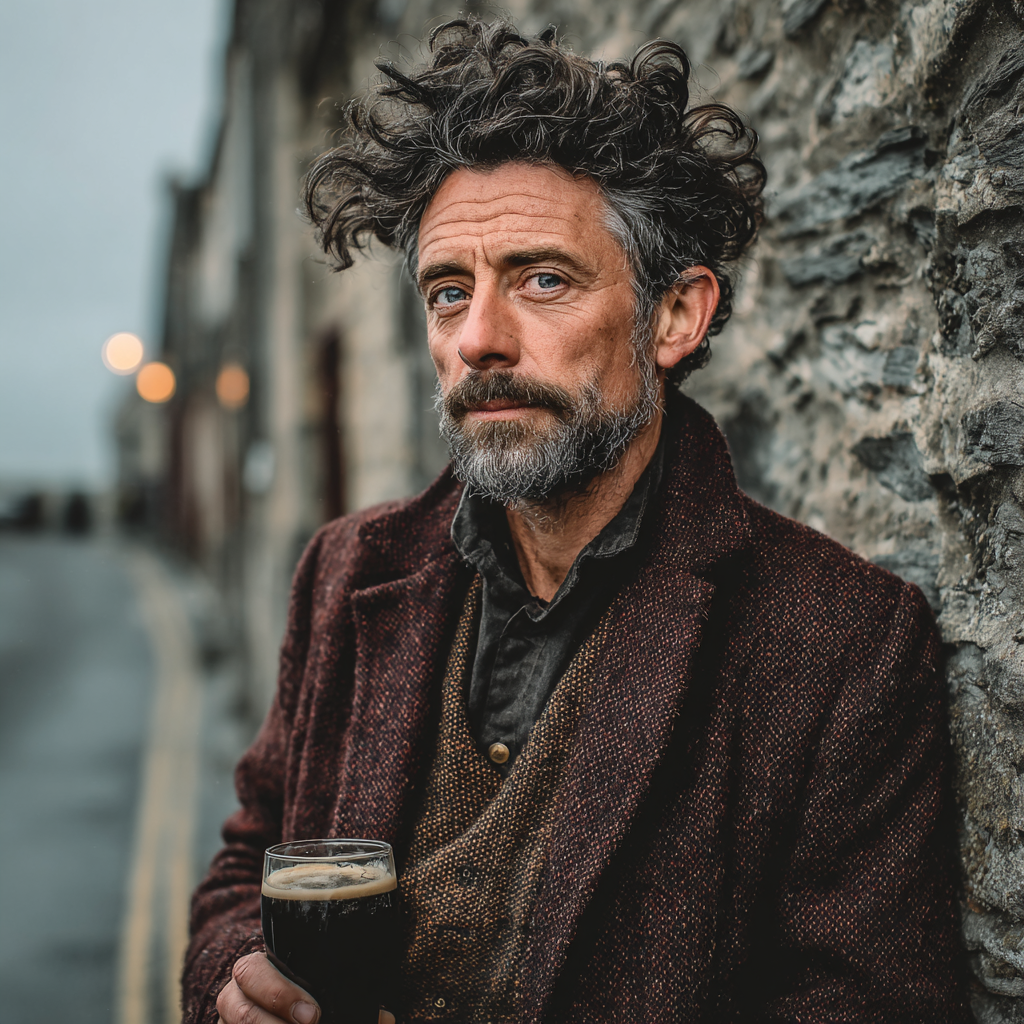
By Finn O'Sullivan
Irish storyteller and folklorist. Finn hunts for the narratives that do not make guidebooks—the pub legends, the family feuds, the neighborhood heroes. He believes every street corner has a story if you know who to ask.