
Most people cannot place Djibouti on a map. It is a thumb-sized country wedged between Ethiopia, Eritrea, and Somalia, facing Yemen across the Bab-el-Mandeb strait. The French Foreign Legion trains here. The Americans, Chinese, and Japanese all have military bases. What most travelers do not know is that Djibouti also has the lowest point in Africa, the largest whale shark aggregation in the region, and a landscape that looks like the surface of the moon.
The whale sharks arrive between October and February. They come to the Gulf of Tadjoura to feed on plankton, and Arta Beach, 45 minutes east of the capital, is the best place to swim with them. These are the largest fish in the world, regularly reaching 12 meters. The water is warm, the visibility is good, and the sharks are indifferent to humans. Local operators run snorkeling trips from Djibouti City. The sharks are not fed or baited, which makes the encounter genuinely wild. This is not a cage dive or a theme park. You swim alongside an animal that has existed for 60 million years. The season is short and the numbers are limited, which keeps the experience intimate. No more than a few boats operate on any given day, and there are no crowds.
Lake Assal sits roughly 150 meters below sea level, making it the lowest point on the African continent and the third-lowest depression on Earth after the Dead Sea and the Sea of Galilee. The lake is a crater of hypersaline water surrounded by snow-white salt flats. Local Afar people have harvested salt here for centuries, loading it onto camels for the slow caravan to Ethiopia. The water is ten times saltier than the ocean. You float without trying, but the cuts on your skin will burn. Bring fresh water to rinse. The lake is a 90-minute drive west of Djibouti City on a paved road that cuts through the Grand Bara desert. There are no facilities, no entrance fee, and no shade. Go at dawn. The heat by midday is dangerous. The surrounding black lava fields and dormant volcanoes add to the hostility of the place. It is beautiful because it is not trying to be.
Lac Abbe is stranger. It sits on the Ethiopian border, a three-hour drive from the capital across a desert of black lava and stone. The lake is shallow, alkaline, and surrounded by hundreds of limestone chimneys that rise up to 50 meters tall. Some still vent steam. The area looks like a film set for another planet. Flamingos gather in the shallows. The nearby village of Dikhil has basic guesthouses, but most visitors camp near the lake with local guides. The night sky is the point. There is no light pollution for 200 kilometers. The silence is total. The heat is relentless, so the season matters. November to February is the only practical window. The rest of the year is unbearable.
Diving in Djibouti is underrated. The Gulf of Tadjoura and the narrow strait at the Bab-el-Mandeb create a marine corridor where Indo-Pacific and Red Sea species mix. Moucha and Maskali Islands, an hour by boat from the capital, have coral reefs, Napoleon wrasse, and reef sharks. The visibility is not Maldives-level, but the marine life is diverse and the sites are empty. You will not see another dive boat. Tadjoura, the country's oldest town on the north side of the gulf, has a 12th-century mosque and a few small dive operators. The town is quiet, crumbling, and more interesting than the capital. The ferry from Djibouti City takes an hour and runs daily.
Day Forest National Park, also known as the Goda Mountains, is the only place in Djibouti that does not look like a desert. It is a remnant juniper forest at 1,300 meters above sea level, three hours north of the capital. The temperature drops by 10 degrees. The forest is home to endemic birds, including the Djibouti francolin, which is critically endangered and found nowhere else. Guides from the nearby village of Bankouale lead treks. The area has been degraded by firewood collection and grazing, but a small conservation project is working to restore it. The forest is not pristine. It is damaged and worth visiting anyway, because the contrast with the rest of the country is so stark.
What to skip: the modern shopping malls in Djibouti City, which are built for the military personnel and have no local character. The expensive waterfront restaurants that serve generic French cuisine at Paris prices. The Ethiopian border area, which has periodic instability. Any attempt to visit Lac Abbe without a local guide and a 4x4 vehicle, which is a recipe for heatstroke or getting stuck in lava sand. The generic city tours that show you the presidential palace and the port. You did not come to Djibouti for architecture.
Djibouti City is not a destination in itself. It is a functional port with a waterfront, a central market, and the Hamoudi Mosque, which dates to 1906. The real experience is outside the city. The railway to Addis Ababa, built by the Chinese and opened in 2017, is efficient but does not stop at the sites you want. Rent a 4x4 with a driver. Distances are short but the roads are rough, and navigating the lava fields without local knowledge is unwise.
The dry season runs from November to March. This is when the whale sharks are present, the temperatures are merely hot instead of unbearable, and the hiking in Day Forest is possible. April to June is the hottest period, with temperatures regularly exceeding 40°C. July to September is humid and uncomfortable. The country receives almost no rain in most years.
Visas are available on arrival for most nationalities, or as an e-visa in advance. The currency is the Djiboutian franc, pegged to the US dollar at a fixed rate of 177.721 to one. US dollars are widely accepted. Accommodation ranges from basic guesthouses at 5,000 DJF per night to the Djibouti Palace Kempinski at the high end. A guided day trip to Lake Assal costs around 15,000-20,000 DJF. Whale shark snorkeling trips are 10,000-15,000 DJF. Diving is 8,000-12,000 DJF per tank. The country is expensive because everything is imported and the military presence drives up prices. Budget accordingly.
French and Arabic are the official languages, but Somali and Afar are the languages people actually speak. English is limited outside the capital and the main hotels. The food is a mix of Somali, Afar, Ethiopian, and French influences. Skudahkharis is the national dish, rice cooked with lamb and spices. Lahoh is the local flatbread, spongy and slightly sour. Fresh grilled fish is available at the port in the morning. Ethiopian-style injera with lentil stews is common. Alcohol is available in hotels but not in local restaurants.
This is a country with no mass tourism infrastructure. There are no all-inclusive resorts, no cruise ships, no souvenir shops. What exists is raw, difficult, and genuinely interesting. The whale sharks do not care that you have arrived. The salt flats do not care. The desert does not care. That is precisely the point. Djibouti is not for everyone. It is for travelers who can handle heat, rough roads, and the absence of creature comforts. The reward is an encounter with a landscape and marine ecosystem that have not been packaged for mass consumption. The conservation challenge here is not about managing tourists. It is about keeping the place wild before the world discovers it.
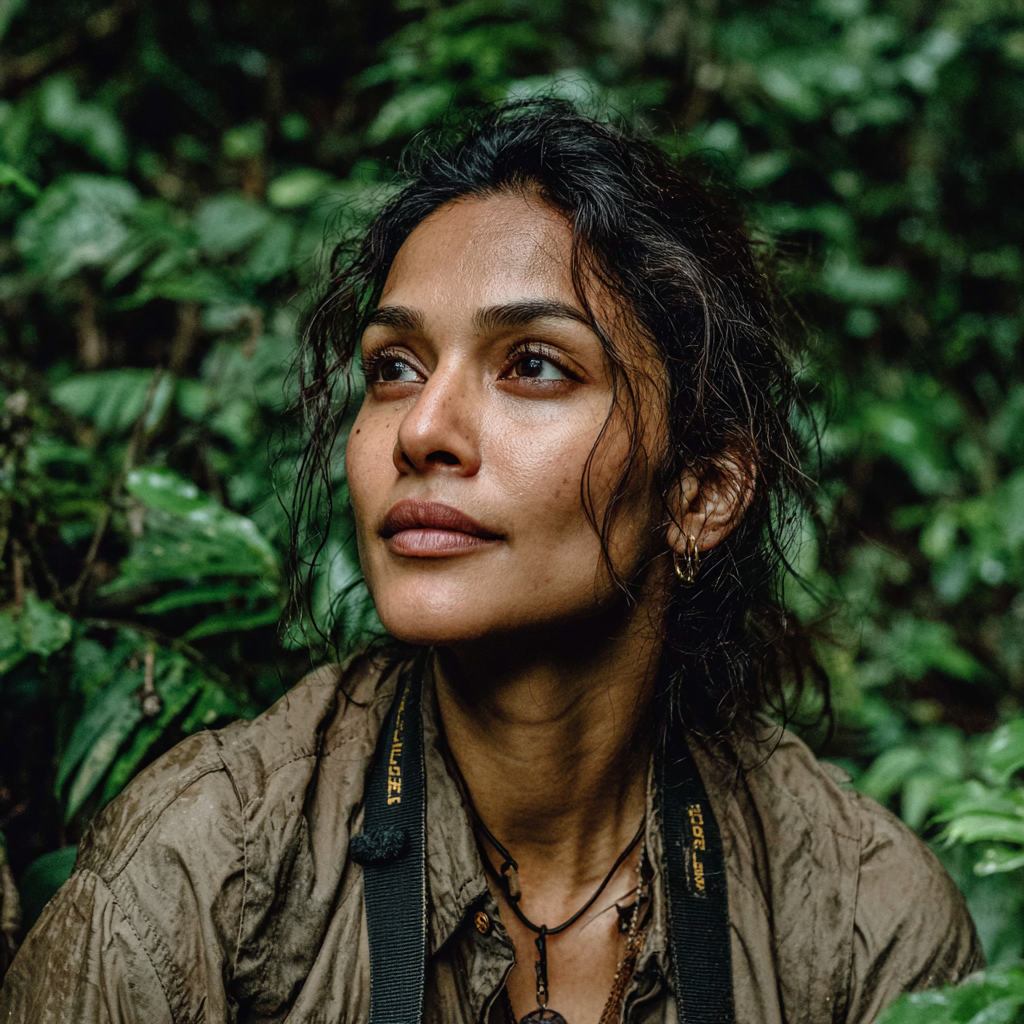
By Priya Sharma
Conservation biologist and sustainable tourism advocate. Priya works with eco-lodges and wildlife sanctuaries to promote ethical travel practices. She holds an MSc in Biodiversity Conservation and has spent years tracking endangered species across the Indian subcontinent.