
Copenhagen Does Not Apologize: A Food Lover's Survival Guide to the World's Most Deliciously Expensive City
I've been writing about food for twenty years, and I've never met a city that makes me defend my love for it as often as Copenhagen. "It's too expensive," they say. "It's just foraging and tweezers," they grumble. And yet, here I am, back again, eating smørrebrød in a cellar that opened when Bismarck was running Germany, drinking natural wine in a former porn cinema, and paying more for a pastry than I did for my first car. (That last part is a lie. But only just.)
Copenhagen is the world's most expensive delicious city. A 2026 Big Mac costs around 78 DKK — roughly $12 — and that's the cheap option. But here's what the spreadsheets miss: this small city holds more Michelin stars per capita than almost anywhere on Earth (29+ stars across 19 restaurants as of the 2026 guide, with three kitchens at the absolute summit), invented a culinary movement that changed how the entire world cooks, and still serves a herring lunch in a 149-year-old room that will rearrange your understanding of what a sandwich can be.
This is not a budget guide. This is a survival guide for eating magnificently in a city that charges like it knows exactly how good it is.
The Money Reality (2026 Edition)
Let's get the painful part done first. At the current exchange rate of roughly 6.6 DKK to the US dollar (the krone rides the euro in a tight band), here's what things actually cost:
- Coffee: 40–55 DKK ($6–8)
- Pastry: 30–50 DKK ($4.50–7.50)
- Smørrebrød (per piece): 95–225 DKK ($14–34) depending on temple of rye
- Casual lunch: 130–200 DKK ($20–30)
- Dinner with wine (mid-range): 600–900 DKK ($90–135) per person
- Tasting menu at the summit: 2,500–4,500+ DKK ($380–680+) per person before wine
Denmark has no legal minimum wage; the lowest collective agreements start around 130 DKK/hour, which explains your bar tab. You don't tip — service is included, though rounding up is appreciated. Card is king (locals use Dankort, but any Visa/Mastercard works), and many places have gone effectively cashless.
Now that we've agreed to hemorrhage money with dignity, let's eat.
Smørrebrød: The Open-Faced Truth
If you eat one thing in Copenhagen, make it smørrebrød — the open-faced rye bread sandwich that is less a lunch than a national philosophy. The rules are immutable: rye bread (rugbrød), butter (lots), toppings arranged with architectural confidence, eaten with knife and fork in a strict order — herring first, then other fish, then meat. And always with snaps (aquavit).
Restaurant Schønnemann (Hauser Plads 16) is the benchmark — a subterranean institution in the same basement since 1877, all dark wood, white tablecloths, and waiters who have seen every tourist mistake and forgiven most of them. The printed menu runs to sixty-plus smørrebrød, backed by over 100 aquavits. Prices now run 115–225 DKK per piece (the party platters, which feed groups family-style, run 375–455 DKK per head). It is lunch only, Monday through Saturday, closed Sunday — and you need a reservation two to four weeks out. This is where I take people who claim sandwiches are boring. They always apologize.
Aamanns is the modern counterargument. Adam Aamann revolutionized smørrebrød in 2006 by keeping the traditional ingredients but lightening the dressings and plating like a designer. Today there are three formats: Aamanns 1921 (Øster Farimagsgade 10, Østerbro — the original, smørrebrød 95–180 DKK), Aamanns Etablissement (Niels Hemmingsens Gade 19, Indre By — the flagship, serving lunch and dinner, pieces 120–195 DKK or a four-piece lunch tasting for 595 DKK), and a deli for take-away. If Schønnemann is the cathedral, Aamanns is the design museum.
Then there's Selma — the most interesting smørrebrød story in town. Selma became the first smørrebrød restaurant in history to win a Michelin star (2024), holding Bib Gourmand status in the 2026 guide. It has since moved to Rømersgade 20 near Rosenborg Castle, serving modern Nordic compositions at lunch (pieces roughly 165–240 DKK) and a multi-course dinner Wednesday to Saturday from 18:30. The herring comes with yuzu kosho; the craft beer list runs twelve taps. Book ahead — the queue habit dies hard.
For a market-counter version, Hallernes Smørrebrød in Torvehallerne does excellent classic pieces for 85–130 DKK, typically until they sell out around 15:00. And Ida Davidsen (Store Kongensgade 70), where the family has built smørrebrød for five generations and named pieces after royalty, remains the sentimental favorite — count on 100–150 DKK per piece.
The New Nordic Oligarchy (2026 Update)
Copenhagen invented New Nordic cuisine — the manifesto-driven, hyper-local, fermentation-obsessed movement that made chefs into philosophers and turnips into celebrities. Then it did something no other food city has managed: it survived its own revolution and kept evolving.
First, the headline everyone asks about: Noma. The mothership of modern gastronomy ended its regular restaurant service at the end of 2024, transforming its Refshaleøen campus into Noma Projects — a food lab and fermentation playground with a shop open Tuesday to Sunday (10:00–18:00, Friday until 19:00) where you can taste the experiments without the old price tag. But Copenhagen doesn't let its legends rest: after a Los Angeles residency, Noma returned in August 2026 with a new micro-seasonal format — a menu that changes monthly, reservations released through the newsletter, and a seat count that guarantees this remains among the hardest tables on the planet. If you want in, watch their channels the moment dates drop.
The three-star summit as of the June 2026 Michelin ceremony: Geranium (Percy Bysshe Shells Vej 4, on the 8th floor of the Parken national stadium, overlooking Fælledparken — Rasmus Kofoed's vegetable-forward temple, three stars since 2016, menus around 3,400+ DKK with the view included); Jordnær (in Gentofte, inside Gentofte Hotel, a 15-minute S-train ride north of the center — Eric Vildgaard's seafood mastery earned the third star in 2024); and Kadeau (Wildersgade 10B, Christianshavn — Nicolai Nørregaard's Bornholm-island cooking, promoted to three stars in 2026). Kadeau's current menus run 2,495–2,895 DKK. If you want the summit without crossing the city, Kadeau is the walkable one.
Just below: Alchemist (Refshaleøen) holds two stars and serves a 40-plus-course performance across five acts lasting most of an evening — budget well north of 4,000 DKK before wine, and book months out. Koan (in the Tivoli Hotel complex on Kalvebod Brygge) does Korean-inflected Nordic tasting menus and held its two stars in 2026. AOC (Dronningens Tværgade 2, in a vaulted 17th-century cellar) runs a seven-course menu around 1,295 DKK — historically the best value at the sharp end of the guide.
And the news that makes my historian heart sing: ESSE, in Nordhavn, is Matt Orlando's triumphant return — the American former Noma head chef whose groundbreaking restaurant Amass closed in 2022. ESSE opened in early 2026 and won a Michelin star within months: a fermentation-walled dining room where circular cooking (fishbone noodles, vegetable-skin XO) is presented as pure pleasure, not penance. Also fresh-starred for 2026: Udtryk in Nordhavn and Akmé. The pipeline is alive.
Booking logic for this tier: tables release two to six months ahead, Tuesday–Thursday are easier than weekends, and September–January is your soft window. Set alarms. Beg. It works.
Where the Wine Flows
Copenhagen drinks natural wine with the seriousness other cities reserve for religion.
Den Vandrette (Havnegade 53A, Christianshavn) — a low-key harborfront bar run by Sune Rosforth, one of the pioneers of biodynamic wine importing in Denmark. Deep cellar of low-intervention bottles, orange wines from Georgia, exceptional charcuterie, no tourist markup. Glasses from 85 DKK, bottles 400–900 DKK. Stand at a barrel, watch the canal boats, feel smug.
Nærvær (Laksegade 7, beside Kongens Nytorv) — "presence," and the name is the instruction. Intimate, candlelit, serious about both food and bottle. Wine flights 275–375 DKK; tasting menus on weekends.
Pompette (Elmegade 21, Nørrebro) — the natural-wine pioneer, all mismatched glassware and enthusiastic staff who will pour you something orange and life-changing. Glasses 70–95 DKK.
Vinhanen (Frederikssundsvej 16, Nørrebro, plus other locations) — Copenhagen's original natural-wine bar, with self-pour taps you pay for by the centiliter and refillable bottles to take home. Adventurous pours, zero ceremony, and a local crowd that's half regulars by volume.
Also worth your evening: the cocktail institution Ruby (Nybrogade 10, in a listed 18th-century house by the canal) if brown spirits and conversation matter more than craft beer.
Denmark's own wine production is a charming joke (a few hectares on Lolland), but the city's importers are world-class, and the wine lists at every restaurant above punch far above their weight class.
The Cheap Eats (Yes, They Exist)
You will not eat cheaply in Copenhagen. You will eat cheaper, and these are the moves:
Folkehuset Absalon (Sønder Boulevard 73, Vesterbro) is the single best budget experience in the city — a converted church running long-table communal dinners every night at roughly 60–100 DKK per person, family-style, bookable weeks ahead. You will sit with strangers; you will make friends; you will wonder why every city doesn't do this.
John's Hotdog Deli (Bernstorffsgade 16, near Tivoli and the Central Station) is the city's beloved pølse institution — the classic red hot dog (rød pølse) with all the trimmings for about 45–65 DKK. Hours: Sunday–Thursday 10:00–20:00, Friday–Saturday 10:00–22:00.
Warpigs (Flæsketorvet 25-37, Kødbyen) — the Mikkeller × Three Floyds brewpub — does proper Texas barbecue at un-Copenhagen prices: a quarter-pound of brisket around 100 DKK, half a rack of ribs around 120 DKK, twenty taps of house beer. Open Monday–Wednesday 12:00–24:00, Thursday–Friday until 02:00, Saturday from 11:30, Sunday 11:30–23:00. No booking needed for small groups.
Hija de Sanchez — Rosio Sánchez's taqueria (outposts at Torvehallerne and in Kødbyen) serves the city's best tacos at street-food prices (60–85 DKK). Her full restaurant, Sanchez (Istedgade 60, Vesterbro), is Bib Gourmand-listed and bookable — the carnitas alone justify the flight.
RizRaz (Store Kannikestræde 19) runs a beloved vegetarian Mediterranean buffet — 145 DKK at lunch, 185 DKK at dinner — that has been feeding broke students and savvy travelers for decades. Gasoline Grill (in the Østerport gas station, of all places) grills what might be the city's best burger for around 100 DKK. And every neighborhood has a shawarma/kebab shop where 55–70 DKK buys a full, excellent durum — the true Copenhagen life hack.
Bakeries & Coffee: The Morning Ritual
Copenhagen takes breakfast seriously, and 2026 prices reflect it: wienerbrød (Danish pastry — never call it "a Danish" in Denmark) runs 30–50 DKK, and specialty coffee 40–55 DKK. Budget accordingly; regret nothing.
Juno the Bakery (Århusgade 48, Østerbro) bakes what I'm prepared to call the best cardamom bun in Europe. Arrive before 10:00 on weekends or face the sell-out. Andersen & Maillard (Nørrebrogade 62 and other locations) built its reputation on the cube croissant — laminated pastry engineered into a cube, filled, around 50 DKK — which is as close to a tourist attraction as breakfast gets. La Cabra (Jægersborggade and beyond) pairs world-class coffee with equally obsessive pastry.
The Coffee Collective, now with multiple locations including Torvehallerne, remains the standard-bearer for Nordic-light-roast coffee (flat white ~52 DKK); their Jaegersborggade original is the pilgrimage site. For old-school charm, Sankt Peders Bageri (Sankt Peders Stræde) has been the city's morning meeting point for generations — get there early for warm cinnamon rolls.
Markets: Grazing as a Strategy
Torvehallerne (Frederiksborggade 21, on Israels Plads, two minutes from Nørreport) is the city's grand food hall, open seven days a week: Monday–Friday 10:00–19:00, Saturday 10:00–18:00, Sunday 11:00–17:00. Some coffee stalls open as early as 07:00. The twin glass pavilions hold eighty-plus vendors: oysters shucked to order on weekends, Hallernes smørrebrød, fish soup, artisan cheese, and produce that looks photoshopped. A grazing lunch runs 140–200 DKK. Go before noon to beat the queues; this is where Copenhagen shops when it wants to feel superior, which is always.
Reffen (Refshalevej 167A, Refshaleøen) — the successor to Papirøen's street food market and now one of Europe's largest — runs its 2026 season from early April (April 3) through October 18, Friday to Sunday only, though the past two seasons have extended into autumn weekends. Fifty-plus stalls in a former shipyard, most dishes 80–140 DKK, harbor views included. Take the 9A bus or cycle; the waterfront ride along Refshaleøen is half the pleasure. Note: Monday–Thursday, it's largely shut.
Tivoli Food Hall (next to Tivoli Gardens, Vesterbrogade 3) — open daily year-round, independent of the amusement park's season — is the weatherproof option: Torvehallerne-quality vendors under one handsome roof, mains 100–150 DKK.
Beer & the Drinking Town
Mikkeller may have become a global brand, but its soul still lives in Copenhagen. The original Mikkeller Bar (Viktoriagade 8, behind the Central Station) and the Viktoriagade bottle shop next door remain pilgrimage sites for craft beer, with twenty rotating taps and fridges of rare bottles to go.
Warpigs (above) doubles as the city's best American-style BBQ and a brewpub making house beers with Three Floyds heritage. BRUS (Guldbergsgade 29F, Nørrebro — the To Øl brewpub) pours clean, modern lagers and IPAs in a former iron foundry. Nørrebro Bryghus (Ryesgade 3) is the elder statesman of Copenhagen microbrewing, brewing organic beer on-site since 2003.
The drinking culture itself is civilized: happy hours are rare (prices barely budge), bar snacks are legally required to be more than peanuts (many kitchens do excellent bar plates), and nobody expects a tip. A pint of craft beer runs 60–80 DKK; learn to love it.
The Sandwich Situation
One warning from a friend: the average Copenhagen "sandwich" from a convenience case is a tragedy of dry bread and single sadness. The city's sandwich soul lives exclusively in smørrebrød form. If you want bread-plus-filling on the move, buy great bread (the rugbrød from any bakery) and build it yourself — or accept the hot dog as your portable protein. The hot dog is honored here. The triangle sandwich is not.
Practical Intel for Eating Well
Reservations are law. Every restaurant worth eating at takes bookings two weeks to two months out. Use TheFork/DinnerBooking, set alarms, and never assume walk-ins at the summit tier.
Days matter. Many restaurants — including most fine dining — close Sunday and/or Monday. Schønnemann closes Sundays. Reffen only runs Friday–Sunday. Plan your pilgrimage meals midweek, your market grazing weekends.
Supermarkets: Irma — the beloved upmarket grocery chain travelers once relied on — is gone (its stores closed in Coop's consolidation, converted to Netto or Føtex). For self-catering and picnic supplies, use Føtex Food (the smaller urban format; there's one by Israels Plads), Meny, or any Netto. 7-Eleven remains the emergency backup for a drink, never a meal.
Seasonality: September–October is my favorite window — the new-guide energy, the harvest menus, the manageable crowds. January–February is dark, cold, and full of restaurant deals. June–August is glorious and requires booking everything.
Cashless: cards everywhere, many places won't take cash at all, and you never tip. Say thank you, mean it, leave.
What to Skip
- Noma's gift-shop-only visit — the Noma Projects shop at Refshalevej is genuinely worth a trip (tastings without the old mortgage), but don't cross the city expecting the old restaurant. Manage expectations; buy the garum.
- Hotel breakfast — 200 DKK for a sad buffet when Juno, Andersen & Maillard, and Sankt Peders Bageri are a ten-minute walk away. Eat pastry like a Copenhagener.
- Assuming Reffen runs daily — it's Friday–Sunday (season through October 18, 2026, with autumn weekend extensions). Showing up hungry on a Tuesday is a waterfront walk with regrets.
- Chasing smørrebrød on Sunday — half the institutions close (Schønnemann among them). Selma serves lunch daily-ish, Hallernes at Torvehallerne is open Sundays — but book or verify before making it your plan.
- Looking for Irma — it's closed. Let it go. Føtex Food and Meny have you covered.
- Cheap-expectation dining — Copenhagen does not do "cheap sit-down dinner." Redefine cheap as markets, hot dogs, kebabs, Absalon's communal table, and Warpigs' brisket. Anything else under 200 DKK for dinner will disappoint you.
- Buying bottled water — the tap water is excellent, free, and every restaurant will refill happily. Spend the savings on aquavit.
The Final Bite
Copenhagen's prices are real, and I won't insult you by pretending otherwise. But so is the cooking — arguably the most influential food city of the twenty-first century, still reinventing itself a decade after its revolution, with a herring sandwich tradition older than most nations' constitutions underneath it all.
Bring money. Bring curiosity. Bring stretchy trousers. And for God's sake, book Schønnemann before you book your flight.
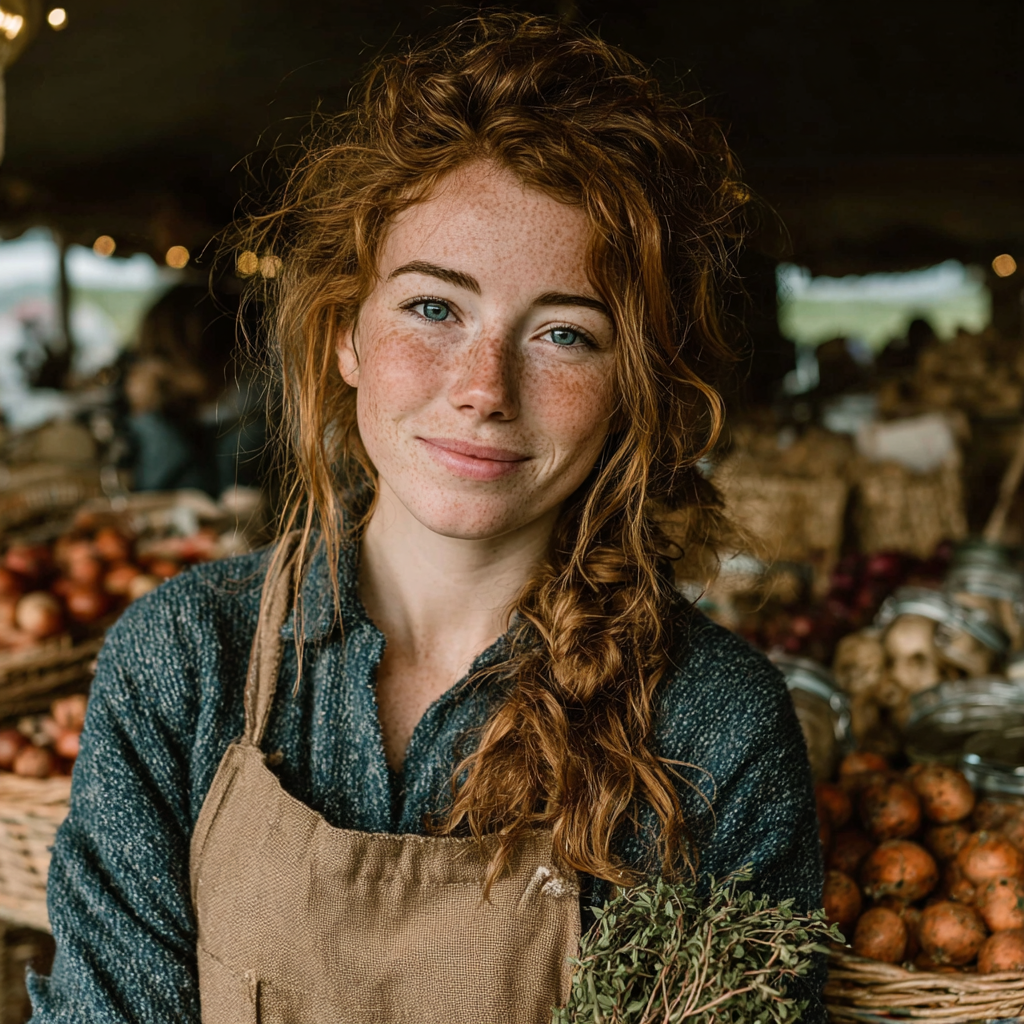
Sophie Brennan is an Irish food writer and historian who believes the best stories are told over long lunches. She has eaten her way through 47 countries and still dreams about Copenhagen rye bread.
By Sophie Brennan
Irish food writer and historian based in Lisbon. Sophie combines her background in medieval history with a passion for contemporary gastronomy. She has written for Condé Nast Traveller and authored two cookbooks exploring Celtic and Iberian culinary traditions.