
Introduction
The first thing you learn in Prague is that water costs more than beer. At Lokál Dlouhááá on a Tuesday afternoon, a half-liter of Pilsner Urquell runs 46 CZK (about $2.10), while a bottle of water sets you back 49 CZK. This is not a gimmick. It is a statement of values. In a city that has been brewing since before Columbus sailed, beer is not a luxury — it is infrastructure.
But Prague's food story is deeper than cheap pints. After the Velvet Revolution in 1989, Czech cuisine was stuck in a decades-long loop of communist-era institutional cooking: heavy dumplings, powdered sauces, goulash that tasted like it came from a factory rather than a grandmother's kitchen. A generation of young chefs grew up on that food, hated it, and decided to rebuild it from the ground up. The result is one of Europe's most fascinating culinary landscapes — a city where you can eat a fried cheese sandwich that hasn't changed since the 1960s for lunch, and a twelve-course tasting menu from a Michelin-starred kitchen for dinner, all within the same afternoon.
This guide is for the hungry traveler who wants to understand Prague through its stomach. You will not find day-by-day itineraries here. Instead, we move through the city thematically: the beer halls that powered Bohemian culture, the markets where farmers still sell what they grew that morning, the new Czech kitchens that are redefining what Central European cuisine can be, the cafés where dissidents once plotted revolution, and the desserts that make skipping them feel like a crime against yourself.
Bring an appetite. And maybe a designated walker — you will need to move between meals.
The Beer Halls: Where Prague Still Lives
U Fleků: The 500-Year Conversation
Křemencova 11, Praha 1 (Staré Město) Open daily 10:00–23:00 | +420 224 934 019 Half-liter dark lager: ~75 CZK | Mains: 250–450 CZK
Walk into U Fleků and you are stepping into a building that has been brewing beer since 1499. That is not a marketing number. The brewery has operated continuously for over five centuries, surviving the Habsburg Empire, two world wars, Nazi occupation, and four decades of communist rule. The dark lager here — Flekovský ležák 13° — is brewed nowhere else on earth, and it tastes like history: rich, slightly sweet, with a roasted malt backbone that feels almost bready.
The interior is a warren of eight rooms, each with its own character. The Academy Hall, where 19th-century Czech intellectuals once gathered to debate literature and politics, still has its original stained glass and dark wood paneling. The Václavka Hall feels quieter, more intimate. If you visit in the evening, you may catch the Kabaret show — a folk performance that includes beer competitions, skits, and traditional music. It is touristy, yes, but it is also sincere, rooted in a tradition of pub entertainment that predates television by centuries.
Order the goulash. It is not the best in the city, but it is honest — beef slow-cooked in the dark lager itself, served with bread dumplings that absorb the sauce like sponges. The pork knuckle, roasted until the skin crackles, feeds two easily. Come with patience: the place is always crowded, and the waiters operate on Czech time — efficient but not rushed.
Lokál Dlouhááá: The Longest Pub in Prague
Dlouhá 731/33, Praha 1 (Staré Město) Mon–Sat 11:00–00:00, Sun 11:00–22:00 | +420 734 283 874 Half-liter Pilsner: 46 CZK | Mains: 150–280 CZK
At nearly 70 meters long, Lokál Dlouhááá is less a restaurant than a corridor dedicated to the art of the Czech beer hall. The design is deliberately austere: long wooden benches, stainless steel taps, and a ceiling crisscrossed with transparent cooling pipes that keep the unpasteurized Pilsner Urquell flowing from tank to glass. It looks like a 1970s school cafeteria, which is exactly the point. This is the anti-theme-pub.
The genius of Lokál is its focus on freshness. The beer is delivered daily and stored in tanks visible from the tap area. The bartenders are trained to pour it in four distinct styles: čochtan (almost no foam), hladinka (standard foam), šnyt (more foam), and mlíko (a glass of sweet, creamy micro-foam). Ask for the mlíko. It is essentially a beer milkshake, and it will change how you think about lager.
The menu changes daily, written on chalkboards and based on what local suppliers delivered that morning. The kitchen sources meat from its own butcher, focusing on heritage breeds like Fleckvieh cattle and Přeštice pigs. The fried cheese — smažený sýr — is the best version in the city: Edam coated in a precise triple breading that keeps the molten center from leaking into the fryer, served with buttered potatoes and house-made tartar sauce. The goulash is thickened not with flour but by reduction, deeply savory, flecked with caraway.
If you arrive without a reservation, put your name on the clipboard at the back and wait with a beer in hand. The place serves up to 1,300 people on busy days. It is loud, crowded, and absolutely essential.
U Zlatého Tygra: The President's Pub
Husova 228/17, Praha 1 (Staré Město) Mon–Fri 15:00–23:00, Sat–Sun 15:00–22:00 Half-liter: ~55 CZK
Bill Clinton drank here. So did Václav Havel, the playwright who became president and led Czechoslovakia through its transition to democracy. When Havel brought Clinton to U Zlatého Tygra in 1994, the Secret Service reportedly tried to clear the pub. Havel refused. This was his local, and he was not going to turn it into a fortress.
The pub has not changed much since. The interior is dark, narrow, and stubbornly unpretentious. The beer is Pilsner Urquell, served by waiters who have been working here for decades. The menu is limited — cheese, ham, sausage, bread — because the point is the beer and the conversation. Czech pubs are not places to eat elaborate meals; they are places to talk, argue, read the newspaper, and argue some more. This is where you come to understand the Bohemian temperament: skeptical, literary, allergic to authority.
Markets and Street Food: The Morning Ritual
Naplavka Farmers' Market
Rašínovo nábřeží, Praha 2 (New Town) Saturdays 8:00–14:00 (year-round)
Every Saturday morning, regardless of weather, the embankment along the Vltava River transforms into Prague's most democratic food space. The Naplavka market is where farmers from Moravia and Bohemia sell what they harvested or made that week — raw milk, farmhouse cheeses, forest mushrooms, cured meats, honey, and seasonal produce that hasn't seen a refrigerated truck.
The market is also a social ritual. Locals come here to shop, yes, but also to meet friends, walk dogs, drink coffee from the itinerant roasters who set up stalls, and gossip about the week. The river provides a backdrop that makes even a simple sausage feel cinematic. Come early — the best produce, particularly the wild mushrooms and heirloom tomatoes, sells out by 10:00.
Street Food Reality Check
The trdelník — a cylinder of dough roasted over coals and rolled in sugar and cinnamon — is everywhere in the Old Town. It smells incredible. It is also a tourist invention, not a Czech tradition. Locals do not eat this. It was created in the 1990s specifically for visitors. If you must try one, buy it from a stall that makes them fresh on the rotating spit rather than reheating pre-made tubes. Better yet, skip it entirely and save your sugar tolerance for what comes later.
The New Czech Kitchen: Rebuilding Tradition
Eska: Where Fermentation Meets Revolution
Pernerova 673/49, Praha 8 (Karlín) Mon–Fri 8:00–19:00, Sat–Sun 9:00–19:00 | +420 731 140 884 Lunch mains: 250–350 CZK | Six-course tasting menu: ~1,800 CZK
Eska is the restaurant that made Karlín — a working-class neighborhood devastated by the 2002 floods — into Prague's most exciting food district. Housed in a converted factory with industrial-chic interiors and massive windows, it operates as part bakery, part restaurant, and entirely focused on fermentation, slow processes, and Czech ingredients reinterpreted through a modern lens.
The sourdough bread is baked in-house and served warm with salted butter on a cold stone. It alone is worth the metro ride to Karlín. The lunch menu changes daily based on market ingredients — you might find smoked carp with horseradish, fermented beet with goat cheese, or hay-smoked duck. The six-course tasting menu, served in the evenings, explores Czech flavors through unexpected preparations: potatoes cooked in ash, artichoke dumplings, dry-aged beef with bone marrow and onions.
The bakery section opens at 8:00 and serves some of the best pastries in Prague. The cardamom bun and sourdough croissant are local legends. By 10:00 on Saturday, there is usually a queue. No reservations accepted for the bakery — arrive early, queue graciously, and reward yourself with a coffee from the house roaster.
Field: A Michelin Star in the Old Town
U Milosrdných 12, Praha 1 (Staré Město) Mon–Fri: Lunch 11:00–14:30, Dinner 18:00–22:30 Sat: 12:00–15:00, 18:00–22:30 | Sun: 12:00–15:00, 18:00–22:00 +420 725 170 583 | Tasting menu: ~2,500–3,500 CZK
Head chef Radek Kašpárek earned Field its Michelin star within its first year of operation — a rare achievement that speaks to the ambition and precision of this kitchen. The cuisine is modern European with deep Czech roots: clean flavors, seasonal ingredients, and presentations that are artistic without being performative.
The full tasting menu with wine pairing is the way to experience Field. Courses might include a theatrical amuse-bouche where you fish your own "truffle" from a pile of leaves, pickled lamb with fish emulsion and mountain trout caviar, or grilled rabbit belly with shiitake mushrooms, foie gras, and young herbs finished tableside by a server who crushes dried mushroom dust over the plate with citrus oil and buckwheat tamari.
Field is also notable for its sophisticated non-alcoholic pairing options — spiced fruit juices matched to each course with the same care as the wine selection. Reservations are essential and held for only 15 minutes. Dress smart casual. The dining room is intimate, focused, and quietly intense.
The Grand Cafés: Revolution with Your Coffee
Café Savoy: The Ceiling Is the Point
Vítězná 124/5, Praha 5 (Malá Strana) Open daily 8:00–22:30 (weekends from 9:00) | +420 731 136 144 Breakfast/brunch: 200–400 CZK | Mains: 250–450 CZK
Opened in 1893, Café Savoy is a love letter to the Austro-Hungarian Empire's coffee culture. The neo-Renaissance ceiling soars seven meters overhead, hand-painted and gilded, restored in 1992 after decades of communist neglect. The space was a popular meeting place for dissidents after the Velvet Revolution, and today it attracts a mix of tourists, elderly locals reading newspapers, and young professionals working on laptops.
The breakfast menu is extensive — eggs Benedict, French toast, Czech pastries — but the real draw is the větrník, a caramel-glazed choux pastry filled with vanilla and caramel whipped cream. It is the best version in Prague, and possibly the best pastry in the city. The café's own hot chocolate, thick and dark, is another standout. Arrive before 9:00 on weekends to avoid the queue, or make a reservation for the balcony overlooking the main floor.
Café Louvre: Where Kafka Ate Breakfast
Národní 22, Praha 1 (Nové Město) Mon–Fri 8:00–23:30, Sat–Sun 9:00–23:30 | +420 224 930 949 Mains: 250–400 CZK
Franz Kafka, Albert Einstein, and Karel Čapek all ate here. Café Louvre opened in 1902 and survived the twentieth century through a combination of luck, stubbornness, and repeated reconstructions. The current interior, restored in 1995, recreates the Art Nouveau grandeur of the original: marble tables, tall mirrors, pastel walls, and a billiard hall in the back where Prague's intellectuals once played while debating politics and literature.
The atmosphere is the point. This is not a place for quick coffee; it is a place to linger, read, and observe. The menu balances Czech classics — svíčková (marinated beef sirloin in cream sauce with cranberry compote and whipped cream) — with international options. Breakfast is served until noon. The attached billiard hall preserves another layer of history, a space where business, politics, and culture once intersected over clicking balls and cigarettes.
Visit in the late afternoon (15:00–17:00) for the most authentic atmosphere, when locals arrive for svačina — the Czech afternoon coffee-and-cake ritual. No reservations needed except for weekend brunch.
Desserts: The Czech Sweet Tooth
The Větrník at Café Savoy
Address and hours above.
This deserves its own mention. The větrník is a choux pastry with a caramelized sugar crust, filled with whipped cream that has been infused with both vanilla and caramel. The result is crunchy, airy, rich, and not overly sweet. Café Savoy's version won a taste test conducted by Prague food writers against thirteen competitors. It is not a matter of opinion. It is fact.
Ovocné Knedlíky: Fruit Dumplings as Religion
These are not dessert dumplings in the American sense. They are closer to gnocchi — light, pillowy dough wrapped around fresh fruit (strawberries, plums, or apricots in season), boiled, then rolled in buttered breadcrumbs, sugar, and sometimes grated tvaroh (a fresh Czech cheese similar to ricotta). The result is warm, comforting, and somehow both substantial and delicate.
Most traditional Czech restaurants serve them. Order them as a main course at lunch, as Czechs do, or share a plate as dessert. The best versions use seasonal fruit rather than preserves. In summer, the strawberry version is transcendent.
Buchty: The Real Czech Pastry
At Eska's bakery, look for buchty — traditional Czech buns filled with quark (tvaroh), poppy seeds, or plum jam. They are baked fresh each morning, soft and yeasty, with a subtle sweetness that makes them perfect with coffee. Eska's version, filled with quark and lightly glazed, is the best in the city — "easily the best we have tried in all of Prague," as one local food writer put it.
What to Skip
Trdelník
The cinnamon-sugar chimney cakes sold on every corner of the Old Town are a post-1990 invention created for tourists. No Czech grandmother made these. They are not traditional. They are not even particularly good — the dough is often pre-made, reheated, and coated in sugar to mask the blandness. If you want a sweet pastry, go to Eska for a buchta or Café Savoy for a větrník.
Tourist-Zone Restaurants on Old Town Square
The restaurants directly facing the Astronomical Clock are universally overpriced and underwhelming. The views are spectacular. The goulash is not. Walk five minutes in any direction — toward Dlouhá, toward Národní třída, toward the river — and you will find better food at half the price.
The Beer Museum Tourist Pubs
Several establishments in the Old Town market themselves as "beer museums" or "Czech beer experiences." They are not museums. They are bars with overpriced flight boards and staff who pressure you into buying souvenir glasses. For an actual beer education, go to Lokál and watch the bartenders pour, or to U Fleků and read the historical plaques on the walls.
Practical Logistics
Money: The Czech Republic uses the koruna (CZK), not the euro. Some tourist-oriented places accept euros at poor exchange rates. Use a card with no foreign transaction fees, or withdraw koruna from ATMs. As of 2026, 100 CZK ≈ $4.40 USD.
Getting Around: Prague's metro, tram, and bus system is excellent. Buy a 24-hour pass (120 CZK) or a 3-day pass (330 CZK) and move freely. The city is also highly walkable — the Old Town to Karlín is about 25 minutes on foot, or three metro stops. Taxis are unnecessary; use Uber or Bolt for late-night rides.
Reservations: Eska and Lokál accept reservations online. Field requires reservations well in advance — book at least two weeks ahead for dinner. U Fleků and U Zlatého Tygra do not take reservations; arrive early or expect to wait. Café Savoy and Café Louvre accept reservations for large groups but not always necessary for couples.
Language: English is widely spoken in restaurants, particularly in the center. Learning a few Czech phrases — "Dobrý den" (good day), "Pivo, prosím" (beer, please), "Děkuji" (thank you) — will earn you warmer service.
Tipping: Round up or add 10%. Some pubs operate on tally sheets where the waiter marks your beers as you order; tell them the total (including tip) before they process your card.
Meal Timing: Czechs eat lunch early (12:00–13:00) and dinner relatively late (19:00–21:00). Many restaurants close between lunch and dinner service. If you are hungry at 16:00, your options may be limited to cafés and pubs.
Seasonal Notes: In summer, Prague's beer gardens come alive — Riegrovy Sady in Vinohrady offers sunset views over the Old Town with a cold beer in hand. In winter, the Christmas markets serve svařák (mulled wine) and trdelník, but also genuinely good street food: sausages, potato pancakes, and hot honey wine. The markets at Old Town Square and Wenceslas Square are the most touristy; smaller ones in Vinohrady or Anděl feel more local.
A Final Note: Why Prague Matters
Prague's food scene is often misunderstood. It is not Paris or Tokyo. It does not have the density of Michelin stars or the global media attention. What it has is something more interesting: a cuisine that is actively rebuilding itself from the rubble of a failed political system, using the ingredients of a landlocked Central European country with limited agricultural diversity, and doing so with creativity, humor, and a stubborn refusal to take itself too seriously.
The Czech Republic is a small country. It has no coastline. Its winters are long and its growing season is short. And yet, in the past two decades, a generation of chefs has taken these constraints and made them into a distinctive cuisine — one that is rooted in fermentation, preservation, and the deep flavors of root vegetables, pork, cabbage, and beer. It is a cuisine of resourcefulness, which is perhaps the most Czech quality of all.
You will eat well here. You will eat cheaply. You will drink better beer than you have ever tasted. And if you pay attention, you will understand something about how a culture survives oppression, adapts to freedom, and finds its way back to the table — not with nostalgia, but with hunger.
Meet the Author
Sophie Brennan writes about food, culture, and the places where they overlap. She has spent the last decade reporting from Central and Eastern Europe, with a particular focus on how post-communist cities are rebuilding their culinary identities. She believes the best way to understand a city is to eat what its grandmothers cooked, then ask what its young chefs are changing. Her work has appeared in several international publications. She maintains a strict policy of never writing about a restaurant she hasn't visited at least twice.
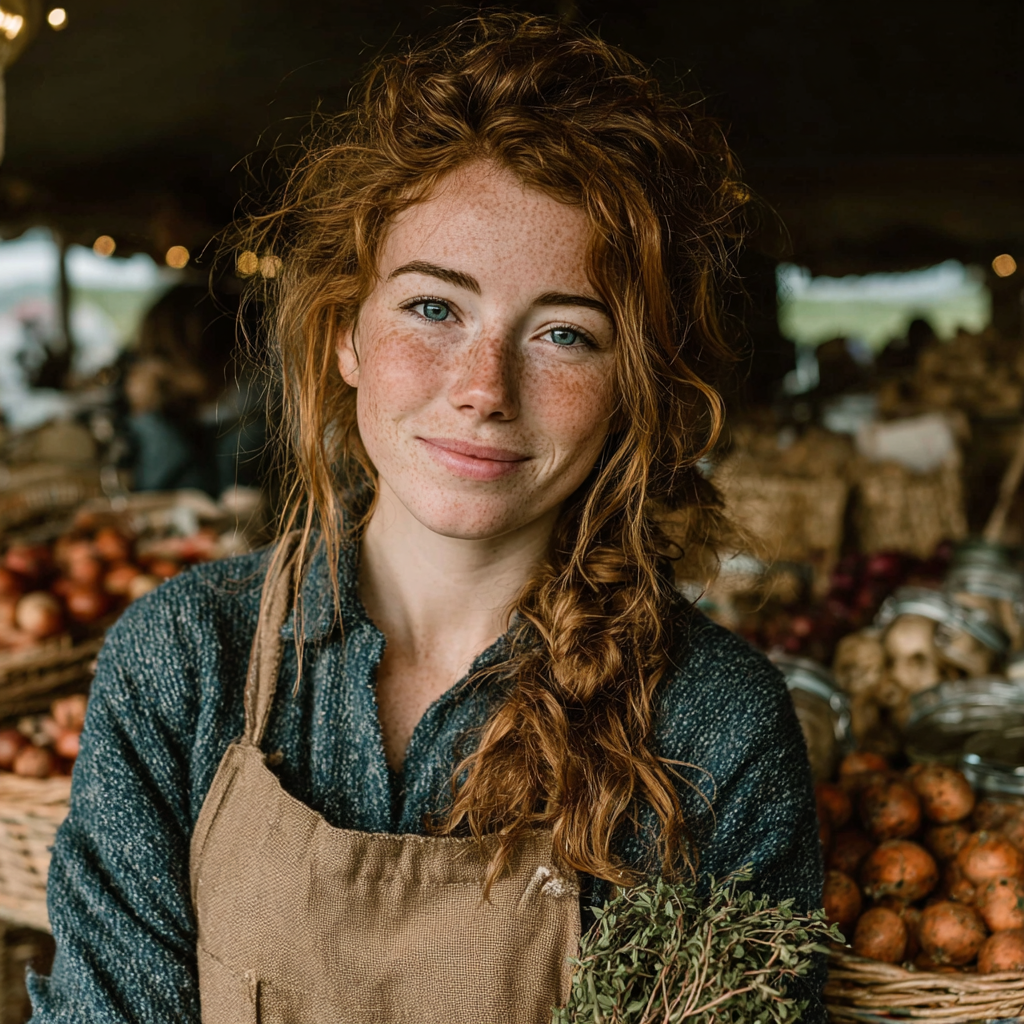
By Sophie Brennan
Irish food writer and historian based in Lisbon. Sophie combines her background in medieval history with a passion for contemporary gastronomy. She has written for Condé Nast Traveller and authored two cookbooks exploring Celtic and Iberian culinary traditions.