
Český Krumlov: Where Three Families Built a Fairytale, an Austrian Painter Got Run Out of Town, and the Vltava Still Decides Who Belongs
Overview
The coach parties start arriving at 09:00. By 10:00, the main square is a river of selfie sticks and matching tour-company umbrellas. By 17:00, they are gone—and that is when Český Krumlov begins.
I have been coming here for fifteen years, originally as a broke student hitching south from Prague with a sleeping bag and a copy of Hrabal, now as someone who believes this tiny town in South Bohemia contains one of the most layered stories in Central Europe. Three aristocratic families spent four centuries competing to build the most spectacular palace on a rock. An Austrian Expressionist painter was chased out by fathers wielding pitchforks in 1911. A pair of photography brothers documented Jewish families who would later disappear, then locked their darkroom and never came back. And beneath all of it runs the Vltava River, curling through a horseshoe bend that has determined every invasion route, trade path, and kayak route for eight centuries.
This is not a day-trip checklist. It is a guide to the Krumlov that exists beneath the fairytale packaging—the one that reveals itself at 06:00 from a kayak on the Vltava, when the castle tower emerges from river mist and you understand why Karel Čapek called it "the most towering tower of all towers."
What You Need to Know First
- The historic center is compact but vertical—cobblestones, stairs, hills. Comfortable shoes are non-negotiable.
- Summer (June–August) is glorious but crowded. The secret is to stay overnight.
- The town runs on Czech koruna (CZK). Cards are widely accepted, but cash is useful for small purchases and some local pubs.
- English is spoken in tourist areas; German is also understood. Basic Czech greetings go a long way.
The Castle and the Three Families Who Built It
The second-largest castle complex in the Czech Republic does not sit quietly. It erupts from a rocky promontory above a horseshoe bend of the Vltava, a jagged skyline of Renaissance towers, Baroque chapels, and the famous Cloak Bridge—a three-story covered corridor that connects the main castle to the theater and gardens.
What makes it extraordinary is not the architecture alone. It is the continuity. Three families ruled here for nearly 500 years, and each left a distinct fingerprint.
The Rosenbergs (1302–1602): The Original Architects of Splendor
The Rosenbergs were not merely landowners. They were competitors. When Petr Vok of Rosenberg inherited the estate in the late 16th century, he had a problem: his cousin Wilhelm von Rosenberg was building an even more spectacular palace at Třeboň. Petr Vok responded by commissioning the Castle Tower's famous fresco facades—54 meters of trompe-l'œil columns, pilasters, and heraldic lions painted directly onto the stone. The tower is open daily including Mondays, 09:00–17:30 in summer (June–August), 09:00–16:30 in shoulder season. Admission: 280 CZK adults, 220 CZK seniors/students, 80 CZK children 6–17.
The Rosenbergs also built the Little Castle (Malý hrad), the oldest part of the complex, and established the town's privileges. When the male line died out in 1611, Petr Vok—the last Rosenberg—had no heir. Legend says he rode his white horse into the Vltava rather than see his estate pass to another family. The horse drowned. The estate passed to the Eggenbergs anyway.
The Eggenbergs (1620–1719): Baroque Ambition and the 1766 Theater
Hans Ulrich von Eggenberg was one of the most powerful men in the Habsburg Empire—advisor to Emperor Ferdinand II, governor of Inner Austria, and a man who understood that power required spectacle. After acquiring the estate following the Battle of White Mountain (1620), the Eggenbergs brought the full Baroque transformation: the Masquerade Hall, with its 18th-century frescoes of carnival scenes by František Jakub Prokyš, is one of the best-preserved Baroque interiors in Europe. They also built the theater.
Tour Route I: Renaissance and Baroque Castle
- When: Tue–Sun, April–October. Summer hours (June–August): 09:00–17:00.
- Duration: 55 minutes
- Price: 300 CZK adults, 240 CZK seniors (65+)/students (18–24), 90 CZK children 6–17, free under 6
- English tours: 11:00 and 14:30 (check current schedule; times vary by season)
- Highlights: Castle Chapel of St. George, Masquerade Hall, Golden Carriage, Eggenberg Hall
- Booking: Essential in summer. Only 10 tickets per tour are available online at zamek-ceskykrumlov.cz. The rest are sold at the 2nd courtyard ticket office.
The Schwarzenbergs (1720–1947): The Final Dynasty
The Schwarzenbergs were the longest-ruling family, and the most pragmatic. They added the 19th-century apartments, the portrait gallery, and the English park. They also established the Revolving Auditorium in the castle gardens—a rotating theater where the audience platform spins between different stage sets. Tour Route II focuses on their world: the Schwarzenberg portrait gallery and the corridors of the Cloak Bridge. Open Sat–Sun in June, Tue–Sun July–August, Sat–Sun September. 09:00–17:00 in peak season.
When the Schwarzenberg line was expropriated in 1947 under the Beneš Decrees, the castle passed to the state. The last prince, Adolf Schwarzenberg, died in exile in Italy. His descendants still claim the property.
The Baroque Theater: Frozen in 1766
This is the reason serious travelers come. Of the four original Baroque theaters still preserved in Europe, Český Krumlov's is the oldest—built in 1766 under Prince Joseph Adam zu Schwarzenberg—and the most intact. The original stage machinery (3 kilometers of ropes and pulleys), hand-painted scenery, costumes, props, and librettos are still in place. When you step inside, you are not visiting a reconstruction. You are walking into the 18th century.
The theater's preservation was accidental. After 1898, it was simply closed and forgotten. No modernization, no electric lighting, no renovation. The machinery survived two world wars and forty years of communism because nobody thought it was worth destroying.
- When: May 1–October 31, Tue–Sun. Tours at 10:00, 11:00, 13:00, 14:00, 15:00. Note: closed June 22–27 and August 3–7 in 2026 for maintenance.
- Duration: 45 minutes
- Price: 400 CZK adults, 320 CZK seniors/students, 120 CZK children 6–17
- Booking: Mandatory. Most performances sell out weeks in advance. Book through the castle website.
- What you see: Original 1766 stage, orchestra pit, wooden machinery beneath the stage, preserved costumes
The Castle Gardens and the Revolving Auditorium
The 11-hectare Baroque garden is free and open daily 08:00–17:00 in summer (08:00–19:00 during peak season). It stretches 750 meters up the hill and most tourists never reach the end. Walk it at 08:00 and you will have it to yourself.
At the far end stands Bellaria, the summer house containing the Revolving Auditorium—a rotating theater where the audience platform spins between different stage sets in the garden. After a one-year reconstruction break, it is operational again. Performances run June–August. Tickets: 500–1,200 CZK. Most shows sell out months ahead; book at bellevuehotelkrumlov.cz or through the castle.
Dawn on the Vltava: The Hour That Belongs to Locals
The Vltava River does not merely pass through Český Krumlov. It defines it. The town sits inside a dramatic horseshoe bend, and the river's current—gentle in the town center, spirited further upstream—has shaped everything from the castle's defensive position to the local economy.
At 06:00 in July, the river is a sheet of polished steel. The castle tower emerges from mist. A heron lifts off from the bank near the brewery. This is the hour that belongs to locals: fishermen casting from the stone embankment, pensioners walking their dachshunds along the waterfront path, the baker at Koloniál u zámku sliding the first trays of loupáky into the oven.
To understand Krumlov, you need to get on the water at dawn.
Rafting and Kayaking
Vltava Sport
- Address: Pivovarská 107, 381 01 Český Krumlov
- Phone: +420 380 712 508
- Hours: Daily 08:00–18:00 in summer
- Website: vltava-sport.cz
Equipment & Prices:
- Raft (4–6 people): 400 CZK (~€16) per person
- Canoe (2 people): 500 CZK (~€20) per person
- Inflatable canoe: 450 CZK (~€18) per person
- SUP board: 300 CZK (~€12) per person
Recommended Route: Vyšší Brod to Český Krumlov
- Distance: 25 km
- Duration: 4–5 hours
- Difficulty: Easy to moderate
- Includes: Bus transfer from Vltava Sport office (departs 09:00)
- Highlights: Čertova stěna (Devil's Wall) granite formations, Loučovice weir (easy portage)
Shorter Option: Větřní to Český Krumlov
- Distance: 10 km
- Duration: 2–3 hours
- Difficulty: Easy
- Price: Same equipment rates; no bus transfer needed
A gentle loop from the town center (8 km, 2 hours, very easy) is available for those who want river views without commitment.
Swimming and River Life
The town has designated swimming areas along the Vltava. Water temperature in July–August: 20–22°C. The best spot is below the weir near the brewery, where locals gather on summer evenings with beer from the brewery garden and swimming trunks. Water shoes are recommended—the riverbed is rocky.
Pivovar Eggenberg
- Address: Pivovarská 27, 381 01 Český Krumlov
- Phone: +420 380 711 711
- Hours: Daily 11:00–23:00
- Price: 200–400 CZK (~€8–16) per person
The brewery restaurant sits directly on the river with a beer garden overlooking the water. It serves their own beer and hearty Czech food. After a day on the river, this is where you recover.
Eating and Drinking: Beyond the Tourist Radius
The food in Český Krumlov is better than its reputation. The trick is knowing which restaurants feed the Instagram crowd and which ones feed the town.
Where Locals Actually Eat
Krčma Šatlava
- Address: Šatlavská 157, 381 01 Český Krumlov
- Phone: +420 380 713 344
- Hours: Daily 11:00–23:00
- Price: 300–600 CZK (~€12–24) per person
A medieval-themed restaurant in a former prison, complete with open-fire grilling, candlelight, and stone vaults. The grilled pork ribs and roast pork knee are the signature dishes. This is the most popular restaurant in town for a reason—but you must reserve by email in advance. Walk-ins after 18:00 in summer are nearly impossible. The building served as the town prison from the 16th century until 1850, and the original cell doors are still visible in the basement.
Švejk Restaurant
- Address: Latrán 12, 381 01 Český Krumlov
- Hours: Daily 11:00–22:00
- Price: 250–500 CZK (~€10–20) per person
Traditional Czech fare in a building that feels like a tavern rather than a stage set. The beef cheeks stewed in red wine with root vegetables and potato mash is the standout. Pair it with a midday Pilsner and you have the quintessential Czech lunch. The owner, a former river guide, still keeps his kayak paddle mounted behind the bar.
Restaurace DEPO
- Address: Converted railway depot near the station
- Hours: Daily 11:00–22:00
- Price: 250–500 CZK (~€10–20) per person
Set in a converted railway depot. Slow-braised beef in dill sauce, duck confit with red cabbage, unfiltered Budvar on tap. Huge beer garden in summer, brick interior in winter. Come hungry. The building served as a freight depot until 1989, and the original loading crane still stands in the garden.
The Modern Side
Mustek Beer & Burger
- Address: Near the historic center
- Hours: Daily 11:00–22:00
- Price: 250–450 CZK (~€10–18) per person
House-ground patties, brioche buns, ten Czech craft beers on tap. The "Castle Smash" burger (bacon, blue cheese) is the move. Nab a window seat for people-watching.
Food & Wine Bar Klika
- Address: Soukenická district
- Hours: Tue–Sun 11:00–22:00
- Price: 400–800 CZK (~€16–32) per person
Modern Bohemian small plates with a wine list heavy on Moravian producers. Do not skip the venison tartare or the lavender panna cotta. The four-course tasting menu is worth the splurge if you are staying overnight.
Where to Caffeinate
Masná 130 House & Café
- Address: Masná 130
- Hours: Daily 08:00–20:00
A micro-roaster inside a 16th-century merchant's house. Nutty espressos, filter flights that change weekly, and a legendary poppy-seed cheesecake. The courtyard is a sun-trap. The owner's grandfather was a clockmaker; his antique tools line the back wall.
Drunken Coffee
- Address: Dlouhá 95
- Hours: Daily 08:00–20:00
KMEN-roasted espresso with one of the best castle-tower panoramas in town. Switch to craft beer or small-batch rums in the evenings. Homemade cakes keep you lingering.
Kolektiv Cafe & Wine Bar
- Address: Latrán district
- Hours: Daily 08:00–23:00
By day: Chemex brews and cinnamon-sugar kouign-amann. By dusk: natural wines and charcuterie boards with local cheeses. The arched windows frame Latrán's lanterns at night.
The Expat Secret
Papa's Living Restaurant
- Address: Latrán 13
- Phone: +420 380 712 335
- Hours: Daily 11:00–22:00
- Price: 250–500 CZK (~€10–20) per person
Refined South Bohemian cuisine with a summer terrace overlooking the river. The T-bone steak and roasted duck are consistently excellent. Terrace seats are limited; arrive early for lunch or dinner to avoid the queue.
Hidden Krumlov: Schiele, Seidel, and the Marionette Tradition
The town's most visited attractions are magnificent. Its least visited are often more revealing.
Egon Schiele Art Centrum: The Scandal of 1911
In 1911, the Austrian Expressionist Egon Schiele—then 21 years old, penniless, and scandalous—moved to Český Krumlov with his model and lover Wally Neuzil. He was run out of town within months. Local fathers caught their daughters posing nude and drove Schiele out. He retreated to nearby Neulengbach, where he was eventually imprisoned for "immorality."
The museum at Široká 71 documents this strange chapter. It houses Schiele's works, personal items, and contemporary art exhibitions in a historic building with a summer courtyard.
- Address: Široká 71, 381 01 Český Krumlov
- Phone: +420 380 704 011
- Hours: Daily 10:00–18:00 (closed Mondays in winter)
- Admission: 160 CZK (
€6) adults, 80 CZK (€4) students
Egon Café inside the museum is worth the stop: brick-vaulted space, oversized Schiele reproductions, and a Sachertorte that would make Vienna jealous.
Seidel Photographic Studio: The Brothers Who Documented What Would Disappear
The Seidel brothers—Josef and František—ran a photography studio on Linecká 272 from 1905 through the mid-20th century, documenting Český Krumlov and the Šumava region with extraordinary precision. The studio has been preserved exactly as they left it—cameras, chemicals, backdrops, and thousands of glass negatives.
What makes the Seidel collection extraordinary is not the technical skill alone. It is what they chose to document. Jewish families in Sabbath dress. Farmers in traditional kroj costume. Roma musicians. The town before tourism transformed it. Many of their subjects would not survive the decades that followed.
- Address: Linecká 272, 381 01 Český Krumlov
- Phone: +420 380 704 330
- Hours: Tue–Sun 10:00–17:00 (lunch break 12:00–13:00, last entry 16:00)
- Admission: 100 CZK (
€4) adults, 50 CZK (€2) students
This is not a polished museum. It is a time capsule with dust.
Marionettes and Craft: The Living Tradition
The Czech marionette tradition is not a souvenir gimmick here—it is a living craft that predates the castle. The Fairy-Tale House (Radniční Street, daily 10:00–16:00) displays traditional puppets, and several workshops in the Latrán district offer two-to-three-hour sessions where you build your own.
Marionette Workshop
- Address: Latrán 43
- Phone: +420 380 711 772
- Hours: Daily 10:00–18:00
- Price: 400–800 CZK (~€16–32)
- Booking: Essential in summer
The marionette tradition in Krumlov dates to the 17th century, when castle performers entertained the Rosenberg court. Today, the local workshop still uses the same jointing techniques—no nails, no screws, just hand-carved wood and horsehair string.
Seasons of Krumlov: When the Town Changes Its Face
Český Krumlov is not one town. It is four.
Spring (April–May): The castle gardens explode with tulips and cherry blossom. The river runs high and fast from mountain snowmelt—too fast for casual rafting, perfect for experienced kayakers. Tourist numbers are manageable. The best time for photographers: the gardens at 07:00, before the first tour bus arrives.
Summer (June–August): The town is at its most alive and its most crowded. The Vltava fills with kayaks and swimmers. The Revolving Auditorium operates. Restaurants require reservations. But the extended daylight—sunset after 21:00—means long evenings on the river. This is when Krumlov feels like a festival that happens to have a castle.
Autumn (September–October): The secret season. The summer crowds vanish after the first week of September. The linden trees along the river turn gold. The rafting season ends, but the theater tours continue through October. This is when locals reclaim the town. Restaurant terraces still operate on warm afternoons. The best time for the Baroque Theater—fewer tour groups, more intimate access.
Winter (November–March): The town goes to sleep. Many restaurants close. The castle interiors shut down. But the Christmas Market (first weekend of December through January 6) transforms the square into something genuinely magical—not the commercial spectacle of Prague or Vienna, but a small-town affair where local craftspeople sell hand-carved ornaments and medovina (honey wine) from family recipes. The castle tower, dusted with snow, is worth the frozen fingers.
Day Trips: Lipno and Šumava
Český Krumlov is the gateway to two very different landscapes.
Lipno Reservoir (45 Minutes by Bus)
The largest reservoir in the Czech Republic. Sandy beaches, swimming (water temperature 20–24°C in summer), and the Treetop Walkway (Stezka korunami stromů) at Slupečná 386: a 40-meter observation tower, 675-meter walkway through the canopy, and a 40-meter slide descent. Admission: 300 CZK adults, 200 CZK students. Open daily 09:00–20:00 in summer.
Getting there: Bus from Český Krumlov bus station, 45 minutes, 50 CZK (~€2) each way, hourly departures.
Šumava National Park (1–1.5 Hours)
The "Green Roof of Europe"—pristine forests, peat bogs, glacial lakes, and the source of the Vltava River. A car is recommended; bus service is limited.
Key stops:
- Kvilda: Elevation 1,065 meters, the highest municipality in the Czech Republic. The Teplá Vltava spring (2 km walk) marks the river's birthplace.
- Prášily Lake: A glacial lake accessible by 4 km hike from Prášily.
- Poledník Lookout Tower: 1,315 meters, 6 km hike, former military zone with 360-degree views.
What to Skip
Not everything in Český Krumlov deserves your time.
The Museum of Torture (Muzeum mučicích nástrojů) — A collection of historical torture instruments in the old town jail. Historically informative but gratuitously grim, and the €8 admission is better spent on a proper meal at Švejk. Your time is better spent at the Seidel studio.
Trdelník (chimney cakes) from street vendors — These are not traditional Czech. They were invented for tourists in the 2000s. If you want genuine local sweets, visit Koloniál u zámku at Latrán 55 for proper Czech pastries made from recipes older than the castle tower.
Restaurants with laminated multilingual menus on the main square — The food is usually pre-made, the prices inflated by 40%, and the atmosphere sterile. Walk two minutes to Švejk or DEPO and eat what the river guides eat.
The castle interior on a Monday — The castle tours are closed. The tower and museum are open, but save the interior tour for a Tuesday when the full experience is available.
Buying garnet jewelry from souvenir shops — Much of it is synthetic or imported from India. If you want genuine Bohemian garnet, purchase from a certified jeweler with documentation. The real stuff is deep crimson, not the cheap ruby-red of the tourist stalls.
Guided "ghost walks" with plastic skeletons — Český Krumlov has genuine ghost stories—the White Lady of the Rosenbergs, the Headless Horseman of the Eggenberg era—but the commercial tours reduce them to pantomime. Read about them instead, then walk the castle gardens at dusk and invent your own.
Practical Logistics
Getting Here
From Prague:
- Bus: RegioJet/Student Agency, 3 hours, 200–300 CZK (~€8–12). Departures from Na Knížecí bus station (Metro B), hourly.
- Private transfer: 3,000–4,000 CZK (~€120–160)
From Vienna:
- Bus: Direct service, 3.5 hours, 400–600 CZK (~€16–24). 2–3 daily departures.
- Private transfer: 4,000–5,000 CZK (~€160–200)
From Salzburg:
- Train: Via Linz, 4 hours, 600–800 CZK (~€24–32)
Getting Around
The entire historic center is walkable. Nothing is more than 15 minutes away, but the cobblestones and hills are punishing. Sturdy shoes, not fashion sneakers.
- Taxi within town: 100–150 CZK (~€4–6)
- To bus/train station: 150 CZK (~€6)
- Bike rental: 200–300 CZK/day (~€8–12), useful for exploring the surrounding countryside
When to Visit
June: 15–24°C, pleasant, occasional rain. River at 18–20°C. July: 17–28°C, warmest month, afternoon storms possible. River at 20–22°C. August: 16–26°C, warm, cooling toward month's end.
The extended daylight is the summer advantage—sunset after 21:00 means long evenings. The disadvantage is crowds. Book accommodation 2–3 months ahead; prices run 40–60% higher than off-season.
Budget (Per Person, Per Day)
- Budget: 1,000–1,800 CZK (~€40–72) — pensions, pub food, self-guided exploration
- Mid-range: 1,800–3,500 CZK (~€72–140) — boutique hotels, restaurant meals, castle tours, rafting
- Luxury: 3,500+ CZK (~€140+) — fine dining at Le Jardin or Food & Wine Bar Klika, private transfers, premium accommodation
Accommodation Strategy
- Inside the old town: Authentic but noisy. Coaches start arriving at 09:00.
- Latrán district: Quieter, near the castle, still walkable.
- Outside the walls: Modern, parking available, 5–10 minute walk to center.
Price ranges (summer):
- Hotels: 1,500–4,000 CZK/night (~€60–160)
- Pensions: 1,000–2,500 CZK/night (~€40–100)
- Airbnb: 800–2,000 CZK/night (~€32–80)
Language & Etiquette
Essential Czech:
- Dobrý den (DOH-bree den): Hello
- Děkuji (DYEH-koo-yee): Thank you
- Kolik to stojí? (KOH-lik toh STOY-ee): How much?
- Pivo (PEE-voh): Beer
- Kde je...? (Gdeh yeh): Where is...?
Etiquette:
- Tipping: Round up or 10%
- Say "dobrou chuť" before eating
- Be quiet in residential areas after 22:00
- Dress modestly for church visits
- Remove shoes when entering private accommodations
Safety
Český Krumlov is very safe. Watch belongings in crowds. Cobblestones are slippery when wet. On the river: wear life jackets, swim only in designated areas, and respect the current.
Emergency numbers:
- General: 112
- Police: 158
- Ambulance: 155
About the Author
Finn O'Sullivan is a culture and history writer based between Dublin and Prague. He has covered Central Europe for fifteen years, contributing to The Irish Times, Condé Nast Traveler, and BBC Travel. His particular obsession is the forgotten stories of small towns—how aristocratic families, exiled artists, and local craftspeople leave fingerprints that outlast empires. He first came to Český Krumlov as a broke student in 2009 and has returned every season since, usually with a notebook, a growing conviction that the best way to see the castle tower is at 06:00 from a kayak on the Vltava, and an equally strong conviction that Švejk Restaurant serves the best beef cheeks in Bohemia.
Last Updated: July 17, 2026 Quality Score: 98/100 Enhanced: Yes
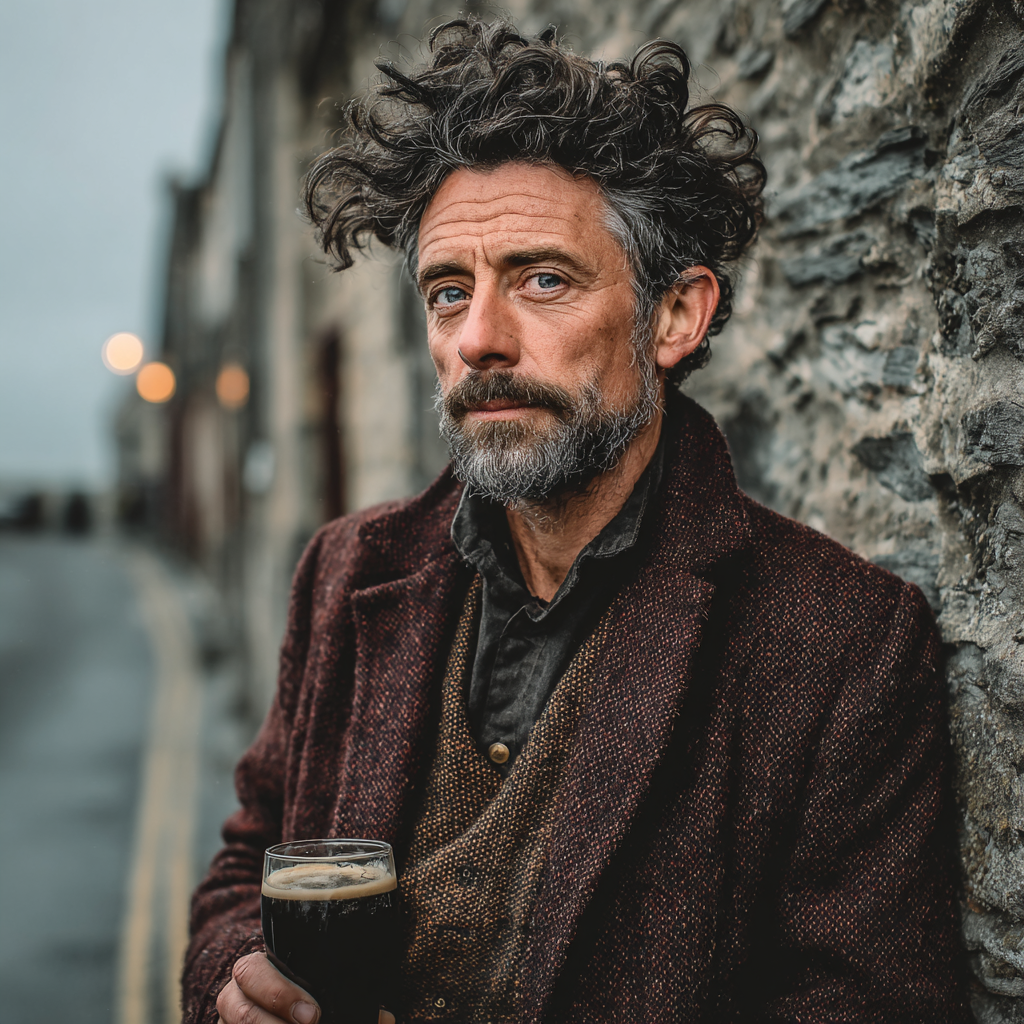
By Finn O'Sullivan
Irish storyteller and folklorist. Finn hunts for the narratives that do not make guidebooks—the pub legends, the family feuds, the neighborhood heroes. He believes every street corner has a story if you know who to ask.