
Havana: A Food and Drink Guide to Cuba's Resilient Kitchen
About This Guide
I'm Sophie Brennan, an Irish food writer and historian who has spent the last fifteen years eating my way through cities that know how to suffer and still cook. I came to Havana expecting disappointment — everyone warned me the food was terrible, that I'd live on rice and beans, that the state restaurants would break my heart. They were half right. The state restaurants are still mostly awful. But the paladares — the illegal-turned-legal private kitchens run out of family homes, back patios, and crumbling Art Deco apartments — are producing some of the most exciting food in the Caribbean. This guide covers the Havana I found after three weeks of eating twice a day, talking to chefs who smuggle ingredients in diplomatic bags, and learning that the best meal in Cuba is always the one that shouldn't have been possible.
The Paladar Revolution: Understanding Havana's Food Scene
For decades, Cuba had a reputation for terrible food. State-run restaurants served grey mystery meat on institutional plates. Tourists left wondering how an island with such agricultural potential could produce such dull meals. That reputation was earned. But it is also outdated.
Since the government loosened restrictions on private enterprise in the 2010s, a generation of Cuban chefs has built something genuinely exciting. The paladar — a privately owned restaurant, often run out of a family home — has become the backbone of Havana's food scene. There are now hundreds of them across the city, ranging from backyard barbecues to rooftop dining rooms that would not look out of place in Mexico City or Lisbon.
The challenge every paladar faces is supply. There are no wholesale markets. No Sysco trucks. Chefs buy ingredients from the same state shops and informal markets as everyone else, or they rely on networks of cousins with fishing boats, farmers in Pinar del Río, and the occasional suitcase smuggled in from Miami. When you eat well in Havana, you are tasting not just skill but logistical ingenuity.
Old Havana: Where the Density Keeps Standards Sharp
La Guarida
Address: Concordia 418, between Gervasio and Escobar, Centro Habana
Hours: Daily 12:00–15:00, 19:00–23:00
Price: Mains 1,500–2,500 CUP (~$15–25 USD at informal rates)
Reservations: Essential. Call +53 7 866 9047 or ask your casa host to book.
On the third floor of a crumbling neoclassical mansion, you climb a marble staircase past peeling frescoes and hanging laundry to reach a dining room where the ceiling is held up by exposed steel beams. La Guarida has been the most famous paladar in Cuba since the 1990s, and it is still worth the hype. The lamb in red wine reduction and the malanga fritters are consistent standouts. The menu changes daily depending on what the chef can source. The place fills with diplomats, filmmakers, and the occasional celebrity, but the staff treat everyone the same — friendly and slightly chaotic. Come for the food, stay for the view from the balcony: a perfect frame of Havana's decayed grandeur.
San Cristóbal
Address: San Rafael 469, between Lealtad and Campanario, Centro Habana
Hours: Daily 12:00–15:00, 19:00–23:00
Price: Mains 1,200–2,800 CUP
Reservations: Recommended for dinner
Three blocks away, San Cristóbal occupies the ground floor of a 19th-century townhouse stuffed with religious iconography, vintage clocks, and enough decorative clutter to fill three antique shops. President Obama ate here in 2016. The lobster in creole sauce is the thing to order, though the ropa vieja — shredded beef stewed in tomatoes and peppers until it falls apart — is the more honest dish. The owner, Carlos, still greets guests himself and will recommend a wine from the small but decent cellar.
El del Frente
Address: O'Reilly 304, between Habana and Lamparilla, Old Havana
Hours: Daily 12:00–23:00
Price: Dinner for two with drinks ~5,000 CUP
Reservations: Recommended for rooftop terrace
Opened in 2017 and immediately became the place where young Habaneros take their first dates. The rooftop terrace looks out over the cathedral dome, and the menu mixes Cuban classics with international touches: ceviche with plantain chips, pulled pork tacos, grilled octopus with black bean purée. The mojitos here are properly made — fresh mint, good rum, not too sweet — which sounds like a low bar until you have had the syrupy versions served to tourists on the Malecón.
Doña Eutimia
Address: Callejón del Chorro 60-C, Plaza de la Catedral, Old Havana
Hours: Daily 12:00–22:00
Price: Lunch under 1,000 CUP per person
Reservations: Not essential but wise for lunch
Smaller and less polished, but serves the best congrí in the city. This dish of rice and black beans cooked together with pork fat and spices is the foundation of Cuban cuisine. Here it arrives in a generous mound with fried pork chunks, yuca with garlic mojo, and a salad of avocado and tomato. The courtyard seating is shaded by a mango tree. This is the best value in Old Havana and the meal I send every first-time visitor to eat.
Vedado: Where Locals Actually Eat
Cross the harbor tunnel or take a taxi to Vedado, the residential neighborhood west of the old city. This is where Havana's middle class lives, where the university is, and where you find the places that locals actually frequent.
Café Laurent
Address: Calle M 257, between 19 and 21, Vedado
Hours: Daily 12:00–15:00, 19:00–23:00
Price: Mains 1,500–2,500 CUP
Reservations: Essential for terrace tables, book 2 days ahead
On the top floor of a 1950s apartment building, Café Laurent has a wraparound terrace and a menu that reads like a love letter to Italian-Cuban fusion. The chef trained in Rome, and the pasta with lobster is genuinely good, though the real draw is the penthouse view of the city at sunset.
Ivan Chef Justo
Address: Aguiar 9, between Peña Pobre and Avenida del Puerto, Old Havana
Hours: Daily 12:00–23:00
Price: 3,000–4,000 CUP per person
Reservations: Essential
In a restored colonial building, Ivan Chef Justo is run by a former private chef to Fidel Castro. The duck foie gras appetizer is rich and precise, and the fish croquetas are the best I have had in Cuba. The wine list is short but carefully chosen. This is one of the few places in Havana where you can have a meal that feels fully professional from start to finish.
Jibaro
Address: Calle 23 between 10 and 12, Vedado
Hours: Daily 10:00–22:00
Price: Mains 800–1,500 CUP
A newer paladar that locals guard jealously. The chef worked in Barcelona before returning to Havana, and it shows in plates like the octopus with chimichurri and the pork belly with pineapple glaze. The dining room is simple — white walls, wooden tables, Cuban jazz on the stereo — but the food speaks loudly. No reservations, so arrive before 13:00 or after 20:30.
Breakfast: The Quietest Meal
Breakfast in Havana is not a celebrated meal, but it should be. Most casas particulares serve a simple spread: eggs, fruit, bread, coffee. But the real action is outside.
Café El Escorial on Plaza Vieja (Mercaderes 317) opens at 09:00 and roasts its own beans. Their cortadito — espresso cut with steamed milk — is dark, bitter, and strong enough to wake the dead. A cup costs 150 CUP. They also serve decent pastries.
For something more substantial, La Chuchería on Calle 23 in Vedado does a Cuban-style breakfast plate: eggs any style, tostones, ham, cheese, and a tropical fruit smoothie for about 600 CUP. It opens at 08:00 and fills with university students.
Street Food: How Havana Actually Eats
Street food is not a sideshow. It is how most people eat.
Pan con lechón — roast pork stuffed into a crusty roll with sour orange — appears at dusk along the Malecón from vendors with portable grills. Cost: ~100 CUP. The best ones set up near the intersection with Prado around 18:00.
Pizza sold from windows across the city is nothing like Italian pizza: thick chewy dough, gouda cheese, sweet tomato sauce. Cost: 50–150 CUP depending on toppings. Eat it standing up, folded in half, like the students and construction workers do. The window at the corner of Neptuno and Consulado in Centro Habana is legendary among locals.
Churros appear in early evening, fried to order and dusted with sugar, best eaten while walking through Central Park. A paper cone costs 50 CUP. The vendor near the Gran Teatro is reliably good from 17:00 onwards.
Cafecito — sweetened espresso from a metal pot — is sold from windows in private homes across the city. A shot costs 25–50 CUP and fuels the entire workforce. Look for the small handwritten signs: "Café." There is one on nearly every block.
Rum: The National Religion
Cuba produces some of the best rum in the world, priced absurdly cheap by international standards.
- Havana Club 7-Year: The standard. Smooth, caramel-heavy. ~300 CUP per measure in bars, ~2,000 CUP per bottle at state shops.
- Santiago de Cuba 12-Year: Darker, more complex. For sipping slowly. ~400 CUP per measure.
- Black Tears: Spiced rum infused with coffee and cacao. Works beautifully in cocktails. ~3,500 CUP per bottle.
- Havana Club Selección de Maestros: The premium expression. Oak, tobacco, dried fruit. ~6,000 CUP per bottle.
Buy bottles at La Casa del Ron (Avenida del Puerto 102, Old Havana; open 10:00–18:00) for guaranteed authenticity and fair prices. Avoid buying from random individuals — counterfeiting is common.
Cocktails: Beyond the Hemingway Slush
Bar Yarini
Address: San Ignacio 352, between Teniente Rey and Muralla, Old Havana
Hours: 18:00–02:00
Price: Cocktails 400–700 CUP
Three blocks from the tourist pilgrimage site El Floridita, young Cuban bartenders do inventive work with local rum, fresh tropical fruit, and herbs from the nearby market. The mojito with basil and passion fruit is worth the trip alone.
O'Reilly 304
Address: O'Reilly 304, downstairs from El del Frente
Hours: 17:00–00:00
Price: Cocktails 350–600 CUP
Does a mean old fashioned with Santiago de Cuba 11-Year and local bitters. The crowd is young, loud, and mostly Cuban.
El Floridita
Address: Obispo 557, corner of Monserrate, Old Havana
Hours: 11:00–00:00
Price: Daiquiris 600+ CUP
Yes, Hemingway drank here. Yes, it is overcrowded and overpriced. Yes, the drinks are blended into sugary slush. Go once for the history, then go to Yarini for the actual drinking.
Local Stories: The Havana That Doesn't Make the Menu
The Last Legal Slaughterhouse: In the 1990s, during the worst of the Special Period, beef was illegal for private citizens to buy or sell. The government controlled all meat distribution. But Cubans still wanted to eat. In Centro Habana, a family ran a secret butcher shop out of their ground-floor apartment for nearly a decade, buying stolen cattle from rural farmers and selling cuts to trusted neighbors through a back window. The police knew about it. Everyone knew about it. It stayed open because the alternative was worse. That apartment is now a private restaurant. The owner still has the original meat hooks hanging in the kitchen as a joke.
Obama's Dinner That Changed Nothing: When President Obama ate at San Cristóbal in March 2016, the world's press descended. For two weeks, you could not get a table. The owner, Carlos, added a "Presidential Menu" at triple the normal price. Then the Trump administration tightened the embargo, tourism collapsed, and Carlos quietly removed the menu. The restaurant survived because locals kept coming. The lesson: Havana's food scene runs on Cuban persistence, not American tourists.
The Inventor of the Cuban Sandwich: The sandwich was not invented in Havana. It was invented in Florida by Cuban immigrants. But try telling that to a Habanero. In the early 2000s, a café near the Capitolio began serving "El Cubano Original," claiming to have discovered the true recipe in a 19th-century cookbook. The bread was wrong. The pickles were wrong. It was a mediocre sandwich with excellent marketing. The place closed within a year. The lesson: Cubans know their own food. Tourists do not.
One Perfect Day in Havana
08:00 — Cortadito and a pastry at El Escorial on Plaza Vieja. Watch the square wake up.
09:30 — Walk through Old Havana, stopping at the churro vendor near the Gran Teatro. Sugar and caffeine fuel the morning.
12:30 — Lunch at Doña Eutimia. Order the congrí, the ropa vieja, and guava lemonade. Sit under the mango tree.
14:30 — Walk the Malecón. Stop for a pan con lechón from the vendor near Prado.
16:00 — Coffee at a window cafecito stand. Chat with the owner about the baseball results.
19:00 — Drinks at Bar Yarini. Try the passion fruit mojito.
20:30 — Dinner at El del Frente. Request the rooftop terrace. Order the octopus, the tacos, and another mojito.
22:30 — Nightcap at O'Reilly 304. Talk to the bartender about rum. Buy a bottle of Santiago de Cuba 12-Year to take home.
Where to Stay for Food Lovers
Casa Vitrales (Calle 60 #406, Playa) — A beautiful casa particular run by a family who will cook you breakfast that rivals any paladar. ~3,500 CUP per night.
La Reserva Vedado (Calle 21 #103, Vedado) — Modern, clean, walking distance to Café Laurent and Jibaro. The owner maintains a list of which paladares are open each night. ~4,000 CUP per night.
Hostal Balcones (Merced 20, Old Havana) — Colonial building with balconies overlooking the street. Steps from Doña Eutimia and the best street food. ~2,500 CUP per night.
What to Skip
- El Floridita for anything beyond a single photo. The daiquiris are overpriced sugar water.
- Any state-run restaurant with "Nacional" in the name. They have not improved since the 1990s.
- The lobster at places that charge in euros. It is almost always frozen, imported, and flavorless. Eat lobster only at established paladares with local supply chains.
- The "Cuban sandwich" anywhere in Havana. It is a Florida invention. What you get here is an approximation made for tourists.
- Chain hotel restaurants. The Meliá, Iberostar, and similar properties serve sanitized, overpriced versions of Cuban food that bear no resemblance to what locals eat.
- Anything called " fusion" in a hotel. It is neither Cuban nor whatever it claims to fuse.
Practical Logistics
Getting There: José Martí International Airport (HAV) is 20 km southwest of the city. A taxi to Old Havana costs ~2,500 CUP. Negotiate the price before getting in.
Getting Around: Walking covers Old Havana. Taxis (almendrones — shared vintage American cars) run fixed routes for 50–100 CUP. Private taxis negotiate prices. Download maps offline — Wi-Fi is limited to hotels and certain public squares.
When to Go: November to April for cooler weather and reliable ingredients. July and August are brutally hot and humid, and food spoilage becomes a real issue.
Cash: Bring cash. Most paladares do not accept foreign credit cards. The informal exchange rate for US dollars runs roughly 100–120 CUP per dollar as of early 2026, but this fluctuates. Ask your casa particular host for the current rate.
Reservations: Essential at La Guarida, San Cristóbal, Ivan Chef Justo, and El del Frente rooftop. For the rest, arrive early or late — Cubans eat lunch around noon and dinner after 20:00.
Tipping: 10 percent is standard and appreciated.
Power Outages: They happen. A good paladar has a generator. Ask before you sit down if the lights are already flickering.
Water: Drink bottled. Tap water is not safe for visitors. Bottled water costs 80–120 CUP in paladares, 40–60 CUP in shops.
The Honest Truth
Dining in Havana requires patience. Ingredients disappear without warning. The power cuts out. A dish listed on the menu may not be available because the chef could not find pork shoulder that morning. Menus are suggestions, not promises. But this unpredictability is also what makes the good meals feel earned. When a plate of freshly caught snapper arrives at Vista Mar in Miramar, grilled simply with lime and served with a view of waves crashing over the seawall, the context — the shortages, the improvisation, the sheer effort required to put that fish on your plate — makes it taste better.
If you have only one meal in Havana, make it lunch at Doña Eutimia. Order the congrí, the ropa vieja, and a lemonade made with fresh guava. Sit in the courtyard under the mango tree. Listen to the street noise filtering through the walls. That is the taste of the city: not perfect, not polished, but alive.
Last Updated: August 2026
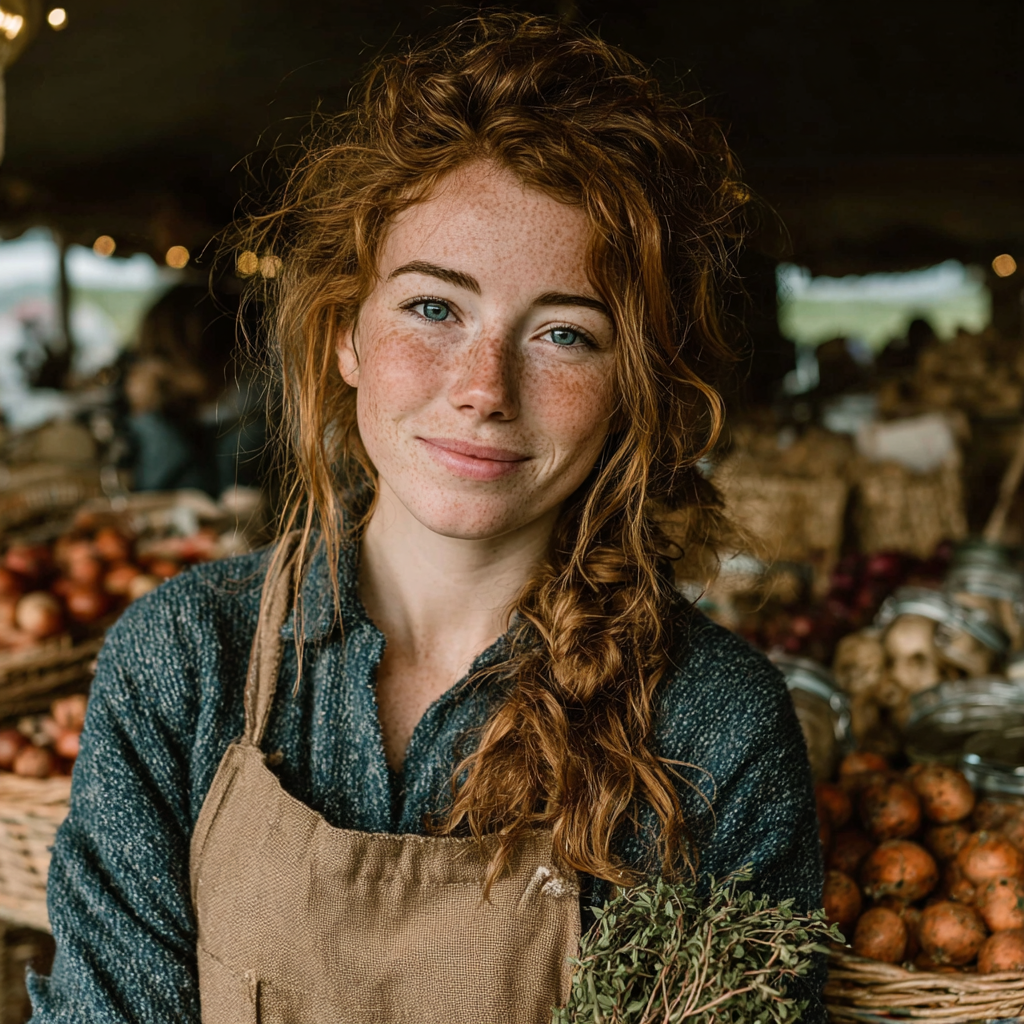
By Sophie Brennan
Irish food writer and historian based in Lisbon. Sophie combines her background in medieval history with a passion for contemporary gastronomy. She has written for Condé Nast Traveller and authored two cookbooks exploring Celtic and Iberian culinary traditions.