
Dubrovnik Food & Drink: Where Locals Eat, What to Skip, and the Peka You Must Order Three Hours Ahead
By Sophie Brennan | Food & Drink, Culture & History
There is a moment in Dubrovnik when the cruise ship crowds thin out, the afternoon sun dips behind the Baroque bell tower, and the limestone streets of the Old Town finally exhale. That is when the city reveals itself—not the postcard version with the city walls and the Stradun, but the real one: fishermen hauling crates of oysters at the Pile Gate, grandmothers selling lavender honey in Gundulić Square, and the smell of roasted lamb drifting down from the Srđ hill above.
Dubrovnik's food culture is stubbornly local. The Dalmatian coast has spent centuries resisting the homogenization of tourism. Here, olive oil is still pressed from groves that predate the Republic, wine is made from grapes grown on impossibly steep hillside terraces, and the concept of "fast food" is a cevapi that takes two hours to arrive because the owner insists on grinding the meat fresh. This is not a city that bends for outsiders. It rewards patience, curiosity, and the willingness to walk up a hill for lunch.
This guide is for the traveler who wants to eat what Dubrovnik actually eats—not the rubbery squid on the Stradun that was frozen three weeks ago, but the slow-roasted peka that a grandmother in Bosanka has been perfecting for forty years. It is for the person who will skip the cable car to eat oysters in a stone alley, who understands that the best wine bar in the city is hiding behind a wall on Prijeko, and who knows that sometimes the most honest meal in Croatia is served by a Bosnian family who has been feeding Dubrovnik since before the war.
The Old Town Core: Where to Eat Without the Tourist Traps
The Old Town is a labyrinth of limestone and tourists, but it is also where some of the most honest food in Dubrovnik lives. The trick is knowing which alleys to turn down and which glowing menus to ignore.
Kopun: Renaissance Dining in a Medieval Alley
Tucked away on Poljana Ruđera Boškovića 7, just off the main square, Kopun is one of the strangest and most wonderful restaurants in Dubrovnik. The space is a vaulted stone cellar that feels like it should be serving mead and venison to a 16th-century merchant fleet. Instead, it serves capun—roasted capon, the traditional Dalmatian dish that was once the centerpiece of aristocratic feasts in the Republic of Ragusa.
The Experience: The capon is slow-roasted with honey and dried fruit, a recipe drawn directly from the archives of Dubrovnik's Renaissance kitchens. The result is a bird that is impossibly tender, with skin that crackles like parchment and meat that tastes of herbs and history. It is not a light meal. It is a declaration.
What Else to Order: The pašticada (Dalmatian braised beef) is cooked for two days in wine and vinegar. The seafood risotto is honest and unpretentious, studded with squid and mussels that were likely swimming that morning.
The Details:
- Address: Poljana Ruđera Boškovića 7, 20000 Dubrovnik
- Phone: +385 (0) 20 323 969
- Hours: 11:00–24:00 daily (March–November only; closed in winter)
- Price: Mains €18–25, full meal with wine €35–45 per person
- Reservation: Recommended for dinner, especially in July and August. Call ahead or ask your hotel to book.
Pro Tip: Sit in the back courtyard if you can. The stone walls hold the afternoon heat, and the acoustics make every conversation feel like a secret.
Taj Mahal: The Bosnian Soul of Dubrovnik
If you ask a local where to eat in the Old Town, they will not send you to a seafood restaurant. They will send you to Taj Mahal, a Bosnian institution hiding in plain sight at Nikole Gučetića 2, just steps from the Cathedral. The name is a bit of a joke—the owner has a sense of humor about the expectations of tourists—but the food is dead serious.
The Experience: The ćevapi here are legendary. They are small, hand-rolled sausages of beef and lamb, grilled over charcoal and served on a metal platter with raw onions, kajmak (a clotted cream cheese), and somun bread that is baked fresh in the back kitchen. The sausages are dense, smoky, and deeply satisfying. The wait is the price of admission: on busy nights, the wait can stretch to two or even four hours. No reservations. You put your name on the list, order a beer, and wait on the steps outside like everyone else.
The Details:
- Address: Nikole Gučetića 2, Dubrovnik
- Phone: +385 (0) 20 323 221
- Hours: Lunch and dinner daily (no specific hours posted; arrive before 19:00 to beat the rush)
- Price: Ćevapi platter €10–14, full meal €15–20
- Reservation: Not accepted. Arrive early or be prepared to wait.
Pro Tip: The somun is the unsung hero here. Do not fill up on bread before the platter arrives, but absolutely do use it to mop up the kajmak and meat juices. The locals do not use a knife and fork for this. You should not either.
Kamenice: Oysters in the Market Square
In the southeast corner of Gundulićeva Poljana (Gundulić Square), there is a small stone kiosk that does not look like much from the outside. This is Kamenice, and it is the most honest seafood experience in the Old Town. The kiosk has been serving oysters and mussels for decades, and the owner is a fixture of the square, shucking shells with a speed that suggests muscle memory built over a lifetime.
The Experience: The oysters here are from Ston, the legendary oyster beds on the Pelješac peninsula just up the coast. They are served on ice with nothing but a squeeze of lemon. The mussels are cooked in a classic buzara style—white wine, garlic, olive oil, and a handful of breadcrumbs to thicken the sauce. You eat standing up, or perched on a nearby wall, watching the market vendors pack up for the day.
The Details:
- Location: Gundulićeva Poljana (Gundulić Square), southeast corner, Dubrovnik Old Town
- Hours: Open during market hours, roughly 07:00–14:00 daily except Sunday
- Price: Oysters €2–3 each, mussels €8–12 per portion
- Reservation: Not needed; it is a counter-service stall
Pro Tip: Come just before noon. The market vendors will be finishing their morning sales, and the grain will be thrown for the pigeons at exactly 12:00—a Dubrovnik tradition that draws a crowd and a flapping of wings that is equal parts charming and chaotic.
Bakus: The Wine Bar Locals Do Not Want You to Find
Prijeko Street is the Old Town's restaurant row, and most of it is forgettable. But halfway down, behind an unmarked wall at Prijeko ulica 6, there is Bakus—a wine bar that feels like a secret even when it is full. The space is small: a narrow front room with a few tables, and a back courtyard that opens up like a hidden courtyard in a novel. The walls are stone, the lighting is candlelight, and the wine list is a love letter to Croatia.
The Experience: The owner, Jacob, is a wine evangelist. He will pour you a Dingač from the Pelješac peninsula, explain the difference between Pošip and Grk, and let you taste before you commit. The food is simple: cheese platters, charcuterie boards, small bites that exist to give you something to do between glasses. The atmosphere is the draw. This is where you come after dinner, or instead of dinner, to understand that Croatian wine is not an afterthought—it is the point.
The Details:
- Address: Prijeko ulica 6, 20000 Dubrovnik
- Phone: +385 98 644 645
- Hours: 11:00–01:00 daily
- Price: Glass of wine €4–8, cheese platters €10–15, total per person €15–25
- Reservation: Not necessary for a drink, but the back tables fill up quickly after 20:00
Pro Tip: Ask for the Dingač. It is the king of Croatian reds, a Plavac Mali grape grown on steep, sun-baked slopes above the sea. It tastes like the Dalmatian coast distilled into a glass: dark, tannic, and unforgettable.
Morning Rituals: Coffee, Markets, and the Dubrovnik Pace
If you want to understand Dubrovnik, wake up early. The city before 08:00 is a different place entirely. The cruise ship crowds have not yet descended, the stone streets are cool, and the locals are out doing what they have done for centuries: drinking coffee, buying produce, and moving slowly.
Gradska Kavana Arsenal: Breakfast Where the Republic Ate
There is no better place to watch the Old Town wake up than Gradska Kavana Arsenal, the grand café on the main square. The terrace faces the clock tower and the Orlando Column, and on summer mornings, it is filled with locals reading newspapers and drinking espresso with the unhurried pace that defines Mediterranean life. The café is technically a tourist restaurant, but the locals still come here because the location is unbeatable and the breakfast is honest.
The Experience: Order a caffe latte and a slatki zdenka (a sweet cheese pastry) or a simple omelet with cherry tomatoes. The real pleasure is the terrace: the bells ringing on the hour, the pigeons scattering, and the slow arrival of the day. The café was built in 1895, and the space still carries the weight of that history. This is where the Republic of Ragusa would have taken its morning coffee, and the feeling is not lost.
The Details:
- Address: Pred Dvorom 1, 20000 Dubrovnik
- Hours: 08:00–23:00 daily
- Price: Breakfast €8–12, coffee €2–3, full breakfast with pastry and juice €10–15
- Reservation: Not needed for breakfast; dinner reservations recommended
Pro Tip: The eastern terrace, around the back, overlooks the old port and the Lazareti complex—the oldest quarantine structure in Europe, built in 1377. It is a quieter spot with a view that most tourists miss.
Gundulićeva Poljana Market: The Living Heart of the Old Town
Every morning except Sunday, Gundulićeva Poljana (Gundulić Square) transforms into an open-air market that has been operating in some form for over three hundred years. The square is small—just a few dozen stalls—but the selection is everything a Dalmatian cook needs: fresh figs and tomatoes, local lavender and rosemary, olive oil sold in unmarked bottles, and homemade grappa (rakija) that could strip paint.
The Experience: The market opens around 07:00 and runs until early afternoon. The vendors are local farmers and fishermen, many of whom have been selling here for decades. The produce is seasonal and intensely local. In July, the tomatoes are impossibly sweet. In September, the figs are bursting. In October, the grapes arrive from the Pelješac vineyards. The market is not a curated experience for tourists. It is a working market, and the prices reflect that.
The Details:
- Location: Gundulićeva Poljana, Dubrovnik Old Town (eastern end, near the Cathedral and Jesuit Stairs)
- Hours: 07:00–14:00 daily except Sunday
- Price: Varies by season; expect to pay €5–10 for a bag of produce, €8–15 for olive oil, €3–5 for a bottle of rakija
The Noon Ritual: At exactly 12:00, the market closes in a tradition that has been observed for centuries. Grain is thrown for the pigeons, and the square erupts in a flapping of wings that is both charming and chaotic. It is worth timing your visit to catch this moment.
Pro Tip: The honey here is exceptional. Look for the stalls selling lavender honey and sage honey—flavors that are specific to the Dalmatian hinterland and impossible to find in supermarkets.
Beyond the Walls: The Best Meals Require a Walk
The Old Town is beautiful, but it is also a trap. The best food in Dubrovnik is outside the walls, in the neighborhoods where the locals actually live. To find it, you need to climb a hill, take a bus, or follow a road that looks like it leads nowhere.
Konoba Dubrava: The Peka Worth the Climb
Konoba Dubrava is not in Dubrovnik. It is in Bosanka, a tiny village on the slopes of Srđ hill, the mountain that looms behind the Old Town. The restaurant is a 20-minute drive up a winding road, or a grueling hike if you are feeling ambitious. The view from the terrace is the entire city, the Adriatic, and the islands beyond. But the view is not the reason you come. You come for the peka.
The Experience: Peka is a Dalmatian institution: meat (usually lamb or octopus) and potatoes, slow-roasted under a domed iron lid that is buried in hot embers. The cooking time is two to three hours, which means you must order in advance. The result is meat so tender it falls off the bone with a glance, and potatoes that have absorbed the rendered fat and herbs into something transcendent. The octopus peka is the signature, but the lamb is the classic. Either way, you will need a group. A peka is a communal dish, and the portions are designed for four to six people.
The Details:
- Address: Bosanka, Srđ hill, Dubrovnik
- Phone: +385 95 420 4000
- Email: [email protected]
- Hours: Lunch and dinner daily (reservation required)
- Price: Peka for 4–6 people €80–120 total (€20–30 per person), wine and starters extra
- Reservation: Mandatory. The peka must be ordered at least 3 hours in advance. Call or email in the morning for dinner, or the day before if possible.
Getting There: Take a taxi (€15–20 from the Old Town) or drive. The road is narrow and winding but paved. There is also a hiking trail from the city walls, but it is steep and takes 45–60 minutes.
Pro Tip: Order a bottle of Dingač from the Pelješac peninsula. The vineyard is visible from the terrace on clear days, and drinking wine while looking at the vines that produced it is one of the great pleasures of Dalmatia.
Konoba Bonaca: Where the Fishermen Eat
In Sustjepan, a fishing village 15 minutes west of the Old Town, there is a stone restaurant on the water that has no business being as good as it is. Konoba Bonaca is a local hangout, a place where fishermen drink beer after their morning catch and where the menu is whatever came in on the boat that day. It is not polished. The tables are plastic, the wine is served in carafes, and the owner is likely to ignore you for the first ten minutes because he is busy arguing with a regular. This is precisely why it is perfect.
The Experience: The grilled fish is the only thing to order. It is sold by weight, and the price is market rate. The fish is simply grilled with olive oil, lemon, and rosemary, and it arrives at the table with a salad of tomatoes and onions that tastes like summer. The pršut (Dalmatian prosciutto) is cut thick and served with cheese from the nearby islands. There is no menu in the traditional sense. You ask what is fresh, you negotiate the price, and you eat what the sea provides.
The Details:
- Address: Sustjepan, Dubrovnik (west of the city, on the water)
- Phone: +385 20 450 000 (landline), +385 98 847 026 (mobile)
- Hours: Lunch and dinner, closed Wednesdays
- Price: Grilled fish €15–25 per person (depending on the catch), pršut and cheese platter €12, wine by carafe €8–12
- Reservation: Not strictly necessary for lunch, but call ahead for dinner to ensure they have fish
Getting There: Take bus 1A or 1B from the Pile Gate (€2), or a taxi (€10–15). The ride is 10–15 minutes along the coast.
Pro Tip: Ask for the brodetto (fish stew) if they have it. It is a rustic, tomato-based stew that is rarely on tourist menus and is the true taste of the Dalmatian fisherman.
The Dalmatian Pantry: What to Eat and Drink
Dalmatian cuisine is not complicated. It is a product of poverty, sea access, and stubborn tradition. The ingredients are simple—olive oil, wine, seafood, lamb, herbs—but the execution is precise because there is nowhere to hide. A bad olive oil ruins everything. A mediocre wine is inescapable. The Dalmatians have spent centuries perfecting the basics, and the result is a food culture that is honest in a way that modern gastronomy often forgets.
Olive Oil: The Liquid Gold
Dalmatian olive oil is some of the best in the world, and it is produced from groves that have been cultivated since the Roman Empire. The oil is grassy, peppery, and intense. It is used liberally on everything—bread, fish, salad, vegetables—and it is never an afterthought. Look for oil from the Pelješac peninsula or the islands of Korčula and Brač. The best oil is sold in unmarked bottles at the Gundulić market or directly from the producers in the countryside.
Wine: The Grapes of the Coast
Croatian wine is a secret that the rest of the world is slowly discovering. The Dalmatian coast produces bold, sun-drenched reds and crisp, mineral whites that are perfectly suited to the local cuisine.
- Dingač: The king of Croatian reds. Made from Plavac Mali grapes grown on the steep, south-facing slopes of Pelješac. It is dark, tannic, and tastes of blackberries and the sea.
- Pošip: A white from Korčula that is crisp, citrusy, and ideal with seafood.
- Grk: A rare white from the sandy soils of Lumbarda on Korčula. It is dry, slightly saline, and unlike anything else in the Mediterranean.
- Plavac Mali: The workhorse red of Dalmatia. Lighter than Dingač but still robust, it is the wine you drink with grilled fish and lamb.
Pršut and Cheese: The Dalmatian Board
Dalmatian prosciutto (pršut) is cured by the bura, the cold, dry wind that blows down from the mountains. The result is a ham that is leaner and more intense than its Italian cousin. It is served thick-cut, with paški sir (a sharp sheep's cheese from the island of Pag) and olives. This is the Dalmatian appetizer board, and it is served everywhere from konobas to wine bars. The quality varies, but the best pršut comes from the islands of Hvar and Brač, and the best cheese is from Pag.
Seafood: The Rule of Proximity
The rule in Dalmatia is simple: the closer you are to the water, the fresher the fish. The best seafood restaurants are in the small villages along the coast, not in the Old Town. The fish is sold by weight and grilled simply. The sauces are minimal—olive oil, garlic, wine, lemon. The star is the fish itself. If you see a menu with elaborate cream sauces or heavy breading, walk away. That is not Dalmatian food. That is tourism.
Day Trips for the Food-Obsessed
Dubrovnik is a base, not a destination. The surrounding region is one of the richest food corridors in the Mediterranean, and a day trip is essential for anyone who wants to understand the depth of Dalmatian cuisine.
Pelješac Peninsula: Oysters and Wine
An hour's drive northwest of Dubrovnik, the Pelješac peninsula is a narrow finger of land that produces two of Croatia's greatest exports: oysters and Dingač wine. The oysters from Mali Ston are legendary—plump, briny, and harvested from beds that have been cultivated since Roman times. The wine is grown on slopes so steep that the vineyards must be terraced by hand. The combination is unbeatable.
What to Do: Visit the oyster farms in Mali Ston, eat oysters on the water, and drive to the vineyards near Orebić for a tasting of Dingač and Postup. The views of the Korčula channel are worth the trip alone.
Getting There: Rental car or organized tour. The drive is 45–60 minutes from Dubrovnik. There is also a bus, but the schedule is infrequent.
Cost: Oyster tasting €15–25, wine tasting €10–20, lunch €20–30.
Konavle Valley: The Dalmatian Hinterland
South of Dubrovnik, the Konavle valley is a green corridor of farmland, vineyards, and traditional villages that feels like a different country from the coast. This is where the lamb is raised, the cheese is made, and the old traditions of the Dalmatian interior survive. The food is heartier here: grilled meats, stews, polenta, and the kind of rustic wine that is sold in plastic bottles and tastes like earth and honesty.
What to Do: Visit the village of Čilipi for the traditional Sunday folklore (dancing, embroidery, and a feast), or eat at a farmhouse konoba that serves roasted lamb and homemade cheese. The Konavle Wine Route is a string of small wineries that produce robust reds and crisp whites from indigenous grapes.
Getting There: Bus from Dubrovnik to Čilipi (€3–5), or rental car. The valley is 20–30 minutes from the city.
Cost: Farmhouse lunch €20–30, wine tasting €8–15.
What to Skip: The Tourist Traps and the Overrated
Dubrovnik is full of restaurants that exist solely to serve the cruise ship crowd. They are easy to spot: they are on the Stradun, they have glowing menus in five languages, and they have a host standing outside aggressively recruiting passersby. Do not eat at these places. The food is overpriced, the seafood is frozen, and the experience is a waste of your time and money.
The Stradun: Any restaurant on the main street with outdoor seating and a menu featuring photos of the food is a trap. The rent on the Stradun is astronomical, and the only way to make money is to turn tables fast and serve cheap ingredients at premium prices. The seafood here is almost certainly not fresh. The olive oil is likely imported. The experience is designed for people who will be back on their ship by 18:00.
The Cable Car Restaurant: The restaurant at the top of the Srđ hill cable car has a spectacular view and mediocre food. The prices are inflated for the panorama, and the quality is not worth the cost. If you want the view, take the cable car, drink a coffee, and then eat lunch at Konoba Dubrava on the way down.
Any "Mediterranean Fusion" Restaurant: Dubrovnik does not need fusion. The local cuisine is already perfect. Restaurants that advertise "creative Mediterranean" or "modern Dalmatian" are usually code for overpriced, under-flavored dishes that have no connection to the region. If you see foam, spherification, or deconstructed anything, run.
The Gelato on the Main Square: The gelato sold in the Old Town is industrial and overpriced. If you need ice cream, walk five minutes to a side street and look for a local patisserie. Or better yet, skip the gelato and eat a rožata (Dalmatian crème caramel) at a konoba instead.
Practical Logistics: How to Navigate Dubrovnik Like a Local
When to Visit
Dubrovnik is a summer city, but the best months for food are May–June and September–October. The weather is warm, the produce is at its peak, and the tourist crowds are manageable. July and August are brutally hot and crowded, and many of the best local restaurants close for their own holidays in August. November to April is quiet, but many restaurants (including Kopun) close for the season, and the market is sparse.
Getting Around
The Old Town is pedestrian-only. You will walk everywhere. For trips outside the walls, the Dubrovnik bus system is efficient and cheap (€2 per ride). Taxis are plentiful but expensive (€10–20 for short trips). A rental car is essential for day trips to Pelješac or Konavle but useless in the Old Town itself, where parking is nonexistent.
Where to Stay
Stay in the Old Town if you want to be in the center of everything, but be prepared for stairs, noise, and small rooms. The Ploče Gate area (east of the Old Town) has excellent hotels with sea views and easy access to the city. Lapad (a neighborhood 3km west) is quieter, more local, and has better beaches. Gruž (the port area) is where the ferries leave and is convenient for island trips but less charming.
Budget Expectations
Dubrovnik is expensive by Croatian standards. A meal at a mid-range restaurant in the Old Town will cost €25–40 per person. A konoba outside the walls is €15–25. Wine by the glass is €4–8. The market is the cheapest option for breakfast and snacks (€5–10). A peka feast at Konoba Dubrava is €20–30 per person but requires a group. Plan for €60–80 per day for food and drink if you are eating out for all meals.
Etiquette
Dalmatians eat late. Lunch is at 13:00–15:00, and dinner is rarely before 20:00. Many restaurants do not open for dinner until 18:00. Tipping is not mandatory but appreciated—10% is standard. Coffee is a ritual, not a rush. Do not ask for a "to-go" cup. The locals will judge you. And if you are invited to a peka, arrive hungry. Very hungry. It is rude to leave food on the table, and there will be a lot of it.
About the Author
Sophie Brennan is a food writer and historian who has spent the last decade eating her way through the Mediterranean. She is particularly obsessed with the intersection of food and history—the way a recipe can carry the memory of an empire, a war, or a migration. She has eaten peka in Bosanka, oysters in Mali Ston, and cevapi on a stone step in Dubrovnik, and she believes that the best way to understand a place is to sit at a table and eat what the locals eat. She writes slowly, eats quickly, and never skips dessert.
"Don't worry. Even if the world forgets, I'll remember for you."
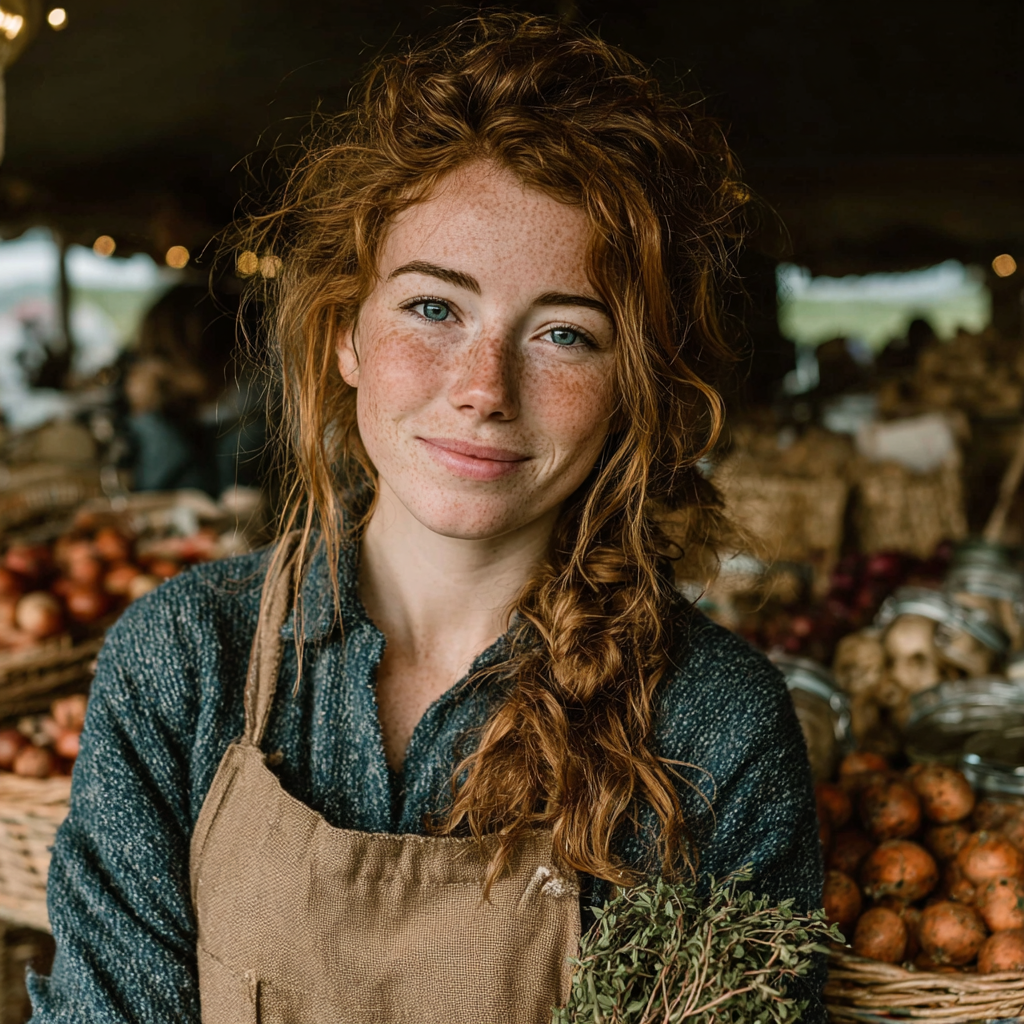
By Sophie Brennan
Irish food writer and historian based in Lisbon. Sophie combines her background in medieval history with a passion for contemporary gastronomy. She has written for Condé Nast Traveller and authored two cookbooks exploring Celtic and Iberian culinary traditions.