
Hvar: Where the Fish Was Swimming This Morning, the Wine Is 2,400 Years Old, and the Tourists Pay for the View
Sophie Brennan wrote this guide. She's an Irish food writer and historian based in Lisbon. Her work appears in Condé Nast Traveller and she's the author of two cookbooks on Celtic and Iberian culinary traditions. She travels slowly and eats seriously.
The old joke on Hvar is that the fish at your table was swimming this morning, the wine in your glass has been made the same way for two dozen centuries, and the bill reflects the third thing Hvar produces in bulk: tourists. The first two are true. The third you can outsmart, and this guide exists for that purpose.
The Wine: 2,400 Years and Still Pouring
Start in the Stari Grad Plain, the flat agricultural sea of vines and olives west of Stari Grad town. This is a UNESCO World Heritage Site (listed in 2008), and the reason is almost absurd: the field boundaries — the dry stone walls and the ancient plots called ager — were laid out by Greek colonists from Paros in the 4th century BC. That's not marketing copy. Archaeologists can read the cadastral division in the walls. People have farmed these exact parcels for roughly 2,400 years, making it one of the oldest continuously cultivated landscapes on earth. When you drink a Hvar wine here, you're drinking a working document.
The island's signature white is Bogdanuša ("god-given"), a light, dry, faintly honeyed variety that pairs with absolutely everything the Adriatic does. The red is Plavac Mali — the offspring of Zinfandel's ancestor Crljenak Kaštelanski — dark and tannic, best from the south-facing slopes around Ivan Dolac and Sveta Nedjelja where the vines grow on near-vertical stone terraces. And then there's Prošek, the sun-dried dessert wine that people confuse with Italian prosecco at their peril: it's sweet, strong (15%+), and tastes like raisins and burnt honey.
Vina Tomić in Jelsa (Put Sv. Mikule 6, up the hill from the harbor) is the essential visit. Their entry-level tasting runs six wines for around €30, with deeper flights at €50, €80, and a €150 premium level if you want to taste the library stuff. The cellar is genuinely medieval, the staff are farmers first and salespeople second, and the Bogdanuša and Plavac Mali bottlings are the reference versions. Open for tastings 25 April to 31 October, 10:00–19:00 in season; reserve ahead by phone (+385 98 339 660) or the website — they cap group sizes and July slots go days in advance.
Three more worth the drive:
- Plančić has wineries in both Vrboska and Sveta Nedjelja (the Sveta Nedjelja location is dug into the cliff under the rock face, with a terrace hanging over the sea). Tastings run €15–25. Their Plavac Mali "Plovac Ploški" is the island's benchmark red.
- Zlatan Otok / Bastijana in Sveta Nedjelja is the big-name export brand, but the waterfront cellar is legitimately beautiful and tours are generous with the pours.
- Carić in Svirče, a village inland from Vrboska, is the family operation wine nerds whisper about — small production, indigenous varieties, absurd value. Tastings around €20. Call ahead (+385 21 773 292); this is a farm, not a showroom.
In Hvar Town, drink island wine by the glass at wine bars off the Riva (the harbor promenade) rather than on it. A glass of local Plavac Mali runs €5–8 away from the water and €9–14 on it. If you're buying bottles retail, expect to pay €12–20 for a solid Bogdanuša, €15–30 for a good Plavac Mali, and €30–60 for the reserve labels. Anything under €10 labeled Plavac is usually bulk wine dressed up — skip it.
The Food: Gregada, Peka, and the Price of the View
Hvar's cuisine is Dalmatian island cooking: olive oil, garlic, parsley, lemon, fire. The canonical dishes to hunt down:
Gregada — the Hvar fish stew, made with layers of white fish, potatoes, onion, olive oil, and white wine, baked slowly without tomatoes. It's the dish that proves the island was cooking well before Naples had opinions. Expect €12–18 for a portion sized to share.
Peka — meat or octopus slow-cooked under a bell-shaped iron lid buried in embers. This takes two to three hours and must usually be ordered a day ahead. Konoba prices run €25–35 per person, with many places asking for a minimum of two people. It is the best meal you'll have on the island; treat it as an event, not a dinner.
Black risotto (crni rižot) — squid ink, rice, cuttlefish. €10–16 in a konoba, up to €28 at the fine-dining places.
The restaurants, in ascending order of ambition:
Konoba Menego (Kroz Grodu 26, in the old-town lanes behind the main square) is the standard-bearer for traditional Hvar cooking: gregada, salted sardines, octopus salad, lamb peka by prior arrangement. Mains run €12–18, the gregada for two lands around €30, and a full dinner with house wine costs €25–40 per person. It's small, family-run, cash-friendly, and packed by 20:00 in season — go at opening (18:00 in summer, earlier sittings off-season) or book the same morning. Closed Mondays in shoulder season.
Dalmatino Hvar (Sveti Marak 14, one street up from the Riva) is the island's most decorated table: truffle gnocchi, octopus carpaccio, pašticada (beef braised in Prošek, ~€19), and tasting menus around €60–85 per person with wine pairings pushing higher. The famous black gnocchi with truffles and shrimp runs ~€21. Corkage if you bring your own bottle is €30. This is the reservation to make before you board the ferry — two weeks out for peak-summer terrace seats.
Gariful (Obla Riva 21, right on the harbor) is where the yachts tie up and the lobster tank does the marketing. You're paying for the people-watching as much as the food; budget €60–90 per person for grilled fish and a bottle. The fish is genuinely excellent — just know you're buying the view too.
On Palmižana (the crescent bay on Sveti Klement in the Pakleni Islands): water taxis from Hvar harbor cost €5–10 per person each way, running every 30–60 minutes in season. Macondo does creative seafood with mains at €35–50; Zori is the old-money option with a swimming dock and prices to match. Beach-club lounger sets run €15–25. Note the boats stop in the early evening — check the last return or you'll be negotiating a private transfer.
For breakfast and lunch, Fig Hvar (off the main square) does the island's best brunch plates and coffee; a breakfast with coffee runs €10–15. For cheap, honest eating: pizza by the slice €3–5 from bakeries behind the square, burek €3–4, and daily lunch specials (gablec) at working-men's spots away from the harbor for €8–12.
Shop the market at Dolac, the square just east of the main piazza, before 11:00. The fish hall sells whatever the boats landed overnight; outside, islanders sell tomatoes that taste like tomatoes, figs, olive oil in reused bottles, and salted anchovies by the jar. There's no better picnic assembly kit on the island — bread from Pekara (the bakery on the square's edge), a hunk of island cheese (kozji sir, goat, €8–12/kg), tomatoes, and a €6 bottle of Bogdanuša, and you have lunch for two for under €20.
One habit worth stealing from the locals: at dinner, many restaurants charge a couvert (bread/cover charge, €1–3.50 per person) — it's normal, listed on the menu, and not a scam. Tipping is 5–10%, rounded.
Lavender and Honey
Between the wines and the food, Hvar's third agricultural identity is lavender. The fields are on the high inland plateau around the villages of Brusje and Velo Grablje, southwest of Hvar Town. Peak bloom is mid-June to early July, when the plateau turns violet and the air smells like a department store; harvest runs through July. Velo Grablje hosts a small lavender festival in late June/early July (dates shift yearly — check with the tourist office), and the abandoned-stone-village setting alone is worth the drive or e-bike climb.
Buy lavender from the roadside farms and the small producers in Velo Grablje itself — sachets and essential oil from €3–8 — rather than the souvenir shops on the Riva, where the same products often come from elsewhere. Lavender honey is the sleeper souvenir: thick, herbal, and nothing like supermarket honey, around €8–12 a jar from producers. Olive oil from the Stari Grad Plain (the Špoljarić family mill near Jelsa is a good stop) runs €12–25 per liter and is legitimately world-class.
Practical Logistics
Getting to Hvar. There's no airport. Four routes in:
- Jadrolinija car ferry, Split → Stari Grad (line 635,
2 hours). This is the vehicle ferry — foot passengers €8.40 one-way in high season, cars from €47.60 plus per-person fares. It lands at Stari Grad, 20 km from Hvar Town, connected by local bus (€4, timed to ferries) or taxi (~€25–30). - Catamaran, Split → Hvar Town (Krilo, Jadrolinija, or TP Line, ~55–65 minutes, ~€23–25 one-way). Foot passengers only, faster, arrives in the middle of everything. Book seats online in summer — the fast boats sell out.
- Drvenik → Sućuraj (Jadrolinija line 632, ~35 minutes). If you're driving down from Dubrovnik or Mostar this can save an hour; foot €4ish, car ~€14–20. Sućuraj is 70 km (about 1¼ hours of twisty road) from Hvar Town.
- Seasonal catamarans link Hvar Town directly with Korčula, Brač, and Dubrovnik in summer — useful for island chains, useless off-season.
Whichever you choose, book the car ferries days (July: weeks) ahead at jadrolinija.hr — cars left at the dock are a summer tradition nobody enjoys.
Getting around. You do not want a car in Hvar Town in July or August; parking is the island's true scarcity. If you've driven over, base yourself outside the old town or leave the car at Stari Grad and bus in. Rental scooters (€25–35/day) and e-bikes (€20–30/day) are the sensible way to reach the villages, wineries, and lavender plateau. Hvar Town's old center is entirely walkable.
Entry formalities. Croatia has been in the Schengen Area since 1 January 2023. Visa-exempt nationals (US, UK, Canada, Australia, Japan) get 90 days in any 180; EU/EEA citizens just walk in. Two EU border systems matter in 2026: the EES (Entry/Exit System) is fully operational — non-EU travelers get fingerprints and a facial image recorded digitally at the border on first entry, replacing stamps — and ETIAS, the €20 online pre-authorization, is expected to launch in late 2026 but is NOT yet required as of October 2026. Check travel-europe.europa.eu before you fly. And since it's Schengen, a day-trip ferry to Italy or a road trip into Bosnia no longer involves a hard border.
Money. The euro, since January 2023 — the kuna is dead currency and any 2022-era price list you find online is archaeology. Cards are accepted almost everywhere including wineries; carry €100–150 cash for konobas, market stalls, water taxis, and roadside honey. ATMs cluster around Hvar Town's main square and the harbor. Cards: Visa and Mastercard universal, Amex frequently refused. Tap water is safe and good — refill rather than buy bottles.
Where to Stay
Hvar Town is the obvious base and the right one for a first visit — old-town stone guesthouses and apartments a street or two above the harbor put you inside the evening magic. Private double rooms run €45–80 in shoulder season and €90–160 in July–August; small hotels €120–250. At the top, the Adriana (rooftop pool over the harbor, doubles from ~€300 in season) and, out by the Bonj beach, the heritage Amfora and the Maslina resort near Stari Grad (doubles €350–600+) are the luxury plays.
Stari Grad is the value-and-calm move: a 25-minute bus ride from the nightlife but walking distance to the UNESCO plain, with waterfront guesthouses from €50–100 and a genuinely lovely old core that empties of day-trippers by 18:00. Jelsa and Vrboska suit slow travelers and wine people — you're between the best wineries, the lavender plateau, and good swimming coves, at prices a third below Hvar Town. Book early for June–September; the island's bed stock is small and the yachts' crews have already reserved half of it.
When to Come
June is the connoisseur's month: sea warm enough to swim, lavender at peak, wine season open, crowds manageable. July and August bring the heat (mid-30s°C / 90s°F), the yachts, and peak pricing — Hvar Town's old lanes can feel like a queue. September is nearly as good as June, plus the grape harvest (berba) and the Stari Grad Plain looking its golden best; this is when the winemakers actually have time to talk to you. May is green, quiet, and cheap, but the sea is bracing and some island restaurants and wineries haven't opened (Vina Tomić starts 25 April; many others open mid-May). October is for locals — lovely for wine touring, too cool for most swimmers. Winter is genuinely sleepy: many businesses close entirely.
Honest Math
Per person, per day, in euros, excluding your ferry in but including food, drink, and local transport:
Shoestring (€35–55): bakery breakfasts, one sit-down konoba meal, supermarket wine on the harbor wall, bus from the ferry, free swimming rocks instead of beach clubs.
Midrange (€110–170): guesthouse or apartment, breakfast at Fig, dinner at Menego-level restaurants with local wine, one winery tasting, boat taxi to Palmižana, gelato without guilt.
Luxury (€400+): five-star harbor hotel, Gariful and Dalmatino with the good bottles, private boat day, Vina Tomić €150 tasting, and the view — officially — paid for.
For a typical three-night stay, budget roughly €120–200 (shoestring), €350–550 (midrange), or €1,200+ (luxury) once ferries and a tasting or two are counted in.
What to Skip
The Riva tourist traps. Any restaurant on Hvar Town's harbor promenade with a laminated photo menu and a barker is selling location, not food. Walk two streets back and eat for half the price at twice the quality.
"Cheap" Plavac. Bottles under €10 are usually bulk wine in a local costume. Spend €15–20 and taste what the island actually does.
A car in Hvar Town in high season. You'll spend your holiday hunting a parking space that costs €20+ a day when you find it. Ferry to Stari Grad, park, and bus — or just come on the catamaran.
The Chinese-made lavender. The Riva souvenir sachets are often imported. The real stuff comes from Velo Grablje farms with the producer's name on it. Cheaper and incomparably better.
A day-trip-only visit. The last catamaran out leaves mid-evening, and you'll share the island with ten thousand people on a schedule. Stay one night and the town transforms — the day-trippers leave, the lanterns come on, and the konobas breathe again. This is when Hvar is the place the brochures promise.
Bottle service at the beach clubs. The same Adriatic is free from the rocks at Pokonji Dol, a 15-minute walk west of town. Spend the €150 on dinner and swim where the locals swim.
Sophie Brennan is an Irish food writer and historian based in Lisbon. She writes about Celtic and Iberian culinary traditions for Condé Nast Traveller and is the author of two cookbooks. She believes the best wine lists are the ones with mud on the floor.
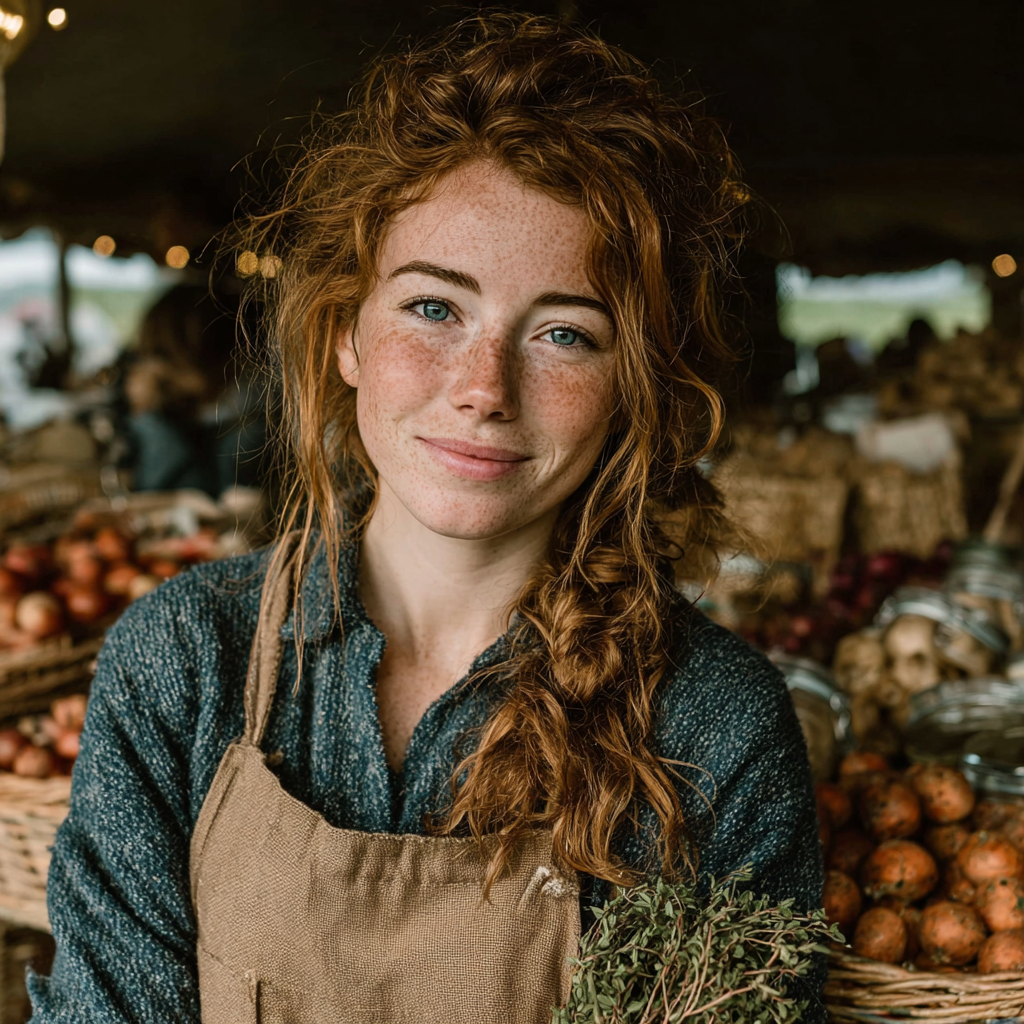
By Sophie Brennan
Irish food writer and historian based in Lisbon. Sophie combines her background in medieval history with a passion for contemporary gastronomy. She has written for Condé Nast Traveller and authored two cookbooks exploring Celtic and Iberian culinary traditions.