
Most travelers blow straight past Minca on their way to Tayrona's beaches. They speed up the mountain road from Santa Marta, eyes fixed on the Caribbean coast below, never realizing the village at kilometer 14 is the reason the Sierra Nevada de Santa Marta exists in their itinerary at all. Minca is not a stopover. It is the destination, and the longer you stay, the more you understand why the Kogui and Wiwa peoples who live higher in the range consider this lower slope sacred ground.
The village sits at 650 meters above sea level, which means the temperature drops from Santa Marta's sticky 32 degrees Celsius to a manageable 24. The humidity does not disappear, but the air moves. That difference matters when you are hiking to a waterfall or sitting on a lodge terrace watching toucans move through the canopy. Minca is where Colombians go to escape the heat. Foreigners are only now catching up.
Getting There Without the Carbon Footprint
The colectivo is the only honest way to arrive. Cootransminca runs minivans from the corner of Carrera 9 and Calle 12 in Santa Marta's public market, departing every thirty minutes from 7:00 AM to 6:00 PM. The fare is 10,000 COP, about $2.50, and the ride takes forty-five minutes. The road is paved for most of the distance, then turns to rutted dirt as it climbs. Mototaxis wait in the village center to take visitors deeper into the hills for 10,000 COP per ride. There is no Uber in Minca. There is no need for one.
If you are coming from Simón Bolívar International Airport in Santa Marta, a direct taxi costs around 100,000 COP. The airport bus to Santa Marta center costs 2,000 COP, but then you still need the colectivo. Do the math. For solo travelers, the colectivo wins every time.
What Actually Grows Here
Minca is surrounded by fincas that have been producing coffee and cacao for generations. The difference now is that many have opened their operations to visitors who want to understand what organic agriculture looks like when it is not a marketing label. La Candelaria is one of the oldest family farms in the area, offering tours that explain shade-grown coffee production from seed to cup. The walk takes about two hours. You will see cacao pods growing on the same land as the coffee trees, intercropped with plantain and yuca. The family sells roasted beans and chocolate bars made on-site. Prices for a tour with tasting run 25,000 to 40,000 COP depending on the season.
Jungle Joe, a locally run operation near the village center, offers a combined coffee and cacao experience that includes a walk through secondary forest to reach the plantation. Their birdwatching tours are also the best in the area. The Sierra Nevada de Santa Marta is one of the most biodiverse regions on earth, and Minca sits at the edge of the endemic zone. You will see keel-billed toucans, white-tipped sicklebill hummingbirds, and if you are up early enough, the Santa Marta parakeet, a species found nowhere else. Jungle Joe's guides are trained by local ornithologists, not imported from Bogotá. A half-day birding tour costs 80,000 to 120,000 COP.
The Waterfalls and the Reality of Access
Pozo Azul is the most visited waterfall, a twenty-minute walk from the village center on a well-trodden path. Two cascades drop into natural swimming holes. The entrance fee is 6,000 COP. It opens at 8:00 AM, and if you arrive by 7:30, you will have the pools to yourself for an hour before the day-trippers from Santa Marta roll in. By 10:00 AM, the rocks are covered with groups taking selfies. This is the reality of Minca's popularity. The secret is timing, not isolation.
Cascada Marinka is four kilometers uphill from the village. You can walk the road in about eighty minutes, or hire a mototaxi for 10,000 COP. The site charges 10,000 COP for entry and has two falls with a café that serves arepas and fresh juice. The upper cascade is smaller but better for swimming. The lower one is where the tour groups congregate. Most visitors do not climb the extra twenty meters to the second pool. That is where you should be.
Cascada Oído del Mundo, or Ear of the World Falls, is a forty-minute uphill hike from the village through forest that the Kogui consider spiritually significant. Some locals will tell you there is no fee. Others will try to charge you. The falls are free. Anyone demanding payment at an unofficial checkpoint is running a scam. Walk past. The pool is shallow but the setting is quieter than Pozo Azul, and the water runs colder.
The hike to Cerro Kennedy is the real test. The summit sits at 2,400 meters and offers views across the entire Caribbean coast on clear days. The trail is eighteen kilometers round-trip with 1,750 meters of elevation gain. Most hikers start at 5:00 AM and return by mid-afternoon. A local guide is recommended, not because the path is technically difficult, but because the weather changes fast and the cloud cover can disorient even experienced trekkers. Guided hikes cost 150,000 to 200,000 COP including transport to the trailhead. You can arrange this through Jungle Joe or Minca Tours, the two most reliable agencies in the village.
Where to Sleep if You Care About the Ground Beneath You
Sol de Minca Eco Lodge is built into the hillside in earthship-style construction, using reclaimed materials and passive cooling. The rooms have no air conditioning because they do not need it. The lodge grows much of its own food, runs a vegan kitchen, and offers yoga classes in a open-air shala. Breakfast is included. Rates start at 180,000 COP per night for a double.
Mundo Nuevo Eco Lodge sits higher in the mountains, about thirty minutes by foot from the village center. It is a working organic farm with dormitory and private room options. Volunteers stay for weeks to help with the harvest. Guests stay for the silence and the view. The lodge has a strict no-plastic policy and sources its water from a mountain spring. Dorm beds start at 45,000 COP. Private rooms run 120,000 COP.
For budget travelers, Akainoie is a four-room guesthouse ten minutes from the village center on a quiet dead-end street. It has a shared kitchen, free coffee and tea, and a terrace with hammocks. The owner, a Colombian biologist, keeps a field guide library in the common room. Dorm beds start at 35,000 COP. It books up fast because it only has four rooms.
The Lost City Connection
Minca is not on the Lost City trek route, but it is where many trekkers recover afterward. The four-day hike to Ciudad Perdida starts from El Mamey, a two-hour drive from Santa Marta, and involves 50 kilometers of jungle walking, river crossings, and sleeping in indigenous and campesino camps. The trek costs 1,916,000 COP with a bilingual guide, all meals, and camp accommodation included. You cannot do it independently. The indigenous Wiwa and Kogui communities who control access to the site require all visitors to be accompanied by licensed guides, and the revenue supports local schools and medical posts. This is community-based tourism that actually works, though the trail is crowded in high season and the camps are basic. If you are considering the trek, spend a few days in Minca first to acclimatize to the humidity and test your boots on the Cerro Kennedy trail.
What to Skip
The center of Minca itself is no longer the peaceful village described in travel blogs from five years ago. The main strip has pizza restaurants, overpriced smoothie bars, and hostels blasting reggaeton until midnight. This is the gentrification that follows every eco-destination once Instagram discovers it. Walk ten minutes in any direction and the noise disappears. The real Minca is in the fincas and the forest, not on the paved road where the colectivos drop you off.
Taganga, the fishing village at the coast below Santa Marta, is often paired with Minca in backpacker itineraries. Skip it. The beach is polluted, the diving operators are inconsistent, and the village has a reputation for petty theft that is well-earned. If you want Caribbean coast after Minca, go to Palomino or take the boat to Cabo San Juan in Tayrona National Park.
Practical Logistics
The dry season runs December through April. This is the best time for hiking, though Pozo Azul and Marinka are busiest. The rainy season from May to November brings daily afternoon downpours that turn the dirt roads to mud. Some trails become impassable. Lodges discount their rates by 20 to 30 percent during this period. If you do not mind getting wet, this is when Minca feels most like a working mountain village rather than a tourist stop.
Bring cash. There is one ATM in Minca and it is frequently empty. Credit cards are accepted at the larger lodges, but the coffee farms, waterfall entrances, and mototaxi drivers operate in cash only. A daily budget of 120,000 to 180,000 COP covers accommodation in a mid-range eco-lodge, two meals, one activity, and transport. Budget travelers can manage on 80,000 COP by staying in dorms and cooking their own meals.
Insect repellent is non-negotiable. The mosquitoes here carry dengue, and while cases are not epidemic-level, they are common enough that the local health post keeps a stock of rapid tests. Long pants and socks are recommended for evening, not because it is cold, but because the sandflies at dusk are worse than the mosquitoes.
The Sierra Nevada de Santa Marta is a UNESCO biosphere reserve. Single-use plastics are banned in Tayrona National Park and strongly discouraged throughout the region. Pack a reusable water bottle. Most lodges have filtered drinking water. Buying bottled water in Minca is expensive and unnecessary.
The Honest Bottom Line
Minca is not a hidden gem. It is an exposed gem, and the exposure has changed it. The village center is crowded, the main waterfall is overrun by 10:00 AM, and the road up the mountain now handles more traffic than it was built for. But the forest above the village is still intact. The coffee is still shade-grown. The bird species count is still rising. And the lodges that opened here in the last decade are among the most genuinely sustainable in Colombia, not because they market themselves that way, but because they have no other choice. Electricity is inconsistent. Water comes from springs. The road in is too narrow for tour buses. These constraints force a lighter footprint, and that is what makes Minca worth visiting. Not because it is untouched, but because it is learning how to absorb visitors without breaking.
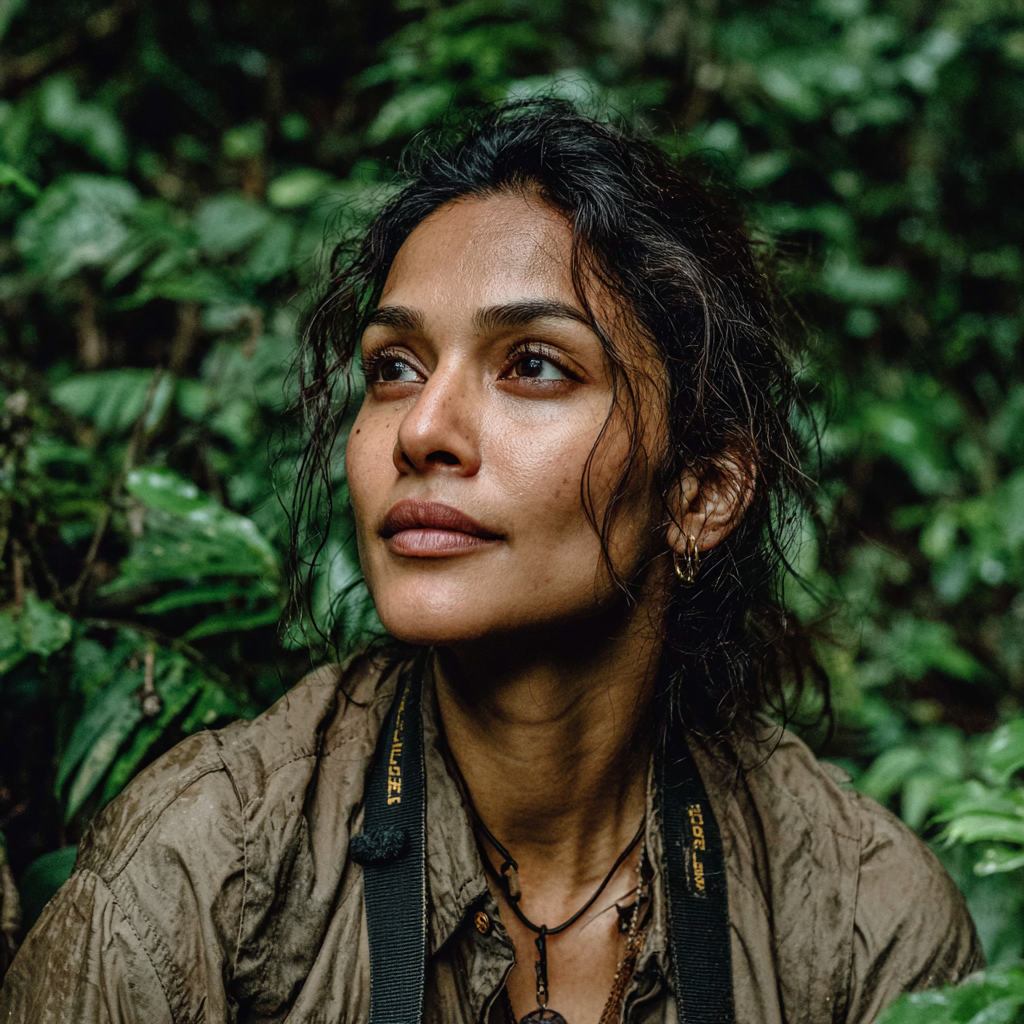
By Priya Sharma
Conservation biologist and sustainable tourism advocate. Priya works with eco-lodges and wildlife sanctuaries to promote ethical travel practices. She holds an MSc in Biodiversity Conservation and has spent years tracking endangered species across the Indian subcontinent.