
Medellín is the city that broke every rule I had about Latin America. I spent two months there in 2024, and my daily average was $34. That included a dorm bed with a rooftop pool, three meals, metro rides, and enough beer to make friends. The city is not cheap because it is poor. It is cheap because Colombians built public infrastructure that actually works, and the tourist industry has not yet figured out how to charge gringo prices for everything.
The first thing you need to know is the neighborhood. El Poblado is where the hostels cluster, and it is where your budget will die. A dorm bed in Poblado runs $15-20, a meal at a tourist restaurant costs $12-18, and the bars on Parque Lleras charge $4 for a beer that costs $1 two metro stops away. I stayed in Laureles for three weeks. Dorm beds at Purple Monkey or Rango Boutique start at $12. The neighborhood has trees, actual Colombian restaurants, and you can walk to Estadio metro station in five minutes. Envigado is even cheaper. A dorm at the Viajero hostel runs $10-12, and a bandeja paisa at a local joint costs $6 instead of $15. The metro ride from Envigado to Poblado is 12 minutes and costs the same 70 cents as any other ride. Stay in Poblado for one night if you need to make friends. Then move east.
The metro is the reason Medellín works for budget travelers. A single ride costs 3,280 Colombian pesos, roughly $0.70, and that includes transfers to the Metrocable lines. The Cívica card itself costs $1 and you can buy it at any station. I kept mine in my wallet for two months and reloaded it every few days. The system is clean, safe, and runs from 4:30 AM to 11 PM. Two lines cover the valley floor, and the cable cars climb the hillsides to neighborhoods that were unreachable a decade ago. Line K takes you to Comuna 13. Line L runs to Parque Arví. The cable car is the same price as the metro, so you ride above the rooftops for 70 cents. Line L to Arví charges a foreigner rate of $3.69 for the final segment, but you can skip that and still get the views for the base fare. Rush hour is 6-9 AM and 5-8 PM, and the cars fill with commuters. Travel outside those windows and you have space to look out the windows.
Food is where Medellín destroys your expectations. The menú del día, served at local restaurants from noon to 3 PM on weekdays, costs $4-6. You get soup, a main plate, rice, beans, plantain, and a fresh juice. I ate this five days a week at a place called Restaurante Hacienda in Laureles, two blocks from the metro. The portion was large enough that I skipped dinner three times and just bought an empanada for $1. The bandeja paisa, the regional dish that piles rice, beans, chorizo, blood sausage, avocado, fried egg, and pork belly onto one plate, costs $4-6 in Envigado or Sabaneta. The same plate at a Poblado restaurant costs $12-15. Eat it for lunch, not dinner. You will not move for three hours afterward. Street food is everywhere. Arepas con queso from a corner vendor cost $1-2. Empanadas from El Machetico are $1 each. Fresh mango with lime and salt from a fruit cart costs $2. For breakfast, an arepa con huevo and a tinto, the small black coffee Colombians drink like water, costs $2-3 total. I never spent more than $10 on food in a single day, and I ate well.
The free stuff in Medellín is better than the paid stuff. Plaza Botero, with its 23 oversized bronze sculptures, costs nothing. The Jardín Botánico, an 18-acre green space next to the university, is free. The Comuna 13 escalators, the outdoor electric staircases that climb the hillside through graffiti-covered walls, are free. You can ride the metro to San Javier station, walk five minutes uphill, and spend half a day watching breakdancers and reading the murals. The paid tours cost $20-25 and include a guide and transport, but the neighborhood itself is open. If you want the history, take a free walking tour and tip $5-10. Real City Tours and GuruWalk operate daily departures. The guides who grew up in Comuna 13 tell the story better than any guidebook. Just avoid Tuesdays and Saturdays, when cruise ship groups arrive and the escalators turn into a queue.
The Museo de Antioquia costs $6-7 and houses Fernando Botero's donated collection. It is worth it if you like art. Parque Explora, the science museum with an aquarium, costs $8. I skipped it. The metro ride to Parque Arví costs $0.70 and the park itself is free. You hike in cloud forest, buy arepas from vendors, and watch Colombian families picnic on Sundays. The Sunday atmosphere is worth adjusting your schedule for. Salsa nights in La 70, the street in Laureles where bars spill onto the sidewalk, cost the price of a $2 beer. Son Havana and Eslabón Prendido run Tuesday through Saturday. You do not need to dance. You can sit in the corner with a Aguila and watch people who have been dancing since childhood.
Guatapé is the day trip everyone takes, and you should too. The bus from Terminal del Norte costs $8-12 round trip. The entrance to El Peñol, the 740-step rock that overlooks the reservoir, costs $5. Lunch in the town costs $8-12. Boat tours of the lake run $15-25. I spent $35 total, did it independently, and was back in Medellín by 6 PM. The organized tours cost $55-75 and save you the bus logistics, but the bus is direct and leaves every 30 minutes. If you book through your hostel, they will mark it up by $15-20. Walk to the terminal and buy the ticket yourself.
What to skip. Pablo Escobar tours are $40 to gawk at a grave and a burned-out mansion. The city has spent 30 years rebuilding itself, and these tours reduce that entire story to a Netflix narrative. The cable car to Parque Arví charges a foreigner rate of $3.69 for the final segment. If you are on a strict budget, ride the cable car to Santo Domingo and walk around. The view is the same. The Flower Festival in August doubles accommodation prices. December through March is high season, and hostels fill three weeks ahead. April-May and September-October are shoulder season, with beds running $10-14 instead of $18-25. The ATMs charge $6.56 per withdrawal, so take out larger amounts less often. The tap water is safe, so skip the $1.76 plastic bottles.
Here is the daily breakdown that worked for me. Dorm bed in Laureles: $12-14. Breakfast: $2-3. Lunch menú del día: $5. Dinner: $4-6 if you eat local, $8-10 if you splurge on a restaurant. Metro rides: $1.40 for two rides. Beer: $1-2. Activities: $0-10 depending on whether you do a museum or just walk. Total: $28-38. If you want comfort, add a private room in a hostel for $35-45, and your total rises to $55-65. Medellín is the rare city where the budget option does not feel like a compromise. The metro is the best transport system in South America. The food is heavy and cheap. The neighborhoods that were no-go zones 15 years ago are now the places you go to see the best views. The city is not perfect. It rains hard in the afternoon, the traffic is chaotic, and you will be asked if you want a Pablo Escobar tour 50 times a day. But for $35 a day, you get a functioning city, good food, and a metro that rides over the mountains for less than a dollar. I have paid more for worse in countries that charge triple the price.
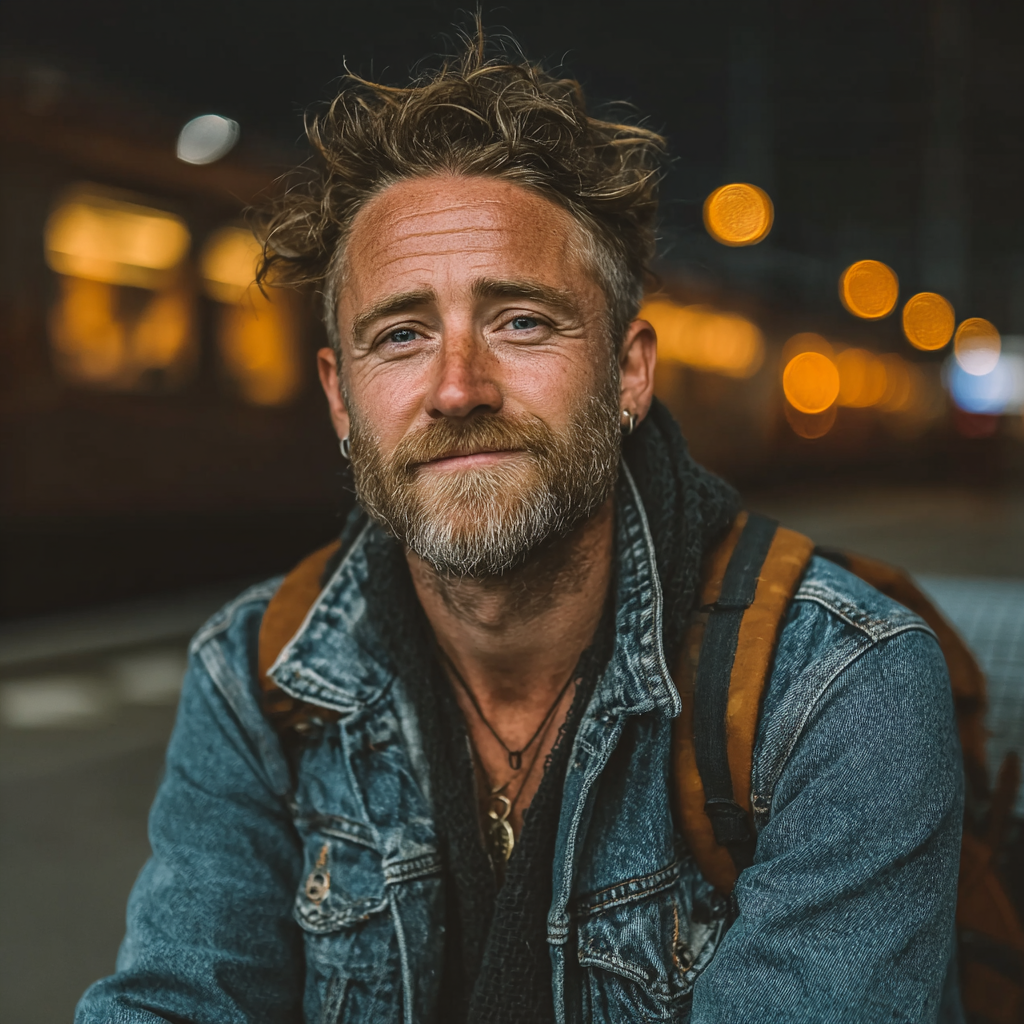
By James Wright
Budget travel expert and former backpacker hostel owner. James has visited 70+ countries on shoestring budgets, mastering the art of authentic travel without breaking the bank. His mantra: "Expensive does not mean better—it just means different."