
Most travelers skip Cali entirely. They fly into Bogotá, spend a few days in Medellín, hit Cartagena's beaches, and leave Colombia convinced they've seen it all. They're wrong. Cali is Colombia's third-largest city, home to 2.9 million people, and it moves to a rhythm the rest of the country doesn't share. This is the salsa capital of the world, where strangers grab your hand on the dance floor without asking your name, where a 15,000-peso class (~$4) teaches you more about connection than a year of dating apps, and where the locals are warm enough to make a solo traveler feel like they just haven't met their plus-one yet.
Cali sits in a valley three hours by bus from the Pacific coast, surrounded by sugarcane plantations and Andean foothills. The climate is hot — 25 to 32 degrees Celsius year-round — and humid enough that you'll shower twice a day. The dry seasons run December through March and June through September, which is also when the city throws its best parties. Feria de Cali, the weeklong festival of dancing, parades, and fireworks, lands in late December.
Getting In and Getting Around
Alfonso Bonilla Aragón International Airport sits about 20 kilometers northeast of the city center. The public bus costs about 10,000 Colombian pesos ($2.50) and takes 40 to 60 minutes. A taxi or ride-share runs 50,000 to 60,000 pesos ($12–15) and takes 30 to 40 minutes. Use Uber, Didi, or Cabify — never hail a taxi on the street. Fake taxis operate here, and express kidnappings targeting ATM withdrawals are a documented risk.
Inside the city, the MIO bus system charges a flat 1,600 pesos ($0.40) per ride. The historic core, San Antonio, and El Peñon are walkable day and night with standard awareness. The riverside Boulevard del Río has a dedicated bike lane, with rental shops charging about 15,000 pesos ($4) for a few hours. But Cali is not a city for casual wandering after dark. Stick to populated streets, avoid the eastern barrios entirely, and take a car directly to your destination if you're going out at night.
Where to Sleep
San Antonio is the best neighborhood for solo travelers. It's the city's historic heart — colonial buildings, street murals, independent cafes, and the highest concentration of hostels. The area is safe during the day and lively enough at night that you're never walking empty streets. El Peñon, a 15-minute walk west across the river, is quieter and more upscale, with better restaurants and a Saturday farmers market at Parque del Peñon from 9 AM to 4 PM. Granada offers cheaper accommodation and a more residential feel.
La Palmera Hostel in San Antonio runs nightly club outings, offers salsa and bachata classes, and has the social atmosphere that makes traveling alone feel temporary. Book ahead — Cali fills up during festival season and the December holidays.
Learning to Dance
You cannot come to Cali and not take a salsa class. Even if you have two left feet. The city has over 1,500 registered bars and nightclubs, and salsa is not a hobby here — it is infrastructure.
Manicero is the cheapest option for serious learning. A single 90-minute group class costs 15,000 pesos ($4). A package of 16 classes costs 120,000 pesos ($32). Private lessons run 40,000 pesos (~$11) per hour. The school is at Calle 5 #39–71. Classes are taught in Spanish, but most foreigners tune out the instructions and copy the footwork. Every day you learn a new routine from scratch, so there's no penalty for missing a day.
La Escuela de Baile, run by former Manicero instructor Dicksson Diaz, offers smaller classes with more personal attention. Four classes cost 60,000 pesos ($16); sixteen cost 170,000 pesos ($45). Private lessons are 90,000 pesos (~$24) per hour. It's at Calle 9 #36a Bis 08, directly across from Las Canchas Panamericanas. This is also the best spot in the city to try a cholado — shaved ice with fruit, condensed milk, and cheese — or an ensalada de frutas, Colombia's improbable ice-cream-topped fruit salad.
Joy Dance focuses strictly on social dancing — moves you can use with any partner at any club. The base rate is 75,000 pesos (~$20) per month for four 90-minute classes plus Monday practice sessions. It's at Calle 2B #18-00, in a building with no signage — if you arrive during class hours, the music makes it obvious.
Where to Dance
Taking classes without going to the clubs is like studying Spanish and never speaking to a local. Cali's salsa clubs are casual, social, and cheap. Everyone dances with everyone, so showing up alone is normal.
La Topa Tolondra is the most popular club for travelers and locals under 40. It fills up every night, with slightly different salsa styles each day. Cover charges run 10,000 to 15,000 pesos (~$3–4). Mondays sometimes offer free classes; Thursdays host live music. At Calle 5 #13–27, directly across from San Antonio.
El Rincón de Hebert looks like a fenced-in sidewalk on a corner block. But this is where the most skilled dancers go to show off. Open Thursday through Saturday, with the best crowd on Thursdays. Entrance is 6,000 pesos (~$1.50). Find it at Carrera 24 #5–32 — tell your driver to head for the old Salsa Night Club location on Avenida Roosevelt and walk half a block.
Tin Tin Deo is a Cali institution. Open Friday through Sunday with a 5,000-peso (~$1.30) cover. At Calle 5 #38–71 B, it's close enough to Manicero that you can walk straight from a Friday night class to the club.
What to Do Between Classes
Cali is not a city of monuments. It is a city of rhythm, heat, and everyday spectacle.
La Ermita Church, the Gothic landmark in the city center, is worth a look for its white spires, but the real attraction is the plaza in front of it — the people-watching is exceptional. The Museo La Tertulia, Cali's modern art museum, offers air conditioning and a solid collection along the river. Admission is about 10,000 pesos (~$2.50).
Cerro Cristo Rey is a gradual hike up a forested hill to a 26-meter Christ statue overlooking the city. The trail is social — you'll pass families, runners, and groups of friends. Go in the morning before the heat peaks. Free entrance, but bring water.
Cerro de las Tres Cruces, a steeper hike to three crosses on a ridge, offers a panoramic view over the Cauca Valley. The trailhead is near the Unicentro shopping mall. Early morning is best; the hike takes 45 minutes to an hour each way.
Parque de los Gatos, along the Boulevard del Río, is a riverside park filled with cat sculptures by local artists. It's shaded, free, and photogenic — a good spot to recover from last night's dancing.
San Antonio itself is the main attraction. The neighborhood's colonial houses are painted in faded yellows, blues, and pinks. Murals cover the walls. Ciro's, a local institution near the Iglesia de San Antonio, serves a full lunch — soup, main course, and drink — for 10,000 pesos (~$2.50). The church sits at the top of a hill with a view over the city.
What to Eat
Cali's food is not refined, but it is filling and cheap. Sancocho, a hearty meat-and-vegetable stew, appears at lunch counters across the city. Bandeja paisa, the Colombian national dish of rice, beans, meat, plantain, avocado, and egg, costs 12,000 to 18,000 pesos ($3–4.50) at local restaurants. The cholado, that bizarre combination of shaved ice, fruit, condensed milk, and cheese, is a Cali invention and costs about 8,000 pesos ($2) from street vendors.
Alameda Market has food stalls serving home-style lunches at prices that seem frozen in 2010. La Caverna, in San Antonio, does a reliable bandeja paisa with actual locals at the tables. For vegetarians, Ware serves creative plant-based plates near most hostels. Cervecería Glück, a craft beer bar in El Peñon, is an easy place to start conversations with locals.
What to Skip
Juanchito, the historic salsa district across the river, is intense and harder to reach safely at night without a group. It's legendary among locals but not a smart move for a solo traveler who doesn't know the city yet. The Caliwood Museum, dedicated to Colombian film history, is niche enough that most visitors leave underwhelmed. And the zoo is unremarkable — you're here for rhythm, not caged animals.
The Honest Truth
Cali is not as safe as Medellín or as polished as Bogotá. Petty theft is common in crowded areas and on buses. Muggings happen, especially at night. The basic rules are non-negotiable: use ride-share apps exclusively, don't walk alone after dark, don't carry your phone in your back pocket, and don't flash jewelry or expensive cameras. Carry only the cash you need for the day.
But Cali is also warmer — in temperature and temperament — than any other Colombian city. The people here want you to dance, stay out late, eat too much, and wake up sore from footwork you didn't know your body could execute. That warmth is real, and for a solo traveler, it matters more than a perfectly safe but sterile destination.
If you're traveling alone in Colombia, Cali is the place where you stop being alone. You show up to a class without a partner, and someone rotates in. You sit at a bar by yourself, and the person next to you asks if you know how to dance. That's the city. Two left feet are forgiven. Hesitation is not.
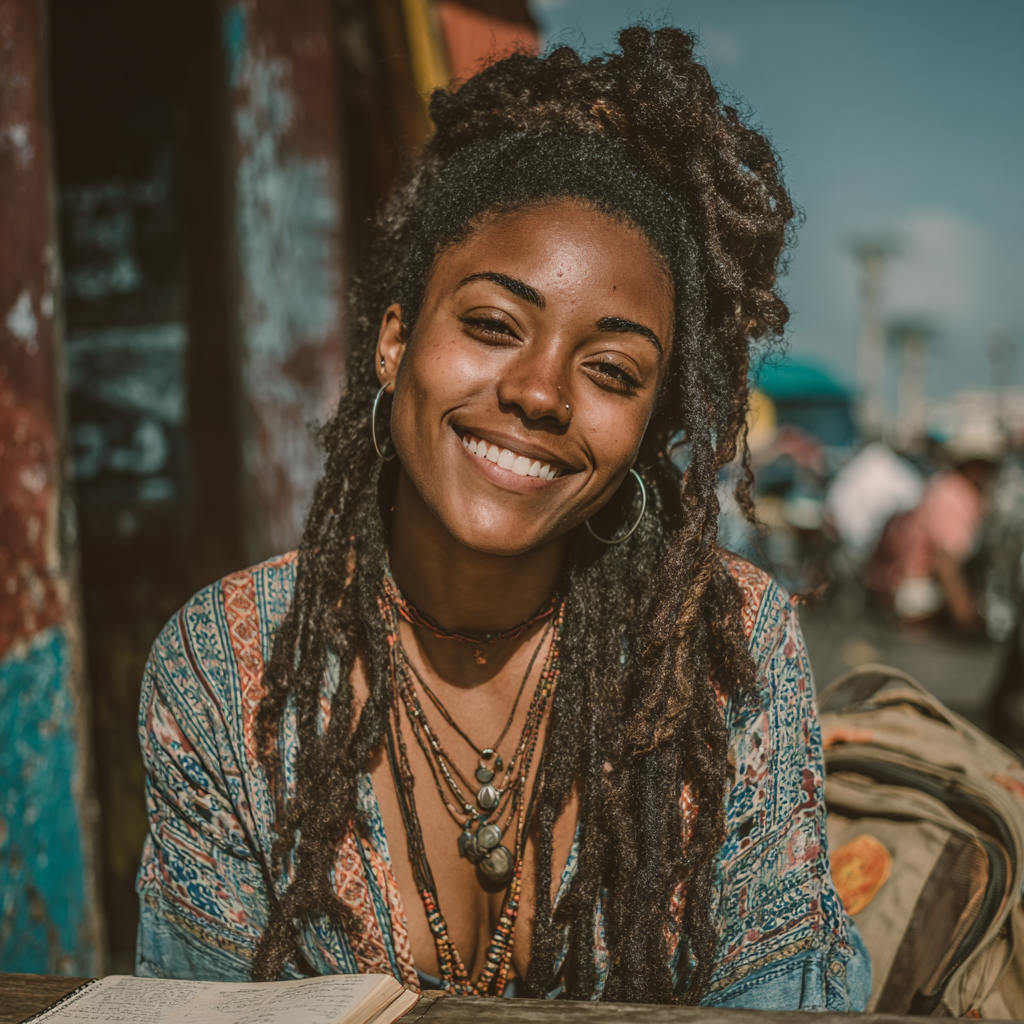
By Maya Johnson
Solo travel evangelist and digital nomad veteran. Maya has spent six years traveling alone across 50+ countries on a freelance writer budget. She writes honest, practical guides for women who want to explore the world independently and safely.