
Bogotá: Where Andean Altitude, Gold, and Graffiti Force You to Slow Down
Meet Your Guide: Elena Vasquez
I'm Elena Vasquez, a cultural anthropologist from Barcelona who spent three years in Colombia researching post-conflict urban identity. I first came to Bogotá in 2012, when the city was still shedding its reputation for violence and most tourists treated it as a gateway to somewhere else. I've returned almost every year since. I speak workable Spanish, terrible Colombian slang, and I still get winded walking uphill in La Candelaria. This guide is built from dozens of conversations with museum curators, street artists, and the old men who drink tinto at La Puerta Falsa before dawn. Bogotá demands patience. I'll show you how to give it.
The Altitude: Your First Teacher
Bogotá sits at 2,640 meters in a highland basin ringed by the Eastern Andes. The altitude is not a footnote—it is the city's defining characteristic. Your first day, you will feel it in your lungs, your sleep, and your tolerance for alcohol. Take it slow. The city has spent 500 years adjusting to its thin air, and you will need at least a day to do the same. Locals joke that Bogotá has four seasons in one day, and they are not exaggerating. Morning sun can be sharp, afternoon rain arrives without warning, and evening temperatures drop fast. Dress in layers. Carry a compact umbrella. The altitude also makes the sun deceptively intense—even when the air feels cool, UV exposure is severe. Sunscreen is not optional.
La Candelaria: Colonial Bones, Modern Skin
Start in La Candelaria, the historic core that most visitors see but few understand. The neighborhood's narrow streets and balconied houses date to the Spanish colonial period, but the story here is older and newer than that. At Chorro de Quevedo, a small plaza where the Spanish founded Bogotá in 1538, indigenous Muisca people had already been gathering for centuries. The stone fountain is modern, installed in the 1800s, but the site itself is layered with history. You can still buy chicha—fermented corn drink—from vendors nearby. It tastes sour and ancient, and it costs about COP 2,000–3,000 per cup.
The Gold Museum: One Dollar for 55,000 Pieces
The Museo del Oro sits at Carrera 6 #15-88, four blocks east of Chorro de Quevedo. This is not hyperbole: it houses the largest collection of pre-Columbian gold artifacts in the world. Over 34,000 gold pieces and 25,000 additional objects in ceramics, stone, and textiles, excavated from Muisca and other indigenous sites across Colombia. Admission is COP 5,000 (about $1.25 USD) for adults Tuesday through Saturday. Sundays are free for everyone, but expect 3,000–5,000 visitors compared to 800–1,500 on weekday mornings. The museum is open Tuesday to Saturday 9:00 AM to 7:00 PM, Sunday and holidays 10:00 AM to 5:00 PM. Closed Mondays. Audio guides in English cost an additional COP 8,000 and provide 90 minutes of narration across four floors. The famous Muisca raft, the tiny golden boat depicting the El Dorado ritual, is smaller than your hand and more detailed than seems possible. It sits in the fourth-floor "Offering" room, best viewed between 10:00–11:00 AM when morning light through the windows enhances the display. Allow at least 2.5 hours. The vault doors on the first floor are made of intricately crafted gold pieces—photography is not permitted there for security reasons.
The Botero Museum: Fat Figures, Free Entry
Two blocks north at Calle 11 #4-41, the Museo Botero occupies a renovated colonial mansion with a central courtyard and fountain. Fernando Botero donated over 200 pieces—his own paintings and sculptures plus works by Picasso, Monet, Dalí, Matisse, and Miró. Entry is completely free. Hours are Monday and Wednesday to Saturday 9:00 AM to 7:00 PM, Sunday 10:00 AM to 5:00 PM. Closed Tuesdays. The first piece most visitors encounter is a giant bronze hand that some interpret as an obscene gesture—Botero's welcome. The museum also houses his series on Abu Ghraib, a jarring departure from his usual cheerful subjects. The on-site café serves coffee and pastries at courtyard tables surrounded by flowering plants. Plan 1.5–2 hours.
Plaza Bolívar: Colombia's Political Story in One View
Plaza Bolívar anchors the district. The square is dominated by the neoclassical Capitol, the modernist Palace of Justice (rebuilt after the 1985 siege by M-19 guerrillas in which 98 people died, including 11 Supreme Court justices), and the Catedral Primada. The architecture tells Colombia's political story in one view: colonial church, republican government building, and the scar of recent violence. The Museo de Arte Colonial sits on the plaza's northeast corner at Calle 11 #4-21, open Tuesday to Friday 9:00 AM to 5:00 PM, Saturday 10:00 AM to 4:00 PM, entry COP 4,000. Guides in the plaza will offer to explain the armed conflict and peace process. Some are excellent. Others simplify a half-century of complexity into ten minutes. If you want depth, the Centro de Memoria, Paz y Reconciliación at Carrera 19B #24-46 in the west of the city is more rigorous and more painful. Open Tuesday to Sunday 10:00 AM to 6:00 PM, free entry.
Street Art: Sanctioned Argument
Bogotá's street art is impossible to miss and officially sanctioned after the city decriminalized graffiti in 2011. The best concentration is in La Candelaria, where entire buildings serve as canvases. The murals are political, personal, and technically sophisticated. Artists like DJ Lu, Toxicómano, and Lesivo have turned the neighborhood into an open-air gallery. Several companies run graffiti tours—Bogotá Graffiti Tour offers free tours daily at 10:00 AM and 2:00 PM (tips expected, COP 20,000–40,000 per person). The tours start at Parque de los Periodistas and last approximately 2.5 hours. The work addresses inequality, environmental destruction, and Colombia's search for peace. It is not decoration. It is argument. Bring a rain jacket—the tours run regardless of weather.
Monserrate: The View That Explains Everything
The mountain of Monserrate rises 3,152 meters above the city, visible from almost everywhere. A white church and sanctuary sit at the summit, built in the 1600s. The cable car (teleférico) or funicular costs COP 28,000 for a round-trip adult ticket as of 2026. Children under 4 enter free. The cable car operates Monday to Saturday 6:30 AM to 11:00 PM, Sunday 5:30 AM to 6:00 PM. The funicular follows similar hours. The ride takes 4–5 minutes. On Sundays, locals make the pilgrimage up on foot—a steep, 1,500-meter climb that takes 45–90 minutes depending on fitness and altitude adjustment. The walking trail opens 5:00 AM to 1:00 PM for ascending Monday through Saturday, and until 4:00 PM on Sunday. Closed Tuesdays for maintenance. The view from the top shows Bogotá's full scale: the city fills the valley floor and creeps up the surrounding hills, constrained by mountains on all sides. There are two restaurants at the summit—Casa Santa Clara and San Isidro—where main courses run COP 45,000–120,000. The food is adequate, not exceptional. Eat a solid breakfast before you go. Temperature at the summit is approximately 10°C—bring a jacket even if the city feels warm. Advance online booking at visitamonserrate.com reduces wait times by 30–60 minutes during peak periods.
Ciclovía: The City at Human Speed
On Sundays, Bogotá closes 127 kilometers of streets to cars for Ciclovía. From 7:00 AM to 2:00 PM, the city belongs to cyclists, runners, and walkers. The program started in 1974 and has been copied globally—Mexico City, São Paulo, and even New York have adapted versions. It is the best day to see the city at human speed. Bike rentals are available throughout the route for COP 5,000–10,000 per hour. If you do not cycle, walk. The atmosphere is festive: food vendors, repair stations, outdoor yoga classes, marching bands. The route runs along Carrera 7 through the city center and extends into outlying neighborhoods. Ride from La Candelaria north through Chapinero to Usaquén, a former village absorbed by the city. Usaquén's Sunday flea market fills the main square with crafts, antiques, and street food. Arepas, empanadas, and fresh fruit juice cost COP 3,000–8,000.
Coffee Culture: From Farm to Cup
Colombia grows some of the world's best beans, and Bogotá's cafés treat it seriously. In Chapinero, Azahar at Carrera 14 #93A-48 serves single-origin coffees with tasting notes and publishes exactly how much above market price they pay farmers. A cup costs COP 8,000–12,000. They host free public cuppings every last Saturday of the month. Open Monday to Friday 7:30 AM to 9:00 PM, Saturday 9:00 AM to 9:00 PM, Sunday 10:00 AM to 7:00 PM. Varietale at Calle 41 #8-43 in a restored convent offers filter coffee flights and brunch. Open Monday to Friday 7:00 AM to 9:00 PM, weekends 8:00 AM to 9:00 PM. For contrast, visit La Puerta Falsa at Calle 11 #6-50, operating since 1816, where elderly Bogotanos drink tinto—black coffee, often with sugar—and eat tamales wrapped in banana leaves for COP 8,000–12,000. Open Monday to Saturday 7:00 AM to 7:00 PM, Sunday 8:00 AM to 5:00 PM. The place is tiny. You may have to wait for a stool.
The Salt Cathedral: An Underground Masterpiece
An hour north of the city, the Salt Cathedral of Zipaquirá is built inside a working salt mine. The underground church was carved by miners in the 1950s as a place to pray before shifts. The current version, rebuilt in the 1990s, descends 180 meters through fourteen stations of the cross, each a sculptural tableau carved from salt. At the bottom, a nave holds 8,400 people. The engineering is remarkable. The spiritual weight is real, even for non-Catholics. Entrance costs COP 25,000 for basic access, COP 35,000 for guided tours, and COP 50,000 for premium packages including a 3D audiovisual show. Audio guides in English cost COP 15,000. Open Monday to Sunday 9:00 AM to 5:30 PM, though hours vary seasonally. To get there independently, take a bus from Portal Norte TransMilenio station to Zipaquirá for COP 7,000 (departs every 15–20 minutes, journey 1.5–2 hours). From Zipaquirá's bus terminal, take a taxi to the cathedral for COP 8,000–10,000. Alternatively, organized tours from Bogotá cost COP 150,000–250,000 per person including transport and guide. The Sabana tourist train departs weekends and holidays from Gran Estación shopping center at Carrera 66 and Calle 26 for COP 86,000 one-way, departing at 8:45 AM and returning from Zipaquirá at 3:15 PM. Allow a full day for the trip.
The Food Revolution: From Ajiaco to the World's 50 Best
Bogotá's food scene has evolved rapidly. For decades, the city's culinary reputation was built on ajiaco—a heavy potato and chicken soup served with corn, capers, and cream—and little else. Now the city hosts two of Latin America's most celebrated restaurants. El Chato at Calle 65 #4-76 in Chapinero Alto was ranked #1 in Latin America's 50 Best Restaurants 2025 and #54 in the World's 50 Best. Chef Álvaro Clavijo applies European technique to native Colombian ingredients. A tasting menu costs approximately COP 700,000 (around $182 USD). Reservations are essential; book 2–4 weeks ahead. Open lunch and dinner Monday to Saturday. Phone: +57 1 743 9931. For a more accessible but still serious experience, Leo at Calle 65 Bis #4-23 offers a "gastronomic journey through Colombian biomes" with a focus on ethnobotany. Tasting menus run COP 400,000–600,000. Reservations: +57 317 661 6866. For cheaper eats, the Paloquemao market at Calle 19 #25-04 sells produce from across the country's climate zones: tropical fruits from the coast, potatoes from the highlands, fish from the Amazon basin. The market opens at 4:00 AM. By noon, the best stuff is gone. Visit Tuesday to Saturday 4:00 AM to 2:00 PM, Sunday 5:00 AM to 1:00 PM. A traditional breakfast of caldo de costilla (beef rib broth) and arepa costs COP 8,000–12,000 inside the market.
Usaquén and the North: Village Within the City
Usaquén, once an independent village, was swallowed by Bogotá's expansion but retains its colonial plaza and village atmosphere. The Sunday flea market runs approximately 9:00 AM to 4:00 PM in the main square. Handmade crafts, leather goods, and antiques mix with street food stalls. The Hacienda Santa Bárbara shopping center sits adjacent to the plaza, a jarring contrast of colonial and modern. For dinner, Casa Vieja at Carrera 6 #119-52 serves traditional Colombian cuisine in a converted house with a courtyard. Main courses COP 35,000–55,000. Open daily noon to 10:00 PM. Further north, the Parque de la 93 area (around Calle 93 between Carreras 11 and 15) is Bogotá's upscale dining and nightlife cluster. Restaurants, bars, and cafés fill the streets around the park. This is where Bogotá's wealthy live and play, and prices reflect it.
What to Skip
- The summit restaurants at Monserrate: The view is spectacular. The food is not. Eat before you ascend and buy only coffee or snacks at the top.
- The Scotch Whisky Experience equivalent in Bogotá: There is no such thing, but any "experience" that involves a bus ride, a costume, and a scripted tour of "traditional Colombian culture" in under 90 minutes should be avoided. The real culture is on the streets, not in a package.
- The Palace of Justice guided tours that promise "exclusive access": The building is a working court. You cannot enter without a legitimate reason, and any tour claiming otherwise is likely taking you to the lobby and charging for it.
- La Candelaria after dark without a plan: The neighborhood empties at night. The southern part near Plaza Bolívar is safer, but streets further north and east become isolated. Take Uber or a registered taxi to dinner in Chapinero or Zona Rosa instead of walking.
- Street hails in taxis: Use Uber, Didi, or Cabify exclusively. Bogotá's "millionaire rides"—where taxi drivers force passengers to withdraw cash from ATMs—have decreased but not disappeared. Registered taxi apps eliminate the risk.
- Buying emeralds from street vendors: Colombia produces the world's finest emeralds. Street vendors in La Candelaria and the airport sell glass. If you want a genuine stone, go to a certified dealer in Centro Internacional with a gemological certificate.
Practical Logistics
Getting There
Bogotá's El Dorado International Airport (BOG) is the busiest in Colombia. It sits 15 kilometers west of the city center. A taxi to La Candelaria costs COP 40,000–60,000 and takes 30–60 minutes depending on traffic. Uber charges COP 30,000–45,000 from the airport to the center. The TransMilenio bus system connects the airport to the city via the K86 route to Portal El Dorado, where you can transfer. The TuLlave card for TransMilenio costs COP 5,000 and rides are COP 2,950 each way as of 2024. Buy the card at airport baggage claim or major stations. The airport bus is slower but costs only COP 2,950.
Getting Around
TransMilenio is Bogotá's backbone: red articulated buses in dedicated lanes that function like a metro. Download the Moovit app for routes—it handles TransMilenio better than Google Maps. Avoid rush hour ( 7:00–9:00 AM and 5:00–7:00 PM) when buses are packed beyond capacity. For shorter distances, Uber and Didi are reliable and inexpensive—most rides within the city cost COP 10,000–25,000. Traditional yellow taxis are cheaper but require the Tappsi or Taxi Libro apps for safe hailing. Do not hail cabs on the street.
Where to Stay
La Candelaria is atmospheric and walkable to museums, but loud at night and empties after dark. Best for travelers who prioritize location over sleep. Chapinero is the sweet spot: central, safer at night, excellent food and coffee. Zona Rosa and Parque de la 93 are upscale, nightlife-heavy, and more expensive. Usaquén is quieter, village-like, but requires transport to reach the center.
Money
Colombia uses the Colombian peso (COP). As of 2026, $1 USD ≈ COP 4,000–4,200. ATMs are widely available but charge fees of COP 10,000–15,000 per withdrawal. Credit cards are accepted at most restaurants and hotels, but street vendors, small cafés, and TransMilenio cards require cash. Carry small bills—many places cannot break COP 50,000 notes.
Safety
Bogotá has improved dramatically since the 1990s, but basic precautions apply. Do not display phones or cameras openly on the street. Use apps for transport. La Candelaria is safe during the day but empties at night. Chapinero and Zona Rosa have better-lit streets and nightlife. Avoid San Victorino and Tercer Milenio after dark. Petty theft is the primary risk; violent crime against tourists is rare in central neighborhoods. The Centro de Memoria and northern districts are fine by day. Register with your embassy if staying long-term.
When to Go
Bogotá's climate is consistent year-round: highs around 18°C (64°F), lows around 9°C (48°F), with rain possible any afternoon. The driest months are December to March and July to August. The wettest are April, May, and October. There is no bad time to visit, but bring a rain jacket regardless of season. August is quiet but wet. December and January see domestic tourism and higher prices. Easter Week (Semana Santa) is crowded but culturally rich.
Language
Spanish is essential. English is spoken in upscale hotels and some restaurants, but not widely. Learn basic phrases: "¿Cuánto cuesta?" (How much?), "La cuenta, por favor" (The bill, please), "No gracias" (No thank you—to persistent vendors). Colombians speak clear, relatively neutral Spanish that is excellent for learners.
Communication
Buy a Claro or Movistar SIM card at the airport or any shopping center. A basic prepaid plan with data costs COP 20,000–40,000 and works nationwide. Wi-Fi is available in most cafés, hotels, and restaurants, but speeds vary. Download offline maps for Google Maps before exploring La Candelaria, where GPS signals can be unreliable between narrow streets.
The Bottom Line
Bogotá is not a beautiful city in the conventional sense. It is grey, sprawling, and often cold. But it is where Colombia works out its identity. The peace process, the protests, the art, the museums, the food revolution—all of it happens here first. Stay three full days minimum. Four is better if you include the Salt Cathedral. The city rewards patience, and the altitude forces you to slow down anyway. Take the hint. Drink the tinto. Walk the graffiti. Listen to what the walls are saying.
Elena Vasquez writes about cities in transition. She has been returning to Bogotá since 2012.
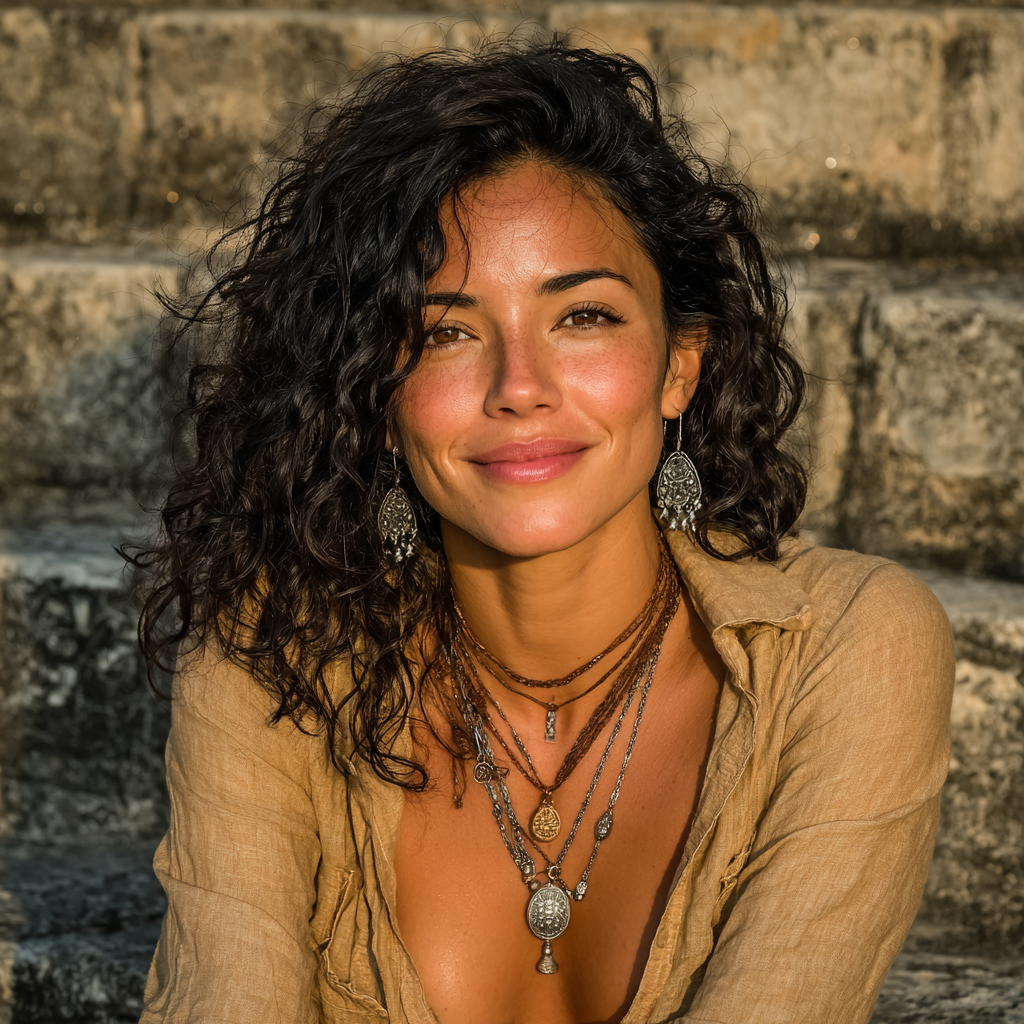
By Elena Vasquez
Cultural anthropologist and culinary storyteller. Elena spent a decade documenting traditional cooking methods across Latin America and the Mediterranean. She holds a PhD in Ethnography from Barcelona University and believes the best way to understand a place is through its kitchens and ancient streets.