
Cali Solo Travel Guide: The $3 Salsa Class, the 15,000-Peso Cover, and the City That Dances Through Anything
Introduction
Cali does not ease you in. Colombia's third city sits in a furnace of a valley at 1,000 meters, and the heat is the first thing that hits you — the second is the music. Salsa pours out of buses, bakeries, pharmacies, and passing cars at 10 a.m. on a Tuesday. In Cali, salsa is not a genre; it is infrastructure, as essential as the MIO bus system and considerably more reliable. Locals call their style salsa caleña — faster footwork, tighter turns, hips that answer the percussion on a slightly different beat than the rest of the world — and they will happily tell you, with zero requested evidence, that Cali is the true capital of salsa. After a week here, you will stop arguing.
I came alone, with the coordination of a newborn giraffe, and left having danced — badly, publicly, joyfully — in a dozen different venues. That is the real promise of Cali for solo travelers: this is the easiest city in South America to meet people, because everyone is brought together by the same thing. You do not need a partner, a plan, or talent. You need comfortable shoes and a willingness to say yes.
One honest thing before anything else: on August 10, 2026, a magnitude 7.4 earthquake with its epicenter in Chocó shook western Colombia, and Cali took a hard hit — damaged buildings, collapsed homes, a death toll in the dozens, and a city that spent the following weeks in emergency mode. The airport was back to normal within two days, but reconstruction is ongoing as I write this in late September 2026. The city most travelers experience — San Antonio, El Peñón, the salsa circuit, the museums — is functioning, and the Cali I describe below is the Cali of right now. But you will see cordoned facades, and you should verify that any hotel you book is operating normally. More than half a dozen festivals and the famously resilient feria spirit have turned this into a city that is actively asking visitors to come back. If you want your tourism dollars to matter, this is a very good place to spend them.
Why Cali Works for Solo Travelers
Most solo travelers in Colombia default to Medellín or Cartagena, which keeps Cali refreshingly un-touristed. The handful of foreigners you meet here are not following an influencer checklist — they came for salsa, or they came by accident and extended their stay. Both types are easy to befriend.
The structure of the city helps. The historic San Antonio neighborhood, where most solo travelers base themselves, is a hill of colonial houses, hostels, cafés, and small plazas that is pleasantly walkable day and night. El Peñón and Granada, just north of the river, are the polished dining-and-brewery districts where a woman dining alone at a restaurant raises no eyebrows whatsoever. And the salsa ecosystem is the greatest social lubricant on earth: within one class, you will have touched hands with fifteen strangers and laughed with half of them. Solo traveler loneliness does not survive contact with Cali.
Costs are still gentle. At roughly 3,300 pesos to the US dollar in late September 2026, a full salsa class runs about the price of a coffee back home, a hostel dorm is $9–14, and a plate of sancocho that would feed two people costs around $5. Cali punches absurdly above its weight on a budget.
The Earthquake Question: Cali Right Now
You will have seen the news, so let me give you the practical version. The August 10 quake damaged an estimated 5,000 buildings in Cali, including 36 hotels across the city and the Valle del Cauca region, some of which will need months of repairs. The Alfonso Bonilla Aragón airport, despite being in the hard-hit corridor, resumed normal operations on August 12 and is running normally now. The MIO bus system, the museums, the salsa clubs, and the vast majority of restaurants and hostels are operating as usual.
What this means for your trip, concretely:
- Book accommodation with free cancellation and confirm by message or WhatsApp a few days before arrival that the property took no structural damage. The big San Antonio hostels came through fine, but verify anyway — it takes two minutes and hoteliers are used to the question.
- Downtown, some facades on older streets are fenced off. Observe the cordons; they are not tourist theater.
- Aftershocks are possible. When you check in, note the evacuation route. This is thirty seconds of effort for peace of mind.
- The timing could actually be on your side. The mayor has confirmed the Feria de Cali will run December 25–30, 2026, explicitly as an engine of economic recovery, and the city is pouring energy into making it spectacular. Visiting in December is both a party and a deliberate act of support.
Learning Salsa: Classes, Prices, and Where to Start
You have three tiers of options, and I recommend all three.
The budget tier is nearly free. Viajero Cali Hostel & Salsa School in San Antonio (Carrera 4 #3-33 area) runs free daily group salsa classes for guests — the quality is legitimately good, and it is the fastest way to go from zero to "can survive a social" in a week. Even if you stay elsewhere, several hostels sell class passes to outsiders for a nominal fee. The twice-weekly mega-class at Plazoleta Jairo Varela, the square honoring the Grupo Niche legend in the San Fernando area, is free, outdoors, and attended by hundreds of caleños of every age. Show up, stand in the back row, and copy the grandmother in front of you. She has better technique than the instructor.
The middle tier is a proper dance school. Sabor Manicero, a well-regarded local academy, runs beginner group classes from around 11,000 COP (about $3.50) — genuinely, a class costs less than a craft beer. Other schools and independent instructors cluster around San Antonio and El Peñón; expect 15,000–25,000 COP for a drop-in group class at most. Private lessons run 30,000–40,000 COP per hour (roughly $9–12), and one or two privates early in your trip will compress a month of group-class learning into a single sweaty, wonderful afternoon. Ask at your hostel for the current favorite instructor — this changes, and locals know who is teaching well this season.
The immersion tier is learning by doing at the socials, which I cover next. But a word of encouragement first: salsa caleña looks intimidating and is, in fact, learnable. Caleños are famously patient with foreigners. Nobody cares if you have two left feet; they care that you are trying.
The Salsa Night: Clubs, Covers, and How to Do It Alone Safely
This is why you came, so let us be specific.
La Topa Tolondra (Calle 5 #38-18, La Merced area) is the little bar that appears in every documentary about Cali, and it earns its fame. It is tiny, loud, hot, and packed with locals who dance like the floor owes them money. There is usually a modest cover around 10,000–15,000 COP on weekends; weeknights can be free. Go on a Thursday if you want to actually move your arms. The crowd skews young and friendly, and as a solo foreigner you will be adopted within ten minutes — accept the first dance invitation; it is the entry fee that matters.
Tin Tin Deo (Calle 5 #38-71) is the traveler-and-locals hybrid a few doors down, with a cover around 15,000 COP, slightly more breathing room, and a reliably mixed crowd that makes it the easiest first night in town. Salsa here is interspersed with a bit of everything else, and the energy is welcoming rather than virtuosic.
Zaperoco Bar (Av. 5N #23-50, barrio Obrero) is the connoisseur's choice — older crowd, serious dancers, strict salsa and salsa only. The cover is similarly in the 10,000–15,000 COP range. Come here once you have a few classes under your belt and want to see what the dance looks like at its highest social level. Watching a 70-year-old caleño spin his partner through a crowded floor is a genuinely moving experience.
And then there is Juanchito, the legendary salsa district across the river in the industrial belt — Changó and its neighbors, warehouses converted into massive dance halls where the orchestras still play live. Juanchito is essential and Juanchito requires respect: go with a group (hostels organize nights, or make friends at La Topa and go together), take an Uber door to door both ways, keep your phone pocketed, and do not wander outside the venue strip. Solo, first visit, at midnight: no. With five new friends on a Saturday: one of the great nights of your life.
Practical rhythm of the week: salsa crowds build Thursday through Saturday. Sunday is quiet. Many clubs do not meaningfully start until 10:30 or 11 p.m., peak at 1 a.m., and the serious dancing runs to 4 a.m. Cali runs late; adjust your sleep now.
Beyond Salsa: The City Itself
If you somehow stop dancing, Cali still fills days nicely.
San Antonio is the historic heart and your default base. Climb to the whitewashed chapel on the hilltop park at dawn or dusk — the 360-degree view over the valley, with church spires in the foreground and mountains in the haze, is the city's best free show. The park fills with couples, street food vendors, and informal guitar circles on weekends.
La Ermita, the neo-Gothic cathedral on Avenida Colombia downtown, is Cali's postcard — a slender white-and-blue confection that photographs absurdly well in morning light. Step inside for ten cool minutes, then walk the pedestrianized Bulevar del Río down toward the river, where the famous bronze Cat of Tejada sits with its decorated feline companions along the waterfront. If your timing is lucky, the Bulevar hosts the Feria Internacional del Libro de Cali from October 24 to November 3, 2026 — one of Latin America's biggest book fairs, entirely free to wander, and a lovely slice of local life.
Museo La Tertulia (Av. Colombia #5-105 Oeste), the city's modern art museum on the riverbank, is worth a slow morning. Foreigners pay around 30,000 COP, and the collection of Colombian and Latin American modernism is strong; the riverside terrace café is a fine place to write postcards you will never send. Hours run Tuesday through Saturday, roughly 10 a.m. to 6 p.m. with shorter Sunday hours — confirm on their Instagram before you go, as schedules shift around holidays and, lately, around reconstruction work.
Getting around: the MIO bus rapid-transit system costs 3,500 COP per ride in 2026 (the old 1,600-peso fare you may see in older guides is long gone) and covers most of the city in air-conditioned comfort — buy a rechargeable card at any station. For everything else, Uber works well in Cali and is the recommended option after dark; short hops run 8,000–15,000 COP. Street taxis are fine ordered by phone or app rather than hailed.
Day trips when the city gets loud: Pance, a river town about 40 minutes south, is where caleños escape the heat — swim in the clear Rio Pance, hike into the cloud forest at Pance Farallones trailhead, and eat fresh trout at a riverside restaurant. Go on a weekday to avoid the family crush. The statue of Cristo Rey on the western ridge gives the classic city panorama; a taxi up and back with waiting time should run 60,000–80,000 COP split among whoever you meet at the hostel. Adventure travelers sometimes continue to San Cipriano, the jungle village reached by brujita rail-cart with river tubing — spectacular, but check road conditions locally before committing, as the corridor toward Buenaventura was among the quake-affected areas.
Food: Eating Alone, Eating Well
Cali's food is hearty, cheap, and built for sharing — which is to say, built to make you friends.
Start with the bakeries. Pandebono — the hot cheese bread that arrives by the basket — is a breakfast institution, best eaten standing at a counter with a tinto (black coffee) for under 5,000 COP total. For the full performance, find a cholado stand: shaved ice, fruit, condensed milk, and wafers in a cup, 8,000–12,000 COP of pure chaos, ideal at 3 p.m. in the heat. Its cousin the lulada — mashed lulo fruit over ice — is tarter and better.
Lunch is the menú del día, 15,000–20,000 COP at a neighborhood comedor for soup, rice, beans, meat, salad, and juice. This is where you eat every day, and where, if you sit at the shared table, you will be pulled into conversation. Dinner in San Antonio runs the range from arepa stands to proper restaurants — the Cali-Atlantic fusion spots around the Parque San Antonio have made the neighborhood genuinely interesting for food, not just dancing. Try sancocho Valluno, the city's signature soup-stew, and aborrajado, fried plantain stuffed with cheese, at any traditional place.
Weekend bonus: the markets. The Galería Alameda area downtown is a sensory bombardment of tropical fruit — ask for a bag of chontaduro with salt and honey, a Cali ritual that divides visitors and unites locals.
Where to Stay as a Solo Traveler
Base yourself in San Antonio. Full stop. It is the safest, prettiest, most social base in the city, everything worth doing is a short Uber away, and the hilltop park gives you an instant landmark to navigate by.
La Palmera Hostel, a short walk from Parque San Antonio, is the community institution — a 9.5-rated maze of a house with a pool, a big kitchen, and salsa classes on-site; the owner is locally famous for personally making sure every solo guest leaves with dance partners and dinner plans. Dorms run roughly 30,000–45,000 COP; privates around 100,000 COP. Viajero Cali Hostel & Salsa School, right in the heart of the barrio, is the polished chain option with free daily salsa classes, AC dorms from around 25,000 COP, and a built-in social calendar — ideal if you want your friend group pre-assembled. For quieter comfort, the boutique hotels up the hill toward El Peñón start around 150,000–250,000 COP and put the restaurant scene at your doorstep.
Given the post-quake situation: message your chosen property a few days ahead to confirm operations, and favor places with recent reviews mentioning structural normality. The established hostels are all fine — this is a two-minute habit, not a reason for anxiety.
Safety: The Honest Version
Cali's reputation precedes it, and the reputation is dated. The city of the 1990s is not the city of 2026 — but 2026 Cali still requires street sense.
The rules that keep you safe: Uber after dark, always. Keep the phone off the curb edge of the sidewalk and out of sight at traffic lights. No jewelry of consequence; the gold chain stays home. In the MIO, ride the front carriages and avoid late-night empty stations. Centro by day is fine and interesting; by 8 p.m. it empties and so should you. And the neighborhoods you have no reason to visit — parts of Aguablanca east of the river — you will not wander into accidentally.
For solo women specifically: Cali is broadly manageable with the standard toolkit. San Antonio and El Peñón feel comfortable day and night with the usual awareness; salsa venues are respectful by Latin American nightlife standards, though a firm "no" may need repeating once. I walked home alone within San Antonio many nights and took Ubers everywhere else; that is the right ratio.
Post-earthquake addendum: follow cordon signage downtown, know your hotel's evacuation assembly point, and keep some cash on hand, since card networks and ATMs can hiccup during aftershocks. Save 123 (Colombia's unified emergency number) in your phone.
What to Skip
- The zoo. Cali's zoo is competent and beloved by locals, but you did not fly to the salsa capital for adequate zoology. Spend the afternoon at Museo La Tertulia instead.
- Juanchito, solo, on your first visit. A legend entered recklessly is a legend that ends with a lost phone. Go with people, door to door by Uber.
- Overpriced "salsa show dinner" packages aimed at tourists. The real clubs charge 15,000 COP covers and the dancing is better than any staged show. Eat dinner first, then go where the locals actually dance.
- Booking any hotel without confirming it is operating normally post-earthquake. Verification takes two minutes; showing up to a fenced-off building wastes a day.
- Early mornings. Cali wakes late and breakfasts slowly; the city does its best work after 6 p.m. Structure your days accordingly.
- Expecting English. Spanish here is essential for anything beyond a hostel conversation — download offline Spanish, learn "¿me enseña a bailar?" (will you teach me to dance?), and watch doors open.
A Realistic Daily Budget (Late 2026, at ~3,300 COP/USD)
- Hostel dorm in San Antonio: 30,000–45,000 COP ($9–14)
- Food (bakery breakfast, menú del día lunch, sit-down dinner): 60,000–90,000 COP ($18–27)
- One salsa class: 11,000–25,000 COP ($3–8)
- Transport (MIO + one or two Ubers): 15,000–25,000 COP ($5–8)
- Club cover: 10,000–15,000 COP ($3–4.5)
Total: roughly 130,000–185,000 COP per day ($40–56) with a class and a night out — less if you cook hostel dinners, more if you add private lessons (30,000–40,000 COP/hour) and cocktails. Cali rewards the mid-range spender: this is not a city where paying more gets you more, except in dance instruction.
Practical Notes
- Money: Cards are accepted at restaurants, clubs, and supermarkets, but carry 100,000–150,000 COP in small bills for markets, bakeries, covers, and taxis. Use ATMs inside banks or malls (BBVA and Davivienda are reliable). The exchange rate is hovering near 3,300 COP/USD as of late September 2026 and has ranged between about 3,050 and 3,600 this year — check the day's TRM.
- SIM: Claro has the best coverage in the valley; a prepaid tourist SIM with several GB of data costs roughly 20,000–30,000 COP at any official store (bring your passport). Buy it at a mall store, not the airport kiosk.
- Getting in: Cali's airport (CLO, Alfonso Bonilla Aragón) is actually in Palmira, a 35–50 minute ride depending on traffic. Official airport taxis run about 60,000 COP into San Antonio; Uber is typically similar or less. Ignore touts inside the terminal and buy the official taxi ticket at the desk.
- Weather and packing: ~1,000 meters of altitude keeps it hot and humid year-round, 28–33°C by day, with rainy peaks around April–May and October–November. Pack for heat, bring one layer for heavily air-conditioned MIO carriages, and take the altitude hydration seriously the first day.
- Plugs: 110V, Type A/B — the same two-flat-pin system as the United States. North Americans need nothing; Europeans need an adapter.
- Language: Spanish is the operating system here. Basic phrases transform your trip; "¿me enseña?" opens every dance floor.
Final Thoughts
Cali asks something of you. It asks you to try the dance, to learn twenty words of Spanish, to stay up past your bedtime, to look honestly at a city rebuilding itself and show up anyway. What it gives back is disproportionate: a hundred hands pulling you onto a hundred dance floors, a plate of sancocho shared with a stranger who becomes a friend by the second bowl, a hillside sunset over a valley that has shrugged off earthquakes before and will again.
Come for the salsa. Stay for the feria spirit. Come back because the December 2026 Feria de Cali — the recovery feria — is going to be one for the history books. Nobody in Cali cares if you have two left feet. They only care that you showed up.
Maya Johnson is a solo travel writer who has explored 40+ countries alone, with a soft spot for cities where dancing counts as a social skill. She believes the best travel experiences start just outside your comfort zone — and that learning to dance in public is the fastest way to expand it. She has no affiliation with any business mentioned in this guide.
Last updated: September 2026
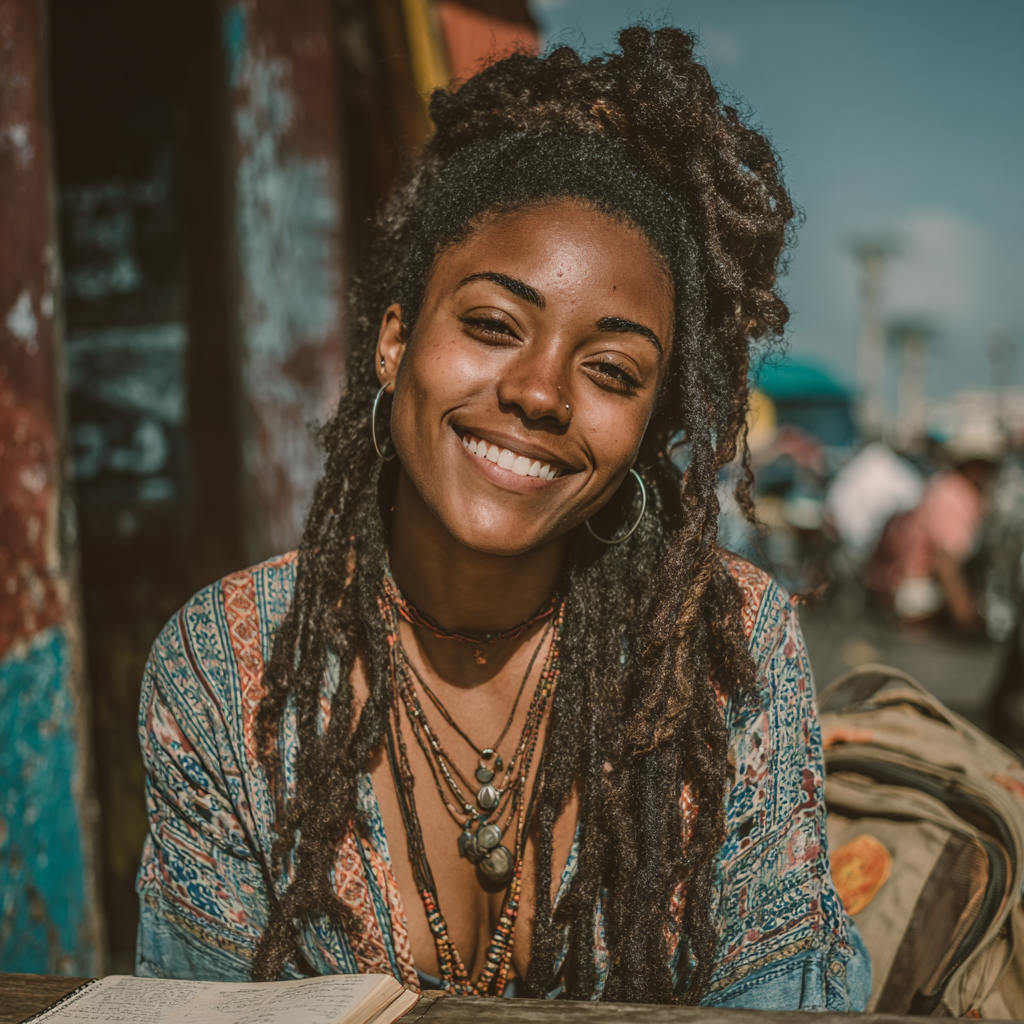
By Maya Johnson
Solo travel evangelist and digital nomad veteran. Maya has spent six years traveling alone across 50+ countries on a freelance writer budget. She writes honest, practical guides for women who want to explore the world independently and safely.