
The first thing you notice about Cape Verde is that the Atlantic does not care about your schedule. Flights from Lisbon to Praia run four times weekly on TAP, but the winds that blow across these ten volcanic islands have their own clock. The second thing you notice is that nobody here apologizes for it. Cape Verdeans have been waiting on the wind, the ocean, and each other since 1462.
I arrived in Mindelo on São Vicente, the island that most Cape Verdeans call their cultural capital, after a seven-hour flight from Lisbon. The airport is a single-story building with a mural of Cesaria Evora, the barefoot diva who put morna music on the world map before she died in 2011. Her house is still there, on Rua de Moeda, a narrow lane in the historic center. A neighbor told me that locals still leave flowers on the step every December, the month she died. The Cesaria Evora Museum (Rua de Moeda 7, open Tuesday to Saturday 10 AM to 6 PM, 200 CVE entry) is small but honest. It has her stage dresses, her guitar, and a wall of photographs from Lisbon to Paris to the Grammy Awards. Morna is Cape Verde's national music, a minor-key lament that sounds like fado crossed with West African blues. It is impossible to listen to it in Mindelo and not understand why so many Cape Verdeans say their country is a feeling, not a place.
Mindelo is the reason most travelers come to São Vicente. The city has 80,000 people, a natural harbor that once made it a coaling station for British ships, and a carnival in February that the locals claim is the second largest in the world after Rio. I did not see the carnival, but I did see the preparations. Groups rehearse in the streets from November onward. The costumes are made in workshops behind the Mercado Municipal, a covered market on Avenida Baltasar Lopes da Silva that sells everything from dried fish to pirated DVDs to fresh sugarcane juice pressed on site for 100 CVE a cup. The market opens at 6 AM and closes by 2 PM. By noon, the fish section smells like the Atlantic.
Cape Verde is not one destination. It is ten. The islands sit 570 kilometers off the coast of Senegal, in the zone where the Sahara meets the ocean. Each island has a different climate, a different economy, and a different dialect of the Creole language that most Cape Verdeans speak at home. Portuguese is the official language, used in government and schools, but walk into any bar in Mindelo and you will hear Kriolu, a Portuguese-based Creole with West African vocabulary and its own grammar. The linguists say there are at least six distinct variants across the archipelago.
Santo Antão is the island that hikers talk about. It is the second largest in the chain, green and terraced, with a coastline that drops 1,000 meters into the Atlantic. The trail from Cruzinha to Ponta do Sol follows a ribeira, a dry riverbed that becomes a torrent in the rainy season, and passes through villages where the houses are painted pink, yellow, and blue. The trail is 12 kilometers and takes four to five hours. There are no markers, but local guides charge 3,000 to 5,000 CVE for the day and know every mango tree and shortcut. Most hikers stay in Ponta do Sol at small guesthouses like Pensão Ribeira Grande (2,500 CVE per night, breakfast included) or in Paul Valley at Aldeia da Fonte (3,500 CVE), where the owners grow their own coffee and serve it with cornbread at dawn.
Santiago is the largest island and the administrative heart. The capital, Praia, has 160,000 people, a plateau layout that feels like a smaller, hotter version of Lisbon's suburbs, and a plateau market that sells secondhand clothes from Europe by the kilogram. But the real reason to visit Santiago is Cidade Velha, 15 kilometers west of Praia. This was the first European colonial city built in the tropics, founded by the Portuguese in 1462. The slave trade made it wealthy. The Pelourinho, a stone pillory in the main square, is where enslaved people were whipped and sold. The Church of Nossa Senhora do Rosário, built in 1495, is the oldest colonial church in the tropics. The entire site is a UNESCO World Heritage zone. Entry is 500 CVE. A guide named João, who grew up in the village, offers two-hour walking tours for 1,500 CVE. He showed me the ruins of the cathedral, the slave port, and the house where the Portuguese governor lived.
Cidade Velha is not sanitized. There are no gift shops, no audio-visual centers, no reenactments. The village is poor. Children play soccer in the square where the pillory stands. Women wash clothes in the ribeira. The honesty is the point. Cape Verde does not have the tourism infrastructure to repackage its history. You see it as it was.
Fogo is the island that scares people. The volcano, Pico do Fogo, rises 2,829 meters from the sea and last erupted in 2014, burying the village of Portela under lava. The crater is still active. You can hike to the top in five hours from the village of Chã das Caldeiras (1,000 meters above sea level), where a handful of families rebuilt their houses from black volcanic stone and now grow coffee and wine grapes inside the caldera. The wine is called vinho de Fogo, and it is the only wine produced in the archipelago. A bottle at the cooperative in Chã das Caldeiras costs 800 CVE. It tastes like mineral water and smoke. The hike to the summit requires a local guide (2,000 CVE) and a 4x4 to reach the trailhead (3,000 CVE from São Filipe, the main town on Fogo). The summit is cold. Bring a jacket, even if it is 30 degrees Celsius at sea level.
Sal and Boa Vista are the islands that package tourism built. Sal has all-inclusive resorts in Santa Maria, windsurfing schools, and the salt flats of Pedra de Lume, where you can float in a volcanic crater lake below sea level. The entry fee is 500 CVE. The water is so salty that you cannot sink. Boa Vista has desert landscapes, loggerhead turtles that nest on the beaches from June to October, and a growing number of resorts that the Cape Verdean government is trying to keep small-scale. The environmental ministry banned large hotel developments on Boa Vista in 2023. The maximum height for new buildings is two stories. This is unusual in West Africa.
What makes Cape Verde different from other developing nations with beaches is the diaspora. There are more Cape Verdeans living outside Cape Verde than inside it. The largest communities are in Boston, Lisbon, and Rotterdam. The remittances they send home make up 15 percent of the GDP. In Mindelo, I met a taxi driver named António whose sister runs a bakery in New Bedford, Massachusetts. He had never been there, but he knew the address and the bakery's hours. The connection is constant. The money arrives monthly. The culture flows both ways. Hip-hop from Boston mixes with morna in Mindelo's clubs. The result is a music scene that is local and global at the same time.
The national dish is cachupa, a stew of corn, beans, pumpkin, and whatever protein is available. It is cooked slowly, often for three days, and served for breakfast, lunch, and dinner. The rich version has chorizo and chicken. The poor version has fish scraps and cabbage. Both are eaten with grogue, a sugarcane spirit distilled in backyard stills across the islands. Grogue is illegal but tolerated. A liter costs 500 to 1,000 CVE from a neighbor. It tastes like fire and sugar. The legal version, 1.5 liters, sells at shops for 1,200 CVE. It is the same liquid in a labeled bottle.
What to skip: the all-inclusive resorts on Sal if you want to understand Cape Verde. They are fine for a beach holiday, but they are spatially and culturally isolated from the country. The same goes for the "desert safari" tours on Boa Vista that drive quad bikes over protected dunes. The dunes are fragile. The turtles use them. The tours are profitable. You do the math. Also skip the idea that Cape Verde is "undiscovered." Sal and Boa Vista have been discovered by European tour operators. The discovery is uneven.
Practical logistics: Cape Verde uses the escudo (CVE), fixed at 110.265 to the euro. Euros are accepted in most places. The inter-island ferries are unreliable. The schedule changes with the weather. The best way to move between islands is the domestic airline, TACV, which flies to six islands from Praia and Mindelo. Flights cost 5,000 to 12,000 CVE one way. Book two weeks ahead. The visa is free for EU, US, and UK citizens on arrival for 30 days. Health insurance is mandatory. Buy it online for 2,500 CVE before arrival. The dry season is November to June. July to October is humid and rainy on Santiago and Santo Antão. Sal and Boa Vista are dry year-round.
I left Cape Verde from Praia on a morning flight to Lisbon. The airport was small, hot, and slow. A group of women in the departure lounge were singing morna in harmony. They were not performing. They were waiting. The song was about saudade, the Portuguese word for longing that does not translate. In Cape Verde, they have made it their own.
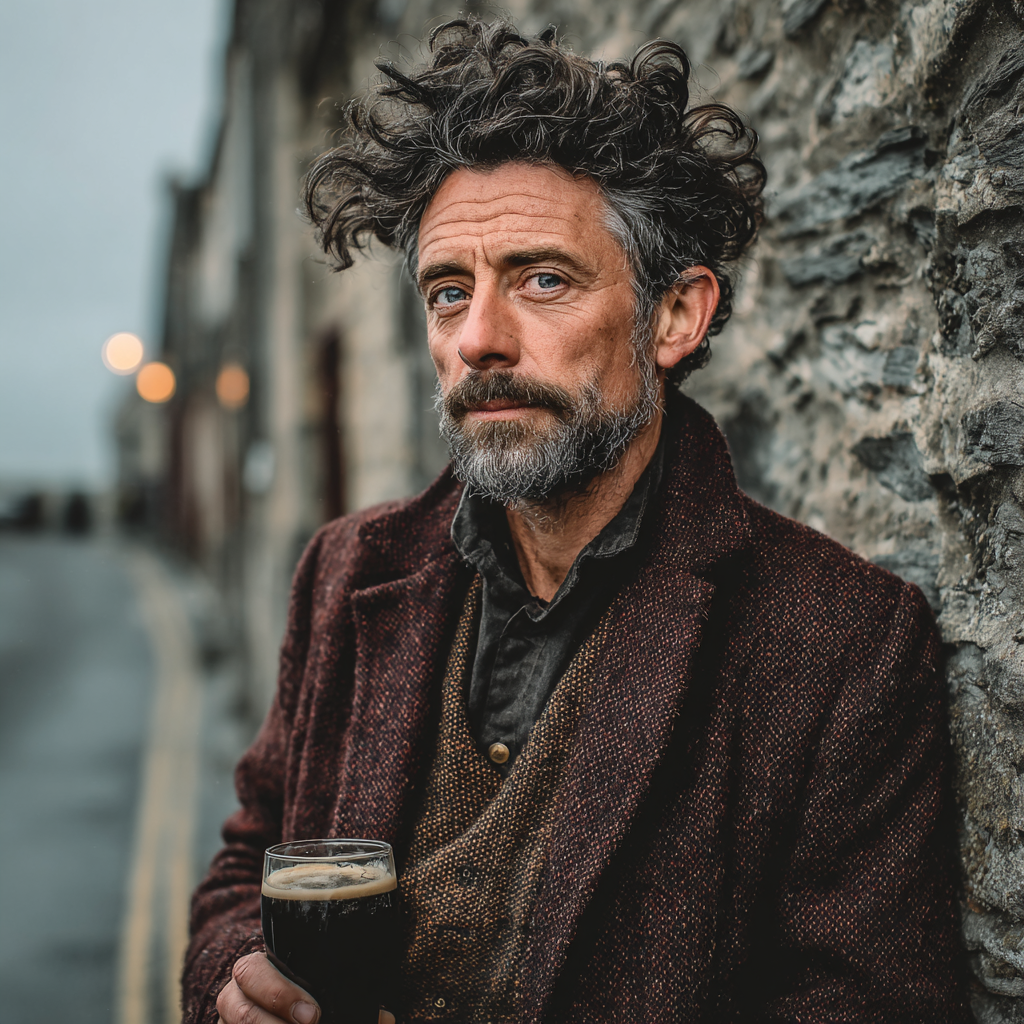
By Finn O'Sullivan
Irish storyteller and folklorist. Finn hunts for the narratives that do not make guidebooks—the pub legends, the family feuds, the neighborhood heroes. He believes every street corner has a story if you know who to ask.