
Stone, Syrup, and Starlight: A Storyteller's Guide to Quebec City's Living Walls
By Finn O'Sullivan — Culture & History, Local Stories
I don't trust cities that hide their age. Quebec City wears every century like a scar — cobblestones polished by 400 years of boots, fortifications that watched the British sail up the St. Lawrence, and alleyways where French soldiers once gambled away their pay. This is the last walled city in North America north of Mexico, and it doesn't let you forget it.
I've spent weeks here across every season, from January nights when the wind off the river could freeze your thoughts mid-sentence to July afternoons when the terraces overflow with wine and the city feels like a festival that forgot to end. What follows isn't a checklist — it's a map to the specific corners, addresses, and moments that make Quebec City feel less like a destination and more like a discovery.
The Walls That Refused to Fall
The Fortifications of Quebec are not a museum piece. They're a 4.6-kilometer girdle of stone and earth that still wraps the Old Town like a clenched fist, and you can walk almost every meter of them. Start at the St. Louis Gate (Rue St-Louis at Côte de la Citadelle), one of four original gates, and follow the Promenade des Gouverneurs along the cliff edge. The view from the top of Cap Diamant — 100 meters above the river — is the reason the French chose this spot in 1608. On clear mornings, you can see the Laurentian Mountains rising like a rumor on the horizon.
The walls were built between 1608 and 1871, expanded and reinforced through centuries of colonial war. The British, who took the city in 1759, kept building. The Americans, who attacked in 1775 and failed, gave them reason to keep the walls thick. Today, they're a UNESCO World Heritage Site, and walking them costs nothing. The full circuit takes about two hours at a thoughtful pace. Bring a jacket — the wind finds every gap in the stone.
For a deeper dive, the Musée du Fort (10 Rue Sainte-Anne, entry ~CAD $10) uses a sound-and-light model to reconstruct the 1759 Battle of the Plains of Abraham. It's dated technology but effective — you feel the scale of the British naval assault, the 200 ships, the 13,000 soldiers. The real Plains of Abraham, a vast green field just west of the walls, are where it ended. In September, the field is quiet except for dog walkers and the occasional reenactor. Stand there at dusk and imagine the smoke.
The Citadel: Where the Morning Gun Still Fires
The Citadel of Quebec (1 Côte de la Citadelle) is a star-shaped fortress that occupies the highest point in the city. The British built it between 1820 and 1850, terrified of another American invasion that never came. Today, it's an active military base — the Royal 22e Régiment, the "Van Doos," still parades here — and a remarkably intact 19th-century fortification.
Admission and hours (2026): CAD $22 adults, CAD $20 seniors/students, CAD $50 family (2 adults + children). Open 9:00 AM to 5:30 PM (May 16–Aug 31); 10:00 AM to 5:30 PM (Sep 1–May 21). The famous Beating Retreat ceremony runs Tuesdays at 7:00 PM in July and August. The morning gun — a single cannon fired at 9:00 AM — still echoes across the city. The Citadel tour is self-guided with an audio guide included, and the underground passages are genuinely cold even in summer. Wear layers.
The best time to visit is early morning, before the cruise-ship groups arrive. The views from the bastions over the river and the Lower Town are the most photographed in the city for good reason. But the real magic is in the details: the soldiers' graffiti carved into barrack walls, the powder magazines with their inch-thick doors, the way the star-shaped walls create optical illusions of depth from certain angles.
Château Frontenac: The Castle That Built the City
No building in Canada is more recognizable than the Fairmont Le Château Frontenac (1 Rue des Carrières). Opened in 1893 by the Canadian Pacific Railway, it was never a real castle — it's a luxury hotel designed to look like one, and it worked so well that it became the symbol of the city itself. The copper roof has oxidized to that distinctive green. The turrets and gables are pure railway-baroque fantasy.
You don't need to stay here to experience it. The lobby is open to the public, and the Dufferin Terrace — the 425-meter boardwalk that wraps around the hotel's cliffside perch — is free. The terrace was built in 1879 and named after a governor-general who understood that Quebec's best asset was its view. In winter, the Toboggan Slide (operating since 1884) launches you down an 820-foot wooden track at speeds up to 70 km/h. CAD $4 per ride. Book tickets at the Quebec City Tourism kiosk.
What to skip: The Château Frontenac high tea. At CAD $80–$120 per person, the price is steep for what is essentially a photo opportunity with sandwiches. The lobby is more impressive than the tea room, and you can see it for free. If you want the view, order a coffee at the hotel's 1608 Wine & Cheese Bar and sit by the windows.
Lower Town: Where the City Began
The Funiculaire du Vieux-Québec (16 Rue du Petit-Champlain) connects the Upper Town to the Lower Town in 60 seconds. It costs CAD $3.50 one-way, CAD $5.50 return, and operates daily from 7:30 AM to 11:30 PM (summer) and 8:00 AM to 10:00 PM (winter). The view from the car as it descends the cliff face is worth the price alone — the St. Lawrence River spreading below, the rooftops of North America's oldest shopping district arranged like a stage set.
At the bottom, Place Royale is where Quebec City began. Samuel de Champlain founded his habitation here in 1608. The Notre-Dame-des-Victoires Church (32 Rue Sous-le-Fort), built in 1688, is the oldest stone church in North America. The square itself was restored in the 1970s to its 17th-century appearance, and the Fresque des Québécois — a massive mural on the side of a building at 29 Rue Notre-Dame — depicts 400 years of city history in trompe-l'œil. Stand close enough to see the brushwork, then step back to watch the figures appear to move.
Quartier Petit Champlain (Rue du Petit-Champlain and surrounding streets) is the oldest commercial district on the continent. The buildings date to the 1600s and 1700s, and the boutiques inside them sell everything from Inuit art to hand-knit woolens. It's touristy, yes, but also authentic — many shops have been in the same families for generations. Boutique Triko (45 Rue du Petit-Champlain) has been selling traditional Quebec textiles since 1969. La Petite Cabane à Sucre de Québec (60 Rue du Petit-Champlain) serves maple taffy on snow year-round. CAD $5–$7 per stick. In winter, the snow is real. In summer, they use crushed ice, but the syrup is still boiled to the same temperature in copper kettles.
Île d'Orléans: The Garden of Quebec
Twenty minutes northeast of the city, Île d'Orléans is a rural island that feels like it was frozen in 1750. Six villages, 42 kilometers of country road, and some of the best food in the province. The island is connected to the mainland by the Pont de l'Île d'Orléans — free, no toll — and circled by a single road, Route du Président-Kennedy (Route 368), that takes you past strawberry fields, apple orchards, and farm stands.
Casse-Croûte Chez Mag (3015 Chemin Royal, Saint-François) is a roadside shack that serves the best poutine I've had anywhere. CAD $12–$18. The fries are cut by hand, the cheese curds squeak, and the gravy is made from a family recipe. Vignoble de l'Isle de Bacchus (1120 Chemin Royal, Saint-Laurent) produces ice wine and late-harvest wines from grapes that freeze on the vine. Tastings are CAD $10–$15. La Sucrerie de la Montagne (300 Chemin St-Georges, Rigaud — actually just off the island, but worth the detour) is an authentic sugar shack where maple syrup is still harvested with horses and buckets. Dinner and show: CAD $45–$60, reservations essential.
The island's Manoir Mauvide-Genest (4818 Chemin Royal, Saint-Jean) is a 1734 seigneurial manor open for tours. CAD $8. It's the closest you'll get to understanding how the French colonial gentry lived — the furniture, the fireplaces, the way the house was positioned to catch the river breeze. The docents are descendants of the original family.
Montmorency Falls: Higher Than Niagara
Parc de la Chute-Montmorency (2490 Avenue Royale, Beauport) is 13 kilometers northeast of the city. The falls are 83 meters high — 30 meters higher than Niagara — and the volume of water in spring is staggering. The park is open year-round. Admission: CAD $18.50 adults, CAD $16.50 seniors, CAD $9.50 children (6–17). The Parcours (suspension bridge and staircases) is included.
In winter, the falls freeze partially, creating a pain de sucre (sugarloaf) — an ice cone at the base that can reach 30 meters tall. The Via Ferrata climbing route (CAD $75–$95) lets you scale the cliff face beside the falls with guided safety equipment. The zipline (CAD $35) crosses the cove at 50 meters above the water. In summer, the mist from the base creates constant rainbows.
The park's Manor House (built 1781) is a museum of seigneurial life. But the real reason to come is the Cliffside Restaurant — the view of the falls from the terrace is unmatched in the region. A meal here costs CAD $25–$40, but you're paying for the panorama.
Winter: When the City Becomes a Snow Globe
If you can only visit once, come in February. The Carnaval de Québec runs for two weeks every winter (late January to mid-February 2026; exact dates announced each fall). It's the largest winter carnival in the world, founded in 1894, and it transforms the city into a festival of ice sculptures, snow baths, night parades, and Bonhomme Carnaval — the seven-foot snowman mascot who is inexplicably beloved.
The Ice Palace is built anew each year in the Plains of Abraham. It takes 40 sculptors six weeks to construct, using 3,000 blocks of ice and 35,000 tons of snow. The palace is open to visitors during the day and lit from within at night. Admission to the carnival grounds is CAD $20–$25 for a day pass, or CAD $50 for a full-event pass.
The Hôtel de Glace (2280 Boulevard Valcartier, Saint-Gabriel-de-Valcartier) is North America's only ice hotel, rebuilt annually. Located 30 minutes north of the city at Village Vacances Valcartier. Day visits: CAD $29–$35 adults, CAD $24–$30 children. Open daily 10:00 AM–9:00 PM (late January to late March, weather permitting). Overnight stays: CAD $399–$899 per couple, depending on room type and date. Includes thermal sleeping bag, breakfast, and access to the Nordic spa area. Book by November for February weekends — they sell out.
The Celsius Ice Bar inside the hotel serves cocktails in glasses made of ice. CAD $14–$18 per drink. The ice slide — a winding tube through the snow structure — is free with admission and genuinely thrilling, even for adults.
Practical winter note: The wind chill in Quebec City can reach -40°C with the humidity from the river. The city is built for it — underground passages, heated sidewalks in some areas, and every café has a fireplace. But pack for real cold: merino wool base layers, down insulation, waterproof boots rated to -20°C, and mittens (not gloves — your fingers keep each other warm).
What to Eat: Beyond Poutine
Poutine is sacred here, but Quebec City's food scene runs deeper. Restaurant ARVI (519 3e Avenue, Quebec City) is a modern bistro in the Saint-Roch neighborhood, serving tasting menus that use Quebec ingredients with Nordic technique. Tasting menu: CAD $85–$120. Reservations required, often two weeks out. The Bison tartare with smoked bone marrow and the Quebec lamb with spruce-tip jus are signatures.
Buvette Scott (821 Rue Scott) is a wine bar with natural wines and small plates. CAD $8–$18 per dish. The tartare de boeuf and the cheese selection (all Quebec producers, all explained by the server) are consistently excellent. The room is tiny — 20 seats — and the music is loud. Come early or wait.
Le Cochon Dingue (1014 Rue Saint-Jean) is a local institution. The name means "The Crazy Pig," and the menu is brasserie classics: tourtière (meat pie), creton (pork spread), pea soup with ham. CAD $18–$28 for mains. It's unpretentious, crowded, and the servers move fast. The eggs Benedict with Quebec ham is the best breakfast in the city.
Paillard (1097 Rue Saint-Jean) is a boulangerie and café. The croissants are the flakiest in town, and the Quebec cheese sandwich on sourdough is a perfect lunch. CAD $12–$18. The coffee is strong, the pastries are baked in-house, and the crowd is a mix of students, retirees, and tourists who stumbled in and stayed.
For something truly local, find tire sur la neige (maple taffy on snow) at any sugar shack or the Petit Champlain vendors. Hot maple syrup is poured onto clean snow, then rolled onto a stick with a popsicle. The texture is somewhere between taffy and caramel, and the temperature shock — hot syrup, cold snow — is part of the experience.
What to Skip
The Château Frontenac high tea. At CAD $80–$120, it's a photo opportunity disguised as a meal. The lobby is free and more impressive. Get a coffee at the wine bar and spend the difference on a real meal.
Tourist-trap restaurants in Place Royale. The ones with the multilingual menus and the waiters flagging you down serve overpriced, underseasoned food. Walk five minutes to Saint-Jean Street and eat where the locals do.
The calèche tours. The horse-drawn carriages around the Old Town are romantic in theory, but the horses work long hours, the routes are short, and the price (CAD $60–$80 for 20 minutes) is absurd. Walk the walls instead — it's free, and you control the pace.
Hop-on hop-off buses in the Old Town. The walled city is compact. You can walk from the Citadel to the Lower Town in 20 minutes. The buses miss the alleys, the staircases, and the sudden views that make Quebec City special. Use them only if mobility is an issue.
La Ronde (Montreal). Not in Quebec City, but often bundled in regional itineraries. It's a Six Flags park with long lines, expensive food, and a location on an island that requires a bridge crossing. Skip it unless you're traveling with thrill-seeking teenagers who have already seen everything else.
Practical Logistics
Getting here: Quebec City Jean Lesage International Airport (YQB) is 20 minutes west of the city. Taxi to downtown: CAD $35–$45. The Réseau de transport de la Capitale (RTC) bus 76 runs to the Old Town for CAD $3.75. Uber operates but is limited; taxis are more reliable.
Getting around: The Old Town is entirely walkable. The Funiculaire (CAD $3.50) connects Upper and Lower Town. The RTC day pass is CAD $9 and covers buses across the city. Bikes are available via àVélo (bike share) from May to October, CAD $15/day. The city has a good network of bike lanes, but the hills are steep.
When to come:
- June–August: Warm, festivals, crowded, expensive. Book hotels two months ahead. Days are long (sunset after 9:00 PM).
- September–October: Crisp air, fall colors, fewer tourists. The Île d'Orléans harvest season is in full swing. My favorite time.
- November–December: Quiet, some attractions close or reduce hours. The Christmas market (late November–December 23) is atmospheric but cold.
- January–March: Deep winter, Carnival in February, the Ice Hotel is open. The city is at its most beautiful and its least forgiving. Pack for -20°C.
Where to stay:
- Old Town (Upper): Walking distance to everything, but expensive and noisy. CAD $200–$400/night for mid-range.
- Saint-Roch (outside the walls): The emerging neighborhood, 10 minutes' walk from the gates. Better restaurants, lower prices, more locals. CAD $120–$220/night.
- Île d'Orléans: Rural, quiet, requires a car. Bed-and-breakfasts in historic homes. CAD $100–$180/night.
Language: French is the official language, but English is widely spoken in the tourist areas. Attempting a few French phrases — bonjour, merci, s'il vous plaît — is appreciated. The local accent is distinct from Parisian French, closer to the rural dialects of 17th-century France.
Currency: Canadian dollars (CAD). Credit cards accepted everywhere. Tipping is 15–20% at restaurants.
Safety: Quebec City is one of the safest cities in North America. The usual precautions apply, but violent crime is rare. The main risk is the weather — hypothermia in winter, sunburn in summer (the river reflects light).
The Last Word
Quebec City is not a place you conquer. It's a place you surrender to — the cold, the history, the endless French conversations you half-understand in crowded cafés. I've walked these walls at dawn, when the only other sound was the gulls over the river and the distant echo of the Citadel's morning gun. I've eaten poutine at midnight in a shack on an island where the only light came from the kitchen window. I've stood in the Ice Hotel at -5°C, holding a cocktail in a glass made of ice, and felt like I was in a dream that someone else was dreaming.
The city doesn't care if you visit. It was here before you, and it will be here after. But if you come with patience, good boots, and a willingness to get lost in alleys that haven't changed since the 1600s, it will give you something no other North American city can: the feeling of walking through a place that remembers.
Bon voyage. And bring a warm coat.
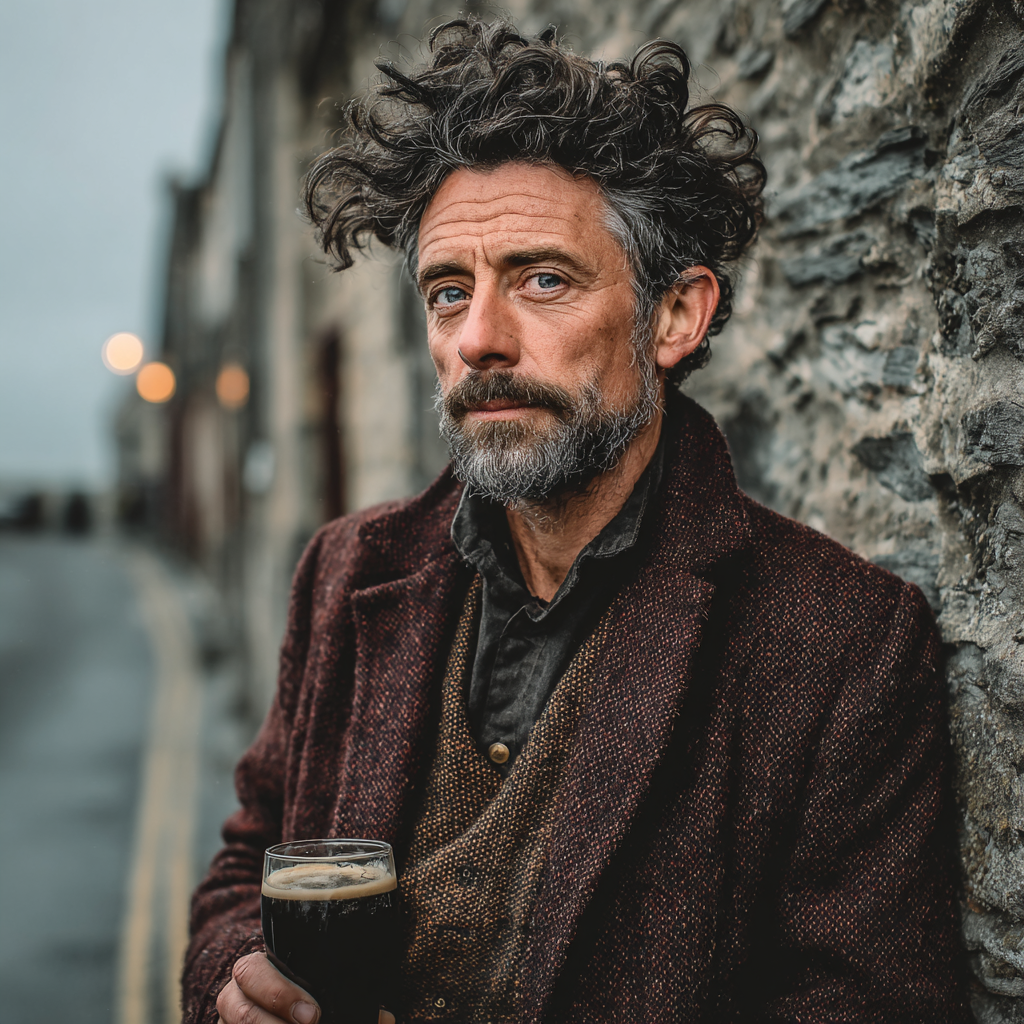
By Finn O'Sullivan
Irish storyteller and folklorist. Finn hunts for the narratives that do not make guidebooks—the pub legends, the family feuds, the neighborhood heroes. He believes every street corner has a story if you know who to ask.