
Montreal does not care if you are alone. The city is too busy being itself—bilingual, hungry, slightly freezing—to notice whether you have a travel companion. This is why it works so well for solo travelers. You do not need a plus-one to split a poutine, a friend to justify a 2 AM bagel run, or a group to wander the underground city at minus fifteen. You just need a metro pass and the willingness to eat alone.
I have spent six years traveling solo across fifty countries, and Montreal remains one of the easiest cities in North America for women traveling alone. It is safe, walkable, and the locals are too absorbed in their own conversations to stare at you. The trick is knowing where to stay, what to eat, and when to shut up and listen to the French.
Where to Sleep
The Plateau Mont-Royal is the best base for solo travelers. It is the neighborhood where Montreal actually lives—not the tourist version in Old Montreal, but the real one with the exterior staircases, the corner dépanneurs, and the cafés where people read actual newspapers. Stay here and you can walk to everything that matters.
Auberge Saintlo Montreal sits near McGill University. It is the best-rated hostel in the city for female solo travelers, with female-only dorms, 24-hour reception, and a security setup that does not feel like a prison. Dorm beds run CAD 35-45 per night. If you want something quieter, Auberge Chez Jean is tucked into the Plateau itself, smaller, with a garden patio and a kitchen that people actually use to cook instead of just storing beer. M Montreal Hostel is the social option—rooftop terrace, bar, organized activities, and the kind of common room where you will meet someone to split a poutine with within an hour.
For travelers who have outgrown hostel life but still want the price, Capsule Hotel Montreal downtown offers private pods with personal TVs, secure storage, and air conditioning. Pods cost CAD 55-75 per night. You get privacy without the isolation of a hotel room, and the downtown location puts you above the metro interchange at Berri-UQAM.
If you need a hotel, the Latin Quarter around Rue Saint-Denis has small independent places in the CAD 80-120 range. Avoid the downtown core near the convention center unless you enjoy empty streets after 9 PM and overpriced room service.
What to Eat Alone
Montreal is a city built for solo dining. The counter-service culture, the food courts, the 24-hour bagel bakeries—all of it assumes you might show up hungry and unaccompanied.
Start with the bagels. Montreal bagels are smaller, denser, and sweeter than the New York version, baked in wood-fired ovens and boiled in honey water. Fairmount Bagel at 74 Avenue Fairmount Ouest and St-Viateur Bagel at 263 Rue Saint-Viateur Ouest both operate 24 hours. A sesame bagel fresh from the oven costs CAD 1.50-2.50. Buy a dozen for CAD 11-15 and you have breakfast for three days. I have eaten these at 3 AM while walking home from a bar, and I have eaten them at 8 AM while sober. Both experiences are valid.
Schwartz's Delicatessen at 3895 Boulevard Saint-Laurent has been serving smoked meat sandwiches since 1928. The medium-cut sandwich costs CAD 12-14. The place is cash-only, seats about twenty people, and moves fast. You will share a table with strangers. This is not awkward—it is the point. The meat is leaner and pepperier than New York pastrami, and the sandwich is large enough that you will not need dinner for several hours.
La Banquise at 994 Rue Rachel Est serves poutine 24 hours a day. The classic—fries, cheese curds, gravy—costs CAD 12-17 for a portion you can split but will not want to. The curds should squeak when you bite them. If they do not, send it back.
For cheap everyday meals, Drogheria Fine at 34 Avenue Fairmount Ouest sells gnocchi in tomato sauce from a window for CAD 4-5. The container is large enough to feed you twice. Chinatown along Boulevard Saint-Laurent near René-Lévesque has noodle soups and dumplings for CAD 10-15. The Plateau's Vietnamese restaurants along Avenue du Mont-Royal serve bánh mì for CAD 6-8 and pho for CAD 10-14.
Jean-Talon Market at 7070 Avenue Henri-Julien is the best place to eat alone. It connects directly to the Jean-Talon metro station. You can buy Quebec cheeses, fresh produce, and prepared meals from Ethiopian, Vietnamese, and Italian vendors for CAD 8-12. There are no tables with a minimum party size. There is no waiter asking where your friend is. You just eat.
Look for BYOW signs—bring your own wine. Quebec restaurants with these signs charge no corkage fee. Buy a bottle at the SAQ liquor store for CAD 12-20, bring it to dinner, and eat for half the price of a standard restaurant. This is not a loophole. It is a cultural institution.
What to Do
Mount Royal Park is free and open year-round. In summer, locals picnic on the grass and swim in the reservoir. In winter, they cross-country ski on the same paths. The lookout at the summit gives you a view of the entire city skyline, and you will not need anyone to take your photo. A stranger will offer.
Notre-Dame Basilica in Old Montreal costs CAD 15 to enter. The interior is blue-lit and carved with enough wood to make you wonder if Quebec ever ran out of forests. The Aura light show in the evening costs extra but is worth it once. During the day, just sit in the pews and look up.
The Underground City—RESO—connects downtown buildings across 32 kilometers. It is not a tourist attraction. It is a survival mechanism. In January, when the temperature hits minus 25, you can walk from Place-des-Arts to the Convention Center without going outside. Follow the locals. They know the shortcuts.
The Montreal Museum of Fine Arts is free for people under 30 on Thursday evenings. The permanent collection includes a legitimate Rembrandt and a surprising amount of Inuit sculpture. The Canadian Centre for Architecture at 1920 Rue Baile is smaller, quieter, and more interesting than it sounds.
What to Skip
Old Montreal after 6 PM. The restaurants are tourist-priced and the cobblestones are harder to walk on than they look. Come during the day for the basilica and the Old Port, then leave for dinner in the Plateau.
The themed poutine restaurants in Old Montreal that charge CAD 20 for a version with foie gras. The point of poutine is that it is cheap. If you are paying more than CAD 15, you have misunderstood the assignment.
The underground city during rush hour. It is a commuter network, not a sightseeing loop. Between 4:30 and 6 PM, the moving walkways are full of people who actually need to get somewhere.
Downtown Eastside near Berri-UQAM after dark. It is not dangerous in the way some neighborhoods are dangerous, but it is where the city concentrates its unhoused population and social services. You will not be attacked, but you will be uncomfortable. Take the metro through it, do not walk it.
The hop-on hop-off bus tour. Montreal is a walking city. The bus will show you the same buildings you can see on foot, and the recorded commentary will describe them as "vibrant." They are not vibrant. They are old and cold.
Practical Notes
The metro is CAD 3.75 per ride or CAD 11.25 for a 24-hour pass. Buses use the same ticket. The metro runs until 1 AM on weekdays and 1:30 AM on weekends. After that, Uber works, but taxis from the street are safe and regulated. The city is not a cash economy, but Schwartz's is, and some small dépanneurs prefer it. Carry CAD 50 in cash.
Montreal is bilingual, but the default is French. Start with "Bonjour" and let the other person switch to English if they want to. They usually will. If you open with English, some people will respond in French out of principle. This is not hostility. It is Quebec.
The city is safe for solo women. The violent crime rate is low. The main risk is pickpocketing on crowded metro lines during festivals, and the occasional aggressive panhandler in the downtown core. Standard awareness is enough. I have walked home alone at 2 AM through the Plateau dozens of times without incident. The only thing that ever threatened me was the wind chill in February.
Budget realistically: CAD 80-115 per day covers a hostel dorm, cheap meals, metro rides, and free or low-cost attractions. If you want a private room and sit-down dinners, plan for CAD 150-180. The combined sales tax is 14.975 percent, and tipping is 15 percent in restaurants. These are never included in the menu price. Do the math before you order.
The best time to visit is June through September. July is festival season—Jazz Fest, Just for Laughs, and the Grand Prix—and the city is packed but alive. September is cooler and cheaper. Winter is a different city entirely. If you come in January, bring boots rated for minus 30 and a coat that makes you look like a sleeping bag. The cold is not a joke. It is a fact.
A Final Note
Montreal does not ask you to be anything. It does not require a travel partner, a French accent, or a tolerance for cold. It just requires you to show up, eat something, and accept that the bagels are better than the ones in New York. I am not going to debate this. I am just going to eat another one.
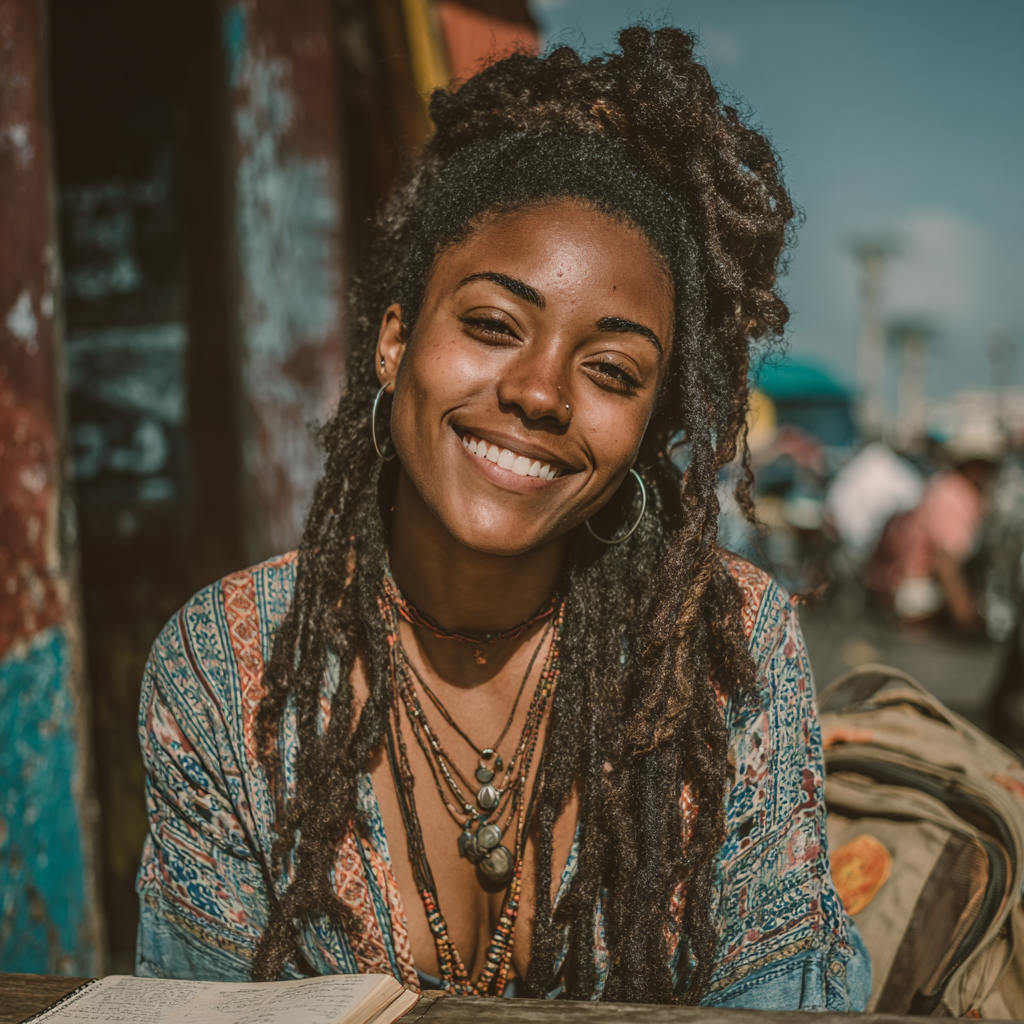
By Maya Johnson
Solo travel evangelist and digital nomad veteran. Maya has spent six years traveling alone across 50+ countries on a freelance writer budget. She writes honest, practical guides for women who want to explore the world independently and safely.