
Montreal: A Solo Traveler's Guide to the City That Eats Alone
Montreal doesn't just tolerate people who show up alone — it was practically designed for them. Here's how to eat well, move freely, and never once wish for a plus-one.
Why Montreal Works When You're Traveling Alone
Some cities make you feel the empty chair across the table. Montreal hands you a counter seat, a smoked meat sandwich the size of a brick, and a metro that runs past midnight so you never have to cut your evening short for logistics. It is, by almost any measure you care to name — safety statistics, walkability scores, density of 24-hour food — the easiest big city in North America to explore solo.
The numbers back this up. Montreal consistently ranks as one of the safest large cities on the continent for visitors, and the risks that do exist are the petty kind: bag snatching in the most touristed blocks of Old Montreal, a phone left on a café table, winter ice. Violent crime against tourists is rare enough that locals consider it newsworthy. The city is also aggressively walkable: the Plateau, Mile End, downtown, and the Old Port all connect comfortably on foot, and when your legs give out, the metro — clean, cheap, and comprehensible — picks up the slack.
But the real reason Montreal is a solo traveler's city is cultural. This is a town built on counter dining, 24-hour diners, BYO-wine bistros, and bagel shops where the line at 3 AM is half locals. Eating alone here reads as normal, not pitiable. Nobody will ask where your date is. Nobody will rush you out of a two-hour table for one. And because Montreal is one of the world's great festival cities, there is always a crowd you can simply fold yourself into — free outdoor stages, street closures, fireworks you didn't plan for. Even shy solo travelers get to borrow the energy of ten thousand people for an evening.
The Solo Dining Playbook
Food is the main event in Montreal, and almost none of it requires company. Here's the essential hit list, in the order you'll actually use it.
Schwartz's Deli — 3895 Boulevard Saint-Laurent. The smoked meat sandwich that launched a thousand arguments about smoked meat. Order it medium (the cut, not the cooking), on rye, with yellow mustard and a pickle — about CA$17–18 for the sandwich, more if you add fries, coleslaw, or the mandatory black cherry soda. Yes, there's a line. No, it doesn't matter: it moves fast, the counter seats up front are prime solo real estate, and the servers have been efficiently ignoring lone diners' existential questions since 1928. One important 2026 update: the old cash-only days are over. Cards are fine now. Open daily, roughly 8 AM to 12:30 AM, later on weekends. If the line defeats you, the Main Deli a few doors south is the accepted understudy.
Wilensky's Light Lunch — 34 Avenue Fairmount Ouest. A Mile End institution since 1932, ten minutes from the bagel shops on foot. The Wilensky Special — salami and bologna pressed on a kaiser roll with mustard — runs about CA$5, and the sign on the wall still says "no substitutions," and they still mean it. Counter seating only, cash and card both accepted, and it closes mid-afternoon (around 4 PM most days, closed Sundays), so this is a lunch move. Order, eat, leave, tell everyone.
La Banquise — 994 Rachel Est. The poutine mecca, open around the clock in the shadow of Parc La Fontaine. The classic (fries, cheese curds, gravy) runs about CA$14 for a regular — enough for one hungry person — and the famous loaded versions like the Taquise (guacamole, sour cream, tomatoes) or La Galvaude hit CA$14–18 regular and CA$23–31 for the trough-sized large, which is genuinely shareable if you inexplicably brought a friend. Solo tip: go at 11 PM. The line is shorter, the room is louder, and eating poutine alone at midnight is one of the great Montreal rituals.
The bagel crawl — St-Viateur vs. Fairmount. Montreal bagels are wood-fired, honey-water-boiled, smaller and sweeter than the New York version, and the city has been fighting about which bakery wins for half a century. Do the honest thing: walk the ten minutes and eat both. St-Viateur, 263 Rue Saint-Viateur Ouest, versus Fairmount, 74 Avenue Fairmount Ouest. Individual bagels run CA$1.50–2.50; a half-dozen is CA$10–12. Both shops bake 24 hours a day. Sesame is the connoisseur's pick; poppy seed is the acceptable second choice; everyone will argue with you about this, which is the point.
Jean-Talon Market — 7075 Avenue Henri-Julien, Little Italy. Montreal's great public market, with produce stalls, cheese counters, cretons, maple everything, and vendors who will happily let a solo traveler sample half the stall. Go on a weekday morning for the calm version; Saturday is a full-contact sport. Free to wander; a market lunch — cheese, bread, fruit, cider — runs CA$12–18.
Atwater Market — 138 Avenue Atwater, Saint-Henri. The south-side counterpart, smaller and arguably prettier, sitting right on the Lachine Canal. Pair it with a canal-bank walk or a BIXI ride.
The BYO-wine trick. Montreal has a beloved restaurant tradition almost no visitor expects: the apportez votre vin bistro. Look for "APPORTEZ VOTRE VIN" painted in the window, stop at any SAQ liquor store on the way (decent bottles from CA$15), and the restaurant will open it at your table for free. Corkage doesn't exist because you never touch their list. The Plateau and Mile End are thick with these places; mains typically run CA$20–35. It's the single best solo-splurge hack in the city.
One splurge worth booking. If you want one proper sit-down, book a bar seat at Liverpool House (2501 Rue Notre-Dame Ouest) or fight for a reservation at Mon Lapin (150 Rue Saint-Zotique Est), which ranked second on Canada's 100 Best list in 2026. Solo diners at the bar get the best service in the room — it's a known hospitality quirk of this city.
The Neighborhoods Worth Your Solo Hours
Old Montreal (Vieux-Montréal). The 17th-and-18th-century core: cobblestones, gas-lamp-era streetscapes, and the Notre-Dame Basilica at 110 Rue Notre-Dame Est — Canada's first Gothic Revival church, finished in 1829, jaw-dropping blue-and-gold interior, and a facade that finally emerged in late 2025 from a decade of restoration scaffolding. A daytime sightseeing visit costs CA$16 adult, CA$10 for kids 6–16 (free under 5), and includes a free guided tour if you want one; hours are Monday to Saturday 9 AM–4 PM, Sunday 12:30–4 PM. In the evening, the AURA light-and-sound show by Moment Factory runs most nights — from CA$37 for adults (CA$32 seniors, CA$31 students) — and a combined day-visit-plus-AURA package starts around CA$43.50. Book AURA ahead; it sells out. Wander Rue Saint-Paul's galleries, the Marché Bonsecours, and the Old Port quays afterward. Watch your bag around Place Jacques-Cartier and the waterfront — the only neighborhood where pickpocketing is a genuine thing.
The Plateau and Mile End. This is the Montreal of the postcards: triplexes with spiral exterior staircases painted in fruit flavors, wall murals, Greek and Portuguese and Jewish food legacy all mixed together. Boulevard Saint-Laurent — "the Main" — historically divided the city's English west from its French east, and you can still feel the seam. Spend a day drifting between Rue Saint-Viateur, Avenue Fairmount, and the stretch of Saint-Laurent between Sherbrooke and Mont-Royal: Schwartz's, Wilensky's, both bagel shops, vintage stores, espresso bars, and Parc Lahaie at Saint-Laurent and Saint-Joseph, where locals play pétanque in summer. This is the best neighborhood in North America to walk alone with no plan.
Downtown and the Underground City (RÉSO). Thirty-three kilometers of climate-controlled tunnels link the metro, malls, office towers, and food courts beneath the downtown core. Locals use it to commute in January; you should wander it for an hour on a rainy day, then surface at Place des Arts or Complexe Desjardins. It's free, it's weirdly fascinating, and it is emphatically not a full-day attraction — treat it as infrastructure with moments of art. Mary, Queen of the World Cathedral (corner of René-Lévesque and Mansfield) is the quiet gem above ground.
Little Italy. Caffè Italia (6840 Boulevard Saint-Laurent) pours the espresso; Jean-Talon Market does the food; the neighborhood does the rest. A half-day easily disappears here.
Saint-Henri and the Lachine Canal. The city's post-industrial south-west: former factories turned studios and cafés along Rue Notre-Dame Ouest (Burgundy Lion at 2496 is a reliable gastropub stop), Atwater Market anchoring the canal, and a flat 14.5-kilometer waterside path where a solo bike ride is the perfect decompression afternoon. It's where Montrealers live, increasingly, rather than where tourists go — go before that changes.
Green Space Is a Personality Here
Montrealers treat their parks the way other cities treat their stadiums, and the whole apparatus is free.
Parc Mont-Royal is the city's soul: Frederick Law Olmsted designed it, the city revolves around it, and the Kondiaronk Belvedere lookout gives you the postcard view of downtown framed by the river. In winter, Beaver Lake (Lac-aux-Castors) rents skates and cross-country skis for roughly CA$10–15, and groomed trails loop through the woods. In summer, join the Sunday Tam-Tams — an enormous, decades-old drum-circle gathering at the Cartier monument that runs roughly May through September from noon until the drummers get tired. Bring a picnic, sit on the grass, and let the city come to you. That's the entire activity.
Parc La Fontaine, in the Plateau, has a free outdoor skating rink in winter (rentals ~CA$10) and ponds, lawns, and a theatre in summer. It's the neighborhood's living room.
And the picnic itself is sacred here. A dépanneur (corner store) baguette, Quebec cheese, a CA$15 bottle from the SAQ, and a park bench is not a budget compromise in Montreal — it's the local religion. Note the fine print: open-container rules technically exist and are, in practice, enforced with a tolerant eye if you're discreet, tidy, and not being a menace. Behave accordingly.
Getting Around
The STM metro and bus network is your entire transportation plan, and after the July 1, 2026 fare adjustment it's still a bargain: CA$3.75 a ride (free transfers within 120 minutes), CA$6.75 for an unlimited evening pass (6 PM–5 AM), CA$12 for a day pass, CA$24 for three days, and a CA$33.75 weekly pass valid Monday to Sunday. Even better for visitors: since 2024 you can tap a contactless credit card or Apple/Google Pay directly at the turnstiles and gates — you'll be charged the single-fare price per ride, no OPUS card purchase required. For a three-day trip, grab the 3-day pass on a free OPUS card at any metro station and save the math.
Hours: trains start around 5:30 AM and run until roughly 12:30 AM (around 1 AM on Saturdays), with night buses covering the gap. Clean, safe, and navigable by anyone who's ever used a subway.
From the airport, the 747 express bus runs 24 hours between Trudeau (YUL) and downtown's Berri-UQAM station — CA$11 one way, about 45–70 minutes depending on traffic, and free if you're holding a weekly or monthly STM pass. A taxi or Uber to downtown runs CA$40–55 and saves you 20 minutes on a good day.
Within the city, BIXI bike-share (roughly April to November, 750+ stations) costs about CA$1.25 to unlock plus ~CA$0.15 a minute, or CA$15–20 for a day pass — perfect for the Lachine Canal and the Plateau's flat grid. And genuinely: walk. The distances that look long on a map are not.
When to Come
Montreal's calendar is a conveyor belt of festivals, and the right visit depends on which crowd you want to borrow:
- Igloofest (January–February): outdoor electronic music, in the snow, at –15°C. Ridiculous. Great.
- Montréal en Lumière (late February–early March): winter lights festival with the famous Nuit Blanche all-nighter — the single best argument for a winter visit.
- Sugar shack season (March–April): cabane à sucre feasts — tourtière, baked beans, maple taffy on snow — CA$30–45 a head at in-town versions.
- Grand Prix du Canada (late May, on the Circuit Gilles-Villeneuve): the city detonates with race-week energy. Book accommodation months ahead — prices triple.
- Francos de Montréal (mid-June): a week of mostly free French-language music shows across the Quartier Latin.
- Montreal International Jazz Festival (late June–early July): the world's largest jazz festival, with enormous free outdoor programming. The sweet spot of the year.
- Just for Laughs (mid-to-late July): back and huge after its 2024 collapse and revival — hundreds of comedy shows across the city.
- Osheaga (late July–early August): the big indie/alternative music weekend on Île Sainte-Hélène.
- POP Montreal (late September): indie music, films, and art — and the weather is still kind.
The honest recommendation for a first solo trip: mid-June through early July, if you can handle crowds and higher prices, or September, if you want the same walkability with warm days, thinner crowds, and cheaper rooms. Winter is a personality test — glorious if you own real boots and a real coat, miserable if you don't.
Money, Language, and Small Print
The currency is the Canadian dollar, and cards are accepted essentially everywhere — even Schwartz's these days. Carry CA$40–60 in cash for market stalls, tips, and small shops. At restaurants, tip 15–20% on the pre-tax total; it's non-negotiable local law of the heart. And note that menu prices are not final prices: GST plus Quebec sales tax add about 15% to everything you buy, so a CA$20 poutine dinner is really CA$23.
Language: French is the language of the street, and the city's signature greeting — "Bonjour-Hi" — is your key. Start with French; the moment an accent is detected, you'll be flipped to flawless English. Nobody punishes you for speaking English, and nobody mocks imperfect French. Effort is genuinely appreciated.
Connectivity is painless: eSIMs and Canadian prepaid SIMs are cheap, and free WiFi blankets the downtown core and most cafés. Voltage is 120V, outlets are North American standard — no adapter needed for US travelers, Type A/B plug for everyone else.
If you get restless, Quebec City is 3 hours 20 minutes by VIA Rail (from roughly CA$50–70 each way on advance "Escape" fares) and makes a fine long day trip or overnight — though Montreal deserves the bulk of your time.
What to Skip
- The Crescent Street bar strip. Tourist-priced drinks in a neighborhood that exists mostly for visitors. Drink on Saint-Laurent, Saint-Denis, or in the Plateau instead.
- Horse-drawn calèche rides in Old Montreal. Expensive, slow, and a tradition the city itself has been working to phase out. Walk — it's the whole point of the neighborhood.
- Chain bagel shops anywhere outside Mile End. You flew here for the wood-fired thing. Respect the pilgrimage.
- A full day in the Underground City. It's a commute network with food courts, not an attraction. Ninety minutes, maximum, ideally on a rainy day.
- The Old Port tourist rides. The zip line and haunted-house kitsch are fine for twelve-year-olds; for a solo adult they're hollow at CA$30 a pop.
- Renting a car. Parking is punishing, the metro covers everything, and a car is a liability, not a tool. Reserve one only for an out-of-town day trip — and even then, buses and trains get you to Quebec City.
- Guided nightlife tours. Montreal's bar scene is famously friendly and safe to navigate solo. Buy your own drinks, talk to the bartender, follow the noise.
The Last Word
Montreal rewards the traveler who shows up alone because the city itself is company: it feeds you at midnight, gives you a counter seat and a view, and never once asks you to explain yourself. Come hungry, bring walking shoes and a French greeting, and leave room for the bagels. The rest takes care of itself.
Maya Johnson has traveled solo through forty countries and still ranks Montreal the city where she'd most happily be stranded for a month. She travels slowly, eats at counters, and tips well.
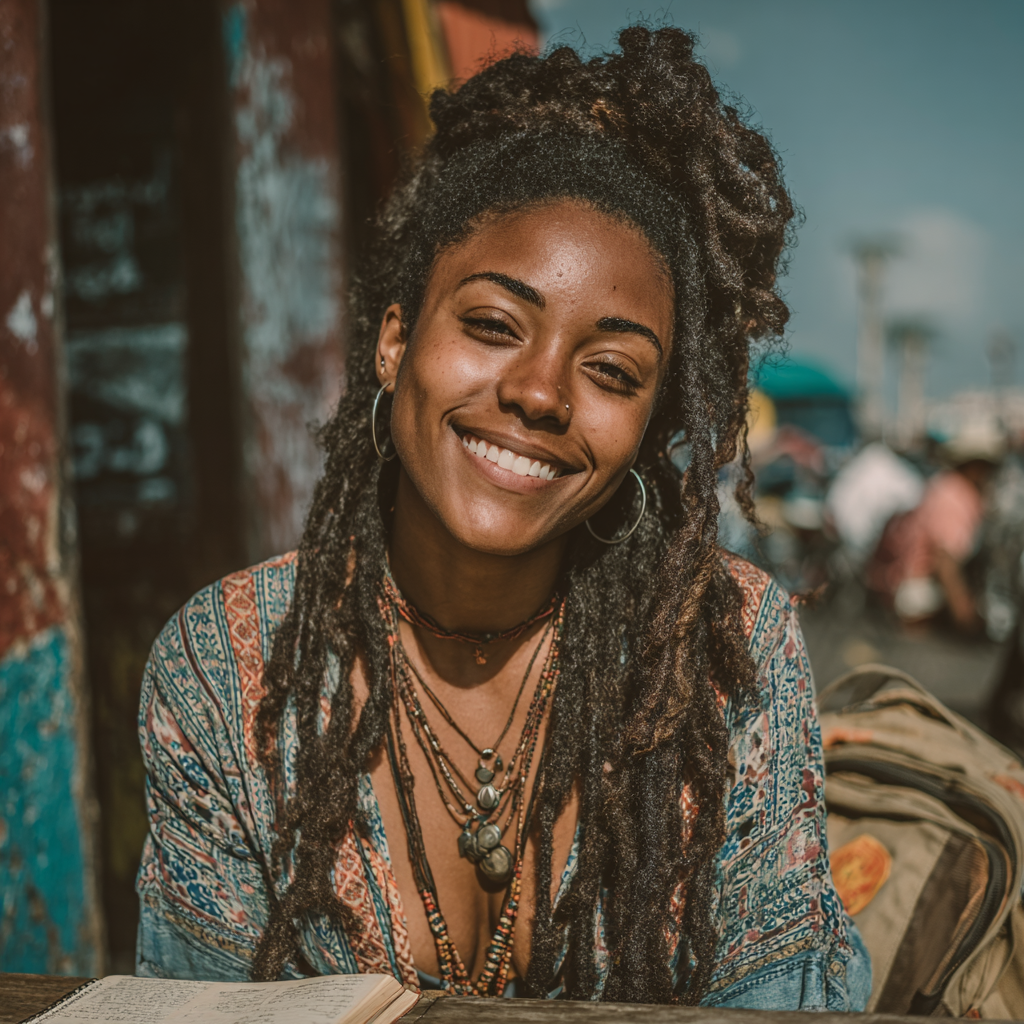
By Maya Johnson
Solo travel evangelist and digital nomad veteran. Maya has spent six years traveling alone across 50+ countries on a freelance writer budget. She writes honest, practical guides for women who want to explore the world independently and safely.