
Siem Reap: Beyond the Sunrise Crowds — Temples, Jungle Ruins, and the Cambodia Nobody Tells You About
Author: Elena Vasquez
Category: Culture & History
Country: Cambodia
Word Count: 3,420
Slug: siem-reap-cambodia-culture-history-guide
Cultural Anthropologist & PhD in Ethnography
Most visitors fly into Siem Reap, check into a hotel with a pool, hire a tuk-tuk at 5 AM for sunrise at Angkor Wat, take the photo, and leave two days later thinking they've seen Cambodia. They haven't. They've seen one temple, a reconstructed facade maintained by an international team, surrounded by hundreds of tour buses.
Angkor Wat is extraordinary. It's also crowded, manicured, and only the beginning. The Angkor Archaeological Park covers 400 square kilometers and contains over 1,000 temples. Some have been restored. Others have been left to the jungle, stones scattered like dice, tree roots crushing doorways. The difference between the two experiences is the difference between visiting a museum and discovering a lost city.
This guide focuses on how to see Angkor properly — the logistics, the lesser temples worth your time, and the Siem Reap that exists beyond the ticket counters. Written by someone who has spent months in the field, not days on a tour bus.
The Temple Pass: What You Actually Need
The Angkor Archaeological Park requires a pass. There are three options:
- 1-Day Pass: $37 — valid for one calendar day. Only choose this if you have exactly one day and no flexibility.
- 3-Day Pass: $62 — valid for any three days within a ten-day window. This is the sweet spot.
- 7-Day Pass: $72 — valid for any seven days within a thirty-day window. Best for photographers, researchers, or anyone staying more than a week.
The three-day pass doesn't need to be used on consecutive days. You have ten days to use your three entries. This matters. It means you can see sunrise at Angkor Wat one morning, spend the next day exploring town or visiting the floating villages, then return to the temples fresh. The seven-day pass gives you even more breathing room — spread across a month, it costs only $10 more than the three-day pass.
Passes are purchased at the official Angkor Enterprise ticket center on Road 60, 4 kilometers from town. The office opens at 5:00 AM and closes at 5:30 PM. Bring your passport — a photo is printed directly on your pass, making it non-transferable. You can also buy online at angkorenterprise.gov.kh to skip the queue, which is especially useful during peak season (November to February) when lines can stretch for thirty minutes or more.
Pro move: Go after 5:00 PM the day before your first temple day. The ticket is valid for sunset that evening, giving you a free bonus visit. Watch the light fade over the moat at Angkor Wat with zero pressure.
Children under 12 enter free with a passport. A small portion of every ticket ($2) goes to Kantha Bopha Children's Hospital, one of the best pediatric hospitals in Southeast Asia.
Angkor Wat: Go Late, Not Early
Everyone goes for sunrise. The reflecting pool in front of Angkor Wat fills with hundreds of tripods by 5:30 AM. On cloudy mornings — common during the wet season — you get gray sky and silhouettes of other people's heads.
Better option: visit in the late afternoon. The lighting on the bas-reliefs is superior, the east-facing galleries glow at golden hour, and the crowds thin after 3 PM. The bas-relief galleries on the west and south walls depict the Churning of the Sea of Milk, the Battle of Kurukshetra, and scenes from the Ramayana and Mahabharata. These stone carvings run for hundreds of meters and reward slow walking. Bring binoculars or a zoom lens — the detail is extraordinary, down to individual fingernails and fish scales.
The central tower climb requires a timed ticket system now. You queue at the base, get a number, and wait. The stairs are steep, originally designed to be ascended on hands and knees as an act of devotion. Modern visitors sometimes panic halfway up. The view from the top is forest canopy in every direction, flat green broken only by temple towers. The climb is free but slots are limited — arrive before 10 AM to secure a morning ticket, or ask your guide to queue for you while you explore the galleries.
Temples are open from 5:00 AM to 5:30 PM daily, with last entry at 5:00 PM. There is no re-entry fee within the same day.
Bayon: The Faces That Watch
The Bayon sits at the center of Angkor Thom, the walled city built by Jayavarman VII in the late 12th century. Jayavarman was a Mahayana Buddhist, unusual in a Hindu-Buddhist transitional period, and he built a temple with 216 massive stone faces carved into its towers. Scholars debate whether they represent the bodhisattva Avalokiteshvara or the king himself watching over his empire.
The faces are the draw, but the outer galleries contain equally remarkable bas-reliefs showing daily Khmer life — cockfights, childbirth, market scenes, Chinese merchants, Cham warriors being defeated. These aren't religious scenes. They're a 12th-century documentary carved in stone, and they give you a clearer picture of ancient Khmer society than any textbook.
Bayon gets crowded by 9 AM. Arrive at 7:30 AM when the gates open. The east entrance faces the sunrise, lighting the faces gradually. Walk the outer gallery counterclockwise to follow the narrative sequence. Budget at least ninety minutes here — rushing through the galleries is like fast-forwarding a documentary.
Ta Prohm: The Jungle Temple
Ta Prohm was a Buddhist monastery and university built in 1186. When French archaeologists rediscovered it in the early 20th century, they decided to leave it largely as found — strangled by silk-cotton and strangler fig trees, roots pouring over walls like frozen lava. It's the most photographed temple after Angkor Wat, famous from the Tomb Raider film.
The crowds here are relentless. Tour groups arrive by 8 AM and clog the narrow passages. Come at opening (7:30 AM) or late afternoon (after 4 PM). The lighting inside the collapsed courtyards is dramatic either way, and the late-afternoon light turns the stone walls gold.
The main celebrity tree — the one Angelina Jolie walked past — requires a queue for photos. Walk deeper into the temple. The back corridors have equally impressive tree-temple interactions without the crowd control. Look for the dinosaur carving on the east wall of the inner enclosure — likely a hoax or recent addition, but it draws attention and sparks debate among guides.
The Temples Most People Skip
Banteay Srei: Located 25 kilometers northeast of the main complex, this 10th-century Hindu temple is built from pink sandstone that holds finer detail than the gray stone used elsewhere. The carvings here are the most intricate in Angkor — lotus flowers, mythological scenes, decorative lintels that look like woodwork. The temple is small, almost miniature, but the craftsmanship is superior to the larger monuments. Budget half a day including travel time. The road passes through villages and rice paddies worth the trip alone. A tuk-tuk costs $30–40 round-trip including waiting time.
Beng Mealea: A collapsed temple 40 kilometers east of Siem Reap, left unrestored and overrun by jungle. Included in the Angkor pass (or $10 if visiting standalone). Wooden walkways have been installed to let visitors climb over the rubble. You scramble through doorways blocked by fallen stones, roots wrapping columns like pythons. It gives you the experience early French explorers had — discovering ruins swallowed by forest. Few tour groups make the trip. Combine with Banteay Srei for a full day. A private car with driver costs $50–60 for the combined trip.
Preah Khan: A massive temple complex built by Jayavarman VII on the site of a victorious battle against the Cham. It's a maze of corridors, courtyards, and shrines, half-collapsed, partially restored. The central sanctuary was once a Buddhist shrine later converted to Hindu use — you can see where Buddha images were chiseled away. Visit in late afternoon when the light comes through the trees in shafts. Bring a flashlight for the darker corridors.
Neak Pean: A small Buddhist temple on an artificial island in the Jayatataka Baray, a massive reservoir. A wooden walkway leads across the water. The temple represents Anavatapta, the mythical lake in the Himalayas whose waters cure illness. The setting is more impressive than the structure. Best at sunrise or sunset for reflections. Only twenty minutes is needed here, but it's a peaceful contrast to the grand monuments.
Ta Nei: A small temple deep in the forest, accessible only by a rough track. No tour buses. No restoration. Just stones and silence. You may have it to yourself. Hire a guide or driver who knows the route — not every tuk-tuk driver will attempt the dirt road, especially after rain.
Siem Reap Beyond the Temples
The town itself has transformed from a dusty village to a tourism hub with 5-star hotels and Pub Street. The contrast can be jarring, but beneath the surface, the real Siem Reap still exists — you just need to know where to look.
Wat Preah Prom Rath: A functioning Buddhist temple in the town center, active with monks and worshippers. Visit early morning (around 6:00 AM) to see alms-giving. The architecture mixes Thai and Khmer styles. No entrance fee, donations appreciated. Located on Pokambor Avenue near the river.
Psar Chas (Old Market): The central market sells everything from fresh fish to counterfeit sunglasses. The food section on the south side opens at dawn. Try nom banh chok — rice noodles with fish curry and fresh herbs — for breakfast from vendors who sell by gesture if you don't speak Khmer. Point, hold up fingers for quantity, pay in small bills. The market is located between Street 9, Street 11, 2 Thnou Street, and Pokambor Avenue. Best before 9 AM, when the heat builds and the freshest produce sells out.
Wat Damnak: A pagoda complex south of the river that houses the Center for Khmer Studies library. Quiet gardens, traditional architecture, and occasionally traditional dance performances in the evening. Located on Street 7 Makara in Wat Damnak Village. Check the schedule at your hotel or ask at the library desk — performances are irregular but free when they happen.
The Floating Villages: Three villages on the Tonle Sap lake — Chong Khneas, Kompong Phluk, and Kompong Khleang — offer boat tours. Chong Khneas is closest (15 minutes) and most touristed. Kompong Khleang is further (1.5 hours) but more authentic, with stilt houses rising 10 meters above the water during dry season. The lake swells by five times during the monsoon, submerging forests and flooding the plains. Tours run $15–25 depending on distance. Negotiate directly or book through a reputable operator. Avoid the orphanage visits — many are exploitative. The best time to visit is October to January, when water levels are high and the submerged forests are visible.
APOPO Visitor Center: Located at Trapeang Ses Village, Kouk Chauk Commune, on Koumai Road — roughly 10–15 minutes by tuk-tuk from downtown. Open daily from 8:30 AM to 5:00 PM, with the last tour at 4:30 PM. Admission is $10 for adults, free for children under 10. A small museum dedicated to landmine detection rats. Cambodia remains one of the most heavily mined countries in the world, with millions of unexploded ordnance from the Khmer Rouge era and Vietnamese occupation. APOPO trains African giant pouched rats to sniff out explosives. The center explains the problem and the solution. It's sobering but hopeful, and the live rat demonstrations are genuinely fascinating. Tours last about an hour. Book online at booking.apopo.org in peak season, though walk-ins are usually accepted.
Where to Eat: Beyond Pub Street
The night market near Pub Street is mostly tourist fare — overpriced pizza and watered-down cocktails. For real Cambodian food, you need to cross the river or get off the main drag.
Marum: #8A, B Phum Slokram, between Wat Polanka and the Catholic Church. Open daily 11:00 AM – 10:30 PM. A training restaurant for disadvantaged youth run by Friends International (Kaliyan Mith program). The menu mixes Cambodian and Western tapas — try the stir-fried red tree ants with beef or the crispy rice noodle salad. Dishes range from $3.75 to $12.50. The courtyard garden is beautiful at night. Reservations recommended for dinner.
Khmer Kitchen: Corner of 2 Thnou Street and Street 9, in the Old Market area. Open daily 9:00 AM – 11:00 PM. Generous portions of family-recipe Cambodian dishes — amok (fish steamed in coconut curry), beef lok lak, prahok dip. Main dishes $5–$8. Popular with locals and long-stay travelers.
Chanrey Tree: Pokambor Avenue. Open daily 11:00 AM – 2:30 PM, 6:00 PM – 10:30 PM. Upscale Khmer cuisine in a lush courtyard setting. Dishes around $9.50 each. Known for beautifully presented traditional dishes with modern touches. The prahok ktis (minced beef and river fish dip with vegetables) is a standout for the adventurous.
Cuisine Wat Damnak: Street 7 Makara, Wat Damnak Village. Open Friday–Saturday, 6:30 PM – 9:00 PM (last order). The first Cambodian restaurant on Asia's 50 Best Restaurants list. French chef Joannès Rivière has lived in Cambodia for nearly two decades and creates weekly tasting menus ($35–$50) based on market-fresh ingredients. The menu changes weekly. Reservations are essential — book at least two days ahead. This is not everyday dining, but if you want one special meal in Siem Reap, this is it.
Where to Stay: Neighborhood by Neighborhood
Pub Street / Old Market Area: The center of the action. Loud at night, convenient for restaurants and markets. Best for first-timers who want everything within walking distance. Hotels range from $15 hostels to $80 boutique properties. Noise is the trade-off.
Wat Bo Area: Across the river, east of the center. Quieter, more residential, with better-value guesthouses and local restaurants. A 10-minute walk or $2 tuk-tuk to Pub Street. Best for travelers staying a week or more who want to escape the tourist bubble.
Sala Kamreuk / Airport Road: South of town. Modern hotels, swimming pools, and a more resort-like feel. Further from the action — you'll need tuk-tuks for everything. Best for families or travelers who want a pool and don't mind the distance.
Budget: $10–$20 per night for a clean guesthouse with fan and private bathroom. $25–$40 gets you air conditioning, a pool, and a better location.
Practicalities: Getting There, Getting Around, and Staying Sane
Getting to Siem Reap: Siem Reap International Airport (SAI) is 8 kilometers from town. A taxi costs $10–$15, a tuk-tuk $5–$7. From Phnom Penh, buses take 5–6 hours ($10–$15) or flights take 45 minutes ($60–$100). The road is paved and mostly smooth, though traffic in Phnom Penh can add an hour to the departure.
Getting Around: Tuk-tuks are the standard transport. Negotiate a daily rate — roughly $15–20 for the small circuit (Angkor Wat, Bayon, Ta Prohm), $20–25 for the big circuit (additional outer temples), $30–40 for Banteay Srei and Beng Mealea. Drivers wait at each temple. Bring water and a scarf for dust. Most drivers speak basic English and will act as informal guides if you treat them well. Tip $5–$10 per day for good service.
Bicycles are an option for the fit — flat terrain, 7 kilometers from town to Angkor Wat. Electric bikes are available for rent at $8–$12 per day. Motorcycles without a Cambodian license are technically illegal for foreigners, though enforcement is inconsistent. Don't risk it — the traffic is chaotic and accident rates are high.
When to Go: November to February is cool and dry — peak season, crowded, expensive. March to May is hot, often above 40°C, but temples are emptier and hotel rates drop by 30–40%. June to October is the wet season. Afternoon downpours are heavy but brief. The moats fill, the jungle greens, and the soft light photographs beautifully. October is the sweet spot — still green, fewer tourists, occasional rain, and everything is cheaper.
What to Wear: Shoulders and knees must be covered for temple entry. Lightweight long pants and a light scarf for women. Comfortable walking shoes with grip — stone steps are worn smooth and slippery. A hat and sunscreen are essential. There is little shade at the temples, and the sun is unforgiving.
Money: US dollars are the primary currency. Small bills essential — many vendors won't have change for $20. Cambodian riel is used for small transactions under $1. ATMs dispense dollars. Credit cards accepted at hotels and upscale restaurants, not at street food stalls or tuk-tuk drivers. Bring a stack of $1 and $5 bills.
Etiquette: Don't touch carvings or climb on unrestored structures. Don't buy stone fragments from children selling souvenirs — they're often stolen from temples. Dress modestly at active religious sites. A small donation at functioning pagodas is appropriate if you've been photographing. When photographing monks, ask permission first — a smile and a gesture toward your camera is usually enough.
Health: Drink only bottled or filtered water. Street food is generally safe if it's cooked fresh in front of you. Malaria is not a risk in Siem Reap itself, but dengue fever is present — use mosquito repellent, especially at dawn and dusk. The nearest good hospital is Royal Angkor International Hospital on National Road 6, but for serious issues, many expats fly to Bangkok or Phnom Penh.
The Hard History
You cannot understand Cambodia without confronting the Khmer Rouge. Between 1975 and 1979, the regime led by Pol Pot murdered approximately 1.7 million Cambodians — roughly a quarter of the population — through execution, starvation, and forced labor.
The Tuol Sleng Genocide Museum and Choeung Ek Killing Fields are in Phnom Penh, not Siem Reap. But the trauma permeates everything. Your tuk-tuk driver may be missing family members. The monk blessing you may have been an orphaned child. The pace of Cambodian life — slow, smiling, seemingly unfazed — is partly cultural and partly survival.
Visit responsibly. Listen if Cambodians want to talk. Don't force the conversation. The temples are ancient history. The genocide is living memory. If you want to learn more while in Siem Reap, the small genocide memorial at Wat Thmey (2 kilometers north of town) is a quiet, respectful place to begin.
What to Skip
Chong Khneas Floating Village: The closest floating village to town and the most touristed. The boat operators are aggressive, the "village tour" is a thinly veiled sales pitch for overpriced snacks and souvenirs, and the water is polluted. Go to Kompong Phluk or Kompong Khleang instead.
Pub Street After 10 PM: If you're over 25, you'll find it as charming as a college town on spring break. Loud, expensive, and generic. The better bars and restaurants are on the side streets and across the river.
The "Dinosaur" Carving at Ta Prohm: It's a fun photo, but it's almost certainly a hoax or recent addition. Don't base your itinerary around it.
Orphanage Tours: Many "orphanages" in Cambodia are exploitative. Children are kept in poor conditions to elicit donations from tourists, and some are not even orphans — they're from poor families who were convinced to give them up. Do not visit, do not donate, do not take photos. Support reputable NGOs like Friends International or Kantha Bopha instead.
Buying Temple Stones from Children: You will see kids selling small carved stones near temple entrances. These are often stolen from the ruins. Buying them encourages theft and damages the archaeological record. Say no.
Bottom Line
Siem Reap is not a checklist destination. The temples reward repeated visits, slow walking, and curiosity about what lies beyond the main paths. Give yourself time. Hire the same tuk-tuk driver for multiple days — they'll learn what you like and suggest spots you won't find in guides. Accept that you won't see everything. Angkor took centuries to build. You have days.
If you do only one thing beyond the big three temples, make it Banteay Srei. The carving detail justifies the drive. For atmosphere over architecture, go to Beng Mealea and walk alone through the ruins. But schedule it for your second or third day, when you've earned the contrast.
And remember: the best thing you can bring to Cambodia is patience. The second best thing is curiosity. Everything else — the temples, the food, the people — will take care of itself.
Don't worry. Even if the world forgets, I'll remember for you.
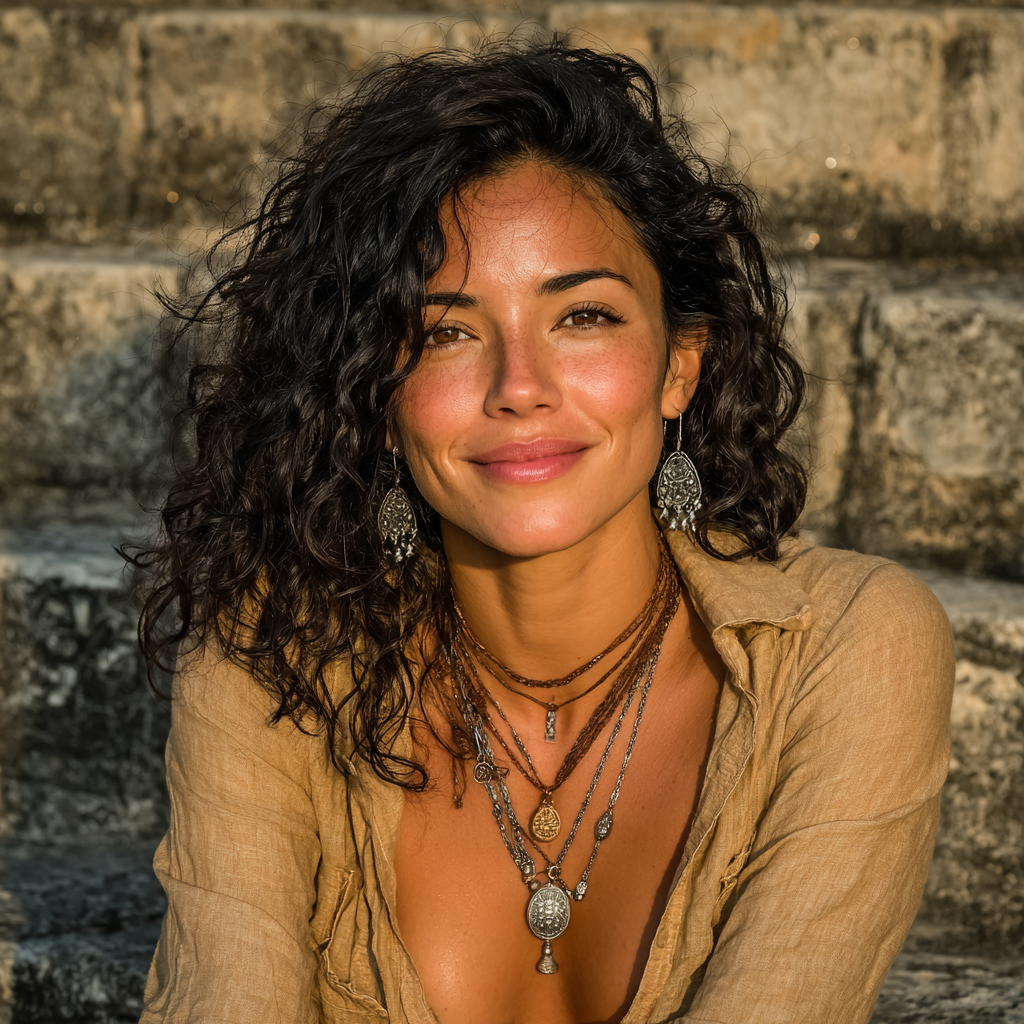
By Elena Vasquez
Cultural anthropologist and culinary storyteller. Elena spent a decade documenting traditional cooking methods across Latin America and the Mediterranean. She holds a PhD in Ethnography from Barcelona University and believes the best way to understand a place is through its kitchens and ancient streets.