
Plovdiv: Where 8,000 Years of History Still Lives in the Cobblestones
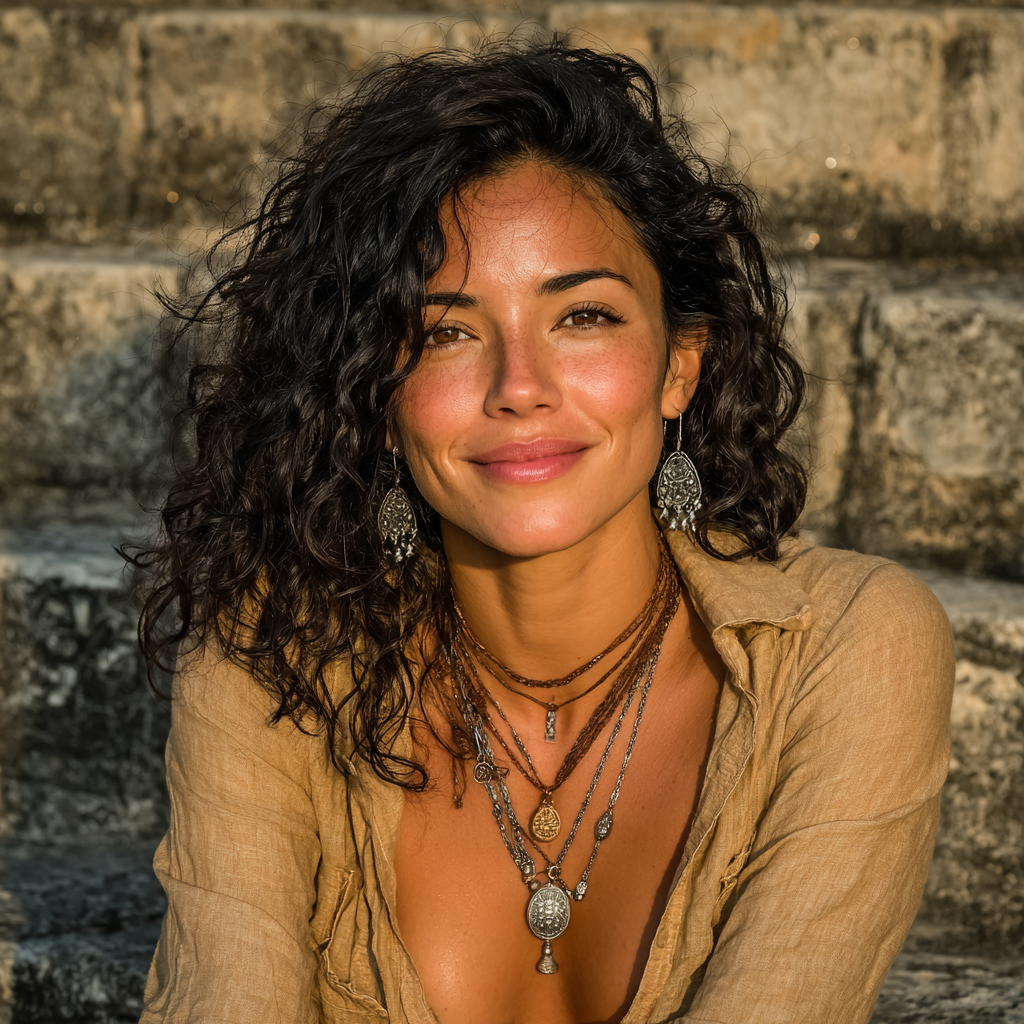
By Elena Vasquez. I write about cities that don't need to shout to be heard. Plovdiv whispered to me for three days, and I'm still trying to explain what it said.
Plovdiv doesn't announce itself. You arrive expecting another post-Soviet city with crumbling concrete and the usual stories of transition. Instead, you find a Roman theater cut into a hillside, streets paved with marble, and a creative district where abandoned houses have become galleries and craft breweries. The city has been continuously inhabited for 8,000 years—longer than Rome, longer than Athens—which means every layer of history is still visible if you know where to look. But Plovdiv's real magic isn't in the guidebook highlights. It's in the shopkeeper who remembers when Kapana was still a manufacturing district, the Roman mosaics they discovered by accident during a construction project, and the way the afternoon light hits the Revival houses just before the theaters open for evening performances.
This isn't a city you tick off a list. It's a city you walk slowly, twice.
The Roman Theater: Still Perfect After Two Millennia
The Roman Theater dominates the old town's eastern edge, and it is impossible to overstate how extraordinary this structure is. Built in the 1st century AD during the reign of Emperor Trajan, it seats 7,000 people and faces the Rhodope Mountains in the distance. The acoustics remain flawless—sit in the upper rows and whisper, and someone on stage can hear you clearly. Engineers still debate exactly how the Romans achieved this level of precision without modern measurement tools.
The theater was buried under earth and forgotten for centuries until a landslide in 1972 exposed it again. Archaeologists spent nearly a decade carefully excavating the site, and what emerged was remarkably intact: the stage building, the orchestra, the cavea seating, even the underground corridors where actors once waited for their cues.
Theater of Ancient Philippopolis
- Address: Tsar Ivaylo Street, Old Town
- Entry: 7 lev (≈$4 USD)
- Hours: 9:00 AM – 5:30 PM daily (until 7:00 PM in summer)
- Best time: Arrive at opening (9:00 AM) for solitude; late afternoon for golden light on the stone
Now it hosts opera, rock concerts, and the occasional political rally. During the Plovdiv 2019 European Capital of Culture program, the theater staged performances that drew audiences from across Europe. The views over the modern city are worth the price alone—on clear days you can see the snow-capped peaks of the Rhodopes framing the valley below.
Don't just look at it. Climb to the top row. Sit. Listen. The Romans built this to last, and 2,000 years later, it still does exactly what they designed it to do.
The Old Town: Merchant Houses and Hidden Courtyards
The old town sits on three hills—Nebet, Taksim, and Dzhambaz. The houses here date from Bulgaria's National Revival period (1762–1878), when wealthy merchants built elaborate homes with painted facades, overhanging upper floors, and interior courtyards designed for both commerce and display.
The Ethnographic Museum (Kuyumdzhioğlu House) occupies what is arguably the finest surviving example of Revival architecture in Bulgaria. Built in 1847 by a wealthy trader, the house has a distinctive salmon-pink exterior and an interior courtyard where merchants once inspected goods before purchase. The carved wooden ceilings alone took master craftsmen three years to complete. The museum collection includes traditional costumes from every Bulgarian region, agricultural tools that reveal pre-industrial agricultural techniques, and domestic items that show rural Bulgarian life before mechanization.
- Address: Dr. Stoyan Chomakov Street 2
- Entry: 6 lev
- Hours: 9:00 AM – 5:00 PM, closed Monday
Next door, the Regional History Museum occupies another restored merchant house, this one with period furniture and exhibits on Plovdiv's Thracian, Roman, and Ottoman periods. The Thracian gold collection—replicas of the famous Panagyurishte treasure—shows the extraordinary metalworking skill of pre-Roman cultures in the region.
- Address: Dr. Stoyan Chomakov Street 4
- Entry: 5 lev
- Hours: 9:00 AM – 5:30 PM
But the most striking Revival house is the Hindliyan House on Artin Gidikov Street. Built in 1835 by a wealthy Armenian merchant, it features intricate wood carvings, painted ceilings, and a separate bathhouse with marble basins. The interior walls are covered with murals depicting Istanbul, Alexandria, and Venice—places the owner visited during his trading years. The house proves that Plovdiv's merchants were connected to global trade networks long before modern globalization made the concept fashionable. Entry costs 5 lev. Most visitors skip it, which is a mistake you should not make.
- Address: Artin Gidikov Street 4
- Entry: 5 lev
- Hours: 9:00 AM – 5:00 PM
Walk the cobblestone streets between these houses slowly. Look up. The overhanging upper floors—called erkers—were designed to maximize space on narrow plots while creating shade for pedestrians below. Every carved column capital and painted ceiling medallion was a statement of wealth and cultural aspiration.
Roman Plovdiv: What's Beneath Your Feet
Plovdiv's Roman heritage isn't confined to the theater. The Roman Stadium runs beneath the main pedestrian street, Knyaz Alexander I. You can see sections of the exposed seating and track through glass panels set into the pavement. The stadium held 30,000 spectators for athletic competitions and gladiatorial games—larger than the city's current population. Walk the length of it—about 240 meters remain visible—and imagine the noise and crowds that once filled this space. The exposed sections are free to view.
Nearby, the Ancient Forum's remains are less visually dramatic but historically significant. This was the commercial and political heart of Roman Philippopolis, with administrative buildings, shops, and temples arranged around a central square.
The Small Basilica offers the most impressive Roman mosaics in the city. Discovered during construction work in 1988, the geometric patterns and Christian symbols from the 5th century are remarkably well-preserved. The site has a modern protective building and interpretation center.
- Address: Maria Luiza Boulevard 31
- Entry: 4 lev
- Hours: 9:00 AM – 5:30 PM
These layers—Thracian, Roman, Byzantine, Ottoman, Revival, Soviet, contemporary—aren't separated in museums. They're stacked on top of each other in the same streets. The church courtyard contains Roman wall fragments. The mosque sits on cathedral foundations. The modern coffee shop overlooks 2,000-year-old mosaics.
Kapana: The Creative District That Refused to Die
Kapana sits between the old town and the main shopping area. The name means "the trap" in Bulgarian, supposedly because the narrow streets once confused Ottoman tax collectors. Until the 1990s, this was a working-class neighborhood of artisans and small manufacturers—coppersmiths, tanners, textile workers. Most factories closed after the fall of communism, and the buildings sat empty for years.
Starting around 2010, artists and small businesses began moving in. Now Kapana has over 50 bars, restaurants, galleries, and design shops. The street art is commissioned and legal, covering entire building facades with murals that change annually. The transformation was grassroots, not planned—artists squatted in abandoned buildings, fixed them up, and created the conditions for what followed.
Pavaj is where you start. A craft beer bar on Zlatarska Street that rotates 12 taps of Bulgarian and regional brews. A pint costs 6-8 lev. The bartenders know their product and will explain the difference between the hop-forward IPAs from Sofia's Ale House and the traditional wheat beers from Plovdiv's own Hali Beratana brewery.
- Address: Zlatarska Street 18
- Hours: 11:00 AM – 12:00 AM (later on weekends)
For coffee, Dve Vurhi on Abadzhijska Street roasts beans on-site and serves flat whites that rival anything in London or Berlin. The space doubles as a gallery with rotating exhibitions by local artists.
- Address: Abadzhijska Street 2
- Hours: 8:00 AM – 8:00 PM
Dinner in Kapana means real options. Peshtera specializes in modern Bulgarian cuisine—think wild mushroom ragout with trahana (fermented grain), or pork cheeks slow-cooked with quince. Main courses run 18-25 lev. The chef sources ingredients from the Rhodope Mountains and the Thracian Valley.
- Address: Zlatarska Street 22
- Hours: 12:00 PM – 11:00 PM, closed Sunday
- Reservations recommended for dinner
For something simpler, Smokini serves excellent wood-fired pizzas and salads in a garden setting. A meal with wine costs about 35 lev per person. The restaurant occupies a former hardware store, and the original sign still hangs above the entrance.
- Address: Abadzhijska Street 12
- Hours: 11:00 AM – 11:00 PM
The neighborhood comes alive after dark, especially on weekends when locals crowd the outdoor seating. The bars stay open until 2:00 AM, and the narrow streets fill with people moving between venues. Unlike Sofia's more polished nightlife districts, Kapana feels organic and slightly chaotic—in a good way. It earned its name honestly, and still does.
Faith and Power: Mosques, Churches, and Soviet Giants
Plovdiv's religious architecture reflects its layered history without trying to resolve the contradictions.
The Dzhumaya Mosque sits at the edge of the main square, built in the 14th century on the site of a Christian cathedral. The mosque is still active, and visitors are welcome outside prayer times if dressed modestly. The interior has original Ottoman-era frescoes and calligraphy that survived centuries of use and renovation.
- Address: Dzhumaya Square
- Entry: Free (donations appreciated)
- Visiting hours: Outside prayer times, approximately 10:00 AM – 5:00 PM
Nearby, the Church of St. Constantine and Helena dates from 1832 and features an iconostasis carved by masters from the Debar school—among the finest woodcarvers in the Balkans. The church sits atop ruins of an earlier basilica, and you can see fragments of Roman walls in the courtyard.
- Address: Mitropolit Panaret Street
- Entry: Free (donations appreciated)
- Hours: 8:00 AM – 6:00 PM
The Alyosha Monument on Bunarjik Hill dominates the city's skyline. The 11-meter concrete statue of a Soviet soldier was erected in 1957 and remains one of the best-preserved examples of socialist realism in Bulgaria. The hike up takes 20 minutes from the city center, and the views from the base encompass the entire old town, the Maritsa River, and the surrounding mountains.
The monument is controversial—some want it removed as a symbol of occupation, others see it as part of the city's history. For now, it stands, and the viewpoint is worth the climb regardless of your politics. Go at sunset when the old town's terracotta roofs glow orange against the mountain backdrop.
The Archaeological Museum: Bulgaria's Ancient Soul
The Regional Archaeological Museum on Saedinenie Street holds the city's most significant ancient finds. The gold treasure from the Panagyurishte necropolis—nine ornate vessels from the 4th century BC—normally lives in Sofia's National History Museum, but replicas are displayed here along with Thracian weapons, Roman surgical tools, and medieval jewelry.
The Thracian collection is particularly impressive. These pre-Roman inhabitants of the Balkans left no written records, but their goldwork—exquisitely detailed vessels, masks, and jewelry—reveals a sophisticated culture with trade connections across the ancient world. The Roman surgical tools, meanwhile, show medical knowledge that wouldn't be matched for another thousand years.
The building itself is a 19th-century schoolhouse with a grand central staircase, which adds to the atmosphere.
- Address: Saedinenie Street 1
- Entry: 8 lev
- Hours: 9:00 AM – 5:00 PM, closed Monday
Plan 90 minutes here minimum. The collection deserves slow looking, not rushing.
What to Skip
The modern shopping mall at the base of the old town. It's generic, international, and tells you nothing about Plovdiv. If you need sunscreen or a SIM card, fine. But don't confuse it with the city.
The tourist restaurants on the main pedestrian street. The ones with translated menus in six languages and waiters beckoning from the door. The food is overpriced and underwhelming. Walk five minutes into Kapana and eat where locals actually go.
The "free" walking tours in peak summer (July-August). Plovdiv's old town cobblestones are brutal in 35°C heat, and the groups are too large to navigate narrow streets comfortably. Visit in spring or autumn, or book a private guide for 40-50 lev if you want the historical context without the crowd.
Rushing. The most common mistake visitors make is treating Plovdiv as a day trip between Sofia and the Black Sea. You can see the theater and walk Kapana in six hours, but you'll miss what makes the city special. The light changes. The shopkeepers open up. The second glass of wine tastes different from the first. Stay two nights minimum.
Practical Logistics
Getting There: Plovdiv is 150 kilometers southeast of Sofia. The train takes 2.5 hours and costs 8 lev, departing hourly from Sofia Central Station. The bus is faster at 2 hours and costs 12 lev, with departures every 30 minutes from Sofia's Central Bus Station. If you're coming from Istanbul, the overnight bus takes 6-7 hours and costs approximately 30-40 lev.
Getting Around: The city center is entirely walkable. The old town's cobblestone streets require comfortable shoes with good grip—those marble stones are slippery when wet. Taxis are cheap (3-5 lev for most central trips) but use only licensed companies like OK Supertrans or Eco Taxi. Avoid unmarked cars.
When to Go: Spring (April-May) and autumn (September-October) offer ideal weather—20-25°C, clear skies, and comfortable walking conditions. Summer temperatures regularly exceed 35°C (95°F), making midday exploration unpleasant. Winter is quiet and atmospheric, with occasional snow dusting the old town roofs, but some outdoor sites have reduced hours.
Money: Bulgaria uses the lev (BGN), pegged at 1.96 lev to the euro. Cash is still king in smaller establishments, though cards are accepted in most Kapana venues. ATMs are widely available. Tipping 10% is standard in restaurants.
Language: Younger Bulgarians in Kapana speak English well. Older residents may not. Learn "blagodarya" (thank you) and "zdravei" (hello)—it goes further than you'd expect.
Safety: Plovdiv is generally very safe. The usual precautions apply: watch your bag in crowded areas, avoid unlit streets late at night. Solo travelers, including women, report feeling comfortable walking alone after dark in the central areas.
Accommodation: In the old town, Guest House Old Plovdiv on Saborna Street has six rooms in a 1860 house with original painted ceilings. Double rooms cost 70-90 lev per night. The owner, a retired architect, will tell you more about the house's history than any guidebook.
- Address: Saborna Street 11
- Booking: Direct or via Booking.com
In Kapana, Hotel Ego offers modern rooms in a converted factory building, walking distance to both the old town and the railway station. Expect to pay 80-120 lev for a double.
- Address: Perushtitsa Street 24
Budget estimate (per day):
- Accommodation: 70-120 lev
- Food: 40-60 lev (mix of casual and mid-range)
- Attractions: 20-30 lev
- Transport: 10-20 lev
- Total: 140-230 lev ($75-$125 USD)
The Real Plovdiv
Most visitors spend a day in Plovdiv as a stop between Sofia and the Black Sea coast. This is insufficient. The city reveals itself slowly—through morning coffee in Kapana when the barista remembers your order from yesterday, through afternoon light on the Roman theater's stone seats when the tour groups have left, through evening conversations with shopkeepers who remember when the creative district was still a trap for unwary tax collectors.
Stay two nights minimum. Walk the same streets at different hours. Eat at the same place twice. The city has 8,000 years of practice at waiting for visitors to catch up. It won't hurry for you, and that's precisely the point.
Elena Vasquez is a travel writer based in Lisbon. She believes the best cities are the ones that make you work a little to understand them.
By Elena Vasquez
Cultural anthropologist and culinary storyteller. Elena spent a decade documenting traditional cooking methods across Latin America and the Mediterranean. She holds a PhD in Ethnography from Barcelona University and believes the best way to understand a place is through its kitchens and ancient streets.