
Botswana's Okavango Delta: The $2,500-a-Night Safari That Funds Africa's Largest Elephant Refuge
Most safari countries in Africa are cheap to visit and expensive to protect. Botswana flipped the model. In the 1990s, the government made a deliberate choice to restrict visitor numbers, ban large lodges, and price out mass tourism. A night in the Okavango Delta now costs more than a suite at a Parisian palace. That is not an accident. It is the entire point.
The Okavango Delta sits in northern Botswana, a fan-shaped wetland where the Okavango River dies in the Kalahari Desert instead of reaching any ocean. Water arrives from Angola between March and June, swelling channels and lagoons that peak between June and August. By October the flood recedes. The delta covers up to 22,000 square kilometers at maximum flood, though only about 6,000 remain permanently wet. Remove the flood, and the wildlife collapses.
I have tracked predators across three continents, but nothing prepared me for the silence of a mokoro gliding through papyrus at dawn. The delta does not perform on demand. It reveals what it wants, when it wants. Your job is to be there when it happens.
The Conservation Model: Why Botswana Costs What It Costs
Botswana operates what conservation economists call a "high-value, low-volume" tourism strategy. The country capped bed numbers in wildlife concessions, banned permanent structures in many protected areas, and required that communities hold equity in most tourism ventures. The result is that a luxury camp in the delta might have six rooms on a concession the size of a small country. Compare that to the Serengeti, where you can see thirty vehicles queued around a single lion pride. In Botswana, you might drive for two hours and see no other human footprint.
This exclusivity has a cost. Luxury camps charge $1,848 to $5,043 per person per night during high season (June to October), with Mombo Camp — the benchmark property on Chief's Island — sitting at the top of that range. Mid-range mobile safaris run closer to $550 to $800 per person per night. The price includes everything: meals, game drives, mokoro excursions, guided walks, park fees, and light-aircraft transfers between camps. Roughly 40 percent of that revenue flows directly into anti-poaching units, community development funds, and habitat restoration.
The government banned commercial hunting in 2014. Trophy hunters objected. Conservationists celebrated. Botswana now has the largest elephant population on the continent, estimated at around 130,000 animals. They move freely across the unfenced border with Namibia, Zimbabwe, and Zambia, and the delta serves as a critical dry-season refuge when water disappears elsewhere.
Park fees are straightforward but significant: BWP 500 (approximately $37) per person per day for international visitors entering Moremi or Chobe, plus BWP 138 per vehicle. Most camps bundle these into their nightly rates, but self-drivers should budget for them at the gate.
What You Actually Do There
The Okavango Delta offers four distinct safari activities, and the mix depends on which camp you choose and what time of year you visit.
Mokoro excursions are the signature experience. These are traditional dugout canoes, now usually made from fiberglass to reduce pressure on indigenous trees, poled through shallow channels by a guide who stands at the stern. You sit six inches above the water and glide past pods of hippos, crocodiles sunning on sandbanks, and herds of red lechwe, an antelope adapted to marshland that exists almost nowhere else in Africa. A mokoro trip lasts two to three hours and operates in the early morning (roughly 6:00 AM to 9:00 AM) or late afternoon (4:00 PM to 7:00 PM). It is silent. That is the point. You hear fish eagles calling and the splash of a buffalo entering a channel. You do not hear engines.
Game drives happen in open-sided 4x4s, usually at dawn (5:30 AM to 9:00 AM) and dusk (3:30 PM to 7:00 PM). The wildlife is dense. The delta supports all of the Big Five, though rhino populations are limited and concentrated in specific conservation areas. The real stars are the predators. Wild dog packs roam the Linyanti and Savuti regions. Lion prides in the Duba Plains are famous for hunting buffalo in water, a behavior rarely seen elsewhere. Leopards are common, particularly around the Moremi Game Reserve.
Walking safaris require a licensed armed guide and are restricted to specific concessions. You do not approach large game on foot. The focus is on tracks, dung, insect ecology, and the smaller species most tourists ignore: terrapins, frogs, ant lions, and the 400-plus bird species that fill the delta during the summer months. Walks typically depart around 6:30 AM and last two to three hours.
Boat safaris operate in deeper channels and lagoons where mokoros cannot go. They are essential during high flood and less available as water recedes. The best camps offer a mix of water and land activities, but no single camp does everything well. That is why most itineraries combine two or three camps in different zones.
Where to Go: The Four Zones
The Okavango Delta is not one place. It is a mosaic of permanent swamp, seasonal floodplains, dry islands, and woodland. Camps cluster into four main areas, and the choice matters.
Moremi Game Reserve
The Moremi Game Reserve occupies the eastern delta. It is the only protected area where the public can self-drive, though most visitors use camp guides. Moremi has the densest predator populations and the most reliable game viewing year-round. Chief's Island, in the center of the reserve, is the delta's richest wildlife zone.
Mombo Camp sits on the northwestern tip of Chief's Island. It is widely regarded as the finest game-viewing address in Africa. The camp has nine tented suites plus a family unit, all raised on stilts and linked by elevated walkways. Every suite has a private plunge pool, indoor and outdoor showers, and a wrap-around veranda. Little Mombo, the three-suite sister camp next door, shares the same concession but operates as a distinct property. Rates run from $2,889 per person per night in the green season (January to March) to $5,043 in peak season (June to October and the festive weeks). Book 12 to 18 months ahead for dry-season dates.
Chief's Camp, on the western side of Chief's Island, offers a slightly more accessible entry point to the same wildlife-rich area, with luxury pavilions and strong big-cat viewing at roughly $1,900 per person per night.
Private Concessions: West and North of Moremi
The private concessions include Vumbura Plains, Jao, Abu, and Duba Plains. These are fly-in only, no self-driving.
Duba Plains is famous for lion-buffalo confrontations in shallow water. Co-owned by wildlife filmmakers Dereck and Beverly Joubert through Great Plains Conservation, the camp sits on a private concession where lions have adapted to hunting buffalo in the flood. Rates range from approximately $2,070 to $3,920 per person per night depending on season. It is a filmmaker's camp first, a tourist camp second.
Vumbura Plains offers both water and land activities across two camps on a private northern concession. Rates run around $2,200 per person per night. The design is bold and contemporary, a departure from traditional safari aesthetic.
Jao Camp sits in a permanent water zone and is strongest for mokoro and boat safaris. At roughly $2,400 per person per night, it is the water-focused flagship of the Wilderness portfolio.
Abu Camp, at approximately $3,200 per person per night, is famous for its elephant herd. The six-suite property on a private western concession offers intimate elephant interactions and vast privacy.
Linyanti-Kwando-Selinda Region
The Linyanti-Kwando-Selinda region lies northeast of the delta, along the Namibian border. It is drier, with riverine woodland and open plains. This is wild dog territory. The Savuti Channel, which flows erratically from the Linyanti River, dried up for nearly thirty years before flooding again in 2008.
DumaTau Camp, operated by Wilderness in the private Linyanti Reserve, offers game drives, seasonal boat cruises, and walks. Wildlife viewing peaks during the dry season between June and October.
Zarafa Camp, also co-owned by the Jouberts through Great Plains Conservation, sits beside the Zibadianja Lagoon in the Selinda Reserve. The four-suite property features copper baths, private plunge pools, and a Dhow Suite for exclusive-use bookings. Rates run from $2,070 to $3,920 per person per night. Zarafa is one of the best camps in Botswana for photographers; Canon 5D cameras are available for guest use, and the guides excel at positioning for shots.
Kings Pool, another Wilderness property, offers top-end luxury on the Linyanti River with a price tag to match.
Chobe National Park
Chobe National Park, east of the delta, is a separate ecosystem but usually combined in multi-camp itineraries. The Chobe Riverfront supports the highest elephant density in Africa. During dry season, herds of 500 or more gather at the river to drink. A river cruise at sunset is not optional. It is the single best way to see elephants at close range without being on foot.
The park gates open at 6:00 AM and close at 6:30 PM. Night drives are not permitted inside the national park itself, though some private concessions on the periphery offer them.
Central Kalahari Game Reserve
The Central Kalahari Game Reserve, south of the delta, is the opposite ecosystem: dry, flat, and sparse. It is home to the San Bushmen, some of the last remaining hunter-gatherer communities in southern Africa. Several camps offer cultural walks with San guides who explain tracking, plant uses, and fire-making. The reserve also hosts black-maned lions, cheetahs, and oryx adapted to desert conditions. It pairs well with a delta itinerary for contrast.
At Meno a Kwena Camp near Makgadikgadi Pans National Park, San guides demonstrate bow-hunting, braiding grasses into rope, setting traps, and using dried grasses to spark a fire. The San have lived in harmony with this land for tens of thousands of years without domesticating animals or planting crops. "The Bushmen are our heroes," Mpaphi Dikaelo, a guide at Meno a Kwena, told me. Their indigenous knowledge — how to find water in an ostrich egg, which plants heal infection, how to read tracks across sand — is now guiding conservation policy across Botswana.
When to Go
May to October is the dry season and the standard recommendation. Floodwaters peak between June and August. Wildlife concentrates around remaining water sources. Vegetation is thin. Visibility is excellent. This is also when prices peak and camps book out six to twelve months in advance.
April and November are shoulder months. Prices drop roughly 20 percent. Wildlife viewing remains strong in April as the last floodwater arrives. November is hot, often over 40°C, and the first rains may start. The delta empties of tourist vehicles. If you can handle the heat, the solitude is worth it.
December to March is the green season. Heavy rain falls in January and February. Some camps close entirely. Others discount up to 40 percent. The landscape turns emerald. Wildlife disperses into thick bush and becomes harder to spot. But this is calving season for impala and wildebeest, which draws predators. It is also the best time for birding, with migratory species arriving from Europe and Asia. Photographers who want green backdrops and dramatic skies choose this period. Everyone else should wait.
Practical Logistics
Getting There
Maun is the gateway. Most visitors fly into Maun from Johannesburg (1.5 hours), Cape Town (2.5 hours), or Gaborone. From Maun, light aircraft hop between dirt airstrips near each camp. These flights are included in most packages and are non-negotiable. There are no roads to most delta camps. Expect to pay $350 to $700 per person per leg for inter-camp transfers.
How Long to Stay
The minimum viable safari is three nights at a single camp. A proper itinerary is seven to ten nights across two or three camps, combining the delta with Chobe or the Kalahari. A 7-night luxury safari typically costs $8,000 to $18,000 per person depending on camp selection. Budget options exist but are limited. Self-drive camping in Moremi is possible with a 4x4.
Visas and Entry
Visas are straightforward. Most Western nationals receive a 90-day entry on arrival. Ensure your passport has at least six months validity and two blank pages.
Health
Botswana is malaria-prone in the north, particularly during wet season. Consult a travel clinic about prophylaxis at least six weeks before departure. The standard regimen is Malarone or doxycycline. Bring strong insect repellent with DEET.
What to Pack
Pack light, neutral clothing in layers — khaki, olive, brown. Bright colors and white disturb wildlife. The mornings are cold even in summer; temperatures can drop to 5°C before dawn in June and July. Bring a warm fleece, a wide-brimmed hat, binoculars, and a camera with a telephoto lens (minimum 200mm, ideally 400mm). Most camps offer same-day laundry service, so four or five changes of clothing are sufficient for a two-week trip.
Money
The Botswana pula (BWP) is the local currency, but US dollars are widely accepted at camps. Credit cards are accepted at most properties, though American Express and Diners Club are often not. Cash is useful for tips and small purchases in Maun. Budget $30 to $50 per person per day for tips to guides and camp staff.
Connectivity
Do not expect Wi-Fi in the bush. Most camps limit internet to the main area or suites only, and speeds are slow. There is no cellphone reception in most concessions. A satellite phone is available at each camp for emergencies. This is the point. You are paying for disconnection.
What to Skip
Day trips from Maun into the delta edge are marketed aggressively at the airport. They involve motorized boat rides to a small island, a brief walk, and a return. The experience is thin. The delta's value is in depth, not a three-hour snapshot. Skip it and commit to a proper camp.
Victoria Falls, 90 minutes by air from Kasane, is the standard add-on. It is spectacular. It is also crowded, commercial, and functionally a different country. If your goal is wilderness, adding Victoria Falls dilutes the experience. If you want to tick the waterfall box, do it at the start or end, not in the middle of your safari.
Photographic workshops led by non-professionals have proliferated at mid-range camps. A guide with a DSLR does not make him a photography instructor. If you want a photographic safari, book a camp like Zarafa that provides professional-grade equipment and guides trained in positioning.
Canned Bushmen experiences are the dark side of cultural tourism. Some operators in the Kalahari stage "traditional" dances and fire-making demonstrations with performers who do not actually live that way. The genuine San walks at Meno a Kwena or Jack's Camp are respectful and unscripted. If it feels like a show, it is a show. Walk away.
The Honest Truth
Botswana is not a destination for travelers who want a bargain. It is not for tourists who need constant entertainment, nightlife, or shopping. The delta offers one thing: the closest thing to untouched African wilderness that still exists on a commercial scale. The price is high because the alternative is worse. Cheap safaris in other countries have destroyed habitats, stressed wildlife, and reduced apex predators to roadside attractions.
Botswana chose differently. Whether that choice justifies the cost is up to you. But when you pay $2,500 for a night in a tent on stilts above a hippo channel, a significant portion of that money is buying the silence, the space, and the continued existence of the place itself.
Bring patience. The delta does not perform on demand. It reveals what it wants, when it wants. Your job is to be there when it happens.
Priya Sharma is a conservation biologist and sustainable tourism advocate. She holds an MSc in Biodiversity Conservation and has spent years tracking endangered species across the Indian subcontinent and southern Africa. She works with eco-lodges and wildlife sanctuaries to promote ethical travel practices, and she believes the best safaris are the ones that leave the wilderness better than they found it.
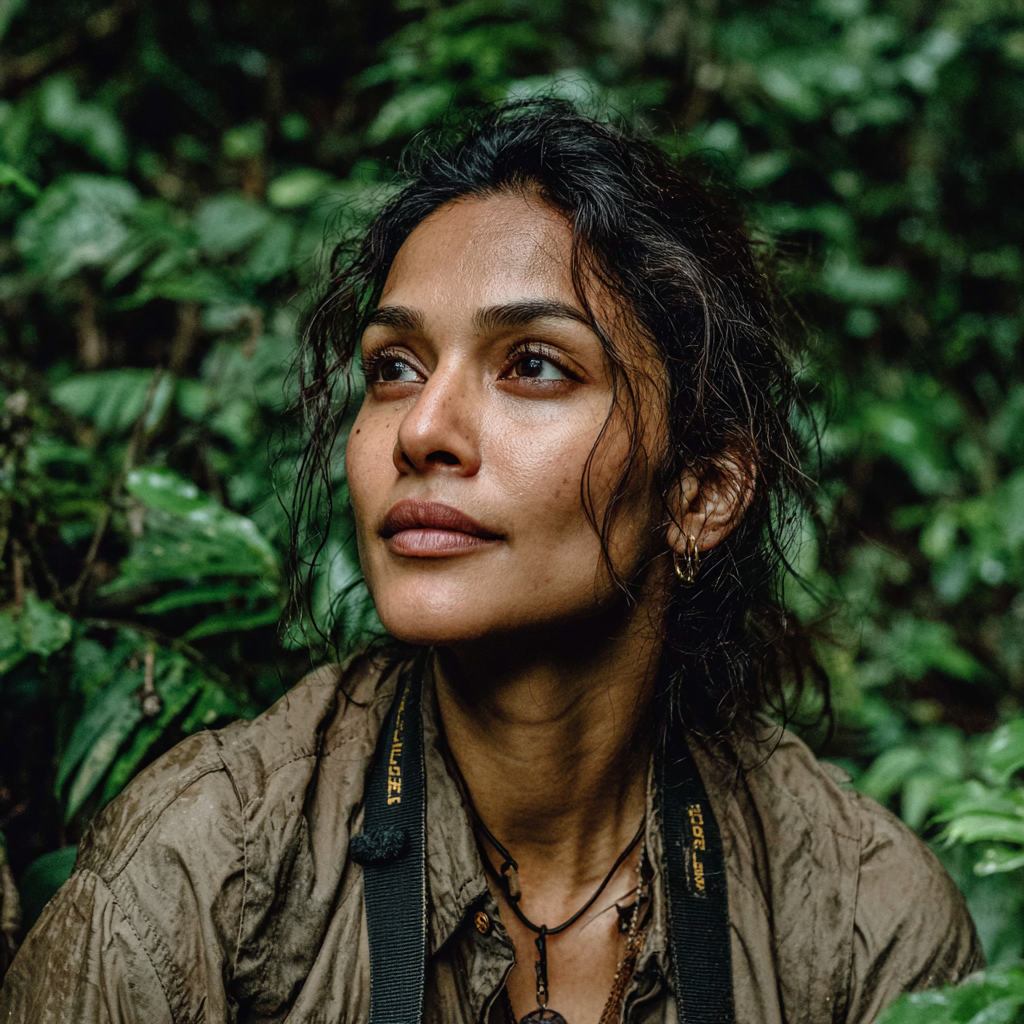
By Priya Sharma
Conservation biologist and sustainable tourism advocate. Priya works with eco-lodges and wildlife sanctuaries to promote ethical travel practices. She holds an MSc in Biodiversity Conservation and has spent years tracking endangered species across the Indian subcontinent.