
Sarajevo is the cheapest capital in Europe, and it has the scars to prove it. I first came here on a $30-a-day experiment and wrote the original version of this guide from an $8 dorm bed. In 2026 I came back to check the math. Some of it still holds. The ćevapi, I regret to report, has nearly doubled. But this remains the only city I know where $8 buys a full meal, $15 gets you a bed in a converted Ottoman house, and the free attractions include a 500-year-old bazaar and the exact spot where a 19-year-old assassin started World War I. This is not a glossy city. The bullet holes are still visible on the apartment blocks. The trams are from the 1980s. But the coffee is $1.50, the people are direct, and the mountains are twenty minutes from the center. If you are traveling cheap and you want a place that actually means something, Sarajevo is still the move.
Entry Formalities and Money
Bosnia is not in the EU and not in Schengen, which works in your favor twice. Citizens of the US, UK, Canada, Australia, New Zealand, Japan, and most of Latin America enter visa-free for 90 days in any six months, no application, no fee. EU citizens can enter on a national ID card alone. Time in Bosnia does not count against your Schengen 90/180 clock. And if your passport normally requires a visa, a valid multiple-entry Schengen, US, or EU visa or residence permit gets you 30 days visa-free. Bring a passport valid three months past your departure date. Hotels and registered hostels register you with the police automatically; if you stay with friends in a private apartment, someone is supposed to report it within 48 hours, though enforcement is loose.
The currency is the convertible mark, KM or BAM, pegged to the euro at 1.96, which makes the math embarrassingly easy: one euro is two marks, one US dollar is about 1.7 marks. Cash is still king in Baščaršija and at the tunnel museum, but cards now work in supermarkets, mid-range restaurants, and most guesthouses. ATMs are everywhere and charge 3 to 5 percent. The move is to land with euros and change them at the exchange offices along Ferhadija, which post honest rates. The airport exchange booth is the worst rate in the country.
Where to Sleep
Hostel Franz Ferdinand, at Obala Kulina bana 9, runs 20 to 28 KM for a dorm bed these days. The building survived the siege and the common room still has maps of the front lines drawn by staff who lived through it. Hostel Majdan, at Pecara 15, is 18 to 25 KM, with a courtyard where you can drink rakija with the owner, a former sniper who will tell you exactly which hills the shelling came from. For a private room, Guesthouse Halvat at Mula Mustafe Baseskije 54 runs 40 to 50 KM and has a terrace over the Miljacka. The bathrooms are shared and the WiFi cuts out, but you are sleeping in a house that predates the Austro-Hungarian Empire. Airbnb studios in the old town start around 35 KM a night, more during the film festival. Book the ones with thick walls. Winter is cold and heating is expensive.
Where to Eat
Ćevapi is the national dish: grilled minced meat in a flatbread called somun, with raw onions and kaymak, a clotted cream that tastes like butter died and went to heaven. The institution is Ćevabdžinica Željo at Kundurdžiluk 19 in the bazaar. A 10-piece portion is 14 KM ($8) after the April 2025 price hike; the half portion is 7 KM. Nothing else on this street doubled and stayed this busy. The place is a hole in the wall with four tables and no menu. Eat standing up if you have to. For burek, the spiral meat or cheese pie, go to Buregdžinica Bosna at Bravadžiluk 3, where a proper portion off the wood-fired tray runs about 5 KM. Across the river, Inat Kuća at Veliki Alifakovac 1 sits in a house that was moved stone by stone in 1895 to spite the Austro-Hungarians who wanted the site for the City Hall. The story is on the wall and the food is honest: begova čorba, dolma, klepe, bosanski lonac. Mains run 15 to 35 KM. Book the river terrace on weekends at +387 33 489 767. For breakfast, any pekara bakery does a burek and a yogurt for about 6 KM. Coffee at a kafana is 3 to 4 KM now, still Turkish style, thick and unfiltered. The waiter will not ask if you want milk. You do not. Break the sugar cube, drop half in the džezva, and sit for an hour while the old men argue about football. A comfortable daily food total is 25 to 40 KM ($14 to $23) if you eat local. Dinner at a place with tablecloths is 25 to 35 KM. The $10 food day is still possible. It just means ćevapi twice.
The Free City
The Baščaršija bazaar has been the commercial heart of Sarajevo since the 15th century and walking it costs nothing. Go at 7 AM before the tour groups arrive, when the coppersmiths on Kazandžiluk are actually hammering. The Sebilj fountain at the center is a wooden kiosk from 1891, and legend says whoever drinks from it returns to Sarajevo. The pigeons are aggressive. The Latin Bridge, 200 meters west, is where Gavrilo Princip shot Archduke Franz Ferdinand on June 28, 1914. The small museum in the corner building, the Museum of Sarajevo 1878–1918, charges 5 KM and is worth it for the context. The yellow Holiday Inn, visible from the bridge, housed the war correspondents, and the road past it is still Sniper Alley. Walk it. The buildings are pockmarked. The Sacred Heart Cathedral, the Old Orthodox Church, and the old synagogue are all within a ten-minute stroll of each other, which is why locals call this the four-faiths quarter; exteriors are free, and the cathedral is usually open. The Sarajevo Roses, mortar craters in the pavement filled with red resin, are scattered across the center. There are about 200 of them. Find at least five. Each marks where a shell killed someone. The Yellow Fortress, or Žuta tabija, is a steep 15-minute walk uphill from the old town. The sunset over the valley is free and better than anything you will pay for. Vrelo Bosne, the park at the source of the Bosna River, is a 3 KM entrance and a 30-minute ride on tram 3 toward Ilidža, then a flat three-kilometer walk or a horse-drawn carriage that costs extra. Skip the carriage. Walk. The Markale market is just a market now, but it is a good cheap place to buy fruit and watch the city do its shopping.
The Museums Worth Paying For
The Tunnel of Hope, Tunel spasa, is the most important site in the city. During the 1992–1995 siege it was an 800-meter passage dug under the airport runway, the only lifeline in and out. The museum at Tuneli 1 in Butmir charges 20 KM ($11.50) for adults, 8 KM for students, with a 3 KM audio guide that is worth it. Cash in marks only; they do not take cards. Hours are 08:30 to 17:00 April through October, last entry 16:30, and 09:00 to 16:00 November through March. You walk about 125 meters of tunnel now, the original 25 meters plus a restored section opened in 2022. The walls are damp. Bring a jacket. Budget two to three hours including the documentary and the warren of rooms under the house. Getting there is part of the story: tram 3 to Ilidža (2.20 KM), then bus 32 toward Butmir, or just split a taxi for 15 to 20 KM each way.
The National Museum of Bosnia and Herzegovina, at Zmaja od Bosne 3, charges 20 KM for foreign adults, 10 KM for citizens, 2 KM for students. The Sarajevo Haggadah, a 14th-century illuminated Jewish manuscript that survived the Inquisition, the Nazis, and the siege, is the reason to come. The Austro-Hungarian building is gorgeous and the botanical garden behind it is free. Budget travelers swear the weekday last hour before closing drops to 5 KM; ask at the desk, and check opening days online before you go because they have been shuffled over the years.
Vijećnica, the pseudo-Moorish City Hall on the river, costs 10 KM (5 KM students), open daily 10:00 to 18:00, closed January 1 and December 25. It was the National Library until August 25, 1992, when it was shelled and two million books burned. The restored atrium, three tiers of arches under a stained-glass ceiling, is the single most beautiful interior in Sarajevo. Have lunch at Inat Kuća across the water and look back at it.
The Gazi Husrev-beg Mosque, built in 1532, charges a few marks for non-Muslim visitors outside prayer times, with clothing provided if you need it. If you only pay for one museum beyond the tunnel, make it Galerija 11/07/95 on Trg fra Grge Matića, 20 KM and 90 minutes of photographs from Srebrenica. It is not an easy afternoon. That is the point.
Getting Around
The center is walkable. From the Latin Bridge to the Yellow Fortress is 25 minutes uphill. The tram network, among the oldest in continental Europe, runs on a single line through the center and out to Ilidža. A single ticket is 2.20 KM whether you buy it at a kiosk or from the driver, a day pass is 7.10 KM, and a 10-day card is 50 KM if you are staying a while. Validate immediately, because inspectors do check and the fine is around 50 KM. The tram cars are loud, hot, and from the 1980s. They are also honest. Taxis are cheap by European standards, metered at roughly 2.40 KM per kilometer, so a ride across the center is 10 to 14 KM. Use Crveni Taxi, Sarajevo Taxi, or the MojTaxi app rather than flagging random cars.
Getting There and Out
Sarajevo airport (SJJ) sits 9 km southwest of the center. The airport bus is 5 KM one way, 8 KM return, about 30 minutes to the old town. A taxi from the official rank runs 30 to 35 KM on the posted airport tariff. Ignore the touts inside arrivals. The main train station and the bus station sit next to each other at the western end of the center, reachable on trams 1 and 3. The train to Mostar is the best value in the Balkans: twice daily (07:15 and 16:46), about two hours through the Neretva canyon, 14.10 KM in second class, with 20 percent off a return. ŽFBH announced a fare rise for 2026, so budget up to 17 KM and confirm at the counter. Buy at the station, where the ticket office keeps roughly 06:00 to 17:00 hours, or book on zfbh.ba and collect before departure. Sit on the left going south for the river. The bus to Mostar is 34 KM, runs far more often, and takes about 40 minutes longer. In summer there is even a seasonal Friday-to-Sunday train continuing from Sarajevo to the Adriatic at Ploče.
When to Come
The 32nd Sarajevo Film Festival ran August 14–21, 2026, and for one week the whole city becomes a cinema, with open-air screenings at Metalac square selling cheap tickets to anyone. It is the best week of the year and the worst week for last-minute beds; book early. July is Baščaršija Nights, a month of mostly free concerts and sevdah evenings across the old town. Both months are hot and busy. Winter is the secret season: beds drop to their cheapest, snow turns the bazaar into a postcard, and the mountains above town fill with skiers who paid a fraction of Alpine prices. It is also cold enough that you will care about your hostel's heating bill. Spring and early autumn are the sweet spot for walking.
Honest Math
Dorm bed: 18 to 28 KM. Private room: 40 to 50 KM. Food: 25 to 40 KM a day eating local. Coffee: 3 to 4 KM. Tram: 2.20 KM. Tunnel museum: 20 KM. Cable car: 30 KM return. The $30 day survives, but only if you walk everywhere, skip the cable car, and eat ćevapi twice. A realistic shoestring day with one paid attraction is $40 to $45. A private room and a proper dinner runs $60 to $80. Bosnia uses the convertible mark, pegged at 1.96 to the euro, and cash still rules the old town. None of this is a hardship. It is the whole point.
What to Skip
The restaurants on the main pedestrian drag, Ferhadija, charge double for ćevapi that is half as good; walk five minutes into the bazaar. The guided Latin Bridge photo op is a waste of 20 minutes; the plaque tells the same story and the museum is 5 KM. The cable car at midday in July is packed and the bobsled track is an oven; go at opening or after 19:00, and remember the track itself is free if you are willing to hike up from Bistrik for 90 minutes. The souvenir shops in the bazaar sell mass-produced copper from Turkey; the real coppersmiths on Kazandžiluk are working artisans and their work is not cheap. The siege-tour touts in front of the Holiday Inn were mostly not there; the real tunnel museum is in Butmir and the tram ride out is part of understanding it. The Ilidža thermal spa is overpriced with Yugoslav-era facilities. The taxi touts inside the airport arrivals hall overcharge; use the official rank outside. And the biggest skip of all: treating Sarajevo as a one-day stopover on the way to Mostar. Give it three nights minimum, or do not give it anything.
The Hard Truth
Sarajevo is not pretty in the conventional sense. The suburbs are gray apartment blocks. The river is not clean enough to swim in. The winter is cold, the summer is hot, and the spring is short. But the city has something that Prague and Budapest lost twenty years ago. It is real. The people who survived the siege do not perform resilience for tourists. They just live. The ćevapi cook at Željo has been making the same dish for 40 years. The coffee house waiters do not smile on command. The tunnel museum guide will tell you how his brother died. This is a city where forty dollars a day buys you more than a bed and a meal. It buys you a conversation with someone who has seen history up close. That is still the best value in Europe.
About the Author
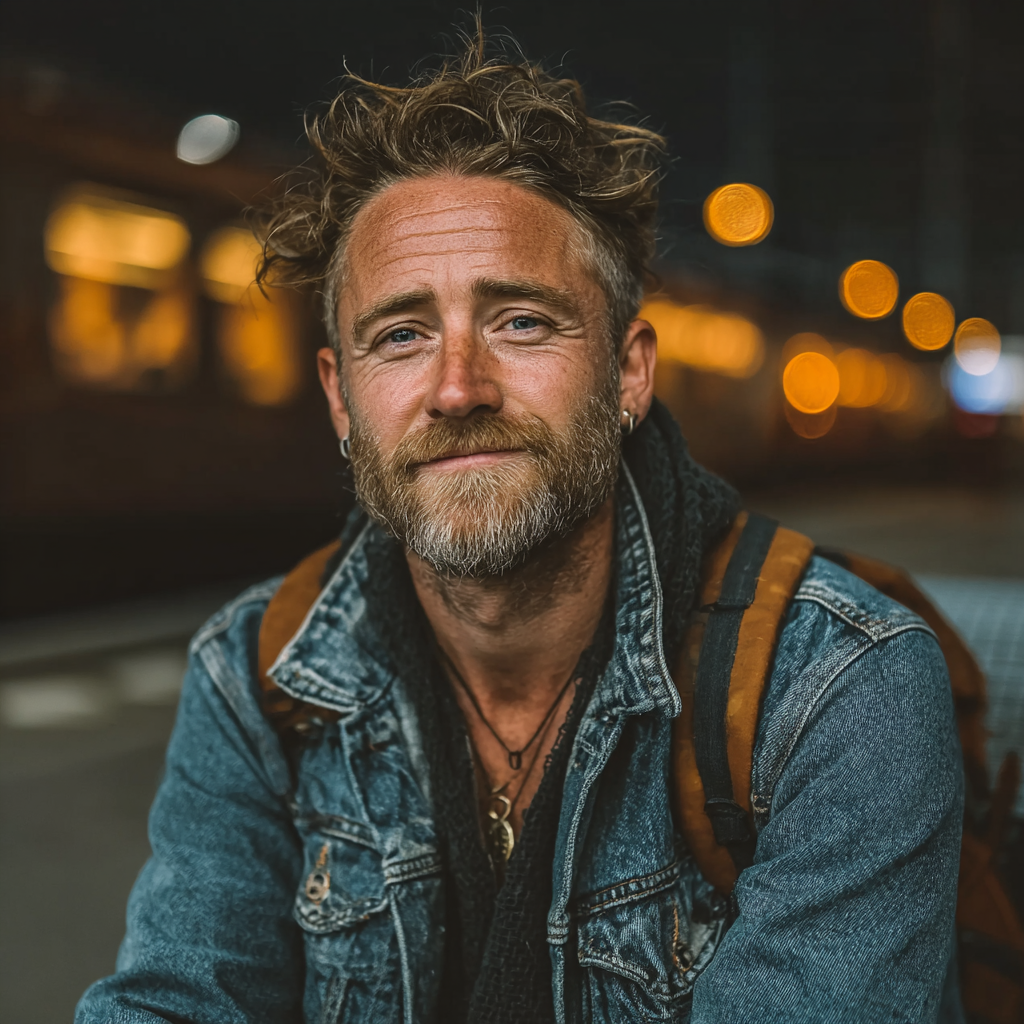
James Wright ran hostels in three countries before he decided that writing about them was cheaper. He has visited 70 countries, most of them on budgets that would make an accountant nervous. He believes that expensive does not mean better, and that the best travel stories come from the places with the least polish. He updated this guide in 2026 from a 22-mark dorm bed in Sarajevo, within earshot of the call to prayer and the tram bells.
By James Wright
Budget travel expert and former backpacker hostel owner. James has visited 70+ countries on shoestring budgets, mastering the art of authentic travel without breaking the bank. His mantra: "Expensive does not mean better—it just means different."