
Most countries treat sustainable tourism like a checkbox. They slap a green leaf on the brochure, install a few solar panels at the airport, and call it a day. Bhutan does not do this. In Bhutan, sustainable tourism is the entire operating system.
The kingdom has charged tourists a mandatory daily fee since 1974. In 2022, that fee became the Sustainable Development Fee — $200 per person per night for most visitors. This is not a hidden tax buried in your hotel bill. It is the headline number. You pay it before you arrive, and it is non-negotiable. The SDF funds free healthcare, education, and conservation programs for Bhutan's 700,000 citizens. It also keeps visitor numbers low. Bhutan caps tourism deliberately, and the result is a country where forests cover 72 percent of the land, where black-necked cranes winter in valleys without a single hotel blocking their flight path, and where the concept of "Gross National Happiness" is constitutional law rather than a marketing slogan.
This guide is for travelers who want to understand what that $200 actually buys, and how to spend your time in a country that refuses to let tourism run wild.
What the Fee Covers — and What It Does Not
The $200 SDF is separate from your actual travel costs. It does not include accommodation, meals, transport, or guides. Those you arrange separately. What the SDF does is fund the infrastructure that makes Bhutan's low-impact model possible: forest rangers, waste management in remote districts, wildlife corridors, and the policy framework that keeps mass tourism out.
Most travelers arrange their trip through a licensed Bhutanese tour operator. This is required for all tourists except citizens of India, Bangladesh, and the Maldives. The operator handles your visa, itinerary, and mandatory guide. A typical package runs $250 to $350 per person per day in addition to the SDF, covering a driver, guide, three-star accommodation, and meals. Luxury options like Six Senses Thimphu or COMO Uma Paro cost $800 to $1,500 per night, but you still pay the $200 SDF on top.
There is no backpacker workaround. You cannot enter independently, hitchhike between dzongs, or sleep in hostels. This is by design.
The Valleys That Matter
Paro is where every tourist lands. The airport sits at 2,200 meters, surrounded by rice paddies and the fort-like dzong that governs the district. Most travelers head straight for Taktsang Palphug Monastery — the Tiger's Nest — which clings to a cliff face 900 meters above the valley floor. The hike takes two to three hours one way, and the monastery opens at 8 AM. Go early. The trail gets crowded by 10 AM, and the altitude will slow you down regardless of your fitness.
Thimphu, the capital, is the world's only capital city without traffic lights. The main intersection has a policeman directing traffic by hand, which is both charming and genuinely functional. The weekend market runs Friday through Sunday on the banks of the Wang Chhu river. Vendors sell red rice, dried chilies, wild honey, and betel nut from bamboo baskets. It is one of the few places in Bhutan where you can interact with locals without a tour framework.
Punakha, three hours east of Thimphu via the Dochula Pass at 3,100 meters, was the capital until 1955. The dzong here is arguably the most beautiful in the country, sitting at the confluence of the Pho Chhu and Mo Chhu rivers. In spring, the jacaranda trees around it bloom purple. In late February or early March, monks perform rituals predicting the coming year's harvest.
Phobjikha Valley is where the Black-necked Crane Information Centre operates from November through March, when 300 to 400 cranes migrate from Tibet. The valley has no electric fencing, no large hotels, and a strict building code that keeps structures below the tree line. You can walk the Gangtey Nature Trail, a 4.5-kilometer path through dwarf bamboo and blue pine, in about two hours.
Bumthang, in central Bhutan, is where Buddhism first took root in the kingdom. The four valleys here hold some of the oldest temples in the Himalayas, including Jambay Lhakhang, built in the 7th century. Bumthang is also Bhutan's brewing district. Swiss-trained Bhutanese brew Red Panda beer at the Bumthang Brewery, and you can taste it at a handful of local restaurants.
When to Go
Spring, from March to May, brings rhododendron blooms at high altitude and clear skies before the monsoon. Autumn, from September to November, is drier and colder, with the best mountain visibility. Winter, from December to February, is cold. Temperatures in Thimphu drop below freezing. But you get the cranes in Phobjikha and smaller crowds everywhere. The monsoon, from June to August, is wet, leech-infested on trails, and generally miserable for trekking.
Trekking Without the Crowds
The Druk Path Trek connects Paro to Thimphu over four days, crossing ridges above 4,000 meters and passing alpine lakes where herders camp in summer. It is moderate in difficulty and requires a guide.
The Snowman Trek is a different animal entirely. At 25 days, it crosses 11 passes over 4,500 meters and is considered one of the hardest treks in the Himalayas. Fewer than 50 people complete it annually. If you are considering it, book six months ahead and train at altitude beforehand.
For something shorter, the Bumdra Trek above Paro climbs to a campsite at 3,800 meters with views of the Tiger's Nest from above. It takes two days and requires no technical skill, just tolerance for thin air.
Where to Stay
Six Senses has five lodges across Bhutan, each in a different valley. They are expensive, running $1,200 to $2,000 per night, but they fund local employment and source food from within the country. COMO Uma Paro is smaller and more design-focused, with a spa that uses local herb treatments.
For lower impact and lower cost, ask your operator about farmstays in the Bumthang or Lhuentse valleys. These are basic. Shared bathrooms, wood stoves, no WiFi. But the revenue goes directly to farming families. The Bhutanese government certifies these through a community-based tourism program.
What to Skip
Do not try to rush Bhutan in three days. The minimum itinerary most operators sell is five nights, and even that barely covers Paro and Thimphu. A week is the practical minimum.
Avoid the handicraft emporiums in Thimphu that sell "authentic" Bhutanese goods made in Nepal. Real thangka paintings and hand-woven textiles come from specific ateliers. Try the Gagyel Lhundrup Weaving Centre in Thimphu or the Yathra Weaving Centre in Bumthang.
Skip the Tiger's Nest if you are not fit enough for a steep, high-altitude hike. There is no shame in this. The view from the cafeteria at the halfway point is nearly as good, and nobody will judge you.
Do not photograph inside temples or dzongs without explicit permission. Monks and guards will stop you, and the rule exists for religious reasons, not aesthetic ones.
The Honest Bottom Line
Bhutan is not cheap, and it is not easy. The $200 daily fee rules out budget travelers. The mandatory guide system rules out spontaneous detours. The road system, mostly single-lane mountain highways with switchbacks and landslide risk, rules out fast travel.
What you get in return is a Himalayan country where the forests are still intact, where the rivers run clean, where the cranes still come every winter, and where tourism has not yet destroyed the thing people came to see. That is rare. That is worth the money.
If you are going, book through the Tourism Council of Bhutan's licensed operators. Verify your operator's license number on their website. Bring cash. Indian rupees are accepted everywhere, but credit cards work only in major hotels. And pack layers. The weather changes by altitude, not by season.
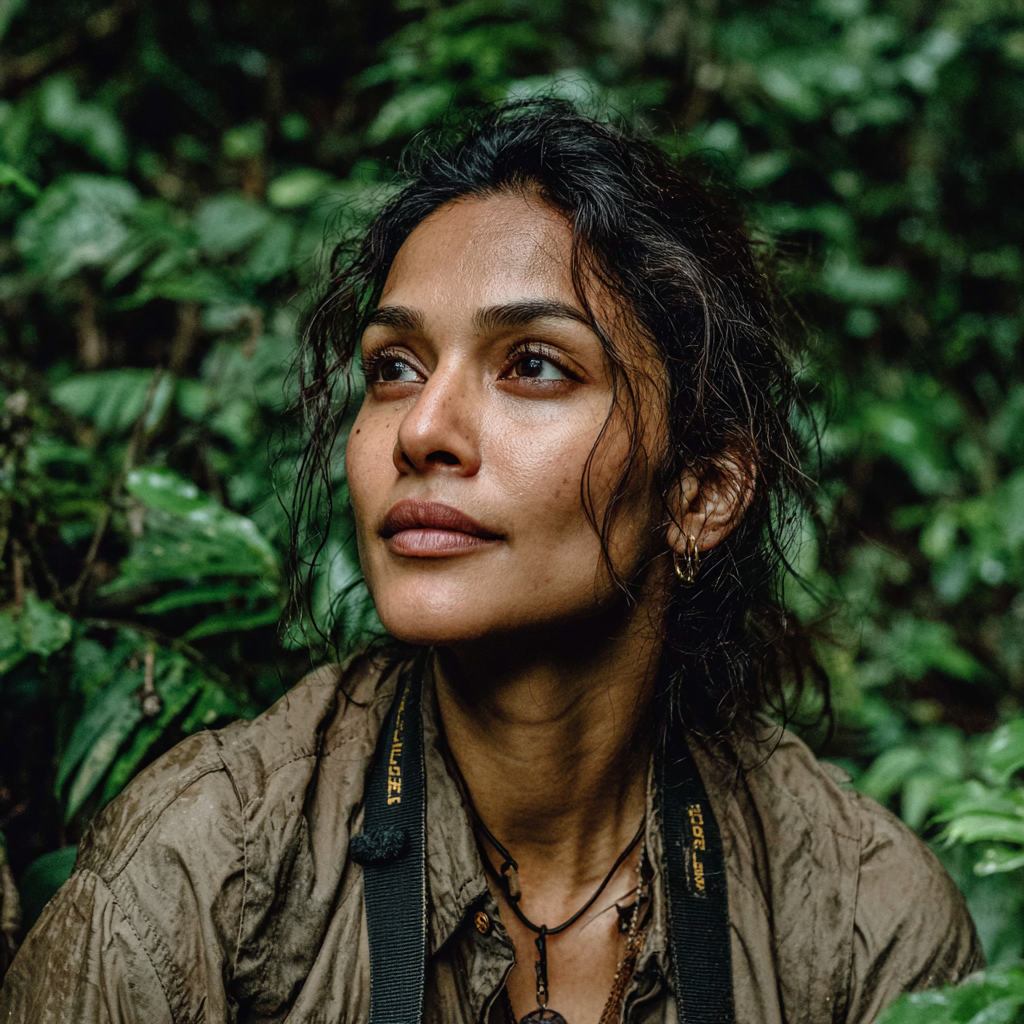
By Priya Sharma
Conservation biologist and sustainable tourism advocate. Priya works with eco-lodges and wildlife sanctuaries to promote ethical travel practices. She holds an MSc in Biodiversity Conservation and has spent years tracking endangered species across the Indian subcontinent.