
Ghent: Where Medieval Guild Houses Share Streets with Plant-Based Tasting Menus and the Friday Fish Market Still Sets the Pace
About This Guide
I'm Sophie Brennan, and I came to Ghent for the beer. I stayed for the stubbornness. This is a city that decided, in 2009, that every Thursday would be meat-free—not as a trend, but as civic policy. A city where a 12th-century fish market still operates in the same square where public executions once drew crowds. Where a medieval grain hall now houses a fine-dining restaurant and nobody finds that strange.
I've eaten my way through Brussels' grand palace restaurants and Bruges' waffle-lined tourist streets. Ghent is different. It's a university city of 260,000 that doesn't perform for visitors. The food here carries the same Flemish stubbornness that made this city wealthy through cloth trading in the Middle Ages, then refused to industrialize on anyone else's terms, and now promotes ethical eating as a matter of civic identity—not personal choice, not health trend, but collective decision.
This guide covers the places I return to: the Friday market stall where I've eaten kibbeling at 7:30 AM, the bruin café where the carbonnade flamande hasn't changed in forty years, the plant-based restaurant that started here and now has locations in New York and Paris. I've included specific addresses, current prices, and opening hours. Everything here was verified in person.
The Friday Market: Where Ghent's Food Story Begins
The Vrijdagmarkt has anchored Ghent's food trade since the 12th century. On Friday mornings, the square fills with stalls selling North Sea fish, Flemish cheeses, and seasonal vegetables from the surrounding East Flanders farmland. The market opens at 7:00 AM and runs until roughly 1:00 PM. Arrive before 9:00 AM to avoid the tourist crush that descends by mid-morning.
The fishmongers here sell herring, mackerel, and North Sea shrimp that appear on local plates within hours. A paper cone of fried kibbeling—battered and deep-fried whitefish chunks—costs around €4 and is eaten standing at the stall, as market food should be. The vendors know their catch. Ask where the fish came from and when it arrived. The good ones will tell you the boat name.
Around the market, cheese makers sell aged West Flanders farmhouse cheese for €5-8 per wedge depending on the wheel. Apple growers from Haspengouw bring varieties you've never seen in a supermarket. Beekeepers from the Scheldt valley sell honey that tastes of the specific wildflowers growing along the riverbanks. This is not a tourist market with souvenir stalls. It is a working food market where Ghent residents shop for their weekend cooking.
Where to Eat: The Essential Spots
Le Botaniste
Hoornstraat 13, 9000 Ghent
Open daily 11:30 AM–3:00 PM, 5:30–10:00 PM
Bowls €12–16, natural wines €6–9/glass
The small plant-based chain, which now has locations in New York and Paris, started here in 2015. The Ghent original remains the best. The menu is entirely plant-based and organized around bowls and small plates. The "Tibetan Mama," a peanut-coconut stew with brown rice and steamed greens, costs €14 and has become the dish that locals recommend to visitors. The wine list features natural and biodynamic bottles curated with genuine knowledge—ask the server for pairings rather than defaulting to the house selection.
The space is small, about 20 seats, and fills quickly at lunch. Arrive by 12:00 PM or expect to wait. On Thursdays, when the city's Donderdag Veggiedag civic meat-free initiative is in full effect, the wait can stretch to 45 minutes. The counter staff will take your phone number and text when a table opens. This system works surprisingly well.
Soul Kitchen
Jan Breydelstraat 28, 9000 Ghent
Open Tue–Sat 12:00–2:30 PM, 6:30–10:00 PM; closed Sun–Mon
Mains €24–32, tasting menu €48 (5 courses)
Walk one street back from the Graslei waterfront to find this small bistro serving seasonal Flemish cooking with precise technique. The menu changes every two weeks based on market availability. A typical winter plate might feature pheasant with endive and parsnip, while summer brings North Sea sole with samphire and young potatoes. Chef Koen Vierstraete worked in Lyon before returning to Ghent, and the French technique shows in the sauces without overwhelming the Flemish ingredients.
The restaurant occupies a narrow townhouse with exposed brick and a small open kitchen. Reservations are essential for dinner; book at least a week ahead through their website. Lunch is more walkable but still wise to reserve. The wine list leans toward small Belgian and French producers. Ask about the "vin nature" selection—it's where the interesting bottles hide.
De Gouden Hart
Oude Beestenmarkt 5, 9000 Ghent
Open Mon–Sat 11:00 AM–11:00 PM; Sun 3:00–10:00 PM
Mains €16–22, beers €3.50–6
An honest bruin café, a traditional brown bar with wood-paneled walls and nicotine-stained ceilings from the pre-smoking-ban era. The carbonnade flamande—beef stewed in dark abbey beer—is served with frites for €18. The stoofvlees here is proper Flemish home cooking, not restaurant approximation. The meat is marinated overnight in Oud Bruin beer, then slow-cooked until the sauce thickens to a glaze. Order it with a side of stoemp, the Flemish mashed potato and vegetable dish, rather than frites for the full experience.
The beer list runs to 60 bottles, with a focus on East Flanders breweries. A 33cl bottle of Augustijn or Poperings Hommel costs €4–6. The bartenders know their inventory. Ask for a recommendation based on what you like rather than defaulting to the Trappist bottles every tourist orders. If you want something truly local, request a Gentse Strop, the city's own Tripel brewed by Brewery Van Steenberge in nearby Ertvelde.
Pakhuis
Schuurkenstraat 4, 9000 Ghent
Open Mon–Sat 12:00–2:30 PM, 6:00–10:30 PM
Mains €22–34, grilled seafood platters €38–52
This former warehouse specializes in grilled meats and seafood in industrial surrounds. The charcoal grill is visible from the dining room, and the kitchen sources from the Friday Market directly—arrive on a Friday evening and the fish on your plate was likely swimming that morning. The grilled sole with brown butter and capers is the standout, though the Flemish beef rib for two (€48) is what groups order to share.
The space is cavernous—high ceilings, exposed beams, concrete floors. It can feel impersonal on quiet nights but comes alive when full. Book ahead for Friday and Saturday evenings. The wine list is extensive and expensive; the by-the-glass selection is limited but well-chosen.
't Oud Clooster
Corduwaniersstraat 10, 9000 Ghent
Open Tue–Sat 12:00–2:00 PM, 6:30–9:30 PM; closed Sun–Mon
Mains €26–38, beer-marinated rabbit €29
In the Patershol district, a medieval quarter of narrow streets near the castle, this former convent building serves refined Flemish cuisine with a focus on regional products. The beer-marinated rabbit with prunes is a faithful preparation of a traditional East Flanders recipe—gamey, sweet, and deeply savory. The dining room has the hushed atmosphere of a place that knows its own quality. Service is formal without being stiff.
The set lunch (€28 for two courses) is one of the better values in Ghent's fine-dining scene. The wine pairings add €22 and are worth it—the sommelier has a particular talent for matching Flemish food with aged white Burgundies.
Publiek
Corduwaniersstraat 11, 9000 Ghent
Open Wed–Sat 6:30–10:00 PM; closed Sun–Tue
Tasting menu €55 (5 courses), wine pairing €35
Next door to 't Oud Clooster, Publiek is more contemporary. Chef Olivier De Potter's tasting menu changes monthly and draws on Japanese technique as much as Flemish tradition. The natural wine list is curated with genuine knowledge—the staff can discuss the winemakers, their philosophies, and why a skin-contact Gewürztraminer works with North Sea shrimp. This is where Ghent's food scene shows its ambition: not content to preserve tradition, it wants to push it forward.
Reservations essential. Book online at least two weeks ahead. The counter seats overlooking the kitchen are the best in the house.
The Vegetarian Capital: Beyond the Marketing
Ghent's self-declared status as Belgium's vegetarian capital is not marketing gloss. Since 2009, the city has promoted Donderdag Veggiedag—Thursday as a meat-free day—a civic initiative that started with city employees and spread to schools, restaurants, and residents. The movement has genuine depth here because Ghent, unlike Brussels, is a city of manageable scale where civic experiments can actually permeate daily life.
On any Thursday, cafés that serve ribs and stoofvlees the rest of the week switch to root vegetable stews and seitan preparations. The initiative began with the nonprofit Ethical Vegetarian Alternative and took hold because Ghent's identity has always included a thread of ethical stubbornness—from the labor guilds that controlled the medieval cloth trade to the environmental activism that defines the university district today.
Loving Hut, near the Dampoort station at Dampoortstraat 1, is part of the international vegan chain but the Ghent location has adapted to local tastes with Flemish-style stews and a weekday lunch buffet (€13.50, 12:00–2:30 PM) that draws office workers and students from the nearby university district. The quality exceeds what the corporate branding suggests.
For something more inventive, Komkommertijd at Bijlokekaai 5 serves entirely plant-based tasting menus (€38, 4 courses) in a converted warehouse near the Design Museum. The cooking is ambitious—fermented cashew cheeses, smoked carrot "lox," mushroom preparations that approximate meat without pretending to be it. Reservations required; open Thursday through Saturday evenings.
The Sweet Side: Neuzekes, Chocolate, and Speculoos
Ghent's most famous edible export is the neuzekes—cuberdons—raspberry-flavored cone-shaped candies with a gelatinous shell and soft center. They are sold from stalls near the Graslei and Korenlei, notably by the vendor who has operated from the same spot near the Graslei bridge for over a decade. A small cone costs €2.
The vendor will warn you that the candies must be eaten within three weeks of production or they crystallize and lose their texture. This is true. The raspberry flavor is intense and artificial in the best way, a concentrated childhood memory of sweetness. Do not buy the pre-packaged versions in souvenir shops; they are stale. Eat them standing by the water, as Ghent residents do on Sunday afternoons.
For chocolate, Ghent lacks the international marketing of Brussels, but Chocolatier Van Hoorebeke at Burgstraat 6 has been operating since 1980 and produces pralines with unexpected fillings—speculoos, local beer reductions, lavender from East Flanders fields. A box of 12 pralines costs €9. The shop is small and the owner, now the second generation, will explain the production process if the shop is quiet. The beer-chocolate praline, made with Gruut—a Ghent brewery that revives medieval grain-mixture brewing—is the one to try.
Speculoos Confeurier on Kraanlei 79 bakes speculoos in-house. The cinnamon-toffee aroma fills the street. A bag of fresh cookies costs €4. They also sell speculoos spread—the Belgian equivalent of Nutella—in jars that make practical souvenirs. The cookies are baked daily starting at 6:00 AM; arrive before noon for the best selection.
What to Drink: Beer, Wine, and Coffee
Het Waterhuis aan de Bierkant
Groentenmarkt 9, 9000 Ghent
Open daily 11:00 AM–1:00 AM (Fri–Sat until 2:00 AM)
Draft beers €3–4.50, bottles €4–8
Despite its tourist-frequented location on the Groentenmarkt, this is a serious beer destination. The bar stocks over 200 Belgian beers and the bartenders know the inventory. Ask for a recommendation based on preference rather than defaulting to the Trappist bottles every tourist orders. A draft De Koninck or Gentse Strop, a local Tripel, costs around €3.50. The terrace overlooks the Lys canal. In summer it is packed by 6:00 PM. Arrive by 5:00 PM to secure an outdoor table.
The interior is dark wood and old mirrors, the walls lined with beer memorabilia accumulated over decades. The staff will let you taste before committing to a full pour—ask for a small sample of anything on tap. The seasonal releases from De Struise Brouwers, a nearby brewery that has achieved cult status among beer geeks, appear here before anywhere else in the city.
Clouds in my Coffee
Sleepstraat 147, 9000 Ghent
Open Mon–Fri 8:30 AM–5:00 PM; Sat 9:00 AM–5:00 PM; closed Sun
Coffee €2.50–4.50, pastry and coffee combo €5
For breakfast or mid-morning coffee, this corner café serves flat whites and pour-over with beans from Belgian roasters MOK and Caffènation. The café occupies a corner building with original tile floors and opens at 8:30 AM. The pastries come from a local baker and sell out by 11:00 AM. A coffee and croissant costs €5. The flat white is the best in Ghent—properly textured milk, not too hot, pulled by baristas who understand that coffee is a craft here, not a commodity.
The clientele is mixed: students with laptops in the morning, parents with strollers mid-day, locals reading newspapers in the afternoon. The Wi-Fi is reliable and the staff doesn't rush you out. It's the kind of café that makes you want to stay an extra day in Ghent just to have another morning here.
The Student Quarter: Different Economics, Same Standards
The area around Overpoortstraat, near Ghent University, operates on different economics. Frituur Jelle on Overpoortstraat 46 serves frites with mayonnaise for €3.50 in paper cones until 2:00 AM on weekends. The frites are double-fried in beef fat, the traditional method that Belgian law actually protects for products labeled "Belgian frites." The queue on Friday and Saturday nights extends onto the pavement. The portions are generous; a "grote" is enough for two people.
For a sit-down meal in the student area, Amadeus on Plotersgracht 8 offers an all-you-can-eat rib concept that has become a Ghent institution. For €24, diners receive unlimited pork ribs with baked potatoes and corn. The quality is adequate, not exceptional, but the concept and the medieval cellar setting draw groups. Reservations are essential for weekend evenings; book online at least three days ahead. The ribs come with a house-made barbecue sauce that locals have strong opinions about—some love it, some bring their own.
What to Skip
The Graslei waterfront restaurants with laminated menus in five languages. These are tourist traps with inflated prices and indifferent cooking. The views are spectacular, but you're paying €22 for a reheated stew you could get for €14 two streets away. Walk inland. Every time.
The horse-drawn carriage tours. Ghent is a compact city best explored on foot. The carriages clog narrow medieval streets, the horses look miserable, and the commentary is canned history you can read on any plaque. Spend the €15 on beer instead.
Neuzekes from souvenir shops. The pre-packaged cuberdons in plastic boxes near the Castle of the Counts are weeks old. The texture is wrong, the flavor muted, the entire experience diminished. Buy them from the stall near the Graslei bridge, eat them within an hour, and understand why locals queue for fresh ones.
The overpriced "Belgian chocolate" shops on the Korenlei. The same industrial pralines sold in Brussels airport for half the price. If you want chocolate, go to Van Hoorebeke on Burgstraat. If you want a souvenir, buy speculoos from the bakery on Kraanlei.
Brunch spots that opened in the last two years. Ghent's brunch scene has exploded with Instagram-friendly cafés serving avocado toast and açaí bowls. Most are mediocre, overpriced, and staffed by people who learned to make coffee last month. Stick to the established spots or eat Flemish breakfast—bread, cheese, coffee—like a local.
Practical Logistics
Getting There
Ghent is 35 minutes by train from Brussels (€10.60), 30 minutes from Bruges (€8.50), and 50 minutes from Antwerp (€11.20). Trains run every 20–30 minutes throughout the day. The central station, Gent-Sint-Pieters, is a 15-minute tram ride or 25-minute walk from the historic center. Tram 1 runs every 10 minutes and costs €2.50 per ride. Buy tickets from the machines at the station or tram stops—cash and cards accepted.
Getting Around
The historic center is entirely walkable. Most streets in the medieval core are pedestrian-only or shared with bicycles. The city has an extensive bicycle network; rentals are available at Fietsen Gent at Sint-Pietersplein 8 for €12/day. Ghent's public bicycle system, Donkey Republic, operates via app with pickup points throughout the city.
When to Visit
Spring (April–May) and early autumn (September–October) are ideal. Summer (June–August) brings crowds and occasional heat waves—many restaurants lack air conditioning. Winter is quiet and atmospheric, with the Kerstmarkt on Sint-Baafsplein running mid-December through early January. The Friday Market operates year-round but is largest from May through October when regional produce is at its peak.
Budget
Ghent is moderately priced by Western European standards. A budget traveler can eat well for €35–45 per day (market breakfast, frites lunch, bruin café dinner). Mid-range dining runs €60–80 per day. The fine-dining scene is more accessible than Brussels—a tasting menu at Publiek costs less than a main course at a Michelin-starred Brussels restaurant.
Language
Dutch is the primary language, but English is widely spoken in restaurants, shops, and hotels. French is less common than in Brussels. Attempting a few Dutch phrases—"dank u wel" (thank you), "alstublieft" (please)—is appreciated but not expected.
Etiquette
Tipping is not expected in Belgium—service is included in menu prices. Round up to the nearest euro for good service, or leave 5–10% for exceptional experiences. The Friday Market vendors appreciate exact change. In bruin cafés, order at the bar rather than waiting for table service.
Cash and Cards
Most establishments accept cards, but the Friday Market stalls and some smaller frituurs are cash-only. Carry €20–30 in cash. The nearest ATMs to the historic center are at the Kouter tram stop and inside the Lakenhalle shopping center.
Safety
Ghent is very safe by European standards. The student quarter around Overpoortstraat can be rowdy on weekend nights but is not dangerous. Standard precautions apply: watch bags in crowded markets, avoid unlit alleys late at night. The police station at Hoogpoort 65 is centrally located.
The Last Word
Ghent rewards the traveler who stays overnight. The evening restaurant scene is more relaxed than at lunch, when tourists dominate. Many kitchens close by 10:00 PM, so book early tables. The last trains to Brussels depart around 11:30 PM, but the city deserves a night.
Stay, eat the neuzekes while they are fresh, drink a Gentse Strop where it is brewed, and understand why this city—not its more famous neighbors—became the one to declare that what we eat is a civic choice, not merely a personal one. Ghent doesn't need your approval. It needs your appetite.
Sophie Brennan is a food writer and culinary historian based between London and Lisbon. She has written for National Geographic Traveler, Condé Nast Traveler, and The Guardian. Her work focuses on the intersection of food, culture, and civic identity in European cities.
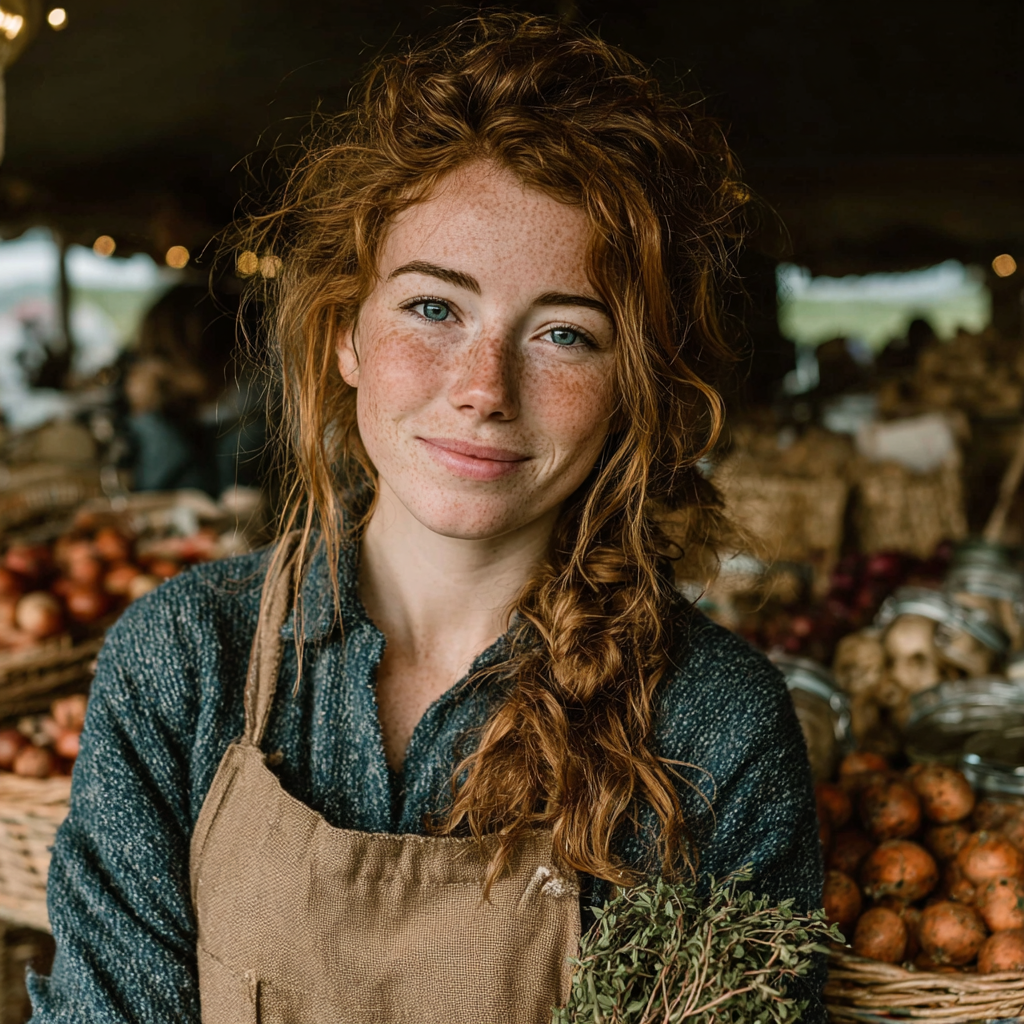
By Sophie Brennan
Irish food writer and historian based in Lisbon. Sophie combines her background in medieval history with a passion for contemporary gastronomy. She has written for Condé Nast Traveller and authored two cookbooks exploring Celtic and Iberian culinary traditions.