
Vienna Solo Travel Guide: The €13 Standing-Opera Trick, the Coffeehouse That Never Kicks You Out, and Why Europe's Safest Capital Was Built for Solo Travelers
Some cities tolerate people who arrive alone. Vienna built institutions for them. The coffeehouse — a living room for anyone with the price of a Melange. The standing-room opera ticket, invented for people who couldn't afford a box and didn't care who knew. The Heuriger, where a single glass of new wine buys you an entire evening on a hillside. This is a city that has spent three centuries perfecting the art of being alone in public, and it shows.
Here's the safety picture first, because for most solo travelers — especially women — it's the whole ballgame. Vienna has topped the Economist Intelligence Unit's safest-city ranking repeatedly and sits at or near the top of global quality-of-living lists. Female travelers routinely report walking home through the 1st district at 2 AM without a second thought. The realistic risks are petty: pickpocketing around Stephansdom and on crowded U-Bahn lines. That's it. The late-night U-Bahn is clean, frequent, and full of people who look like your aunt.
I'm Maya, and I've eaten alone in more than 40 countries. Vienna remains the easiest city in Europe to do it in. Here's how.
The Coffeehouse Is Your Living Room
Every solo traveler's real problem is the third place — not your hostel, not a museum, but somewhere you can simply be without buying anything every twenty minutes. Vienna solved this in 1683. The coffeehouse is explicitly designed for lingering: a glass of tap water arrives with your coffee unasked, the waiter won't bring the bill until you ask for it, and locals treat the place as an office, a dining room, and a library combined. You can read your newspaper for three hours over one €5 Melange and nobody will so much as sigh.
Five rooms, five moods:
- Café Sperl (Gumpendorfer Str. 11, 1060) — in business since 1880, all billiard tables and bentwood Thonet chairs, the least touristy of the grand cafés. Come here to write postcards you might never send.
- Café Central (Herrengasse 14, 1010) — 1876, under the vaulted Gothic arcades of the Palais Ferstel. Trotsky played chess here. Yes, it's full of visitors now; the room still earns it. Open daily, roughly 7:30 AM–10 PM.
- Café Hawelka (Dorotheergasse 6, 1010) — dark wood, worn velvet, family-run since 1939. Order the Buchteln (warm baked yeast buns) if they have them. Eccentric opening days — check before you go.
- Café Jelinek (Otto-Bauer-Gasse 5, 1060) — the scruffy bohemian cousin in Mariahilf, mismatched furniture and a resident-poet atmosphere. Prices kinder than the center.
- Café Prückel (Stubenring 24, 1010) — a perfectly preserved 1950s interior across from the Stadtpark, full of actual Viennese pensioners.
Budget a Melange at €4.50–5.50 and cake at €5–7 — call it €9–13 for the full ritual. Breakfast boards run €9–15. The Sachertorte war is real: Hotel Sacher (Philharmonikerstr. 4) and Demel (Kohlmarkt 14) both claim the 1832 original. The cake is genuinely excellent at both; Demel's queue is shorter and the room is prettier. Skip the 40-minute Sacher line.
Rules that matter: waiters keep a running tab and will not rush you; leave roughly 10% by rounding up when you finally flag them down; and ordering "to go" is a crime against the institution — espresso standing at the bar is the fast version, not takeaway cups.
The €13 Opera (and How to Actually Get In)
The Vienna State Opera (Opernring 2, 1010) sells 567 standing-room tickets — Stehplatz — for every performance: €13 balcony, €15 gallery, €18 at the back of the stalls. Every position has its own personal subtitle monitor (English available). You are standing for a world-class production next to locals who do this weekly. It is the best cultural deal in Europe, full stop.
Two ways in, as of 2026:
- Online at exactly 10:00 AM Vienna time on the day of the performance, via tickets.wiener-staatsoper.at. You need a free account; maximum two tickets. Positions are pre-assigned to numbered spots at the rail, so there's no queue-jockeying — this is the easy modern way. Set an alarm; good nights go in minutes.
- The Stehplatz window on the Operngasse side, which opens 80 minutes before curtain. For a normal weeknight repertoire performance, arriving 90 minutes early almost guarantees a ticket. For a Netrebko gala, queue two hours or more.
Insider upgrades: the free BundestheaterCard membership lets you pay €20 to upgrade to "Standing Room PLUS," which unlocks day-before purchase — worth it if you're seeing three or more shows. Under-27s with student ID can buy unsold seats for €15 at the main box office from 2 PM on the day of performance — sometimes including parterre.
Practical notes: the house is dark in July and August (plan around it), there's no formal dress code but flip-flops and very short shorts get turned away, and most performances run 2.5–4 hours with 20–25 minute intermissions — the intermission champagne standing at the bar is itself a Viennese ritual you'll share with strangers who become friends by the third act.
Alternatives when the Staatsoper is sold out or dark: the Volksoper (Währinger Str. 78, 1090) does operetta and musicals at friendlier prices in a looser atmosphere; the Musikverein (Bösendorferstr. 12, 1010) sells standing places for many concerts in the gilded Golden Hall — the same room the New Year's Concert broadcasts from, and yes, the acoustics really are that good; and the Burgtheater offers reserved standing seats you can buy in advance like normal tickets (~€13–18).
Where to Sleep: Neighborhoods for One
Base yourself inside or adjacent to the Gürtel ring and you'll walk almost everywhere. For solo travelers specifically:
- The 4th and 6th districts (Wieden/Mariahilf) — my default recommendation. Young, walkable, ten minutes on foot to Stephansdom, wrapped around the Naschmarkt. This is where the coffeehouses above live.
- The 7th district — indie shops, the MuseumsQuartier courtyard, and a slightly artsier crowd. Borders Mariahilf, so you get both.
- The 1st district — beautiful and dead-quiet after 10 PM. Fine for a splurge weekend, isolating for a week.
- The 2nd district (Leopoldstadt) — vintage shops, the Prater, marginally cheaper. A 15-minute stroll over the Danube Canal to the center.
Specific beds: Wombats City Hostel runs social, well-run branches by the Naschmarkt and MuseumsQuartier — dorms ~€25–45 with a bar that actually fills up (pub crawls several nights a week, which answers the "how do I meet people" question before you've asked it). Hostel Ruthensteiner (Robert-Hamerling-Gasse 24, 1150) is the quieter, family-run alternative with a garden and guest kitchen, ~€20–35. At the boutique level, Hotel am Brillantengrund (Burggasse 40, 1070) wraps around a courtyard in the 7th with rooms from ~€90, and 25hours Hotel beim MuseumsQuartier (Lerchenfelder Str. 1–3) is the fun design choice from ~€130. Vienna had a record tourism year in 2025 — for June through September and the Christmas markets, book eight weeks out.
Art Without the Crowds
Vienna's museum math is brutal if you wing it, so here are the 2026 numbers, verified:
- Upper Belvedere (Prinz-Eugen-Str. 27, 1030): ~€24, timed entry required, open daily 9–6 (Friday evenings run later in season; check belvedere.at). Klimt's The Kiss hangs on the first floor alongside 23 more Klimts and a strong Schiele room. Book the 9:00 AM slot or arrive after 3 PM — the Klimt room is a rugby scrum from 11 to 2. The formal gardens between the palaces are free, and the view from the terrace over the city skyline is one of Vienna's best.
- Kunsthistorisches Museum (Maria-Theresien-Platz, 1010): €22 online / €24 at the door; under-19s free. Holds the world's largest Bruegel concentration — twelve of the forty-five surviving paintings — plus Vermeer, Raphael, and Caravaggio in a building that's itself half the exhibit. Closed Mondays September through May (open Mondays June–August); Thursday until 9 PM.
- Albertina (Albertinaplatz 1, 1010): €16, open daily, Monday and Friday until 9 PM. Dürer's Young Hare and 65,000 other drawings upstairs; the Batliner modernist collection (Monet, Picasso, Klimt) downstairs.
- MuseumsQuartier (Museumsplatz 1, 1070): the Leopold (€17.90 — the world's biggest Schiele collection; closed Tuesdays) and Mumok (~€15, also closed Tuesdays) share a courtyard that's free to enter and full of lounging locals in summer. Thursday late openings at the Leopold.
- If Klimt is your obsession, the Klimt Pass (~€88.50) bundles five Klimt sites (Belvedere, Albertina, Leopold, Klimt Villa, and one more) valid eight days. Do the arithmetic against your itinerary before buying.
Combination strategy for a solo week: one big paid museum per day, morning slot, then let the afternoons be free — because free Vienna is exceptional.
Free Vienna
- Tram 1 or 2 around the Ring. The same grand circuit the €46 tourist Ring Tram drives, on a regular €3.20 city ticket. Parliament, the Rathaus, the Opera, the university, the stock exchange — one full loop is a 25-minute architecture degree.
- The Prater. The park itself is free and green; the Riesenrad (giant Ferris wheel) is €13.50 and worth exactly one slow revolution for the skyline. Individual ride tickets run €4–5 — treat the amusement mile as a ten-minute walk-through, not a destination.
- The Donaukanal. Walk the canal banks from Schwedenplatz past the graffiti walls to the summer bars (the "beach" bars change names yearly — follow the crowds). Free live music many warm evenings.
- The Zentralfriedhof. Take tram 71 to its terminus and walk to Group 32A: Beethoven, Schubert, Brahms, the Strauss family, buried within fifty meters of each other. Entry to the cemetery is free; it's the most peaceful hour in Vienna.
- Stephansdom nave — free (the towers, at ~€6.50–7.50, are optional). The Hofburg courtyards — free. The Burggarten with its Mozart monument — free. Kahlenberg, the hill above the city with the full Danube panorama — free via bus 38A (also the Heuriger route; see below).
Eating Well Alone
Vienna is the rare city where dining solo at a proper restaurant raises zero eyebrows — the Beisl (tavern) tradition assumes it. Tactics:
- Lunch is the deal. The Mittagsmenü (menu of the day) runs €9–13 at mid-range places between roughly 11:30 and 2:30. Dinner prices for the same kitchen are 40% higher.
- The schnitzel question. Figlmüller (Wollzeile 5, 1010) serves the famous plate-lid schnitzel (~€18–25, expect a queue). Schnitzelwirt (Neubaugasse 52, 1070) serves enormous, honest versions for less in a room full of regulars. Both fine alone; both better at lunch.
- The Naschmarkt (Linke Wienzeile, stalls roughly Mon–Sat 9–6, restaurants later) is Vienna's stomach — browse the spice pyramids, eat standing at the seafood and dumpling counters, and keep cash on you: many stalls still don't take cards. Saturday adds a flea market on the upper end. Skip the sit-down restaurants here (see What to Skip).
- Würstelstände — the sausage stands — are Vienna's original street food. The Bitzinger stand behind the Opera (Albertinaplatz) charges a little more for the location; any stand will do. Käsekrainer + a beer, ~€9. Eat it like the locals: standing, at the counter, mustard on everything.
- The Heuriger evening is the solo highlight. These new-wine taverns in the hillside villages (Nussdorf, Grinzing, Neustift am Walde) sell wine by the quarter-liter (€4–5) plus cold buffets (a loaded plate, €8–12). Take tram D to Nussdorf or bus 38A from U4 Heiligenstadt up through Grinzing — the same bus continues to Kahlenberg if you want sunset after dinner. If a pine branch hangs over the door, they're pouring. You're sitting under chestnut trees with a glass of Grüner Veltliner and zero companionship requirement; locals will chat if you chat first.
A Solo Night Out
Start in the Bermudadreieck ("Bermuda Triangle") around Rabensteig and Seitenstettengasse — a dense cluster of bars ten minutes from Stephansdom where thirty-something Viennese actually drink. Pratersauna (across the river in the 2nd) runs a legendary open-air summer garden. Gay and lesbian Vienna centers on the Rosa Lila Villa (Linke Wienzeile 102, 1060) — a community center with a café that's been the anchor of the scene since 1982 — and the long-running Why Not club. Vienna Pride lands in mid-June with the Rainbow Parade circling the Ring.
And if you're here between January and March: ball season. Vienna hosts roughly 450 balls, and many sell cheap standing or single tickets. You do not need a tux — dark suit or a cocktail dress passes everywhere except the Opera Ball. Take one public waltz crash course first at Elmayer Tanzschule (Brucknerstr. 6, 1040; ~€15–20 for a trial lesson), and you will spend the night spinning with strangers who correct your frame kindly. As a solo traveler, it is the single fastest way inside Viennese society.
Meeting People
Viennese have a reputation for coldness that dissolves on contact. The mechanisms:
- Hostel bars and events. Wombats' pub crawls and walking tours are engineered for this; even if you're in a private room elsewhere, buy a drink and join.
- Tip-based walking tours. Free tours leave from around Albertinaplatz several times daily — expect to tip €10–15. You'll have a dozen temporary friends by the second stop and actual dinner plans by the last.
- Meetup and Couchsurfing events. Vienna's expat scene is enormous and perpetually hosting language exchanges and bar nights.
- The coffeehouse trick. Sit at a shared table, leave your newspaper open to an opinion piece, and make one mildly grumpy observation about the weather to your neighbor. This is how Viennese friendships have started since Metternich.
- The opera intermission. Standing-room tickets put you shoulder-to-shoulder with chatty locals at the rail; the champagne interval is a free social mixer.
Day Trips for One
- Bratislava, 60 km. Trains take roughly an hour from ~€11 one-way (RegioJet books cheaper if early); the Twin City Liner boat up the Danube runs about €30. A castle, a car-free old town, and lunch cheaper than Vienna's — an effortless solo half-day. Note the Schengen border is a formality; you likely won't even stop.
- The Wachau. Train to Krems (~€15–20), then boat or bike downriver through the terraced wine villages to Melk and its abbey — the boat leg runs roughly €25–35 in season, or rent a bike in Krems and ride the flat Danube path past Dürnstein's ruined castle. Apricot everything. Doable in a long, glorious day.
- Baden bei Wien. Beethoven's spa town 30 minutes by train (~€8), all Biedermeier arcades and thermal pools. The quiet-option day trip.
What to Skip
- The Ring Tram. €46 for a guided loop of the exact same Ring that trams 1 and 2 circle on a normal €3.20 ticket. Buy a coffee instead.
- Fiaker horse carriages. €60–80 for twenty minutes past sights you can walk to free, with a growing animal-welfare controversy attached. Hard pass.
- Costumed "Mozart evenings." The leaflet-men in 18th-century wigs around Stephansdom sell competent orchestras in hotel-ballroom atmospheres at premium prices. The real Musikverein, Volksoper, or Staatsoper costs the same or less and is incomparably better.
- The Hotel Sacher torte queue. Same recipe war, same cake — Demel (Kohlmarkt 14) or any neighborhood grand café serves it without the 40-minute line.
- Naschmarkt sit-down restaurants. The stalls are the point; the restaurant terraces price the view, not the food. Eat standing, drink at the flea-market end.
- The Donauturm (Danube Tower). €17.90 for an observation deck view that's inferior to the free panorama from Kahlenberg.
- Prater as a day plan. One Riesenrad revolution, a ten-minute stroll down the funfair mile, done. Anything more is paying to be bored.
- Buying transit tickets "just in case" on paper. The 2026 fare structure rewards the app — see below.
Practical Notes
Getting around (prices from 1 January 2026 — the fares changed materially): a single ticket is €3.20 from machines (€3.00 in the WienMobil app); the 24-hour ticket is €10.20 (€9.70 digital); the 7-day ticket is €28.90 (€25.20 digital). The old 48-hour and 72-hour tickets were discontinued in 2026 — for two-to-three-day stays, either stack 24-hour tickets or buy the Vienna City Card (€17/24h, €25/48h, €29/72h), which bundles transport with museum discounts. Stamp paper tickets in the blue validator before boarding; the fine is now €135 and inspectors are frequent.
From the airport: the S7 S-Bahn to Wien Mitte costs €5.40 and takes 23 minutes — but note that S-Bahn works have disrupted airport service in phases since September 2026, so check wienerlinien.at before you fly. The City Airport Train (CAT, same station) is 16 minutes for €14.90. Uber/Bolt runs €25–40.
Money and manners: the euro; cards accepted nearly everywhere except market stalls and some Heuriger; tip by rounding up roughly 10%. Say "Zahlen, bitte" to get the bill — it won't come on its own, and that's a compliment. Tap water is alpine-spring quality — order "Leitungswasser, bitte" and it arrives free. German is the language; English works everywhere a tourist plausibly stands.
The Sunday trap: shops are closed on Sundays (train-station supermarkets excepted). Museums, cafés, restaurants, and the Prater are open — plan grocery runs accordingly.
Plugs and safety nets: type C/F, 230V. Emergency number 112. EU roaming applies. Austria's drinking water fountains (Trinkbrunnen) dot the center in warm months.
When to come: April–June and September–October are the sweet spots. July–August is hot and — critically for this guide — the State Opera is dark. Christmas markets fill every square from mid-November to December 24. Ball season runs January through March.
Budget reality for one: hostel dorm €25–45, coffeehouse ritual €9–13, schnitzel lunch €9–18, opera standing €13–18, transit under €11/day. A comfortable solo mid-range day lands at €75–110.
About the Author
Maya Johnson writes about traveling alone the way it actually is — the third-place problem, the restaurant table for one, the small negotiations of showing up in a city with no one to share it with. She's eaten alone in more than 40 countries and firmly believes Vienna's coffeehouses and standing-room rails are the best infrastructure for it on the continent. She packs light, tips 10%, and has never once finished a newspaper in a Viennese café.
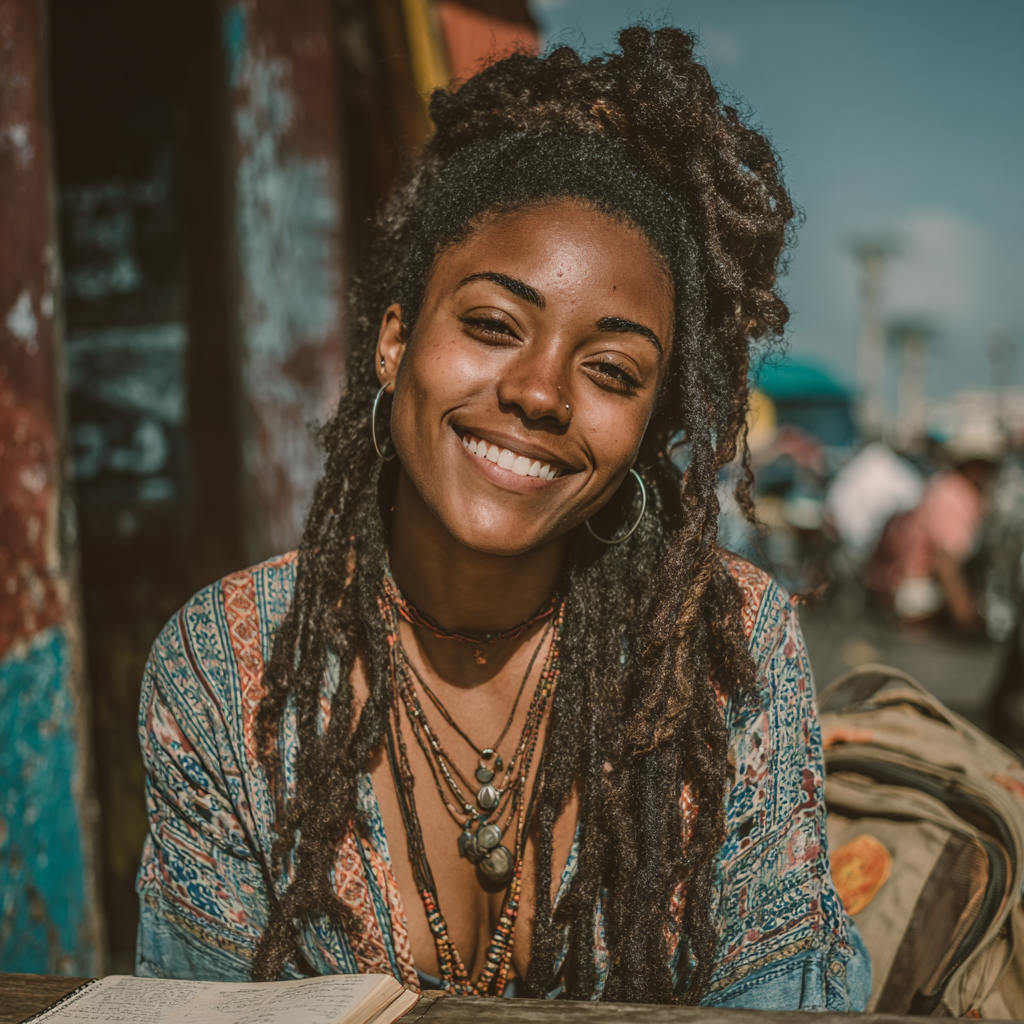
By Maya Johnson
Solo travel evangelist and digital nomad veteran. Maya has spent six years traveling alone across 50+ countries on a freelance writer budget. She writes honest, practical guides for women who want to explore the world independently and safely.