
Vienna Beyond the Palaces: A Story-Driven Guide to Coffee, Culture, and the Neighborhoods That Matter
Introduction: The City That Hides in Plain Sight
Vienna intimidates people. They arrive with a checklist—Schönbrunn, St. Stephen's, Sachertorte, a Mozart concert in a powdered wig—and leave thinking they've seen it. They haven't. What they've done is visit the idea of Vienna, not the city itself.
The real Vienna is slower, stranger, and far more interesting. It's a place where teenagers still meet in 19th-century coffee houses to do homework because their grandparents did the same. Where a former Habsburg palace now hosts contemporary art in rooms that once held imperial war councils. Where the wine taverns on the city's edge have been serving the same grape varieties since before Mozart was born. Where the tram drivers still announce stops in a formal German that sounds like it belongs to another century.
I've been coming to Vienna for fifteen years—first as a student haunting the stacks of the National Library, later as a writer trying to understand why this city, which lost an empire and missed most of the 20th century's revolutions, still feels so sure of itself. The answer is everywhere: in the coffee house waiters who remember your order, in the museum guards who quietly tell you which Klimt to look at second, in the Heuriger owners who explain why their Grüner Veltliner tastes different from their neighbor's.
This guide is not an itinerary. It's a way of reading the city. Use it in any order. Skip what doesn't interest you. But don't skip the coffee houses. That would be like going to Tokyo and ignoring the sushi.
— Finn O'Sullivan
The Imperial Shadow: Schönbrunn and the Weight of History
Vienna's imperial past isn't history-book material here. It's the furniture. You sit on it, walk through it, argue about it.
Schönbrunn Palace (Schönbrunner Schloßstraße 47, 1130 Wien; open 08:30–17:00, longer hours Apr–Oct; Grand Tour €26, Imperial Tour €20) is the obvious starting point, and it's worth the obviousness. The Grand Tour (40 rooms, €26) takes you through the state apartments where Emperor Franz Joseph woke at 4:00 AM every day to read reports from an empire that no longer exists. Empress Elisabeth—Sisi—left her mark in private rooms that feel almost uncomfortably intimate: her exercise equipment, her traveling pharmacy, the grief she carried after her son's death at Mayerling.
The Gloriette on the hill behind the palace offers the best single view in Vienna. Climb up or take the Panorama Train (€8). The gardens—160 hectares of Baroque design—are where Vienna actually spends its spring Sundays. The Palmenhaus at the far end of the gardens is a steel-and-glass marvel from 1882 with a café worth the walk. Entry to the gardens is free; the palm house is €6.
If Schönbrunn is the summer residence, the Hofburg (Michaelerkuppel, 1010 Wien; Sisi Museum & Imperial Apartments open 09:00–17:30, €17.50; combined ticket with Imperial Silver Collection €24.90) is where the real work happened. The Habsburgs ruled from here for six centuries. The Sisi Museum is more honest than most imperial museums—it shows Elisabeth's anorexia, her restlessness, her refusal to play the role assigned to her. The Spanish Riding School (Michaelerplatz 1; morning exercise Tue–Fri 10:00–12:00, €18; performances select dates, €30–180) continues the Lipizzaner tradition in a Baroque hall that hasn't changed since 1735. Book performance tickets months in advance; morning exercise tickets are easier to secure and nearly as magical.
St. Stephen's Cathedral (Stephansplatz 3; open 06:00–22:00 Mon–Sat, 07:00–22:00 Sun; entry free, all-inclusive ticket €18, tower climb €5.50, catacombs €6) is the city's spiritual center and its best orienteering landmark. The South Tower requires climbing 343 steps, but the view of the multi-colored tile roof—the Habsburg eagle in glazed ceramic—is worth your aching legs. The catacombs hold 11,000 bodies and the ducal crypt where Habsburg organs were buried separately from their bodies, per tradition. Vienna does not shy away from the weird details. The North Tower has an elevator (€7.50) and houses the Pummerin, Austria's largest bell, cast from Ottoman cannons captured in 1683.
The Living Room of Vienna: Coffee Houses as Civilization
In 2011, UNESCO listed Viennese coffee house culture as Intangible Cultural Heritage. This sounds bureaucratic. It isn't. What it means is that Vienna has preserved something most cities lost: the coffee house as a third place—not work, not home, but a room where time moves differently and conversation is the main activity.
The rules are unwritten but absolute: you may sit for hours with one coffee. No one will rush you. The waiter will bring a glass of water without asking. Newspapers are provided in wooden racks. The marble tables are cold to the touch and have been since 1890.
Café Central (Herrengasse 14, 1010 Wien; open 07:30–22:00 daily) is the cathedral of this culture. Trotsky played chess here. Freud read newspapers here. Kafka probably worried here. The vaulted ceilings and marble pillars of the Palais Ferstel create an atmosphere that makes you want to order slowly and stay longer. Order a Melange (€5.50–€8.50)—Vienna's signature coffee, an espresso with steamed milk and foam—and an Apfelstrudel (€6.50–€10.50) with vanilla sauce. Arrive before 10:00 AM or wait in line with tourists who treat it as a photo stop. The trick is to stay for an hour. The regulars' tables are in the back, near the newspaper rack.
Café Hawelka (Dorotheergasse 6, 1010 Wien; open 08:00–23:00, closed Tuesdays) is the opposite of Central. Dark, wood-paneled, run by the same family since 1939. Their Buchteln—sweet yeast buns filled with plum jam, baked fresh daily—are the reason you come. Order them warm (€4.50). Sit in the back. The regulars have been sitting in the same seats since the 1960s.
Café Landtmann (Universitätsring 4, 1010 Wien; open 07:30–22:00 daily) was Freud's favorite, opposite the Burgtheater. The terrace on the Ringstraße is where Vienna watches itself walk by. This is where you come when you want to feel like you belong to the city for an afternoon. The Esterházy Torte (€6.80) is their signature—a walnut-meringue cake that predates the Sachertorte dispute by decades.
Café Sperl (Gumpendorfer Straße 11, 1060 Wien; open 07:00–23:00 daily) is the coffee house that coffee house people go to. Opened in 1880, virtually unchanged since 1896. The billiard tables in the back room are from the original fit-out. Order a Mokka (€4.20) and a slice of Sperltorte (€5.50). This is where I wrote most of my first Vienna book, and where the waiter still asks about it.
Demel (Kohlmarkt 14; open 10:00–19:00 daily) is the former imperial confectioner. Watch the pastry chefs through the glass window into the kitchen. The Anna Torte (€7.20) is their signature, but the real move is to buy a small box of hand-made pralines (€12.50 for 12) to take home. The shop downstairs sells the same pastries in gift boxes that have been unchanged since 1900.
Café Sacher Wien (Philharmonikerstraße 4; open 08:00–22:00 daily) serves the original Sachertorte (€8.50)—the chocolate-apricot cake that caused a lawsuit between the Sacher and Demel families over who held the "real" recipe. It's good. It's also €8.50 for a slice of cake. Go once for the story, then go to Hawelka for the atmosphere. The Hotel Sacher version is identical and comes with the same price tag, but the café has better people-watching.
Where the City Actually Eats: Beyond Schnitzel Tourism
Viennese food has a reputation for being heavy, meat-focused, and stuck in the 19th century. This is half true. The other half is that Vienna has some of the most interesting food in Central Europe if you know where to look.
Figlmüller (Wollzeile 5, 1010 Wien; open 11:00–21:30 daily) is the temple of Wiener Schnitzel. Their version is pounded so thin it hangs over the plate, with a breading so delicate it shatters. It's pork by default (€18.50–€24.50); veal costs €4.50 more. Reservations are essential. There is a second location at Bäckerstraße 6, smaller and harder to book. The potato salad with pumpkin seed oil is the correct accompaniment. Do not ask for ketchup.
Plachutta Wollzeile (Wollzeile 38; open 11:30–23:00 daily) serves the city's most celebrated Tafelspitz (€38.50–€48)—boiled beef in broth with root vegetables, apple-horseradish, and chive sauce. The meat arrives in a copper pot and is finished at your table. It is expensive, it is unfashionable, and it is absolutely what Vienna tastes like. The broth is served first, as a soup. The marrow bone is extra and worth every euro.
Trzesniewski Buffet (Dorotheergasse 1; open 08:30–19:00 Mon–Fri, 09:00–17:00 Sat, closed Sun) is a Viennese institution that most tourists miss. Open-faced sandwiches (€1.90 each, plate of 5 for €9.50) with toppings like egg with chives, roast beef with horseradish, and herring with onions. Stand at the counter like a local. The back room has seats if you need them. The paprika-egg and liver-pâté varieties are the classics. The bread is always fresh because the turnover is relentless.
Zum Schwarzen Kameel (Bognergasse 5; open 12:00–00:00 daily) has been operating since 1618. The Art Nouveau interior dates from 1901. They are famous for open-faced sandwiches (Brotaufsätze, €3.50–€6.50) and traditional Viennese dishes in a setting that makes you feel like you should be wearing a pocket watch. The herring with onions and the roast beef with pumpkin seed oil are the standouts. The wine list is exceptional and not expensive.
Neni am Naschmarkt (Naschmarkt 510, 1060 Wien; open 08:00–00:00 daily) represents the other Vienna—Israeli-Austrian fusion, hummus and falafel, grilled meats, panoramic market views. The Naschmarkt itself (between Karlsplatz and Kettenbrückengasse; open Mon–Fri 06:00–18:30, Sat 06:00–17:00, closed Sun) is Vienna's largest market, with over 120 stalls. Spring brings the first Austrian asparagus—white and green varieties that dominate local menus from April to June. The flohmarkt (flea market) on Saturdays (06:00–14:00) is where Vienna's attic gets emptied. You will find everything from Habsburg-era silver to 1970s ski equipment.
Salm Bräu (Rennweg 8, 1030 Wien; open 11:00–23:00 daily) near the Belvedere is a brewery restaurant with house beers and a beer garden that fills with locals on warm days. Mains run €14.50–€22.50. It is not ambitious. It is reliable, warm, and exactly what you need after looking at Klimt paintings for three hours. The Dunkel (dark beer) is the best of their four regular brews. The beer garden opens in late April and closes in early October.
Motto am Fluss (Franz-Josefs-Kai 2, 1010 Wien; open 09:00–01:00 daily, mains €18.50–€32) sits in the building that houses the Schwedenplatz canal station and serves international cuisine with panoramic river views. This is where Vienna exhales. The breakfast buffet (€24, weekends until 14:00) is one of the best in the city. The terrace in summer requires reservations two weeks ahead.
The Art That Refused to Behave: Klimt, Schiele, and the Vienna That Almost Was
Vienna around 1900 was the intellectual capital of Europe. Freud was analyzing dreams. Mahler was conducting. Wittgenstein was writing. And a group of artists decided that the city's decorative, imperial aesthetic was a cage.
The Belvedere (Prinz Eugen-Straße 27, 1030 Wien; open 09:00–18:00 daily; Upper Belvedere €16, combined ticket €24, Lower Belvedere €14) houses the world's largest Klimt collection. "The Kiss" (1908) is the centerpiece—a couple embracing in a field of flowers, rendered in gold leaf during Klimt's "Golden Phase." But don't stop there. The museum holds over 30 works by Egon Schiele, including "Death and the Maiden," whose raw, angular figures are the emotional opposite of Klimt's decorative warmth. The contrast between the two tells you everything about Vienna's split personality: the surface elegance and the underlying anxiety. The Belvedere 21 (modern wing, open 11:00–18:00, €9) shows contemporary Austrian art in a building that looks like a glass spaceship.
The Leopold Museum (in the MuseumsQuartier, Museumsplatz 1, 1070 Wien; open 10:00–18:00, €15; Thu 10:00–21:00) has the world's largest Schiele collection—over 200 works. Schiele died in the 1918 flu pandemic at age 28. His self-portraits, gaunt and confrontational, look like they were painted yesterday. The museum also has the world's largest collection of Wiener Werkstätte decorative arts—furniture, glass, and jewelry that defined the Vienna 1900 aesthetic.
MUMOK (same complex, €13; open 10:00–18:00, Thu 10:00–21:00) holds modern and contemporary work—Picasso, Warhol, Kandinsky, and Austrian avant-garde pieces that continue the Vienna 1900 tradition of refusing to behave. The Kunsthalle (€12) in the same courtyard hosts rotating exhibitions that are often the city's most interesting art shows.
The MuseumsQuartier courtyard is itself a destination. In spring, the giant Enzo beanbag chairs scatter across the plaza in bright colors. Locals work on laptops, meet friends, drink coffee. It is the city's living room in summer. Sit down. Watch Vienna happen.
The Neighborhoods That Matter
Vienna's center is beautiful and exhausting. The real city lives in its neighborhoods.
Spittelberg (1070 Wien, Neubau district; U2/U3 Volkstheater) is a village inside the city. Cobblestone streets, Biedermeier houses, art galleries, and restaurants that don't bother with multilingual menus. Plutzer Bräu (Schrankgasse 4; open 11:00–23:00 daily, mains €13.50–€20.50) is a brewery restaurant with house beers and no pretension. The Kleines Café (Franziskanerplatz 3, 1010 Wien; open 10:00–02:00 daily) is a tiny, perfect room in a former carriage house, unchanged since 1970. The 7 Stern Bräu (Siebensterngasse 19; open 11:00–00:00 daily) brews their own beer and serves some of the most interesting seasonal dishes in the neighborhood. Walk the narrow lanes in early evening when the light turns the house facades golden.
Grinzing (1190 Wien, at the edge of the Vienna Woods; tram D or U4 Heiligenstadt) is where you go for Heuriger—traditional wine taerns serving young wine and cold platters. Heuriger Sirbu (Kahlenberger Straße 210; open 16:00–23:00, typically Thu–Sun in spring and summer) has garden seating under chestnut trees and a family-run atmosphere that hasn't changed in decades. Order Grüner Veltliner (€4.50 per 250ml) or Gemischter Satz (a field blend of multiple grape varieties, €4.50) with a Brettljause (€14.50–€22)—a wooden board of cold cuts, cheese, and pickles. Heuriger 10er Marie (Oberer Reisenbergweg 116; open Thu–Sun 15:00–23:00) offers city views from its hillside location if you want a vista with your wine. The tram D from the city center to Grinzing is one of the most pleasant rides in Vienna—30 minutes through the vineyards.
The Naschmarkt (1060 Wien) on Saturday mornings is where Viennese food culture performs itself. Cheesemongers shout samples. Spice sellers stack pyramids of paprika. The restaurant stalls at the far end serve everything from falafel to oysters. Go hungry. Leave with a bag of something you can't identify. The Greek tavernas at the far end are surprisingly good. Umarfisch (stall 76–79; open Tue–Sat 09:00–18:00) sells fresh fish and will cook it for you on the spot if you ask.
The Danube Canal (Donaukanal, running through the 1st and 2nd districts) is Vienna's relationship with its river made walkable. The walls between Schwedenplatz and Urania hold some of the city's best street art, constantly repainted by local and international artists. The promenades fill with cyclists and runners after work, and the floating bars and restaurants along the canal open in late spring to create an atmosphere that feels more Berlin than imperial Vienna. Adria Wien (Obere Donaustraße 20; open 11:00–23:00 daily) is a floating restaurant with surprisingly good Croatian food and canal views. The Badeschiff (Donaukanal near Urania) is a floating swimming pool and sauna in summer—€12 for a swim with the city skyline behind you.
The Prater (Leopoldstadt, 1020 Wien; U1/U2 Praterstern) is not just the Riesenrad. The Hauptallee—a 4.5-kilometer tree-lined avenue through the park—is where Vienna runs, cycles, and walks on Sundays. The Schweizerhaus (open 11:00–23:00 daily, Mar–Oct) serves the city's most famous Stelze (roasted pork knuckle, €24.50) and giant beers (1-liter Maß, €11.50). The Lusthaus at the far end of the park is a circular pavilion built in 1783, now a café with a terrace that feels like a secret.
Hidden Vienna: What Fifteen Years Taught Me
After fifteen years of visits, some places have become private landmarks. They are not secrets, exactly, but they are not on the typical itinerary.
The National Library's State Hall (Josefsplatz 1, 1010 Wien; open 10:00–18:00, €8) is one of the most beautiful rooms in Europe. 200,000 books in a Baroque hall with a ceiling fresco by Daniel Gran. The globes are from the 18th century. The silence is enforced. The guard at the entrance will tell you which books are oldest if you ask. I spent my student years here, and I still return every visit. The Globe Museum (same building, included in ticket) has 600 terrestrial and celestial globes, the largest collection in the world.
The St. Marx Cemetery (Leberstraße 6–8, 1030 Wien; open daily until dusk, free) is where Mozart was buried in an unmarked grave in 1791. The memorial—a stone angel on a pyramid—was erected decades later by a fan who couldn't accept the anonymity. The cemetery itself is overgrown and beautiful, with Art Nouveau gravestones and weeping willows. It is not a tourist site. It is a place to understand how Vienna remembers.
The Hundertwasserhaus (Kegelgasse 37–39, 1030 Wien; exterior view free, Hundertwasser Village opposite open 10:00–18:00 daily, free) is Friedensreich Hundertwasser's apartment complex from 1985—uneven floors, trees growing from balconies, no straight lines. The Kunst Haus Wien (Unteren Weißgerberstraße 13; open 10:00–18:00, €12) is his museum, with a permanent collection and rotating exhibitions. The café in the museum has a garden that feels like entering another dimension.
The Vienna Woods (Wienerwald) are accessible by tram and bus from the city center. The Kahlenberg (484 meters, tram D to Grinzing then bus 38A) offers the classic view of Vienna from above. The Leopoldsberg (425 meters) has a church and a panorama that includes the Danube, the city, and the plains beyond. The bus 38A from Grinzing to Kahlenberg costs €2.40 and takes 15 minutes. The view is free.
What to Skip
Every city has traps. Vienna's are particularly well-disguised because they look like culture.
The Mozart Costume Concerts: The Vienna Mozart Orchestra performs in period wigs at the Musikverein and other venues (€45–120). The musicians are competent. The concept is tourist theater. If you want to hear Mozart in Vienna, go to the State Opera standing room (from €10, available 80 minutes before performance) or a small church concert at Karlskirche (€35–55). The music is the same. The wigs are not required.
Sachertorte at Every Café: The original is at Hotel Sacher or Café Sacher. Every other café serves a version that is fine and unremarkable. Do not build your trip around eating chocolate cake. The Esterházy Torte at Café Landtmann is more interesting and less touristy.
The Giant Ferris Wheel (Riesenrad) at Prater: Built in 1897, iconic, and €13.50 for a slow rotation in a cabin that smells like 1973. The view is fine. The experience is underwhelming. Go to the Danube Tower (Donauturmplatz 1, 1220 Wien; €17.90, open until 22:00) instead—252 meters, 360-degree views, rotating restaurant. Or simply climb the South Tower of St. Stephen's for €5.50 and get the same thrill with history attached. The Panorama Train at Schönbrunn (€8) is a better value if you want a slow ride with a view.
Shopping on Kärntner Straße: This is Vienna's answer to every other city's main shopping drag. Swarovski flagship. Generic international brands. If you want to buy something Viennese, go to Altmann & Kühne (Graben 30) for hand-made pralines in wooden boxes, or Augarten Porcelain (Spiegelgasse 15) for porcelain from the manufactory founded in 1718. The Kohlmarkt has better window shopping but worse prices.
The Wachau Valley as a rushed day trip: The Wachau is a UNESCO landscape of vineyards, medieval towns, and the Danube. It deserves a full day, not a frantic train-boat combo. If you only have seven hours, skip it. Vienna is enough. The same goes for Bratislava day trips—Slovakia's capital is an hour away, but you will spend more time in transit than in the city, and you will return to Vienna wishing you had spent the day in Spittelberg instead. The Wachau is best experienced by bicycle (€25/day rental in Krems) with stops at Dürnstein and Melk Abbey (open 09:00–17:00, €13.50).
The Sisi Museum at Schönbrunn: If you've seen the Hofburg Sisi Museum, the Schönbrunn version is redundant. The rooms are beautiful, but the narrative is the same. Spend the time in the gardens instead. The maze (€5.50) and the gloriette are better uses of your morning.
Horse-drawn carriage tours (Fiaker): €80–120 for 20 minutes of clip-clop through traffic. The Ring Tram (€9, 25 minutes) gives you the same route with commentary and no horse smell.
Practical Logistics
Getting There
Vienna International Airport (VIE) is 19 km southeast of the city. The City Airport Train (CAT) reaches Wien-Mitte in 16 minutes (€14.90 one-way, €24.90 return). The S7 suburban train takes 25 minutes but costs only €4.20 (€8.40 return). The Airport Bus to Morzinplatz/Schwedenplatz takes 20 minutes (€8 one-way). Taxis to the center cost €40–50. Uber operates but is not cheaper than a regulated taxi.
Getting Around
Vienna's public transport is excellent and honest. The U-Bahn (5 lines, single ticket €2.40, 24-hour pass €8.00, 72-hour pass €17.10, weekly pass €17.10) covers the city. Trams 1 and 2 circle the Ringstraße and function as a cheap sightseeing tour. The Vienna City Card (24 hours €17, 48 hours €25, 72 hours €29) includes transport plus attraction discounts. The WienMobil app covers all public transport, bikes, and car-sharing in one interface.
Walking is the best way to see the historic center. The Innere Stadt is compact and largely pedestrian. Cobblestones are everywhere; wear comfortable shoes. The Ringstraße is best walked in the morning, before the tour buses arrive.
When to Go
Spring (April–May) is ideal—15–20°C, longer days, fewer crowds than summer, gardens in bloom. The asparagus season (Spargelzeit) runs from mid-April to June 24 and transforms restaurant menus. March can be chilly and rainy. Summer brings heat and tourist density. Christmas markets (mid-November to December 26) are magical but freezing—bring warm boots and gloves. The Vienna Festival (May–June) brings opera, theater, and concerts to the city.
Money and Costs
Currency is the Euro. Credit cards are widely accepted, but small restaurants and Heuriger often prefer cash. Tipping is 5–10% or round up. Daily budgets: €80–120 (budget), €150–250 (mid-range), €300+ (luxury). A coffee house coffee costs €4.50–€8.50. A decent dinner with wine runs €35–€55 per person.
Language
German is official. English is widely spoken in tourist areas. Useful phrases: Danke (thank you), Bitte (please), Die Rechnung, bitte (the bill, please), Auf Wiedersehen (goodbye), Guten Morgen (good morning), Ein Melange, bitte (a Melange, please). The Viennese dialect is nearly incomprehensible even to other Germans; don't worry about it.
Safety
Vienna is one of the safest cities in the world. Normal precautions against pickpockets in tourist areas apply. Tap water is excellent. Emergency: 112.
Getting Online
Free Wi-Fi is available in most coffee houses, museums, and the U-Bahn stations. The Wien-Guest network provides free Wi-Fi in public spaces. SIM cards with data are available at the airport (€15–25 for 10GB, valid 30 days).
Final Note
Vienna does not reveal itself quickly. It is not a city of Instagram moments. It is a city of accumulated details—the way a coffee house waiter sets down your Melange without asking, the sound of a tram bell on the Ringstraße, the silence inside St. Stephen's when a tour group has just left.
The imperial palaces are astonishing. The museums are world-class. But what stays with you is the rhythm of the place: slow, certain, unwilling to hurry for anyone. Vienna has outlasted empires, wars, and revolutions. It will outlast your visit too. The question is whether you'll notice it while you're there.
Take your time. Order a second coffee. Walk a neighborhood you didn't plan to visit. The city rewards the unhurried.
Gute Reise.
Written by Finn O'Sullivan | Last Updated: July 15, 2026
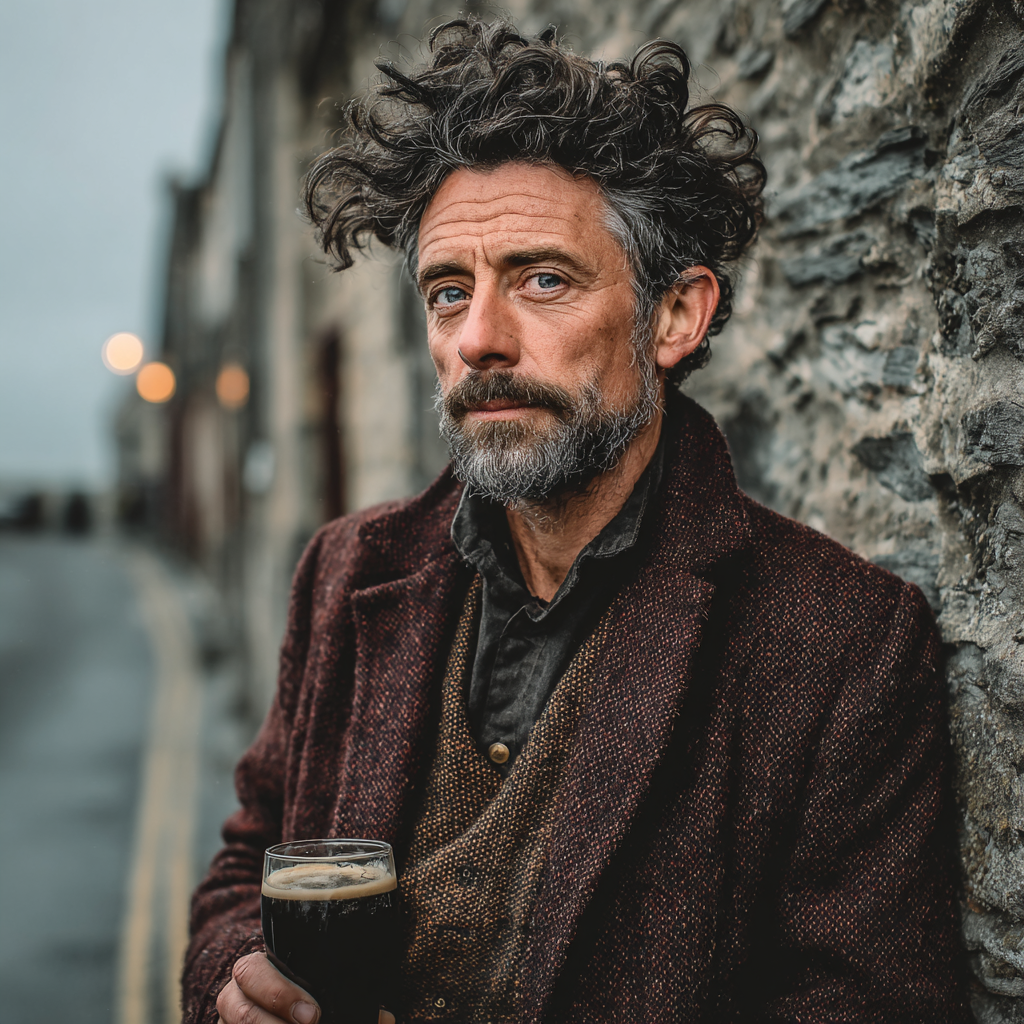
By Finn O'Sullivan
Irish storyteller and folklorist. Finn hunts for the narratives that do not make guidebooks—the pub legends, the family feuds, the neighborhood heroes. He believes every street corner has a story if you know who to ask.