
Graz: The City That Made Pumpkin Seed Oil a Religion and Put a Wine Tavern on Every Hillside
Most visitors to Graz come for the Old Town architecture and leave before they understand why the city carries a UNESCO City of Gastronomy designation. That label, granted in 2008, is not a participation trophy. It reflects a regional food culture built on specific agricultural practices, a protected pumpkin seed oil with PGI status, and a wine tradition that predates the Habsburg monarchy. The food here is not "Austrian" in the generic schnitzel-and-strudel sense. It is Styrian, and the difference matters.
I am Sophie Brennan, and I have eaten my way through enough European cities to know when a place is performing its culinary culture and when it is simply living it. Graz lives it. The city does not shout about its food. It assumes you will find it, assumes you will understand it, and assumes you will come back. That confidence is earned.
The Market: Where Styria Starts at 6 AM
Start at Kaiser-Josef-Platz on a weekday morning. The farmers market operates Monday through Saturday from 6:00 AM to 1:00 PM, though the best selection is gone by 10:00. This is not a tourist market. Local cooks buy their produce here. The square sits directly behind the Graz Opera House at Kaiser-Josef-Platz, 8010 Graz, and has operated in some form since the square was renamed in the 19th century from Holzmarktplatz, honoring Emperor Joseph II for his Patent of Toleration granting religious freedom to Protestants.
In autumn, the stalls sell freshly pressed Steirisches Kürbiskernöl, the Styrian pumpkin seed oil, dark green and intensely nutty. A half-liter bottle from a producer like Kürbiskernhof Pöllau costs €12 to €15. Look for the PGI seal on the label reading "Steirisches Kürbiskernöl g.g.A." The cheaper bottles at souvenir shops near Hauptplatz are often diluted or imported. The real oil is produced in the surrounding region, roasted and pressed from the local Styrian oil pumpkin variety, and the flavor is unmistakable: bitter, smoky, closer to toasted sesame than to any cooking oil you have used.
The production itself is worth understanding. It takes 30 to 35 pumpkins to produce one liter of oil. The seeds are removed, dried, ground, heated with a small amount of water, and then pressed in the traditional "Ölkuh" — the oil cow. The result is a dark green liquid that Styrians drizzle on everything from salads to vanilla ice cream. The market vendors will explain this if you ask. Many of them grew the pumpkins themselves.
The market is also where you find Käferbohnen, the speckled runner beans that appear on every traditional menu in autumn. They are cooked soft and dressed with pumpkin seed oil and vinegar. The combination sounds simple because it is. The quality depends entirely on the beans and the oil. A kilogram of dried Käferbohnen at the market costs €6 to €8, and the vendor will tell you which harvest year they are from. Look also for Grazer Krauthäuptel, the local lettuce variety with a tender, buttery texture that appears in salads dressed with — inevitably — pumpkin seed oil.
Apples are another Styrian obsession. Nearly 80% of Austrian apples grow in this region, and the market stalls sell heritage varieties with names like Kronprinz Rudolf, Schafnase, and Ilzer Rose. These are not supermarket apples. They are smaller, more aromatic, and often slightly irregular in shape. A kilo costs €3 to €4.
Bring cash. Most stalls are cash-only. Arrive before 9:00 AM for the best selection, and do not expect the vendors to stay past 1:00 PM — the market regulations require stalls to close by then.
Pumpkin Seed Oil: The Green Gold Standard
To understand Graz, you must understand pumpkin seed oil. It is not a condiment here. It is a foundation. The oil has been produced in Styria since at least the 18th century, and the Styrian oil pumpkin — with its hull-less seeds — is unique to this region. The PGI protection, granted in 1996, means that only oil produced from pumpkins grown in specific Styrian districts, using traditional methods, can carry the name.
The oil's flavor profile is intense: nutty, slightly bitter, with a roasted quality that lingers. It is not a cooking oil. Heat destroys its character. It is a finishing oil, drizzled over salads, soups, boiled potatoes, and — controversially to outsiders — vanilla ice cream. The ice cream pairing works because the oil's bitterness cuts the sweetness, and the temperature difference creates a strange, compelling texture.
At the market, ask to taste before you buy. A proper producer will have small samples. The oil should be dark green, almost black in the bottle, with a viscous consistency. If it is pale or thin, it is not the real thing. Store it in a cool, dark place — never the refrigerator, which causes cloudiness — and use it within six months of opening. The flavor degrades quickly.
For a deeper dive, visit Resch Kernölpresse in the South Styrian Wine Road region, about 45 minutes from Graz by car or bus. They offer guided tours of the pressing process and tastings of different harvest years. Call ahead: +43 3453 2345.
The Wine Taverns: Buschenschank Culture
If you want to understand the wine culture, you need to visit a Buschenschank. These are wine taverns run by winemakers themselves, licensed to serve only their own wine and a limited menu of cold food. They operate under specific regulations: no hot meals, no beer, no coffee, no lemonade, and only during certain months. The tradition dates back to a 1784 decree by Emperor Joseph II that allowed winemakers to sell their own products directly to consumers.
In Graz proper, Buschenschank Hildebrand at Grenadiergasse 15, 8020 Graz is the only traditional Buschenschank located inside the city. It serves Styrian cold plates — Brettljause — with cured meats, cheeses, bread, and spreads, all paired with the house wine. The space is small and rustic, with wooden tables and no pretense. Opening hours vary by season; call +43 316 123456 to confirm.
For the full experience, you need to leave the city. Buschenschank Schönberg, reachable by tram line 7 to the end station and a 10-minute walk, serves Schilcher, the tart rosé made from the indigenous Blauer Wildbacher grape. A half-liter carafe costs €8. The food is what the winemaker's family prepares: cold cuts, bread, pumpkin seed oil for dipping, maybe an egg spread with horseradish. The seating is outdoors under chestnut trees. Opening hours depend on the weather and the winemaker's mood. Call ahead, or check the Styrian Buschenschank Association website for current openings.
The Blauer Wildbacher grape is worth knowing. It produces Schilcher, a rosé wine that is tart, fruity, and slightly fizzy when young. The name comes from the German "schillern" — to shimmer — referring to the wine's color. It is the signature wine of western Styria, and it pairs with the fatty, salty food of the Buschenschank because its acidity cuts through the richness.
For a more structured wine experience, the South Styrian Wine Road (Südsteirische Weinstraße) runs from Ehrenhausen to Leutschach, about 30 miles south of Graz. The route passes through vineyard-covered hillsides and dozens of Buschenschanken. Buschenschank Tinnauer in Gamlitz is a standout — family-run for generations, with panoramic terrace views and a Brettljause that arrives in waves: cold meats, sausages, cheeses, salads, and homemade bread. They also have guest rooms if you eat too much to drive back. Labitschberg 42, 8462 Gamlitz. Open Friday through Tuesday from 10:00 AM, kitchen until 9:30 PM. Closed Wednesday.
If you prefer not to drive, the Gamlitz GAST Taxi offers free transport to Buschenschanken in the area. Book by calling the local tourism office.
Traditional Cooking: Backhendl, Beans, and Farmer Food
For a proper introduction to Styrian cooking, go to Der Steirer on Belgiergasse 1, 8020 Graz. The restaurant is open Monday through Saturday, 11:30 AM to 11:00 PM. Closed Sunday. It serves regional dishes without the folklore costumes that plague tourist-oriented places in Salzburg. Their Backhendl, the Styrian fried chicken, is breaded in a mix that includes pumpkin seeds and served with a potato-cucumber salad. The chicken is free-range, and the meat has a texture that industrial poultry cannot replicate. A main course costs €16 to €22. The Käferbohnen with pumpkin seed oil are €8 as a side. They also serve a tasting board of Steirerkas, the local sour milk cheese, which has a sharp, almost metallic tang and pairs with pumpkin seed oil and fresh bread. The wine list is entirely Styrian, and a glass of Morillon, the local name for Chardonnay, costs €5. The Sauvignon Blanc from Südsteiermark is grassy and mineral, closer to a Loire Valley Sancerre than to the buttery style most people associate with Austria.
For breakfast, the traditional Styrian Jause is not a light affair. It is a board of cured meats, cheeses, spreads, and bread. Gasthaus zum Schlossberg, near the base of the funicular at Kaiser-Franz-Josef-Kai 28, 8010 Graz, serves a Jausenplatte for €14 that includes Verhackert, a spread of finely chopped bacon with pumpkin seed oil, and Grammelschmalz, rendered pork fat with crispy bits. This is farmer food, heavy and deliberate, meant to sustain a day of physical work. Do not order it if you plan to climb the Schlossberg immediately afterward. Open daily 9:00 AM to 10:00 PM.
Horseradish is another Styrian obsession, specifically the variety grown near Eisenerz in the north of the region. It is sharper than common horseradish and appears grated over boiled beef, mixed into spreads, or served as a condiment with cured meats. At Gasthaus Stainzerbauer on Opernringgasse 8, 8010 Graz, the Tafelspitz — boiled beef with horseradish and apple-horseradish sauce — costs €18 and is enough for two people. The meat is from local oxen, slow-simmered until it yields under a fork. The restaurant is in a cellar with vaulted ceilings and no natural light. It has operated since 1844, and the menu has not changed significantly in the last fifty years. Open Monday through Saturday, 11:30 AM to 2:30 PM and 6:00 PM to 10:00 PM. Closed Sunday.
Another classic is Kaspressknödel, fried cheese dumplings served in beef broth or with salad. They are heavier than the Tyrolean version and made with local cheeses. Der Steirer serves them as a starter for €9.
Fine Dining and Modern Austrian
Graz also has a fine-dining scene that justifies the UNESCO label. Aiola Upstairs, at Schlossberg 2, 8010 Graz, holds a Michelin star and focuses on reinterpreted Styrian ingredients. The tasting menu is €98 for five courses, €118 for seven. A single à la carte main runs €32 to €42. The pumpkin seed oil appears here too, but as a gel or a foam, paired with venison from the surrounding forests. The restaurant is open daily from 9:00 AM to midnight, with the kitchen serving from 12:00 noon. The real draw, beyond the food, is the panoramic view from the Schlossberg terrace. Go for sunset. Reservations are necessary two weeks ahead in peak season. Call +43 316 818797 or book online at upstairs.aiola.at.
For a less expensive but still serious meal, Freigeist in the Lend district at Mariahilferplatz 2, 8020 Graz serves modern Austrian cooking with precise technique. Their rabbit with white asparagus and wild garlic, in season, costs €24. The space is small, and they do not accommodate walk-ins. Open Tuesday through Saturday, 6:00 PM to 11:00 PM. Closed Sunday and Monday.
Speisesaal at Hotel Wiesler, Grieskai 4-8, 8020 Graz, offers another modern take: graffiti-covered walls, urban design, and creatively reimagined traditional dishes. Open daily 6:30 AM to 11:00 PM. Main courses from €17.
Bakeries, Coffee, and the Morning Ritual
The bakeries in Graz are another specific pleasure. Sorger, on Hauptplatz 2, 8010 Graz, has been operating since 1580. Their Buchteln, the sweet yeast dumplings filled with plum jam and served with vanilla sauce, are €3.20 each and best eaten warm at 9:00 AM when the morning batch comes out. The dough is lighter than the Viennese version, and the jam is made from Styrian Zwetschgen, the oval plums that appear in late summer. Sorger also sells Kürbiskernbrötchen, bread rolls studded with pumpkin seeds, for €1.40. These are the standard breakfast bread for locals, not a novelty item. Open Monday through Saturday, 7:00 AM to 6:00 PM. Closed Sunday.
For coffee, Graz has a distinct tradition separate from the Viennese model. Kaffeehaus Konditorei Royal on Hofgasse 3, 8010 Graz serves a Verlängerter, the Styrian elongated espresso with more water than the Viennese Melange but less milk. It is served with a glass of water and a small chocolate. A pastry, such as the Nusstorte with walnut and honey filling, costs €4.50. The interior has not been renovated since the 1970s, and the regulars sit at the same tables every morning. Open Monday through Saturday, 8:00 AM to 6:00 PM. Closed Sunday.
Another excellent stop is Hofbäckerei Edegger-Tax on Hofgasse 6, 8010 Graz, a historic bakery dating back to 1569. They produce traditional farmhouse breads and pastries using regional grains. Their pumpkin seed bread is particularly good — dense, nutty, and substantial enough to serve as the base for a market picnic. Open Monday through Friday, 7:30 AM to 6:00 PM; Saturday 7:30 AM to 1:00 PM. Closed Sunday.
What to Skip
The restaurants on Hauptplatz that advertise "original Styrian cuisine" in five languages and serve schnitzel with a pre-packaged garnish. The food is not inedible, but it is interchangeable with what you find in Innsbruck or Vienna, and the prices are 30% higher than comparable quality elsewhere in the city.
Any pumpkin seed oil labeled "Graz style" or "original recipe" without a PGI seal. The protected designation is "Steirisches Kürbiskernöl g.g.A." and anything else is a blend.
The Schlossberg Restaurant at the top of the funicular. The view is spectacular, but the food is mediocre and overpriced. Eat at Aiola Upstairs instead, or bring a market picnic.
Guided "food tours" that promise to show you "hidden Graz." The hidden places are not hidden. They are the markets, the Buschenschanken, and the old taverns that have been operating for centuries. You do not need a guide to find them. You need a tram map and an appetite.
Chain coffee shops. Graz has a deep café culture that predates Starbucks by several hundred years. Go to Royal or one of the smaller independents on Mariahilferstrasse.
Practical Logistics
Getting There: Graz Airport (GRZ) is 10 km south of the city center, with connections to Vienna, Frankfurt, and seasonal European destinations. The train from Vienna takes 2.5 hours on the Railjet. From Munich, it is about 6 hours with one change in Vienna.
Getting Around: Graz is compact and walkable. The Old Town is entirely pedestrian. For the Buschenschanken and outlying areas, a tram day pass costs €5.90 and covers all city routes. Single tickets are €2.50. Buy tickets at machines at tram stops; validate before boarding.
When to Go: The Buschenschanken operate only from late April through October, weather permitting. The Kaiser-Josef-Platz market runs year-round, but the selection is best from September through November, when pumpkins, apples, and Käferbohnen are in season. Christmas markets run from late November through December, with food stalls offering regional specialties.
Language: German is spoken everywhere. English is widely understood in restaurants and shops. The Styrian dialect is distinct and can be difficult even for standard German speakers, but locals will switch to standard German for visitors.
Money: The market is cash-only for most stalls. Restaurants and shops accept cards, but Austria remains more cash-oriented than northern Europe. Bring euros.
Meal Timing: Many kitchens close between 2:00 PM and 5:30 PM. Dinner service typically starts at 6:00 PM. Sunday closures are common — check ahead.
Reservations: Recommended Thursday through Saturday at Der Steirer, Aiola Upstairs, and Freigeist. Buschenschanken do not take reservations; arrive early or be prepared to wait.
Where to Stay: For proximity to the food scene, stay in the Lend district or near Hauptplatz. The Lend is edgier, with more nightlife and modern restaurants. The Old Town is more polished and closer to traditional taverns. Budget options start at €60 per night; mid-range at €120; luxury at €200+.
Day Trips: The South Styrian Wine Road is accessible by bus from Graz main station. The trip takes 45 minutes to Gamlitz. Buses run hourly in season. The Schilcher Wine Road in western Styria requires a car or organized tour.
Graz does not shout about its food. It is a city where the culinary tradition is assumed, not performed for visitors. The UNESCO designation is not a marketing hook here. It is a description of what already exists: a regional cuisine with protected ingredients, generational knowledge, and a resistance to the generic. Eat the pumpkin seed oil on beans at a market stall, drink Schilcher under chestnut trees, and buy a bottle of oil to take home. Just check the label first.
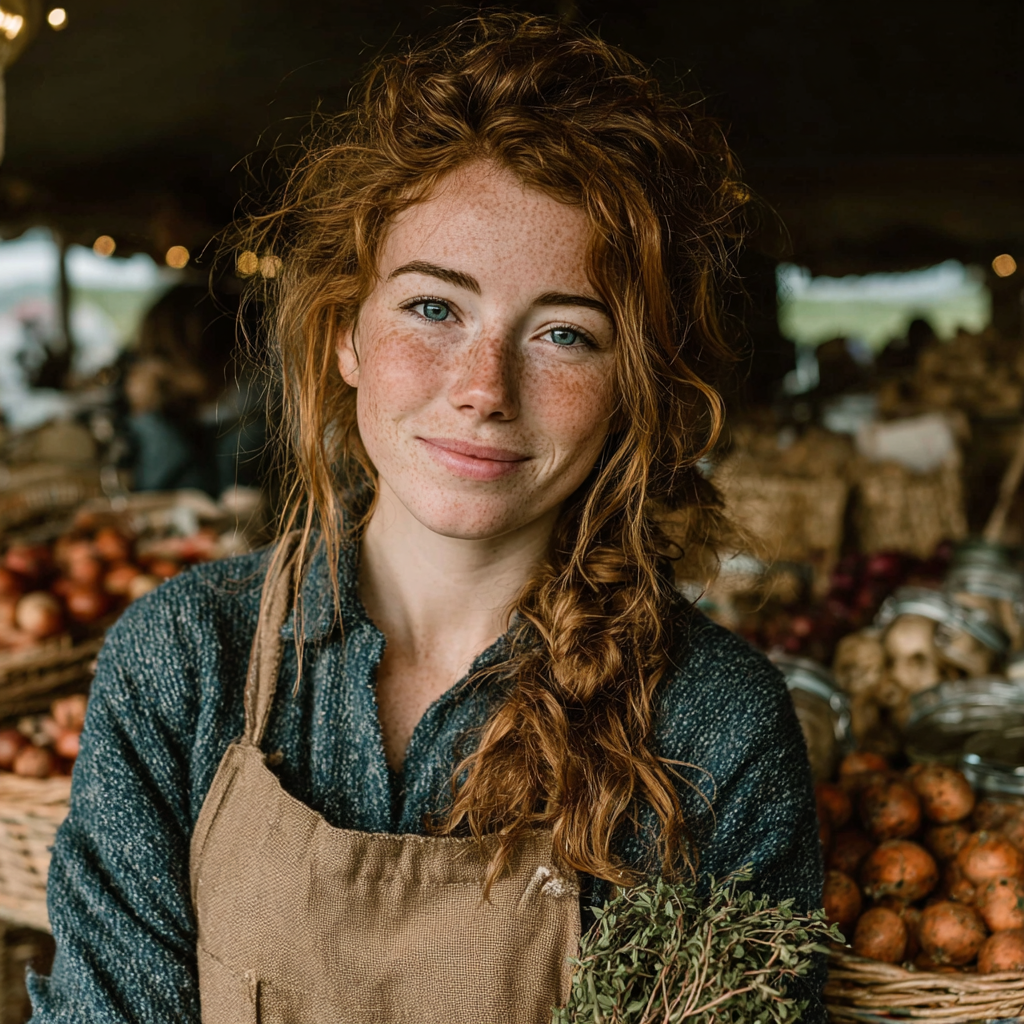
By Sophie Brennan
Irish food writer and historian based in Lisbon. Sophie combines her background in medieval history with a passion for contemporary gastronomy. She has written for Condé Nast Traveller and authored two cookbooks exploring Celtic and Iberian culinary traditions.