
Adelaide Unpacked: From Market Hall Oysters to Vineyard Lunches in Australia's Most Underrated Food City
By Sophie Brennan | Food & Drink
Most Australians will tell you Adelaide is boring. They have not been there lately. The city has quietly built one of the most interesting food scenes in the country, powered by a 155-year-old market, three wine regions within an hour's drive, and chefs who left Sydney and Melbourne for lower rents and better produce. You can eat Coffin Bay oysters at 9 a.m. in a heritage market hall, drink Barossa shiraz at a laneway wine bar by 6 p.m., and pay roughly 30 percent less than in the eastern capitals.
I have eaten my way through Adelaide's Central Market at opening time, watched chefs argue over the last box of Adelaide Hills figs, and sat through a seven-course lunch at a Barossa homestead that used to stable horses. This guide is what I wish someone had handed me before my first visit: where to eat, what to order, how much it costs, and what to skip.
The Author
Sophie Brennan writes about food and drink with a focus on the places where tradition meets ambition. She has reported from markets in Mexico City, vineyard kitchens in Portugal, and izakayas in Osaka. Adelaide surprised her. She keeps going back.
The Adelaide Central Market: Where the City Eats
Start here. The Adelaide Central Market, 44-60 Gouger Street, has operated between Grote and Gouger streets since 1869. The market opens Tuesday 7 a.m. to 5:30 p.m., Wednesday and Thursday 9 a.m. to 5:30 p.m., Friday 7 a.m. to 9 p.m., and Saturday 7 a.m. to 3 p.m. Closed Sunday and Monday. The Friday late opening is the best time to visit. The stallholders are relaxed, the cooked-food vendors are fully operational, and the crowd is a mix of office workers, pensioners, and serious home cooks.
This is not a tourist installation. It is where Adelaide residents buy their produce. The seafood stalls get deliveries from Port Lincoln and Coffin Bay six days a week. Spencer Gulf king prawns, when in season, sell for roughly $35 to $45 per kilogram. The fishmongers will clean and fillet while you wait. Take your purchases to the northern end of the market hall and eat at one of the communal tables, or walk outside to Gouger Street.
Lucia's Pizza & Spaghetti Bar, Shop 1-2 Central Western Mall, has been in the market since 1957. It is not a secret. Locals queue for the house-made gnocchi with napolitana sauce, and the wait at lunchtime can stretch to twenty minutes. The pasta is around $18 to $22. Friday is lasagne day. The deli next door makes sandwiches so popular they have their own tea towel—antipasti and cured meat-stuffed rolls that drip with extra virgin olive oil. If the line is too long, walk to Le Souk for merguez sausages and flatbread, or to The Latvian Lunchroom for pirags, soft baked pastries filled with bacon and onion.
The Smelly Cheese Shop stocks over 200 varieties including a significant South Australian selection. Ask for a taste of the Woodside Cheese Wrights brie from the Adelaide Hills. Mushroom Man sells varieties you will not find in supermarkets—lion's mane, king oyster, and seasonal wild mushrooms foraged from the Adelaide Hills.
Parking is complimentary for the first hour, then $6 per additional hour. The free City Connector bus and tram both stop nearby.
Gouger Street and Chinatown: Affordable, Authentic, Unpretentious
Gouger Street runs east from the market through Chinatown, though the food is more broadly Asian than the name suggests. This is where Adelaide's immigrant communities have opened the restaurants they wanted to eat at themselves.
Parwana Afghan Kitchen, 124B Henley Beach Road, Torrensville (about ten minutes west of the CBD), serves palaw jewelled rice and banjaan borani in a family-run dining room that has drawn international attention, including from the New York Times. The Ayubi family has been cooking here since 2009. Mains run $22 to $28. It is BYO only—the owners use the proceeds to feed the homeless. The atmosphere is convivial, the interior is colourful, and it is packed every night. If you want to try everything, order the banquet menu.
The banh mi shops along Gouger Street sell Vietnamese rolls for $8 to $11. Gin Long Canteen, 42 O'Connell Street, North Adelaide, does modern Thai and Vietnamese where mains hover around $24 to $32. YangGuoFu Malatang, newly opened in Chinatown, brings customisable hotpot to a high-energy, mezzanined space on Gouger Street.
Leigh Street and Peel Street: Where Adelaide's Young Chefs Play
The contrast with the West End is sharp. Leigh Street and Peel Street, two blocks west of the market, are where younger chefs and sommeliers have clustered since South Australia's 2013 liquor licensing reforms made small bars viable.
Osteria Oggi, 76 Pirie Street, serves handmade pasta in a basement dining room with carved concrete vaults that feels like an Italian piazza transported underground. Open daily from 11:30 a.m. to late. The cacio e pepe and rabbit ragu are the dishes people talk about. Mains are $32 to $42. The pasta is made fresh daily—oggi is Italian for "today." Book ahead. This is one of Adelaide's best date-night restaurants.
Fugazzi Bar & Dining Room, 27 Leigh Street, brings Italian-American energy with an Adelaide price tag. Open daily 11:30 a.m. to 11 p.m. Mains $28 to $38. Nigella Lawson gave it her seal of approval. The hand-picked blue swimmer crab taglierini with chilli, garlic, and salmon roe is the dish to order. The interior is plush and old-school—request a table inside rather than alfresco.
Shōbōsho, 17 Leigh Street, cooks Japanese-inflected share plates over charcoal. Expect to pay $50 to $70 per person with a couple of drinks. The eight street-level seats are perfect for yakitori skewers and whisky highballs while watching pedestrians slow down to see what the fuss is about.
Peel St Restaurant, 9 Peel Street, almost single-handedly reinvented Adelaide city dining. The blackboard menu changes constantly. Order the baba ganoush, pickled octopus toast, braised lamb shoulder, and the grilled focaccia with house butter. The vibe is quick-fire, communal, and democratic. Mid-range to high-end pricing.
Leigh Street Wine Room, 9 Leigh Street, occupies a former dry cleaner transformed into a mash-up of art gallery and wine room. European-inspired sharing plates, natural wines, and a mezzanine dining floor overlooking the bar below.
Clarity, also on Leigh Street, is smaller and more casual, with a focus on natural wines and seasonal plates. The wine list leans into South Australian producers working with minimal intervention. A plate of local cheese with condiments and a glass of wine costs around $28 to $35.
Fine Dining: Two Restaurants Worth the Splurge
For higher-end dining, Restaurant Botanic, Plane Tree Drive, inside the Adelaide Botanic Garden, won South Australia's Restaurant of the Year in 2023. Chef Jamie Musgrave builds degustation menus around produce from the surrounding 51-hectare gardens. The full tasting menu with wine pairings runs $220 to $280 per person. Book at least two weeks ahead.
Penfolds Magill Estate Restaurant, 78 Penfold Road, Magill, fifteen minutes east of the CBD, sits at the winery that produces Grange, Australia's most famous wine. The 34-seat dining room focuses on the pairing experience, with views across the city to the coast. Degustation with wine pairing sits in the same $220 to $280 range. The newly revamped Magill Estate Kitchen next door offers fish sandos and bresaola for under $20 if the full experience is too steep.
Both restaurants are cheaper than their equivalents in Sydney or Melbourne by a significant margin. The same quality of produce, the same level of service, and often the same chefs, but with South Australian rents built into the pricing.
The Wine Regions: Three Day Trips, Three Different Personalities
Adelaide's proximity to its wine regions is the other half of the story. You need a car or a tour. Adelaide's Top Food and Wine Tours runs day trips to all three regions with cellar-door visits and restaurant lunches. Self-driving is straightforward—the roads are good and the distances are short enough that you can visit the Barossa for lunch and be back in the city by late afternoon.
The Barossa Valley: Australia's Wine Cathedral
An hour north by car. Over 80 cellar doors. Most charge $10 to $20 AUD for a standard tasting, with refunds or waivers on purchase common. Premium experiences run $30 to $50 per person.
Hentley Farm, at Seppeltsfield, offers a Premier Tasting at $54 per person exploring five current-release wines, plus a multi-course fine-dining experience in a restored 1840s homestead. The four-course menu runs around $150 per person; the seven-course degustation roughly $220. Book well in advance.
Fermentasian, at Angaston, pairs Asian flavours with Barossa wines in a format that sounds like a gimmick but executes with precision. It is the Barossa's top-rated restaurant by many accounts. Booking essential.
The Barossa Farmers Market operates every Saturday morning in Angaston from 7:30 a.m. to 11:30 a.m., selling artisan cheese, small-batch charcuterie, and sourdough bread directly from the producers. Smaller and more focused than the Adelaide Central Market, with producers who have time to talk.
Rockford Wines is famous for its Basket Press Shiraz, released annually in March. The 2026 release was $92 per bottle with a three-bottle limit. The cellar door opens at 11 a.m. Arrive early.
McLaren Vale: Warm, Relaxed, Coastal
Forty-five minutes south. Warmer and more relaxed than the Barossa.
The d'Arenberg Cube, a five-storey surrealist structure, houses an 11-course degustation restaurant with vineyard views. The full experience runs $280 to $320 with wine pairing. For something less theatrical, The Salopian Inn serves wood-fired dishes and maintains a gin list of over 200 varieties. The "Feed Me" menu, at $70 or $85 per person, is substantial. The Victory Hotel at Sellicks Beach combines coastal views with local wine. The 9-kilometre Shiraz Trail connects several cellar doors for walking or cycling tastings.
The Adelaide Hills: Cool Climate, Quiet Confidence
Thirty minutes east. Cool-climate country: chardonnay, sparkling wine, and pinot noir, rather than the big shiraz of the Barossa.
The Summertown Aristologist serves seasonal degustation menus in a historic cottage. Whistle and Flute in Stirling does produce-driven dishes that change with what is available from the hills' dairy farms and orchards. The Stirling Laneways market runs on select Sundays from September to April, 9 a.m. to 3 p.m., with local food stalls mixed in among crafts and produce.
Hahndorf, Australia's oldest surviving German settlement, is twenty minutes further east. You can eat traditional German fare and drink local craft beer in a setting that feels like a Black Forest village transplanted to the southern hemisphere. It is touristy but charming.
Restaurant Aptos, 147 Mount Barker Road, Stirling, is South Australia's most anticipated opening of 2026. Chef Justin James serves a 17-course exploration of native Australian ingredients in a transformed 157-year-old church. At $495 per person for the food alone, it is very special-occasion dining—limited to fourteen guests across three levels.
The Coast: Where the City Meets the Water
Adelaide's waterfront dining is less developed than its market and laneway culture, but it is improving.
Glenelg, the beachside suburb twenty minutes west of the CBD by tram, has fish and chips shops along Jetty Road and a handful of restaurants in Moseley Square with outdoor seating. The tram to Glenelg is free within the city centre zone and costs roughly $4 to $5 from the CBD to the beach.
Henley Beach, further north along the coast, has emerged as the more interesting dining strip, with a cluster of restaurants along Henley Beach Road that serve grilled fish, prawn platters, and oysters with actual ocean views. Knead Pizzeria opened recently with hand-stretched sourdough and creative toppings.
Star of Greece, at Willunga on the Fleurieu Peninsula about fifty minutes south, is worth the drive for McLaren Vale wines paired with seafood in a building that overlooks the water from a cliff.
What to Skip
- Rundle Mall food courts: The mall is fine for shopping, but the food courts are generic and overpriced. Walk five minutes in any direction for something better.
- The Adelaide Oval tour without a meal plan: The stadium is impressive, but the food inside is stadium food. Eat before you go.
- Hahndorf at midday on a Saturday: The main street becomes a parking lot. Go early, or go for dinner when the day-trippers have left.
- Chain restaurants on North Terrace: The hotels along North Terrace host a cluster of international chains. You did not come to Adelaide to eat at a global franchise.
- The "famous" pie floater: A meat pie floating in pea soup is a local curiosity, not a culinary achievement. Try it once if you must, then move on.
- Any restaurant with a "view" as its main selling point: Adelaide's best food happens in basements, laneways, and market halls. If the view is the headline, the kitchen is usually an afterthought.
Eating Strategy and Budget
The geography is simple. The Central Market and Gouger Street handle breakfast, lunch, and casual dinner. Leigh Street and Peel Street handle dinner, drinks, and the wine-bar scene. The wine regions handle day trips and special-occasion meals.
You can eat well in Adelaide for $60 to $80 per day if you mix market lunches with mid-range dinners, or you can spend $300 per person on a single degustation with wine pairing and still pay less than you would in Sydney.
Tasting Australia, the city's major food festival, runs in autumn, typically April or May. The festival sets up an outdoor dining precinct in Victoria Square and brings producers from across the state into the city centre. If you are visiting during this period, book accommodation early. Restaurants fill up, and the festival events sell out weeks in advance. Summer brings long evenings and outdoor dining weather, though some kitchens close for January holidays. Winter is slower, but the restaurants that stay open serve heartier menus with South Australian game, root vegetables, and fortified wines.
Practical Logistics
Getting around: Adelaide's public transport is functional but not extensive. The free tram loop covers the CBD and runs every ten to fifteen minutes. For the wine regions, you need a car or a tour. Adelaide's Top Food and Wine Tours runs day trips to the Barossa, McLaren Vale, and Adelaide Hills with cellar-door visits and restaurant lunches.
Best time to visit: Autumn (March to May) for Tasting Australia and harvest season. Spring (September to November) for mild weather and the Stirling Laneways market. Summer for long evenings, though some restaurants close for January. Winter for heartier menus and fewer tourists.
Booking ahead: Restaurant Botanic, Penfolds Magill Estate, Hentley Farm, and Fermentasian all require advance bookings—two weeks for the city restaurants, longer for the Barossa fine-dining spots. Peel St Restaurant and Osteria Oggi do not take reservations for small groups at peak times; arrive early or be prepared to wait.
Final Word
Adelaide does not shout about its food scene. It does not have the international profile of Melbourne or the harbour glamour of Sydney. What it has is produce that travels minutes rather than hours from farm to kitchen, wine regions that are genuinely world-class, and a cost structure that lets chefs take risks without pricing out their customers. The result is a city where you can eat better than most visitors expect, for less than they are prepared to pay.
The young chefs who left Sydney and Melbourne for lower rents did not settle. They built something. And the market vendors who have sold seafood and cheese from the same stalls for decades are not performing authenticity—they are just doing what they have always done. That is what makes Adelaide worth visiting. Not the novelty. The consistency.
Come hungry. Leave surprised.
Sophie Brennan is a food and travel writer based between London and Lisbon. She believes the best meals happen in places where the chef is trying to prove something.
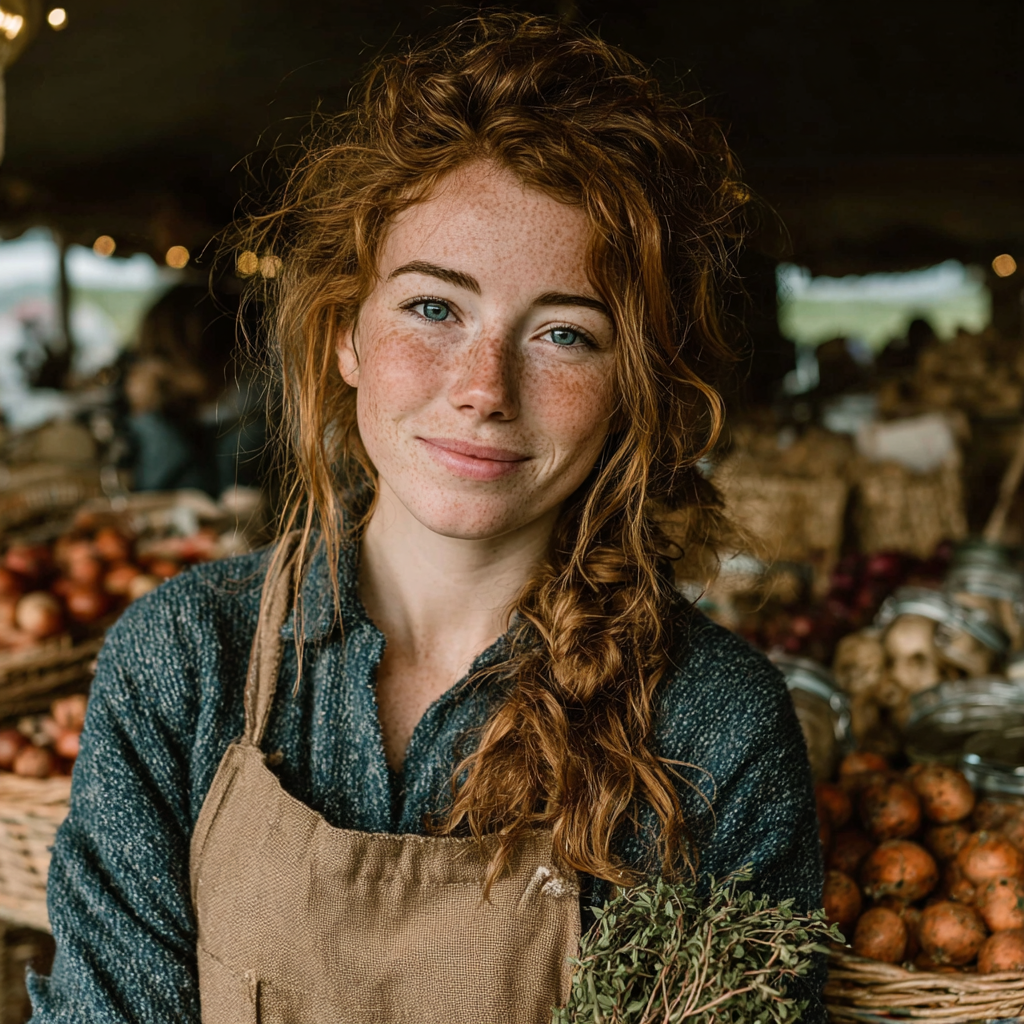
By Sophie Brennan
Irish food writer and historian based in Lisbon. Sophie combines her background in medieval history with a passion for contemporary gastronomy. She has written for Condé Nast Traveller and authored two cookbooks exploring Celtic and Iberian culinary traditions.