
Melbourne: Where Greek Grandmothers, Vietnamese Butchers, and Third-Wave Baristas Built the World's Most Obsessive Food City
Melbourne doesn't just eat well. It eats obsessively, competitively, and with the kind of tribal loyalty that would make football supporters blush. This is a city where your coffee order is a personality test, where pho broth is judged with the seriousness of wine tasting, and where an Italian nonna's pasta recipe carries more social currency than a real estate portfolio. The food scene here wasn't designed by marketing boards or tourist bureaus. It was built by immigrants who came to build a life and ended up building a cuisine.
Greater Melbourne holds the largest Greek population outside Athens, the most Italian speakers of any Australian city, and substantial Vietnamese, Chinese, Lebanese, Ethiopian, and Sri Lankan communities. That diversity isn't a promotional hashtag. It's the engine of the city's food culture. The Vietnamese butcher in Footscray isn't cooking for Instagram. The Greek bakery in Oakleigh isn't angling for a Michelin star. They're feeding their own communities, which means the standards are higher and the prices are lower than any comparable city in the developed world.
The CBD Laneways: Melbourne's Compressed Food Universe
Don't start with a restaurant. Start with a walk. The laneways between Bourke Street and Flinders Lane—Degraves, Centre Place, Hardware Lane, and the smaller alleys that branch off them—pack more serious food options per square meter than most entire neighborhoods in other cities. The graffiti, the cobblestones, the sudden blast of espresso steam from a doorway: this is Melbourne's food geography in miniature.
Degraves Espresso (23 Degraves Street, open daily 7am–4pm) serves coffee that will ruin Starbucks for you permanently. The flat white here—double ristretto, velvety microfoam, no bubbles—is the benchmark by which Melburnians judge all others. Order at the counter, wait on the cramped sidewalk among commuters and tourists, and watch the city's morning theater unfold. A flat white costs AUD $4.50. The scrambled eggs with feta and spinach on sourdough (AUD $14) is the breakfast locals eat before work.
Higher Ground (650 Little Bourke Street, open daily 7am–4pm, dinner Thu–Sat 5pm–10pm) occupies a converted 1890s power station with 15-meter ceilings, exposed brick, and a mezzanine that feels like dining in a cathedral. The ricotta hotcake—thick, caramelized at the edges, topped with seasonal berries, maple, and dollops of cream—is worth the inevitable wait. They don't take reservations for groups under six, so arrive before 9am or after 2pm. The wait on weekends can stretch to 45 minutes. Bring a book.
Hardware Lane looks touristy with its red umbrellas and competing spruikers, but the lane has substance beneath the theater. Ignore the sales pitches and head to Il Nostro Posto (121 Hardware Lane, open Mon–Sat 12pm–3pm, 5:30pm–10pm). The cacio e pepe is properly Roman—pecorino heavy, pepper-forward, no cream, no shortcuts. The pasta is made in-house every morning. A plate costs AUD $24. The wine list is all Italian, mostly under AUD $60 a bottle.
For something completely different, descend to CAU (19 AC/DC Lane, open Mon–Fri 7am–3pm, Sat–Sun 8am–4pm), a subterranean cafe in a graffiti-covered lane named after the rock band. The breakfast burger—smashed beef patty, fried egg, bacon, house-made tomato relish on a milk bun—is AUD $18 and exactly what you need after a late night. The coffee is serious, the playlist is loud, and the crowd is a mix of hospitality workers and musicians.
Lygon Street and the Italian Imperative
Melbourne's Italian food isn't an ethnic cuisine here. It's a foundational layer of the city's culture. Lygon Street in Carlton is the historic heart, and while some spots cater to tour buses, the genuine institutions remain.
Tiamo (303 Lygon Street, Carlton, open daily 11am–11pm) has been run by the same family since 1961. The interior hasn't changed in any meaningful way—red checkered tablecloths, Formica tables, black-and-white photos of Naples, the same espresso machine since 1987. The pizza is thin-crust Roman style, cooked in a wood-fired oven installed in 1972. The pasta is made fresh daily at 6am. The house wine comes in carafes and costs AUD $8 per 250ml. A full meal here—antipasti, pasta, wine, coffee—runs AUD $35-45 per person and delivers more authenticity than restaurants charging triple.
Next door, University Cafe (257 Lygon Street, open daily 7am–11pm) has been serving students and professors since 1953. The lasagna is baked in the same trays, to the same recipe, using the same béchamel technique. It's not fancy. It's not trying to be. It's AUD $16 and it tastes like the history of Melbourne's Italian community.
For modern Italian, tipico. (121 High Street, Northcote, open Wed–Sun 5:30pm–10pm) is worth the tram ride. Chef Andreas Papadakis, who worked at London's Bocca di Lupo, opened this narrow, timber-lined room in 2016. The cotechino with lentils is rich enough to require a nap afterward. The house-made charcuterie—salumi, mortadella, coppa—changes with the seasons. The natural wine list is curated by co-owner Ruby, who will spend ten minutes explaining why a skin-contact Friulano works with the bresaola. Dinner with wine runs AUD $70-90.
Pasta Adagio (120 Greville Street, Prahran, open Tue–Sun 5pm–10pm) is a tiny twelve-seat counter where the pasta is rolled by hand while you watch. The pappardelle with wild boar ragu (AUD $28) is only available when the chef finds good boar. The tiramisu is made in a tray that runs out by 8pm most nights. Book ahead. They don't do walk-ins.
Asian Melbourne: The Real Map
The Vietnamese community concentrated in Footscray and Richmond produces exceptional food at prices that seem economically impossible.
Pho Hung Vuong (7/9 Alfrieda Street, St Albans, open daily 9am–8pm) serves pho that competes with anything in Hanoi. The broth simmers from 4am, the beef is sliced to order from the whole rib hanging in the cool room, and the bill rarely exceeds AUD $15. The place is fluorescent-lit, cash-only, and packed with Vietnamese families who drive from other suburbs specifically for this broth. The pho dac biet (special beef, AUD $13) comes with tendon, tripe, and brisket. Add the homemade chili oil from the jar on the table.
In Richmond, Minh Minh (183 Victoria Street, open daily 10am–9pm) has been serving Saigon-style broken rice with grilled pork since 1995. The com tam suon bi cha—rice with pork chop, shredded pork skin, and egg meatloaf—is AUD $14 and substantial enough for two meals. The pork chop is marinated in lemongrass and garlic, then grilled over charcoal out the back. The nuoc cham (dipping sauce) is made fresh every morning. The owner, Mrs. Minh, still works the floor most days and will tell you which dishes are best today.
For Chinese food, ignore the CBD's generic "Asian fusion" spots and head to Box Hill or Glen Waverley in the eastern suburbs. These are Chinese-majority neighborhoods where restaurants serve Chinese customers, not tourists.
Dainty Sichuan (1760 Stud Road, Rowville, open daily 11am–10pm) delivers genuinely spicy food—the kind that makes you question your life choices. The mapo tofu here will clear your sinuses for a week. Order the water-boiled fish (shui zhu yu, AUD $28) and specify "authentic spicy" unless you want the dumbed-down version. The dan dan noodles (AUD $12) are properly numbing from Sichuan peppercorns. The menu is in Chinese and English. Look for the tables full of Chinese students—they know which dishes to order.
Shanghai Street (282 Little Bourke Street, open daily 11:30am–10pm) in Chinatown is an exception to the "avoid Chinatown" rule. The xiao long bao (soup dumplings, AUD $10 for eight) are made to order in the window. The pork and crab version is worth the extra AUD $3. The sheng jian bao (pan-fried buns, AUD $11) have a crispy bottom and hot soup inside. Watch your tongue.
The Middle Eastern Strip: Sydney Road, Brunswick
Sydney Road in Brunswick is Melbourne's Middle Eastern corridor, running for kilometers of Lebanese bakeries, Turkish kebab shops, Palestinian restaurants, and Persian grocery stores. The diversity here is staggering—within three blocks you can eat shawarma, manoushe, baklava, and Persian ice cream.
A1 Bakery (643–645 Sydney Road, Brunswick, open daily 7am–9pm) bakes flatbread in a wood-fired oven visible from the street. The zaatar manoushe—fresh from the oven, oily, herb-heavy, still steaming—costs AUD $4. Add a Lebanese pizza (lahm bi ajin, spicy minced lamb, tomatoes, pomegranate molasses, AUD $5) and eat at the plastic tables while watching Brunswick's endless parade of characters. The owner, Tony, has been baking here since 1992 and will give you a free piece of baklava if you order in Arabic.
For a proper restaurant meal, Rumi (132 Lygon Street, Brunswick East, open Tue–Sun 6pm–10pm) serves Lebanese food that respects tradition without being imprisoned by it. The lamb shoulder slow-cooks for 14 hours and falls apart at the touch of a fork. The fattoush uses sumac and pomegranate molasses properly. The bread is baked in-house. The wine list is Lebanese and Australian. Dinner here runs AUD $60-80 with wine. The atmosphere is warm, loud, and family-style.
Mankoushe (324 Sydney Road, Brunswick, open daily 7am–10pm) is a bakery-cafe where the manoushe is rolled and baked while you wait. The sujuk (spicy sausage) and cheese version is AUD $7 and the size of a steering wheel. The Palestinian coffee—cardamom-spiced, thick, sweet—is AUD $3 and comes with a small glass of water. The owner, Ahed, opened this place after working as a chef in Ramallah. He'll tell you about the zaatar his family sends from Jenin.
Coffee: The Religion, the Science, the Obsession
Understanding Melbourne requires understanding its coffee culture. This isn't about snobbery. It's about standards developed over decades of Italian and Greek immigration, refined by competition, and maintained by customer expectation so fierce that a bad flat white can sink a cafe.
A "flat white" is the baseline order—espresso with steamed milk, microfoam, no foam art required but often present. The milk should be velvety, not bubbly. The espresso should be visible through the milk, not buried under it. The temperature should be drinkable immediately, not scalding. These are non-negotiables.
Market Lane (various locations, including Therry Street in the CBD, open Mon–Fri 7am–4pm, Sat–Sun 8am–4pm) roasts their own beans and trains baristas with the rigor of a trade school. Their Therry Street location is tiny—four seats, standing room only—but the coffee is precise. Order a filter (AUD $5) if you want to taste the bean's origin character. The staff will tell you about the Ethiopian Yirgacheffe they're brewing this week and why the natural process gives it blueberry notes.
Seven Seeds (114 Berkeley Street, Carlton, open daily 7am–4pm) occupies a converted warehouse with communal tables, serious brewing equipment, and a roasting machine visible through glass. They source beans directly from producers in Ethiopia, Colombia, and Guatemala, and roast in-house. A pour-over here takes five minutes and costs AUD $5.50. It's worth it. The staff are knowledgeable without being condescending. Ask questions. They want to talk about it.
Axil Coffee Roasters (322 Burwood Road, Hawthorn, open daily 7am–4pm) is where industry professionals drink. The barista training program here is legendary. The house blend—"The Hybrid"—is a balance of Ethiopian and Colombian beans that works equally well as espresso and filter. The food menu is serious too. The smashed avocado with pickled fennel and poached eggs (AUD $18) is a cut above the standard cafe offering.
For a completely different experience, Patricia Coffee Brewers (493 Little Bourke Street, open Mon–Fri 7am–4pm, Sat 8am–4pm) is a standing-room-only bar where the baristas work in silence and the coffee is consistently among the best in the city. No seats. No food. Just coffee. The house blend changes seasonally. A flat white is AUD $4.20. The queue often stretches out the door.
Markets: Where the City Actually Shops
Queen Victoria Market (corner Elizabeth Street and Victoria Street, open Tue–Thu 6am–2pm, Fri 6am–5pm, Sat–Sun 6am–3pm) has operated since 1878 and remains the city's food heart. The meat hall opens at 6am and sells cuts you won't find in supermarkets—lamb necks for braising, beef cheeks, whole rabbits, goat. The deli section stocks cheeses from across Europe and Australia, olives from Greek family recipes, and smallgoods made on-site. The dairy hall has fresh ricotta, haloumi, and feta from producers who have been here for decades.
The night market runs Wednesday evenings in summer (November–March, 5pm–10pm) and transforms the space into an outdoor food festival with live music, global street food, and a crowd that mixes students, families, and tourists. Go hungry, bring cash, and expect crowds. The charcoal-grilled skewers from the Turkish stall are AUD $8. The fresh sugarcane juice is AUD $5. The atmosphere is chaotic, loud, and perfect.
South Melbourne Market (corner Coventry and Cecil Streets, open Wed–Sat 8am–4pm, Sun 8am–4pm, plus Fri evening 5pm–10pm) is smaller and more upscale. The dim sims at the South Melbourne Market Dim Sims stall have achieved cult status—football-sized dumplings, steamed or fried, filled with pork and cabbage. They've been made to the same recipe since 1949. A bag of four is AUD $6. The line is always long and always worth it.
Prahran Market (163 Commercial Road, open Tue–Sat 7am–5pm, Sun 10am–3pm) is the chef's market. The seafood stalls have whole fish, unusual shellfish, and sashimi-grade tuna. The butcher stalls break down whole carcasses. The produce is the best in the city. It's expensive, but it's where serious home cooks and restaurant chefs shop. The market cafe, Market Lane, serves coffee that rivals their flagship.
Modern Australian: The Cuisine That Couldn't Exist Anywhere Else
"Modern Australian" cuisine emerged in the 1990s when chefs started combining European techniques with Asian flavors using native ingredients—kangaroo, wallaby, finger lime, lemon myrtle, wattleseed. The result is a distinct cuisine that reflects the country's geography and immigration history.
Attica (74 Glen Eira Road, Ripponlea, open Thu–Sat dinner, bookings essential months ahead) is the most famous example—Ben Shewry's tasting menu restaurant consistently ranked among the world's best. Dinner is AUD $310 and requires booking months ahead through their website. The experience includes dishes like "Potato cooked in the earth it was grown in" and "Marron, fermented shrimp paste, desert lime." This is special-occasion dining. The restaurant only seats 40. The wine pairing is an additional AUD $180.
More accessible is Cumulus Inc. (45 Flinders Lane, open daily 7am–11pm), Andrew McConnell's all-day restaurant in a converted factory. The menu shifts constantly, but staples include the whole roasted cauliflower with almond cream and harissa (AUD $32), and the roast lamb shoulder for two (AUD $78). Lunch costs AUD $40-50, dinner AUD $70-90. The wine list is natural and interesting. The atmosphere is bustling, noisy, and unpretentious.
For a mid-range option, Etta (60 Lygon Street, Brunswick East, open Wed–Sun 5:30pm–10pm) serves seasonal food with minimal intervention. The menu might include raw tuna with fermented tomato, or grilled quail with fig leaf and native pepperberry. Everything is designed for sharing. The wine list is all-natural and the staff know it intimately. Dinner runs AUD $50-70. The room is small—book a week ahead.
The Neighborhoods: Where to Eat, When to Go
Fitzroy (north of the CBD) is Melbourne's bohemian heart. Brunswick Street and Smith Street offer dense concentrations of bars, restaurants, and live music venues.
Babka (358 Brunswick Street, open daily 7am–5pm) bakes Eastern European pastries—poppy seed cakes, sour cherry strudel, proper babka with chocolate and cinnamon. They've been here since 2001 and haven't changed their recipes. The babka is AUD $6 a slice. The sour cream cheesecake is AUD $8. The coffee is surprisingly good. The owner, Inna, is from Minsk and still bakes every morning.
Smith & Daughters (175 Brunswick Street, open Wed–Sun 5pm–10pm) proves that vegan food doesn't have to be penance. The "fish" and chips uses battered banana blossom that mimics cod's texture disturbingly well. The paella feeds four and tastes of saffron and smoked paprika, not compromise. The cocktails are excellent. The atmosphere is loud, fun, and crowded. Book ahead.
Prahran (south of the river) centers on Chapel Street, where fashion boutiques give way to serious food. Greville Street, just off Chapel, is where the good restaurants cluster.
Hawksmoor (425 Bourke Street, also near Prahran, open Mon–Sat 12pm–3pm, 5:30pm–11pm, Sun 5:30pm–10pm) is a British steakhouse import that sources Australian beef and dry-ages it properly. The sirloin on the bone feeds two and costs AUD $110. Sides include triple-cooked chips and macaroni cheese that could be a meal itself. The cocktails are classic and strong. The room is dark, leather, and London-influenced.
Drinks and Nightlife: The Other Half of the Story
A food and drink guide to Melbourne must include drinks, because this city drinks as seriously as it eats. The bar scene is inventive, rigorous, and deeply local.
The Everleigh (150-152 Gertrude Street, Fitzroy, open daily 5pm–1am) is a cocktail bar that operates with the precision of a chemistry lab. The bartenders wear white jackets. The menu is organized by spirit and flavor profile. The "Everleigh Martini" is gin, vermouth, and orange bitters, stirred for exactly forty seconds. The room is Art Deco, the lighting is low, and the crowd is a mix of hospitality workers and regulars who know the menu by heart. Cocktails are AUD $22-26.
Above the Everleigh, Leonard's House of Love (above The Everleigh, same hours) is a dive bar with a rooftop that serves natural wine and cheap beer. The contrast is intentional. The fried chicken is AUD $12 and excellent. The crowd is younger, louder, and more chaotic. The rooftop is packed on summer evenings.
The Napier Hotel (210 Napier Street, Fitzroy, open daily 11am–11pm) is a pub that has been here since 1866. The front bar is unchanged—carpeted, dim, with framed photos of Fitzroy football teams from the 1970s. The beer garden out back is where you want to be. The kitchen serves a "parma" (chicken parmigiana, AUD $22) that is the size of a dinner plate and comes with chips and salad. This is Melbourne pub culture, unchanged and unpretentious.
What to Skip
The restaurants on the Yarra River promenade look appealing with their views, but most serve overpriced, mediocre food to captive tourists. Walk along the river, take the photos, then eat elsewhere. The same applies to the docklands area—new, shiny, and largely devoid of good food.
Chinatown (Little Bourke Street) has some gems but many more tourist traps. The restaurants with staff waving menus at passersby are rarely the good ones. Look for places full of Chinese customers instead. The "all you can eat" dumpling places are to be avoided—the quality is low and the experience is depressing.
Anywhere describing itself as "modern Asian fusion" without specifying a cuisine is usually code for "vague pan-Asian dishes adapted to perceived Western palates." Melbourne has too much specific, excellent Asian food to waste meals on generalizations. The same applies to "Australian cuisine" restaurants that serve generic grilled meat with native ingredients as garnish rather than core flavor.
The "best of" lists in airport magazines and hotel brochures are almost always outdated and often paid placements. Trust local recommendations, not awards.
Practical Logistics
Most restaurants in Melbourne operate on a no-reservations policy for small groups, especially at breakfast and lunch. Arrive early or expect to wait. The queuing culture is civilized—put your name down, grab coffee nearby, they'll text when your table is ready. Some places use apps like TableCheck or Resy. Download them before you arrive.
Tipping is not mandatory. Australian wages mean staff earn living wages without tips. Rounding up or leaving 10% for exceptional service is appreciated but never expected. Don't tip at cafes. Don't tip for counter service. At restaurants, 10% is generous.
Public transport covers the city efficiently. Trams in the CBD are free (the "Free Tram Zone"). For outer neighborhoods like Footscray or Box Hill, take the train—fast, frequent, and AUD $4.60 for a two-hour ticket with a Myki card. Buy a Myki at any station or 7-Eleven. The tram to Northcote or Brunswick runs every 10 minutes and takes 20 minutes from the CBD.
The city's food scene operates late. Many restaurants serve until 10pm or later. Bars with food—called "pubs"—often serve substantial meals until midnight. The legal drinking age is 18. Last call is typically 1am in the city, though some venues have 3am licenses.
If you're driving, parking in the CBD is expensive (AUD $20-40 per day) and limited. Use public transport. In the suburbs, street parking is generally free after 6pm and on Sundays.
Final Advice
Melbourne rewards curiosity and punishes rigid planning. The best meals often happen when you turn down an unfamiliar laneway or follow a crowd into an unmarked doorway. Talk to people—Melburnians love discussing food and will offer recommendations unprompted. The barista at your hotel probably knows the best pho in the city. The tram driver might tell you about a bakery that isn't on any map.
Start with coffee. Work through the neighborhoods. Save Attica for your last night. And bring comfortable shoes—you'll be walking more than you expect. The city is flat, the streets are grid-like, and the discoveries are endless. Don't try to eat everywhere. Pick a neighborhood and eat your way through it. Then pick another. Melbourne isn't a checklist. It's an accumulation of small, perfect moments—a flat white at dawn, a bowl of pho at midnight, a conversation with a stranger about where to find the best babka.
That's the city. That's the food. That's the obsession.
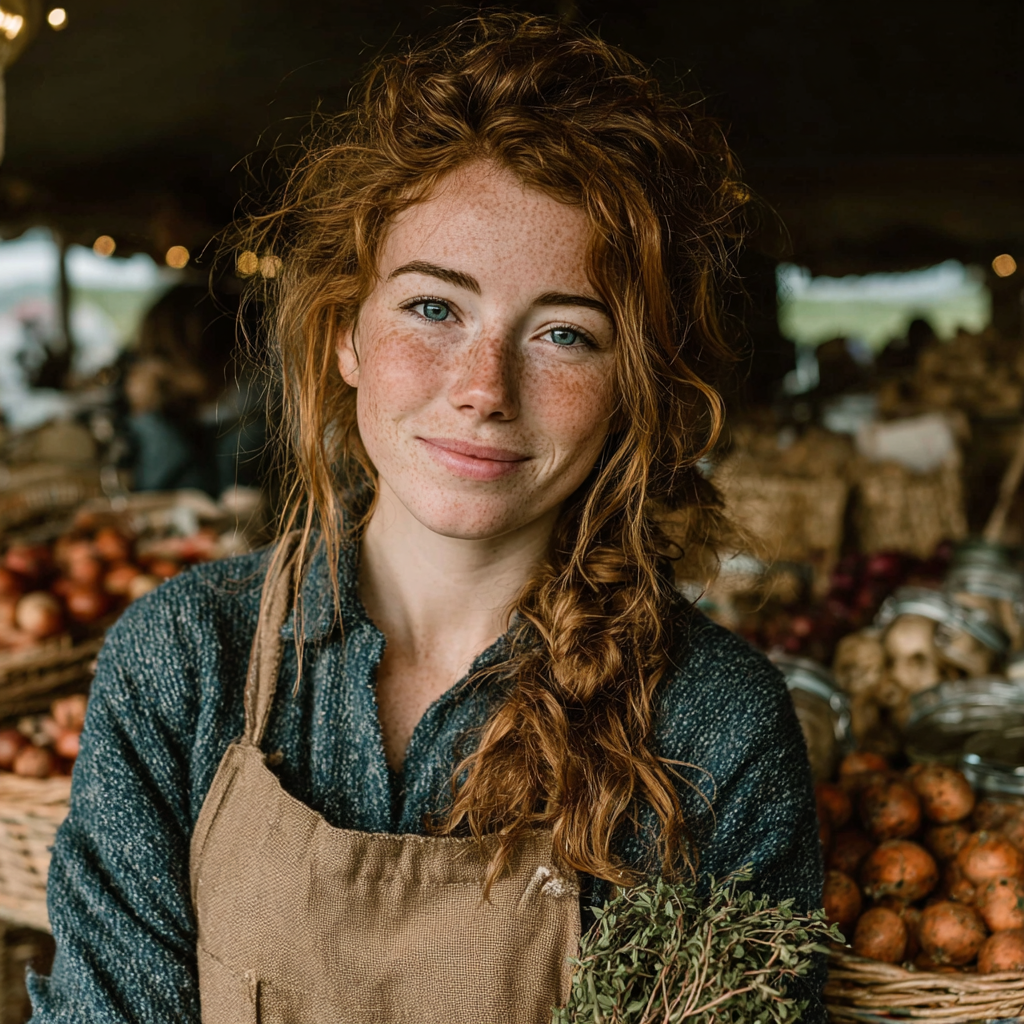
By Sophie Brennan
Irish food writer and historian based in Lisbon. Sophie combines her background in medieval history with a passion for contemporary gastronomy. She has written for Condé Nast Traveller and authored two cookbooks exploring Celtic and Iberian culinary traditions.