
Melbourne doesn't apologize for taking breakfast this seriously. It's 7 AM on a Tuesday at a laneway café the size of a shipping container, and the barista is explaining—unprompted, for ninety seconds—the difference between two Ethiopian single origins. Nobody in line rolls their eyes. A woman in gym clothes nods like she's receiving critical intel. This is normal here. This is the city that turned "going for a coffee" into a competitive sport, then quietly built one of the world's great food cities around it while Sydney was busy with its harbor views.
What makes Melbourne different isn't just quality—it's the velocity of cultural memory. Greek grandmothers who arrived in the 1950s still shop at the same Victoria Street markets their yiayias did. Vietnamese families who fled in the 1970s built Richmond's pho empire. Ethiopian cab drivers opened coffee ceremonies in Footscray. Italian post-war migrants built Lygon Street from nothing. Each wave didn't assimilate; it colonized new turf and kept cooking. The result is a city where you can eat a $5 banh mi that rivals anything in Hanoi, then drop $385 on a tasting menu that reimagines what Australian cuisine even means—sometimes within the same afternoon.
The Coffee: Where Worship Happens Daily
Melbourne's coffee culture isn't marketing. It's pathology.
The obsession traces to Italian immigrants post-WWII, who brought espresso machines when the rest of Australia was still drinking instant. By the 1990s, third-wave roasters had turned the ritual into artisanal madness. Today, the city runs on flat whites—silky micro-foam over double ristretto shots, around $5 in 2026—and judges visitors by their orders.
Start at Degraves Espresso (23 Degraves Street, CBD, open daily 7 AM–4 PM). This laneway institution squeezes maybe twenty people into a corridor between graffiti-covered walls, and somehow the tight space makes the coffee taste better. Order a flat white. Watch the theater.
Then walk eight minutes to Proud Mary (800 Oxford Street, Collingwood). This is where coffee becomes philosophy. The menu reads like a wine list—single origins from Ethiopia's Guji Zone, Colombian micro-lots, Panama Geisha that'll run you $30 a cup if you're feeling extravagant. The baristas compete in international competitions. They take it personally. That's not pretension; that's love.
For pastry, Lune (CBD location on Russell Street or Fitzroy on Rose Street) has been called the world's best croissanterie by people who track such things. The line forms at 7 AM. The almond croissants sell out by 9. The space-age interior looks like a Wes Anderson set. Yes, it's $8 for a croissant. Yes, it's worth it.
Practical ritual: Melbourne cafés close kitchen service by 3 PM. Breakfast happens 7–11:30 AM. If you roll up at 2 PM expecting eggs, you'll find a polite shrug and maybe a stale muffin. Plan mornings like military campaigns.
The Markets: Where the City Actually Shops
Skip the tourist brochures. Melbourne's soul lives in its markets, where the city's immigration waves still crash ashore daily.
Queen Victoria Market
The largest open-air market in the Southern Hemisphere, running since 1878. This isn't a sanitized food hall—it's a working market where half of Melbourne still buys produce.
Hours (2026): Tuesday & Thursday 6 AM–3 PM, Friday 6 AM–5 PM, Saturday 6 AM–3 PM, Sunday 9 AM–4 PM. Closed Monday and Wednesday (daytime).
The food strategy: Hit the Deli Hall first. Sample everything. The cheese mongers, the salumi counters, the borek shop run by a Turkish family that's been here forty years. Get a hot jam doughnut from the American Doughnut Kitchen cart (they've been frying these since 1950; $2.50 each, still). Grab a borek ($5–7), some olives, a wheel of Tasmanian brie. Then wander the produce sheds and watch the theater—Italian nonnas squeezing mangoes, African aunties bargaining over plantains, university students buying $3 avocados.
Night Market: The market transforms every Wednesday evening, 5–10 PM, year-round in rotation—Summer Night Market (November–March) and Winter Night Market (June–September, 2026 season ran June 3–August 26 with bonus nights September 2 & 9). Free entry. Street food from fifty-plus vendors, fire pits, silent discos, mulled wine in winter, spritzes in summer. This is where Melbourne actually hangs out, not the casino.
Tours: Book the ultimate food tour (roughly $50–60, 90 minutes) through the market's official site if you want trader access and historical context.
South Melbourne Market
If Queen Vic feels too touristy, cross the river to South Melbourne (322–326 Coventry Street, open Wednesday, Friday–Sunday). This is where locals shop. The fishmongers here supply half the city's restaurants. The South Melbourne Market Dim Sims cart—four generations deep, since 1949—sells the original Melbourne dim sim. Not Chinese. Not quite Australian. Just Melbourne.
Dandenong Market
For the full immigrant experience, take the train to Dandenong (Cleeland Street, open Tuesday–Sunday). Afghan kebabs, Indian spices, African groceries—the market serves Melbourne's newest arrivals with the same chaotic energy Lygon Street served the Italians in 1965.
Pro tip: Visit the Immigration Museum (400 Flinders Street, admission roughly $20–22 adult, children under 16 free) before hitting the markets. It's housed in the old Customs House, where every post-war immigrant was processed. Suddenly the Vietnamese butcher on Victoria Street isn't just a vendor—he's the endpoint of a fifty-year story.
Chinatown: The Oldest and the Boldest
Melbourne's Chinatown, established 1851 during the gold rush, is the oldest continuous Chinese settlement in the Western world. It's also, somehow, still evolving.
The action centers on Little Bourke Street between Swanston and Exhibition Streets. The neon signs crowd the sky. The dumpling houses stack vertically—basement, ground floor, second floor, all packed.
Shanghai Village (112 Little Bourke Street) still does handmade dumplings that cost less than a coffee. HuTong (entrance at 14–16 Market Lane) does Xiao Long Bao that require technique—bite the top, sip the soup, then eat. Dainty Sichuan (upstairs at 2/176 Toorak Road if you're in South Yarra, or the CBD original on Little Bourke) will numb your face with proper málà peppercorns.
But Chinatown in 2026 isn't just cheap dumplings. Flower Drum (17 Market Lane)—Melbourne's forty-year Cantonese institution—was named 2026 Restaurant of the Year by the Good Food Guide. This is silver-service Cantonese: Peking duck carved tableside, abalone if you're feeling flush, a wine list that rivals fine French houses. Budget $100–150 per person, book well ahead.
Late night secret: After 10 PM, the basement supper clubs and karaoke-adjacent kitchens on Little Bourke serve congee and claypot rice to chefs coming off shifts. If you see a kitchen worker eating somewhere at midnight, that's your spot.
Lygon Street: The Italian Question
Carlton's Lygon Street is where Melbourne learned to eat out. In the 1950s, espresso machines and pizzerias appeared here for the first time in Australia. The street became shorthand for Italian-Australian culture—loud, generous, red-checkered.
It's changed. The new wave of pasta bars charges $28 for cacio e pepe. Some of the old guard became tourist traps with photo menus and "specials boards" aimed at foot traffic, not flavor. The strip between Faraday and Elgin streets requires navigation.
Go where the nonnas go:
Tiamo (303 Lygon Street, open daily from 7 AM)—paper tablecloths, veal schnitzel the size of a dinner plate ($26), waiters who've worked here longer than you've been alive. This is the Lygon Street of 1975, preserved in amber.
DOC Pizza and Mozzarella Bar (295 Drummond Street, off the main drag)—serious Neapolitan pizza, imported buffalo mozzarella, natural wine. The margherita ($20) is the benchmark.
Papa Gino's (241 Lygon Street)—forty years of chicken parma, $24, BYO Monday and Tuesday. No website, no reservations, no attitude.
Capitano (421 Rathdowne Street)—the new guard doing Italian-American nostalgia: pasta alla vodka, thick-crust pizza, Negronis with house-made vermouth.
The real magic: Lygon Street isn't about the famous names. It's about the Readings bookshop (309 Lygon) next to the gelaterias. It's about watching old men argue about soccer over macchiatos at 10 AM. It's about the fact that you can still get a proper cannoli here that tastes like someone's nonna is in the kitchen, because she is.
Fitzroy: Where Food Meets Attitude
Cross Alexandra Parade into Fitzroy and the temperature drops five degrees. This is where Melbourne's creative class migrated when the CBD got expensive—where tattooed chefs opened natural wine bars in former butcher shops and vegan bakeries next to Vietnamese pork roll joints.
Brunswick Street runs the gauntlet from grungy to gentrified. Smith Street in neighboring Collingwood is grittier, hungrier, more interesting.
Start at the Vegie Bar (380 Brunswick Street)—Melbourne's decades-old vegetarian institution that somehow still feels rebellious. The miso eggplant has converted dedicated carnivores since the 1990s. Mains run $18–26.
For dinner, book ahead at Smith & Daughters or its sibling Smith & Sisters (both on Smith Street, Collingwood)—vegan cooking so inventive it made the city's top restaurant lists. Chef Shannon Martinez builds flavors that don't apologize for lacking butter. Around $30–40 mains.
Gerald's Bar is back—the beloved Carlton North wine bar closed its original home in October 2025 and reopened in early 2026 in a new Lygon Street site (check geraldsbarmelbourne socials for the current address). It's still the platonic ideal of a neighborhood wine bar: loud, friendly, small plates, and a list that roams from Jura to the Yarra Valley.
For the full Fitzroy experience: Grab a banh mi ($10.50–11 in 2026, up from the $8.50 days but still a steal) from the Vietnamese bakeries on Brunswick Street, then walk it off in the Rose Street Artists' Market (weekends, 11 AM–5 PM) where local makers sell ceramics, prints, and jewelry.
Gertrude Street is the design district—boutiques, galleries, and Movida (9 Gertrude Street, though the original is at 1 Hosier Lane in the city). The Movida group defined Melbourne's Spanish obsession: chorizo, anchovies, vermouth. Order standing at the bar. Small plates run $10–20.
The Fine Dining Endgame
Melbourne doesn't do fine dining like Paris. There's no white-glove stiffness, no hushed reverence. The city's best restaurants feel like extensions of their neighborhoods—until the food arrives and you realize you're eating at the highest level in the Southern Hemisphere.
Attica: The Legend
74 Glen Eira Road, Ripponlea (not the CBD—take the Sandringham line train or tram 67 from the city, about 25 minutes).
Ben Shewry's temple of native Australian ingredients turned twenty in 2025, and the tasting menu now runs $385 per person (up from $310; Shewry's 2024 memoir Uses for Obsession traces the obsessive journey). The menu reads like botany class: saltbush, finger lime, wattleseed, crocodile, emu. In 2025 Shewry announced he no longer consents to reviews—he cooks for diners, not critics now.
Booking: Releases three months ahead. Set an alarm. This is the hardest table in Australia.
Vue de Monde: The View and the Vision
Level 55, Rialto Towers, 525 Collins Street, CBD.
Melbourne's most famous dining room, three hats, and a tasting menu now at $380 per person under chef Hugh Allen (ex-Noma). Yes, that's real money. But where else do you eat kangaroo tartare while watching the sun set over Port Phillip Bay? Open Wednesday–Sunday for dinner, Friday–Sunday for lunch. Book 4–6 weeks out for weekends.
The Other Contenders
Minamishima (4 Lord Street, Richmond)—omakase sushi that's arguably Australia's finest Japanese. Three hats. Around $330 per person. Book weeks ahead.
Kisumé (175 Flinders Lane, CBD)—sushi temple in a subterranean space. Slightly less expensive than Minamishima, equally precise.
Amaru (1121 High Street, Armadale)—two hats, 19/20 in the 2026 Good Food Guide. Quiet, residential, devastatingly good.
Flower Drum (see Chinatown above)—the 2026 Restaurant of the Year. If you want special-occasion dining without the full tasting-menu commitment, this is your move.
The Casual Icons: Where Melbourne Actually Eats
Cumulus Inc
45 Flinders Lane, CBD.
Andrew McConnell's all-day institution, holding down the same corner for nearly two decades. The menu shifts constantly, but the roasted cauliflower and the house-cured ocean trout are fixtures. Breakfast here—shakshuka, gravadlax, flat whites—feels like being inducted into Melbourne society. Mains $30–45.
Chin Chin
125 Flinders Lane, CBD.
The loudest, busiest, most fun restaurant in Melbourne. Southeast Asian flavors turned up to eleven—kingfish sashimi with lime and coconut, massaman curry, banana roti. No bookings for small groups; show up at 5 PM or prepare to wait with a cocktail at Go Go Bar downstairs. Around $65 per person with drinks, more if you get ambitious.
Maha
21 Bond Street, CBD.
Shane Delia's Middle Eastern fine dining. The lamb shoulder is famous. The room is sexy. The flavors are Moroccan, Turkish, and Lebanese filtered through Australian produce. Tasting menus run well north of $100; à la carte available.
Pellegrini's Espresso Bar
66 Bourke Street, CBD.
Since 1954. No reservations, no menu changes, no apologies. Spaghetti bolognese, watermelon granita, espresso standing at the counter. This is a time capsule, and it's sacred.
The Bar Scene
Melbourne's bar culture matches its coffee obsession. The Black Pearl (304 Brunswick Street, Fitzroy) is the cocktail standard-bearer. Embla (122 Russell Street, CBD) does natural wine and small plates in a blond-wood room. Heartbreaker (234A Russell Street) is the dive bar of record—jukebox, pool table, no regrets.
Day Trips: When the City Isn't Enough
The Yarra Valley
An hour northeast by car (or tour bus), this is where Melbourne drinks on weekends. Domaine Chandon and De Bortoli do tastings; Four Pillars gin distillery revolutionized Australian gin. The Yarra Valley Dairy and Yering Station winery restaurant complete the circuit. Tours run $120–180 including tastings. Drive yourself if you can—designated driver rotates.
Daylesford
Ninety minutes northwest, Daylesford is Melbourne's wellness escape—mineral springs, massage, and the Lake House restaurant, which alone justifies the trip. Country Victoria's produce (truffles, mushrooms, game) shows up on the plate. Book lunch weeks ahead.
The Macedon Ranges
For wine without the tour buses. Mount Macedon Winery and the village of Woodend offer serious cool-climate pinot noir and quiet country pubs.
Logistics: Getting Fed Without Getting Lost
The Airport Question
Melbourne Airport (MEL) to CBD: The SkyBus runs 24/7 to Southern Cross Station, about $25 one-way. Uber runs $60–80 depending on surge. There's no train to the airport (the rail link keeps being promised). If you're staying in the CBD, SkyBus is fine. If you're two people with luggage, split an Uber.
The Myki Revolution (2026)
This is the biggest change since the last update. Melbourne has finally joined the 21st century.
As of mid-2026, contactless tap-and-go payment is live across the entire network—all trains, all trams, and (as of July 26, 2026) all buses. Tap a Visa or Mastercard credit/debit card or linked phone/watch on and off. No more hunting for Myki top-ups.
Critical details:
- Contactless charges full adult fares only. Concession cardholders must still use Myki (concession contactless arrives 2027).
- Amex is not yet supported (Visa/Mastercard only).
- Myki still works if you prefer it ($6 card fee, top up at stations).
- Free Tram Zone still covers the entire CBD and Docklands—don't tap on inside it, or you'll get charged.
- Half-price fares statewide run from June 1, 2026 through January 1, 2027: daily cap Zones 1+2 is $5.70 (normally $11.40), weekend cap $4.00 (normally $8.00).
- Under-18s ride free from January 1, 2026 with a Youth Myki.
The PTV app remains essential for planning trams and trains.
Tipping and Tax
Tipping isn't obligatory (staff earn living wages), but 10% for exceptional service is appreciated. All menu prices include GST and a 10% weekend/public holiday surcharge is common at cafés—check the menu footer before you clutch your pearls.
Timing Your Hunger
Melbourne eats early by European standards. Kitchens often close 9:30–10 PM. Sunday and Monday nights are quiet—many restaurants close entirely. Book Friday and Saturday dinners a week ahead for popular spots.
When to Come
March: The Melbourne Food and Wine Festival takes over the city, and autumn produce (truffles, wild mushrooms) hits menus. This is the foodie's sweet spot.
October–November: Spring racing carnival, warmer nights for the Night Market, and the city emerging from winter hibernation.
January: Australian Open tennis brings international energy and pop-up food events, though it's peak tourist season and expensive.
Avoid: June–August if you hate rain (though the Winter Night Market and cozy wine bars make a strong case otherwise). December 26–January 2 when half the city shuts down.
The Honest Math
Budget day: $60–80. Banh mi and market grazing for lunch ($15), coffee x2 ($10), casual dinner at a pub or Vietnamese joint ($30), tram rides ($5.70 daily cap or free in the CBD). Staying in a hostel? You're golden.
Mid-range day: $150–250. Brunch at a serious café ($30), market shopping plus a nice dinner ($100–120 for two courses and wine), Attica lunch sitting if you booked ahead (that's a blowout).
Luxury day: $500+. Attica ($385) or Vue de Monde ($380) with wine pairing ($150–200), Uber everywhere, cocktails at Black Pearl after. You'll remember it forever.
Accommodation: CBD hostels $40–60. Mid-range hotels $150–250. Boutique options in Fitzroy or the CBD $250–400. Prices spike during Australian Open, Grand Prix (March), and spring racing (November).
What to Skip
The overrated: Chin Chin at 8 PM on a Saturday. The food is excellent; the two-hour wait is not. Go at 5 PM opening or 3:30 PM for lunch.
The tourist trap: Lygon Street's photo-menu strip. If the restaurant has a tout outside and laminated pictures of pizza, walk two blocks to Drummond or Rathdowne streets for the real Carlton.
The overpriced: Pre-made "gourmet" sandwiches at CBD convenience stores. You're in the city that invented the café. Walk five minutes to a proper one.
The underwhelming: Dinner river cruises and Skydeck dining packages. Mediocre food with a view. Eat properly, then ride the free tram or visit a rooftop bar for the panorama.
The unnecessary: SkyBus round-trip if you're staying outside the CBD. It only goes to Southern Cross. If you're in Fitzroy or Richmond, you're looking at a second taxi anyway—just Uber from the airport.
The mistake: Assuming every café serves all day. Kitchens close at 3 PM. The city runs on breakfast and lunch; plan accordingly or you'll end up at a pub eating sad nachos.
Melbourne rewards the curious and punishes the rigid. The best meal of your trip won't be the one you booked three months ago—it'll be the dumpling house you stumble into at 11 PM, the coffee window you find because the line looked interesting, the wine bar where the bartender becomes your best friend by the second glass. Come hungry. Stay flexible. And for god's sake, learn what a flat white is before you order.
Sophie Brennan is a food and travel writer who has eaten her way through forty countries and still judges them all against a Melbourne flat white. She believes the best restaurants are the ones where the staff eat, and that breakfast is the most important meal of the day—twice, if possible.
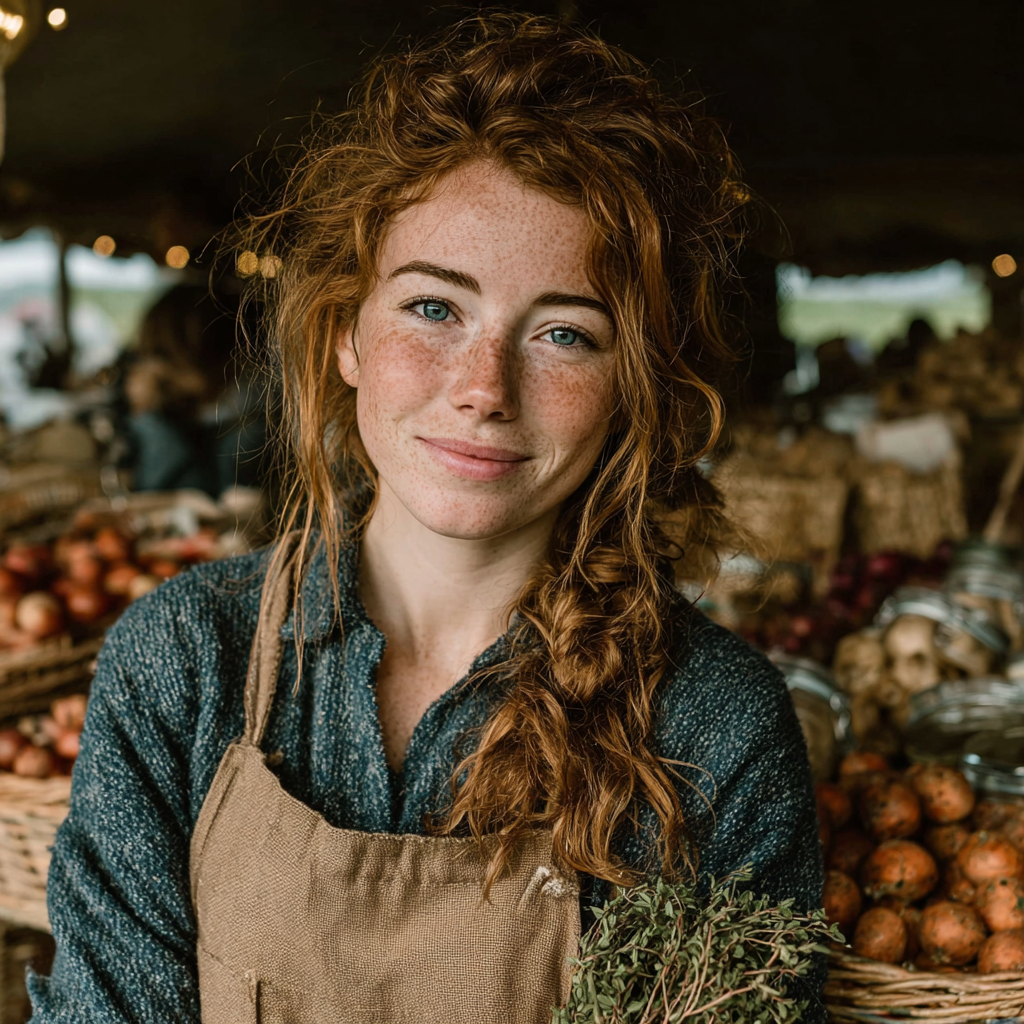
By Sophie Brennan
Irish food writer and historian based in Lisbon. Sophie combines her background in medieval history with a passion for contemporary gastronomy. She has written for Condé Nast Traveller and authored two cookbooks exploring Celtic and Iberian culinary traditions.