
Brisbane: The River City Where a 50-Cent Ferry Ride Outclasses Every Harbour Cruise
Brisbane has spent most of its life in the shadow of its southern siblings. Melbourne got the culture, Sydney got the harbour, and Brisbane got... what, exactly? Humidity and a reputation for being boring. This is unfair. Australia's third-largest city has undergone a transformation that would have been unthinkable thirty years ago, and the result is one of the most livable and quietly interesting cities on the continent.
The first thing to understand about Brisbane is the river. The Brisbane River is not picturesque in the way of the Yarra or the Seine. It is brown, tidal, and full of bull sharks. But it defines the city. The original indigenous name, Meeanjin, means "place shaped like a spike," referring to the sharp bend in the river where the city centre now sits. The Turrbal and Jagera people lived here for thousands of years before European settlement, and their presence remains tangible at sites like the Aboriginal history trails in the City Botanic Gardens (Alice Street, open 24 hours, free) and the contemporary First Nations art at the Queensland Art Gallery (Stanley Place, South Bank, 10am-5pm daily, free).
European Brisbane began as a penal colony in 1824, a secondary punishment site for convicts who committed further crimes in Sydney. The early settlement was brutal: malaria, dysentery, and conflict with indigenous populations killed hundreds. You can see this grim origin at the Commissariat Store on 115 William Street, the oldest occupied building in Queensland, built by convict labour in 1829. The stone walls are two feet thick. The building now houses a small museum (entry $10 adults, $5 children, open 10am-4pm Tuesday-Saturday) where you can examine the leg irons and punishment records. It is the best starting point for understanding what Brisbane was before it became what it is.
Brisbane's transformation from penal outpost to prosperous capital happened fast. The 1859 separation of Queensland from New South Wales made Brisbane a colonial capital, and the wealth from sheep, gold, and sugar poured in. The architecture of this period still dominates the city centre. The Treasury Building on Queen Street, completed in 1889, is a neo-Renaissance palace that long housed Queensland's casino. The gaming floors moved to the new Queen's Wharf resort tower in 2024, and the heritage chambers—marble staircases, cedar panelling—now hold bars and restaurants that are worth a wander even if you do not gamble. The Old Government House, built in 1862, sits in the Queensland University of Technology Gardens Point campus and offers free entry (10am-5pm Wednesday-Sunday) to see how Queensland's early administrators lived. The building's Victorian interiors are remarkably intact, down to the gas fixtures and the Governor's private chapel.
The twentieth century brought two events that shaped modern Brisbane: World War II and the 1982 Commonwealth Games. During the war, Brisbane served as the Allied headquarters for the South West Pacific, with General Douglas MacArthur operating from the AMP Building on 33 Queen Street. The city was transformed overnight into a garrison town hosting hundreds of thousands of American servicemen. The MacArthur Museum Brisbane, located in the actual eighth-floor offices where he worked (entry $15 adults, $10 concessions, open 10am-4pm Thursday-Saturday), tells this story through photographs, the General's original desk, and communications equipment that still functions. The volunteer guides are retired military historians who will tell you things not in the plaques.
The 1982 Commonwealth Games were Brisbane's coming-out party. The city had fewer than one million people at the time, and many Australians doubted it could pull off an international event. It did, successfully, and the infrastructure built for those games—the Queensland Sport and Athletics Centre, the Griffith University Nathan campus—still serves the city. More importantly, the games gave Brisbane the confidence to think of itself as a city that could host the world. That confidence culminated in the successful bid for the 2032 Olympics, which arrive in 2032 with most events inside a walkable radius of the river. Construction is visible everywhere: the Cross River Rail tunnels (first trains now due in 2029, three years behind the original schedule), the Queen's Wharf development, and the biggest plot twist in Australian stadium politics—the Gabba will be demolished after the Games and replaced by a new 63,000-seat stadium at Victoria Park, two kilometres north of the current site.
The River and How to Use It
The CityCats are Brisbane's best transportation secret and, arguably, its best tourist experience. These fast ferries run every fifteen minutes from the University of Queensland at St Lucia to Northshore Hamilton, covering the entire 14-kilometre river length. Since November 2025 a flat fare of 50 cents applies to every TransLink journey in South East Queensland—bus, train, ferry, and CityCat alike—so a ride costs less than the coffee you will be holding on the outdoor rear deck. The views are better than any tourist cruise charging forty times the price. Take it to the New Farm Park stop and walk through the park to the Brisbane Powerhouse, a converted 1920s electricity station at 119 Lamington Street that is now the city's premier venue for contemporary theatre, comedy, and live music. The building's brutalist industrial architecture has been preserved, and the rooftop bar offers river views without the CBD prices. Most shows are $25-$45, and the bar is open from 4pm Tuesday-Sunday.
For a sense of how Brisbane actually lives, walk the City Reach Boardwalk at dusk. Start at the Story Bridge—yes, you can climb it, like Sydney's Harbour Bridge but cheaper (from around $110 for a day climb, $160+ at twilight, versus $268+ in Sydney) and with fewer crowds—and head west along the river. You'll pass the Howard Smith Wharves, a former cargo port converted into restaurants and bars beneath the bridge's northern approach. Felons Brewing Company operates here in a heritage-listed shed, and while the beer is adequate, the location is unbeatable. Sit on the deck with a schooner ($9) and watch the CityCats glide past. The wharves also host the precinct's headline restaurants, Stanley (Cantonese, mains $38-$58) and Greca (Greek, mains $32-$48). Book two weeks ahead for weekend dinner.
Kangaroo Point Cliffs, on the southern bank opposite the CBD, offer the best sunset views in the city. The cliffs are 18 metres high, formed by volcanic activity 230 million years ago, and are now a popular rock-climbing site. Even if you do not climb, the park at the top is where locals bring picnics and watch the river turn orange. The Clem Jones Promenade runs along the base and connects to the South Bank precinct. The best time is 5:30pm-6:30pm in winter, 6:30pm-7:30pm in summer.
South Bank and the Cultural Precinct
The cultural heart of Brisbane is the South Bank precinct, a testament to urban renewal done right. This 42-hectare riverside area was the site of the 1988 World Expo, and rather than let it decay into parking lots, the city turned it into public space. The result is Streets Beach, a man-made lagoon with actual sand that is free to use and packed on summer weekends. The Queensland Performing Arts Centre, the State Library, and the Gallery of Modern Art (GOMA) all cluster here.
GOMA deserves special mention: it is the largest modern art gallery in Australia, and its collection of contemporary Asia-Pacific art is unmatched. The building itself, designed by Kerry and Lindsay Clare, is a study in Queensland materials—timber, glass, and concrete that references the state's vernacular architecture. Entry is free, though special exhibitions run $22-$30. The permanent collection includes major works by Olafur Eliasson, Anish Kapoor, and Patricia Piccinini, the latter a Brisbane artist whose grotesque-yet-tender hybrid creatures have become the gallery's unofficial mascots. The gallery is open 10am-5pm daily, 10am-9pm on Fridays when the bar opens on the rooftop.
The Queensland Museum and Sciencentre sits next door, and while it caters to families, its permanent exhibits on the state's natural history and indigenous culture are serious. The dinosaur skeletons from western Queensland are genuine, and the Aboriginal and Torres Strait Islander collections include items that are rarely displayed elsewhere due to cultural restrictions. Entry is free, though the Sciencentre section is $16.50 adults, $13.50 children. Check the website for guided tours led by First Nations curators, which run on Thursday mornings at 10:30am and are free but require booking.
The Queensland Art Gallery, GOMA's older sibling, holds the state's traditional collection—Australian colonial art, European paintings, and a significant Asian collection. The watermall, a long corridor with shallow reflecting pools running its length, is one of the most photographed spaces in Brisbane. Entry is free, open 10am-5pm daily.
The Neighbourhoods
Brisbane's neighbourhoods each have distinct characters, and understanding them is key to understanding the city.
West End, across the river from the CBD, has historically been the counterculture precinct—student housing, secondhand bookshops, and vegetarian restaurants. It is gentrifying fast, but remnants remain at the West End Markets in Davies Park (Saturday 6am-2pm, corner of Montague Road and Jane Street), where you can buy subtropical fruit, sourdough, and handmade jewellery under Moreton Bay fig trees that are older than the city itself. The Gunshop Cafe at 35 Mollison Street has been serving excellent breakfast since 2004 in a converted Victorian building. The eggs Benedict ($24) and the house-made hash browns are worth the queue, which can be thirty minutes on weekends.
For book lovers, Avid Reader at 193 Boundary Street is one of Australia's best independent bookshops. It has been operating since 1997 and hosts author events three nights a week. Bent Books, two doors down, specialises in second-hand and rare volumes. The Bearded Lady at 642A Stanley Street is a live music bar that has resisted every wave of gentrification and still hosts bands at 10pm on Fridays for $10 cover.
Fortitude Valley—"the Valley" to everyone—has Brisbane's highest concentration of live music venues. The Tivoli at 52 Costin Street is a 1917 theatre that now hosts international acts; the Fortitude Music Hall at 312 Brunswick Street is the largest dedicated live music venue in Australia. The Valley also contains Chinatown, which is smaller than Sydney's or Melbourne's but has excellent, unpretentious eating. Happy Boy at 6/1000 Ann Street does Sichuan that will make you cry—mapo tofu ($18), twice-cooked pork ($22), and a dan dan noodle ($16) that is the best in the city. It is open until 2am on weekends, which matters in a city where most kitchens close by 10pm.
New Farm and Teneriffe are the affluent riverfront suburbs, once industrial and now filled with converted wool stores and apartment blocks. James Street is the retail strip: no chain stores, just local designers, specialist food shops, and Gerard's Bistro at 14/15 James Street, which does modern Middle Eastern with Queensland ingredients—wood-fired lamb shoulder with native herbs ($48, feeds two). The wine list is natural-leaning and excellent. Book a week ahead for dinner. The adjacent New Farm Park is where the city comes for picnics, and the Jan Powers Farmers Market operates there every Saturday morning (6am-12pm) with excellent coffee from local roasters like Merlo and Campos.
Paddington, to the west, is the antique and boutique shopping strip. Latrobe Terrace climbs steeply from the river, lined with Queenslander houses—those distinctive wooden homes on stilts that catch the breeze. The shops here are mostly local: no international chains, just independent booksellers, vintage clothing, and specialty food stores. It is worth the walk for the architecture alone. The Paddo Tavern at 186 Given Terrace is a 1960s pub that has been left largely untouched, with original carpet and a bistro that does a reliable chicken parma ($24) and schnitzel ($22).
Food and Drink
Brisbane has moved decisively beyond its reputation as a culinary backwater. The dining scene centres on Fortitude Valley, James Street, and the Howard Smith Wharves, but the best discoveries are often in the suburbs.
For a serious breakfast, head to Morning After at 36B Welch Street, Paddington. The ricotta hotcakes ($24) with mascarpone and seasonal fruit are the best in the city, and the coffee—roasted by local outfit Blackboard—is consistently excellent. It is open 7am-3pm daily, and the queue starts at 8:30am on weekends. Wait times are 20-40 minutes; they do not take bookings.
For something more casual, head to Stanley at Howard Smith Wharves for Cantonese cooking that rivals Sydney's best. The dumplings are made fresh all day (xiao long bao $16 for four, prawn har gow $14 for four), and the riverfront location makes it worth the premium prices. The Peking duck ($88, whole bird, serves 3-4) requires 24 hours' notice. Dinner mains range from $38 to $58. The restaurant is open midday-3pm and 5:30pm-10pm daily.
The city's craft beer scene is genuinely excellent. Newstead Brewing at 85 Doggett Street, Newstead, has been operating since 2013 and produces consistently good pale ales and lagers. Their Helles Lager won gold at the Australian International Beer Awards. The brewpub is open 11am-midnight Friday-Saturday, 11am-10pm Sunday-Thursday. For something more experimental, Range Brewing at 11 Henderson Street, Newstead, does rotating small-batch releases that can be brilliant or bizarre, but are never boring. Their taproom has outdoor seating that catches the afternoon sun. A tasting paddle of four beers is $18.
For coffee, Brisbane is serious. John Mills Himself at 40 Charlotte Street is a café by day, bar by night, in a heritage-listed 1919 building. The espresso is $4.50, and the filter menu rotates single origins from roasters like Code Black and Seven Seeds. It is open 7am-3pm weekdays, 8am-2pm weekends. Blackstar Coffee Roasters at 44 Thomas Street, West End, has been a local institution since 2004. The cold brew ($5.50) is the best in the city, and the warehouse space is a genuine community hub. Open 6am-4pm daily.
The XXXX Brewery tour at the corner of Black Street and Paten Street, Milton, is more interesting than it sounds. The 90-minute tour ($32, includes tastings) covers the history of Queensland's most iconic beer brand and the brewing process. It is a working brewery, so you see the actual production floor. Tours run at 11am, 1pm, and 3pm Wednesday-Sunday. Book online; they fill up two weeks in advance on weekends.
Day Trips and Excursions
For a day trip, the Moreton Bay islands are accessible by ferry from the Brisbane terminal at Holt Street. Moreton Island is the third-largest sand island in the world and mostly National Park. The Tangalooma Wrecks—fifteen deliberately sunk vessels that form an artificial reef—offer snorkelling just offshore. You can reach the island in 75 minutes by the Micat barge from Holt Street (foot-passenger return around $80; a vehicle plus passengers returns for roughly $230—check micat.com.au, prices have climbed steeply), which also carries four-wheel-drives. Day trips are possible, but staying overnight at the Tangalooma Resort or camping at The Wrecks campground ($7.25 per person per night, national park booking required) gives you the best experience.
Lone Pine Koala Sanctuary at 708 Jesmond Road, Fig Tree Pocket, is the world's oldest and largest koala sanctuary. It opened in 1927 and is home to over 130 koalas. Entry is $54 adults, $38 children (book online for the pre-purchased queue). The koala hold experience ($30 extra, 9:30am-4pm daily) is the main draw, but the kangaroo enclosure—where you can feed and pet free-roaming kangaroos and wallabies— is equally memorable. Allow three hours minimum. The sanctuary is reachable by CityCat to Guyatt Park, then a 10-minute walk, or by bus 430 from Queen Street (45 minutes).
Mount Coot-tha, the forested peak that rises 287 metres above the western suburbs, offers the best panoramic views of the city. The Brisbane Lookout at the summit is free, and the adjacent Summit Café does a surprisingly good flat white ($5) and breakfast rolls ($12). The botanic gardens at the base—separate from the City Botanic Gardens—are 52 hectares of themed gardens including a Japanese garden, a tropical dome, and a bonsai house. Entry is free, open 8am-6pm daily (8am-7pm in summer). The drive from the CBD takes 15 minutes; bus 471 runs every 30 minutes from Adelaide Street.
What to Skip
Brisbane has its share of tourist traps and overhyped experiences. Skip them and save your time for the real city.
The Wheel of Brisbane. A 60-metre Ferris wheel at South Bank that offers views you can get for free from Kangaroo Point Cliffs. It costs $17.50 for a 12-minute rotation. The queue is longest at sunset, precisely when you should be at the cliffs instead.
Relying on the CityHopper to get anywhere. The free inner-city ferry still runs—eight wharves between North Quay and Sydney Street, no ticket needed—but it potters at sightseeing pace and the CityCat behind you will overtake it mid-river. Ride it once for the charm; use the CityCats for actual transport.
Brisbane CBD on a Sunday afternoon. The city centre empties on weekends. Most shops close by 4pm, and the restaurants that stay open are largely chains catering to hotel guests. Head to West End, South Bank, or New Farm instead.
South Bank on Christmas Day or Boxing Day. The precinct is packed with families and the restaurants are either closed or operating reduced menus with a 15% surcharge. If you are in Brisbane over the holiday period, book a table at a hotel restaurant or head to the suburbs.
Eating at the Queens Wharf precinct for breakfast. The new development is architecturally impressive but the breakfast options are overpriced and generic. The $28 avocado toast is not $28 worth of avocado toast. Walk 10 minutes to John Mills Himself or ride to West End instead.
Attempting to drive in the CBD during peak hour. The traffic is gridlocked from 7:30am-9:30am and 4:30pm-6:30pm, and parking costs $45-$65 per day. Use the CityCats, walk, or take the bus. The Brisbane Metro, which began service in October 2025, is the fastest way to move along the main corridors.
Practicalities
Climate. Brisbane's subtropical climate shapes everything. Summer (November-March) is brutal: temperatures above 30°C with humidity that feels like breathing through a wet towel. Locals adapt by starting early. The best time to explore is between 7 and 10am, before the heat builds. The City Botanic Gardens open at dawn and are at their best in the early morning, when the fig trees are full of lorikeets and the river breeze actually reaches the ground. Winter (June-August) is glorious: days average 21°C with low humidity and clear skies. This is when Brisbane's outdoor culture comes alive. Spring (September-November) is jacaranda season, when the city turns purple, and is arguably the most pleasant time to visit.
Transport. Since November 2025, every TransLink journey in South East Queensland costs a flat 50 cents—one bus ride, a train across the region, or a full-length CityCat ride all the same price. Tap on and off with a go card or any contactless Visa/Mastercard (phone wallets included); forget to tap off and you are charged a default $2.50. The 50-cent fare does not cover the privately-run Airtrain from the airport ($23.30 one-way, 22 minutes to Central). The CityCats are the most pleasant way to travel. The Brisbane Metro—high-capacity electric vehicles running the busway corridors—began service in October 2025 and is the fastest way to move north-south through the inner city. Uber and taxis are plentiful but rarely necessary if you stay near the river.
Accommodation. The CBD has the most options but also the highest prices. The Calile Hotel at 48 James Street, Fortitude Valley, is Brisbane's best hotel—design-forward, with a pool that is a genuine social scene, and a location on the best shopping strip in the city. Rooms that were $350 when it opened now start around $450 a night, and weekend rates push well past $500—book early or cry quietly. For something more modest, JEN Brisbane at 159 Roma Street (rebranded from Hotel Jen, same practical bones) is clean, well-located, and around $170/night. The best value is often in New Farm or West End apartment stays, where a full one-bedroom runs $140-$200/night.
Safety. Brisbane is generally safe, but the Valley late at night can be rowdy. Stay on the main streets and avoid the unlit areas around Brunswick Street Station after midnight. The river is tidal and has strong currents; do not swim outside the designated areas at South Bank. Bull sharks are real and present year-round.
The 2032 Olympics. Brisbane is preparing for the 2032 Summer Olympics, and construction is visible everywhere. The Cross River Rail project—10.2 kilometres of new line with four underground stations through the CBD—will open in 2029, not before the Games as originally promised. Queen's Wharf has opened in stages from 2024, with its free Sky Deck (timed-entry bookings via the Queen's Wharf website) now the best 360-degree view in the city. The biggest change is at Woolloongabba: the Gabba will host athletics and ceremonies, then be demolished, with a new $3.8 billion, 63,000-seat stadium rising at Victoria Park. Some areas are fenced off and noisy. Check the Brisbane 2032 website for updates on closures and construction impacts.
The Honest Math. Brisbane is not cheap, but it is cheaper than Sydney and Melbourne. Backpacker-style—hostel dorm, 50-cent ferries and buses, market lunches, one paid attraction a day—runs $70-$95 AUD per day. A comfortable mid-range trip, with a three-star room, one serious restaurant meal and a couple of drinks daily, lands at $180-$260. The Calile end of the spectrum, with Story Bridge climbs and long lunches at Stanley, starts at $450 and climbs fast. A one-week trip for two at mid-range, including the Lone Pine entry, a Moreton Island day, and eating well, realistically totals $2,800-$4,000 AUD before flights. The 50-cent fares genuinely change the maths: a couple can cross the city twice daily for less than one Sydney coffee.
About the Author. Elena Vasquez is a food writer and cultural historian based in Melbourne. She has reported from more than forty countries and specialises in cities that tourists overlook. She spent three weeks in Brisbane researching this guide, walking every neighbourhood at dawn and eating in places that do not take bookings.
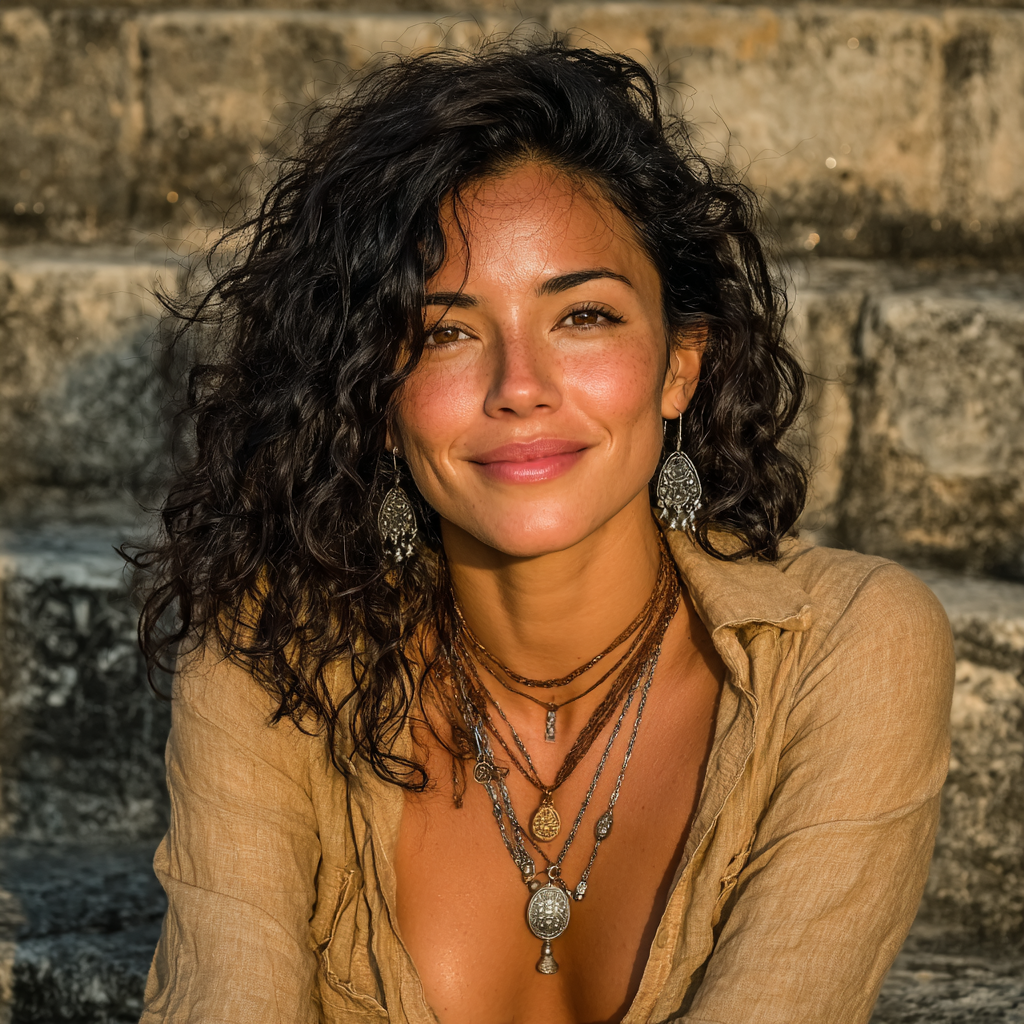
By Elena Vasquez
Cultural anthropologist and culinary storyteller. Elena spent a decade documenting traditional cooking methods across Latin America and the Mediterranean. She holds a PhD in Ethnography from Barcelona University and believes the best way to understand a place is through its kitchens and ancient streets.