
Mendoza Beyond the Malbec: High-Altitude Wines, Clay-Oven Lamb, and the Andes at Your Back
They told you Mendoza was about wine. They were right—but not right enough. They neglected to mention the olive groves that smell like warm Mediterranean wind, the asadores who tend fires from dawn, the dirt roads where the Andes loom like a wall of white and the vines climb toward them. They didn't tell you that a vineyard lunch here can last four hours, or that the local steak is cheaper than a burger back home, or that the wine at every small bodega is better than anything you've ever pulled from a supermarket shelf.
Mendoza is Argentina's wine capital, but it's also one of South America's most generous food destinations. This is a place where the meal itself is the itinerary, where the day's rhythm is set by fermentation tanks and the lunch hour, and where you'll find yourself eating 40-ounce steaks at noon with a wine in hand because that's simply what you do here. Here is what matters.
Where to Drink
Luján de Cuyo: The Old Guard, Revisited
The oldest wine region in Mendoza sits at the foot of the Andes at around 1,000 meters. This is where the big, structured Malbecs that made Argentina famous are grown, and where small family wineries have turned their old family properties into remarkable places to drink and eat. Luján de Cuyo has been Mendoza's wine heart since the 1850s, and despite being a short drive from the city, it feels like another world.
Casa Vigil (El Enemigo), Maipú: This is the best place in Mendoza to drink wine, and it isn't close. Built around a characterful concept that plays on the idea of the wine-as-enemy (the "El Enemigo" wine label), the Casa Vigil complex is a labyrinth of rooms, murals, and experimental wine creations. Winemaker Adrianna Catena and Alejandro Vigil have created something between a cathedral and a wine circus. Tastings are comprehensive, theatrical, and generous. The restaurant, Casa Vigil, serves one of the most memorable meals in the region. Costillas de cordero con especias are grilled over open wood and served with a bordelaise reduction. The tasting room itself is built around an old reservoir—these are not corporate spaces. The Malbec is outstanding. The Cabernet Franc is exceptional. There's even a wine barrel decorated with papier-mâché angels that has become a pilgrimage point for Argentine wine lovers. Tours and tastings cost approximately 30,000–45,000 ARS per person depending on the experience. Lunch is à la carte but the wine flights are designed to complement each dish. Located at Maipú, roughly 15km from the city center. Reserve in advance through their website, especially for lunch.
Bodega Luigi Bosca, Luján de Cuyo: One of the oldest bodegas in Mendoza (established 1901), Luigi Bosca is a traditional Luján de Cuyo property with a certain formality that never tips into stuffiness. Their Icono line and Gran Luigi Bosca are superb, aged wines that stand up to any serious cellar. The tasting room is in a colonial mansion, and the cellar is old, brick, and cool. Tours are comprehensive and available in English, running around 25,000–35,000 ARS for premium tastings. The best wines aren't always the ones they pour first—ask to see the Gran Reservas. Located at San Martín 2044, Mayor Drummond, Luján de Cuyo. Open daily 10:00–18:00, with tours at 10:00, 11:00, 13:00, 14:30, and 16:00. Book online at luigibosca.com.
Bodega Ruca Malén, Luján de Cuyo: Often overlooked in favor of the bigger names, Ruca Malén is a consistently excellent option for one of the best full-lunch-and-tasting packages in Mendoza. The restaurant is set in an outdoor garden with sweeping views of the Andes. The five-course menu with wine pairings is genuinely high-end food—not just wine-country lunch. At roughly 40,000–50,000 ARS per person, it's a splurge that feels like one. Their Malbec is structured and excellent. The Torrontés is crisp and surprisingly complex. The dining room is built around a central oak tree, and there's a lavender field that blooms in January. Located at Ruta Nacional 7, km 1058, Agrelo, Luján de Cuyo. Open for lunch and tastings daily from 12:00–16:00; reserve at least one week ahead.
Maipú: The People's Wine Country
Maipú is the less glamorous but arguably more authentic wine region. The vineyards are closer together, the dirt is redder, and the wine is cheaper. This is where Mendoza locals come to buy wine in bulk and drink it in family-run restaurants. The best days in Maipú are spent on a bicycle, cycling between small bodegas and stopping for choripán at roadside grills.
Bodega Trapiche, Maipú: Argentina's largest wine producer and the one that introduced the world to Argentine wine. The winery is enormous—closer to a wine campus than a boutique. But their Terroir line and the El Sincero program are serious. The Espacio Trapiche restaurant is one of the best winery restaurants in Mendoza, with a set tasting menu that highlights regional ingredients. The bodega's old structure was built in 1883, and they've kept the original brick fermenting tanks. There's a barrel room that holds 10,000 barrels, and the sheer scale of it is something every wine lover should see. Tastings start at 15,000 ARS; the full premium experience with lunch is around 55,000 ARS. Located at Cochabamba 3131, Maipú. Open daily 10:00–17:00.
Casa Vigil: (See above—also in Maipú. The restaurant is here, and the tasting room is a 15-minute drive from the city center.) This is the main reason to come to Maipú. The tasting rooms here are more intimate than the Luján de Cuyo location, and the staff are generous with pours. The asado (Argentine barbecue) is cooked on a wood fire in the courtyard. The ribs are glazed with local honey and herbs. The lunch menu is approximately 25,000–35,000 ARS per person, plus the wine. If you only have time for one big splurge meal in Mendoza, make it here. Book a table at least a week in advance through the website or by calling +54 261 424 7863.
Bodega Laur, Maipú: Not a wine bodega, but an olive oil and balsamic vinegar estate that's been operating since 1889. Laur is a revelation. The guided tour takes you through century-old olive groves, a traditional olive press, and a balsamic vinegar factory that looks like something from Italy. The tasting of extra virgin olive oils with local cheeses and breads is a masterclass in simplicity. If you think you don't care about olive oil, this is where you find out you're wrong. Guided tours start at 12,000 ARS per person; the full tasting and three-course lunch at Le Picnicerie is 58,000 ARS. Located at Videla Aranda 2850, Cruz de Piedra, Maipú. Open Monday to Friday 10:00–17:30; Saturday 10:00–17:30. English tours at 12:30 on weekdays; Saturday tours are Spanish only. Reserve via WhatsApp +54 9 261 611-0000 or email [email protected].
Uco Valley: The New Frontier, Dramatically High
The Uco Valley is the newest wine region in Mendoza, and it is the most beautiful. The vineyards sit at 1,400–1,600 meters, surrounded by the snow-capped Andes. The air is thinner, the sunlight is more intense, and the wines are more elegant and complex than in Luján or Maipú. This is where Argentina's wine future is being built—breathtakingly modern wineries in the shadow of mountains.
Bodega Salentein, Tunuyán: The most architecturally ambitious winery in Mendoza. The building is a modernist glass-and-stone structure with a private art gallery on the top floor. They make Pinot Noir, Chardonnay, and Malbec that are among the most precise wines in the valley. The lunch is a tasting menu of serious ambition, and the views are absurdly beautiful. Tastings start at 22,000 ARS; the full lunch experience is around 60,000 ARS. Located at Ruta Provincial 89, km 11, Los Arboles, Tunuyán. Open daily 10:00–18:00. Reserve at least two weeks ahead for the restaurant.
The Vines Resort & Spa, Uco Valley: This is the property that defines modern Uco Valley luxury. Set among 1,500 acres of vineyards with a backdrop of the Andes, the resort is both a working winery and a luxury hotel. But the real draw is the restaurant: Francis Mallmann's Argentine dining experience. The seven-fire cooking method is on full display—whole roasted lamb, slow-cooked beef, fire-baked vegetables. It's not cheap (meals range from 45,000–75,000 ARS), but it's one of the best expressions of Argentine fire cooking in the world. Even if you can't stay, book a dinner here. The sunset over the Andes alone is worth the price. Located at Ruta Provincial 94, km 11, Tunuyán, Uco Valley. Open daily for lunch 12:30–15:30 and dinner 19:30–23:00. Reserve at least two weeks in advance. Villa rates range from $380–500 USD per night; the restaurant accepts non-guests for dinner.
What to Eat
The Asado: A Fire in a Pit, Not a Grill
Argentina is built on beef, and Mendoza is built on fire. The asado is not a barbecue in the American sense. It's a whole ritual: a fire pit, a metal cross (la cruz), wood embers, and cuts of meat that would make an American butcher weep. The cuts are different—vacío (flank), costillas (ribs), matambre (rolled flank), chorizo, and morcilla (blood sausage). In Mendoza, every family has an asador, and many restaurants have someone who tends the fire from dawn.
The best place to eat a traditional asado in a vineyard is at Casa Vigil in Maipú. The costillas are glazed with local herbs and honey. The chorizo is house-made. The fire is lit every morning at 7:00 AM. A full asado lunch is approximately 25,000–35,000 ARS per person.
Elsewhere, the city's asado culture runs deep. Don Mario (Av. San Martín 1815, Mendoza) is a no-frills parrilla where locals line up for the bife de chorizo and provoleta. The steaks are enormous, the wine is cheap, and the atmosphere is exactly what you want. A full dinner with wine runs about 20,000–25,000 ARS per person. Open daily 12:00–15:30 and 20:00–00:00.
The High-End Meal: Restaurants Worth Planning Around
Mendoza is not just steak and Malbec. The city has a surprisingly sophisticated dining scene, and the two places below are worth planning your trip around.
1884 Restaurante Francis Mallmann, Godoy Cruz: Francis Mallmann is Argentina's most famous chef, and 1884 is his original restaurant. Set in a restored 19th-century villa with a beautiful garden, the menu is built on clay-oven cooking, open fires, and massive cuts of meat. The signature dishes—the whole roasted Patagonian lamb, the salt-crusted salmon, the slow-cooked ribeye—are spectacular. But the real magic is the fire. The smell of wood smoke, the sound of embers, the warmth of the clay oven. This is the best restaurant in Mendoza, and one of the best in Argentina. Menus range from 45,000–70,000 ARS per person. Located at Belgrano 1188, Godoy Cruz. Open for dinner only, Tuesday–Saturday from 20:00; last seating around 23:00. Reserve at least one week ahead, and at least two weeks during harvest season (March–April).
Azafrán, Mendoza City: The only Michelin-selected restaurant in Mendoza, and the closest thing to a temple of Argentine fine dining. The cuisine is built on local ingredients—Andean herbs, trout from nearby rivers, olive oil from Maipú, beef from the local slaughterhouses—but the techniques are international. The wine list is one of the strongest in the city. The tasting menu (45,000–60,000 ARS per person) is the best way to experience it, but à la carte is available. The room is warm, rustic, and surprisingly unpretentious. Located at Av. Sarmiento 765, Centro, Mendoza. Open Tuesday–Saturday, lunch 12:00–15:00 and dinner 20:00–23:00. Closed Sunday–Monday. Reserve at least one week ahead.
María Antonieta, Mendoza City: A lighter, more casual option from the same culinary universe. The restaurant is a beautiful bistro on Avenida Belgrano, with outdoor tables and a menu that blends Argentine, French, and Italian influences. The seafood pasta is surprisingly excellent for a landlocked city, and the salads are made with produce from the owner's garden. The wine list is curated and affordable. A full dinner is approximately 15,000–25,000 ARS per person. Located at Av. Belgrano 1069, Centro. Open Monday–Saturday, lunch 12:00–15:00 and dinner 20:00–23:30. Sunday brunch from 10:00. Reservations recommended for dinner.
The Everyday Lunch: Mercado Central, Empanadas, and Street Food
Not every meal in Mendoza needs to be a four-hour affair. The city's best cheap lunch is at the Mercado Central (Av. Las Heras between 25 de Mayo and Av. San Martín). Find a counter selling empanadas mendocinas—baked, not fried, filled with beef, olives, and hard-boiled egg. Three empanadas and a glass of wine: approximately 5,000–8,000 ARS.
For a quick and authentic asado fix, El Palenque (Av. San Martín 1815, nearby) is a neighborhood institution. The empanadas are some of the best in the city. The lunch rush is 12:30–14:00. Expect to pay 6,000–10,000 ARS for a full plate with wine.
The City: When You Need a Break from the Vines
Mendoza city is a grid of tree-lined streets, plazas, and low-rise colonial architecture. It was rebuilt after the 1861 earthquake that flattened the city, and the design is deliberate: every four blocks there's a plaza, and every plaza has a tree canopy wide enough to block the sun. The result is a city that is made for walking. The city center is compact and safe, and the best way to spend a morning here is to wander from plaza to plaza, stopping for coffee and medialunas at a café on Avenida Sarmiento.
The two plazas to know: Plaza Independencia (the main square, with a crafts market on weekends and the modern art museum) and Plaza España (smaller, prettier, and with an impressive collection of ceramic tiles). Avenida Arístides Villanueva is the bohemian drinking strip, with craft beer bars, wine shops, and pizzerias. It's a different rhythm from the wine country—more casual, more social, and more Argentine.
Practicalities
When to Go: The harvest is March–April, when the vines are heavy with grapes and the bodegas are in full swing. The weather is perfect—warm days, cool nights, and the Andes capped with snow. May–June is quieter and cooler but still pleasant. November–December (spring) is also excellent—green vines, wildflowers, and fewer tourists. Avoid January–February if you can; it's peak summer, brutally hot, and the city is packed with Argentine vacationers.
Getting Around: The three wine regions are spread out, and you will need a car or a driver. Renting a car in Mendoza is cheap (around 15,000–20,000 ARS per day for a small vehicle), and driving is easy—the roads are good, the wine routes are well-marked, and the scenery is spectacular. If you prefer not to drive, hire a remis (private car) or join a wine tour. Many bodegas require reservations for tastings, so plan ahead. Uber and taxis are reliable and cheap in the city.
Where to Stay: For a full wine-country experience, stay in Luján de Cuyo or Chacras de Coria. The Cavas Wine Lodge (now owned by Awasi Lodges) is a small, romantic property with individual vineyard casitas and private plunge pools. Rates run $350–450 USD per night. For city convenience, the Park Hyatt Mendoza (Chile 1124, Centro) is the best hotel in the city center—spa, rooftop pool, and a location that puts you walking distance from the best restaurants. Rates range from $200–280 USD per night. For budget travelers, the city center has reliable hostels and boutique hotels starting at $50–80 USD per night. Apartment rentals through Airbnb run $35–60 USD per night.
What to Skip
The free tour at Trapiche's main visitors center: It's a wine history video and a small tasting of their basic line. Fine for a first-timer, but after two days in Mendoza it will feel like a wine museum for children.
The bike-and-wine tour package in Maipú: The operators are charming, the bikes are rusted, and the wineries are selected for kickbacks, not quality. You will drink warm wine in a plastic cup while someone explains that Malbec is "a grape." Rent your own bike or hire a driver and choose your own stops.
The horseback "wine tour" that includes a meal: The horses are old, the wine is bulk Malbec, and the lunch is a pre-made sandwich. If you want to ride horses in the Andes, do that. If you want to drink wine, do that. Don't combine them.
The wine tasting in Mendoza city center that doesn't involve a vineyard: There are dozens of wine bars in the city that will pour you a flight of Argentine wines. These are fine, but you're in Mendoza. Go to the source. The vineyards are 30 minutes away, and they are the reason you came.
The Author
Sophie Brennan writes about food and wine in places where the story is in the glass. She's based in Mendoza for the spring and harvest, and she's spent the last three years drinking her way through the Uco Valley, Luján de Cuyo, and Maipú. She believes that the best way to understand a place is to eat what the locals eat, drink what they drink, and listen to what they say while they're doing it. You can find her at a table with a view of the Andes, arguing about whether 2019 or 2020 was the better vintage.
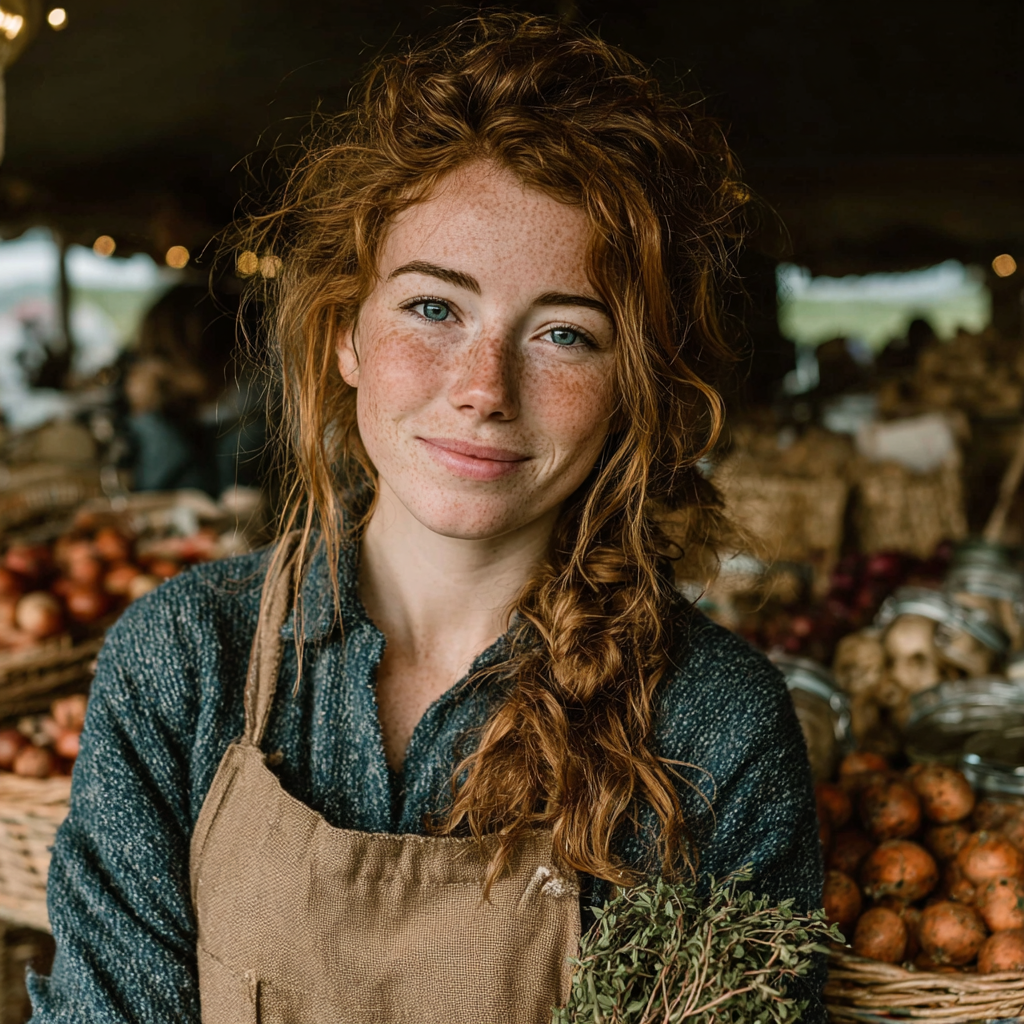
By Sophie Brennan
Irish food writer and historian based in Lisbon. Sophie combines her background in medieval history with a passion for contemporary gastronomy. She has written for Condé Nast Traveller and authored two cookbooks exploring Celtic and Iberian culinary traditions.