
Solo in Buenos Aires: Midnight Steak, Tango at La Viruta, and the Art of Eating Alone
Most guidebooks treat Buenos Aires like a couples' destination. They recommend tango shows with dinner packages for two and steakhouses where the smallest cut of meat feeds three. Solo travelers are an afterthought. This is a mistake. Buenos Aires is one of the most livable cities in South America for people traveling alone, provided you understand how the city actually works — the late dinners, the milonga schedule, the peso situation, and the specific parrilla where a single diner gets treated better than a table of four.
Maya Johnson spent six weeks in Buenos Aires during a South American circuit, splitting time between hostels in Palermo and a rented apartment in San Telmo. She has eaten alone at Don Julio more than once, survived her first milonga with two left feet, and learned that the city rewards people who show up alone and pay attention. Here is everything she learned, updated for 2026.
Why Buenos Aires Works When You're Alone
This is a city built around public life. Porteños — the name for Buenos Aires locals — drink coffee alone at sidewalk cafés at all hours, eat dinner at 11 PM without a dining companion, and treat solo attendance at a milonga as completely normal. Nobody will ask where your partner is. The infrastructure for meeting people is real and constant: language exchanges every night, free walking tours, group tango classes where rotation means you dance with twenty strangers in an hour.
Just understand the tempo. Dinner starts at 9:30 PM, bars fill at 11:30, and milongas peak between 1 and 4 AM. If you fight this schedule, you will eat in empty restaurants and dance in empty rooms. If you surrender to it, the city opens up.
Where to Stay
Palermo Soho and Palermo Hollywood are the safest bets for first-time solo travelers. The grid of leafy streets between Jorge Luis Borges and Honduras has dozens of hostels with rooftop terraces, plus enough cafés that you will never eat at the same place twice. Social hostels like Selina Palermo on Gorriti and Viajero on Thames anchor the party-and-pub-crawl scene; dorm beds run US$18–30 a night in 2026, private doubles from around US$60. If you are over thirty or need quiet, look for the smaller boutique hostels scattered through Palermo Hollywood, or cross to San Telmo.
San Telmo itself is fine during the day. The cobblestone streets and antique shops around Plaza Dorrego are worth your time, and America del Sur, a smaller, calmer hostel near Parque Lezama, puts you five minutes from the Sunday market. After dark, the emptier stretches of San Telmo get sketchy. Walk with purpose, keep your phone in your front pocket, and take a rideshare back after 10 PM.
Recoleta is safe and walkable but sterile. You will pay more for a neighborhood that shuts down by 9 PM. Solo travelers who want action should stay in Palermo. Solo travelers who want museums, the cemetery, and morning coffee should consider Recoleta — just do not expect nightlife.
Money in 2026: The Peso Plot Twist
The old "blue dollar" era is nearly over. In mid-2026 the official exchange rate sits around 1,465 ARS per US dollar and the informal "blue" rate hovers near 1,521 — a gap of roughly 4%, not the 100% of crisis years. Currency controls have largely unwound, and cards are now widely accepted everywhere from parrillas to milonga doors.
What this means practically: bring a couple hundred dollars in crisp, unmarked $100 bills as a backup and for the occasional cueva (informal exchange house) in Palermo or Recoleta, but plan to pay by card most of the time. Western Union self-transfers still sometimes beat both rates. Check dolarhoy.com a few days before you fly — this situation shifts quarterly. One habit that survives: carry small peso bills for empanada stands, craft fairs, and tips. And prices quoted here are in US dollars because the peso inflates too fast for any print deadline.
Getting Around
The Subte costs roughly 1,500–1,700 ARS (about a dollar) per ride with a registered SUBE card as of late 2026, and fares step down slightly after your 20th trip of the month. Buy a SUBE card at any station kiosk or quiniela for around 2,000 ARS and register it online with your passport — an unregistered card pays noticeably more per ride. Since 2025, you can also tap a contactless Visa or Mastercard directly at the turnstile, which is the easiest option for a short stay. Buses (colectivos) run about 790–1,250 ARS depending on distance, paid on board with the same card. Line A runs from Plaza de Mayo through San Telmo; Line D connects Palermo to the center and Recoleta.
Uber and Cabify are fully legal and normal now — the gray-area years are over. Both operate with dedicated pickup zones at Ezeiza and Aeroparque airports. A cross-city ride runs US$3–8; an hour in traffic might hit US$12. Download both apps before arrival, because at peak times one always works better than the other. Official black-and-yellow taxis are fine but insist on the meter ("la bajada, por favor").
From Ezeiza (EZE), the international airport, budget 45–75 minutes to Palermo: a pre-booked remis transfer runs US$30–40, Uber/Cabify similar. The Línea 8 colectivo connects both airports to downtown for pocket change if you land light. Aeroparque (AEP) handles most regional and some international flights and sits 15 minutes from Palermo.
Walking is viable in Palermo, Recoleta, and San Telmo during the day. Distances are longer than they appear on maps — give yourself thirty minutes to walk what looks like fifteen.
Eating Alone Is a Superpower Here
Buenos Aires is one of the few cities on earth where eating steak alone at midnight is completely normal. Locals dine late, kitchens run until midnight or later, and a solo traveler at 11 PM fits right in. Many of the best parrillas have bar seating or counter spots explicitly friendly to single diners. This is your unfair advantage: tables of four wait weeks; you can eat at the best places in the city with a day's notice.
Don Julio (Guatemala 4699, Palermo Soho) is the most famous parrilla in South America, and the solo playbook is simple. Reservations open on Meitre — Argentina's OpenTable — roughly two weeks out, and dinner seats vanish fast. Two moves work better: book the lunch seating (11:30 AM–4 PM) where solo tables are common, or arrive at opening on a weeknight and take a seat at the bar, where the bartenders will squeeze you in between reservations and pour tastes while you wait. Budget US$100–120 per person with wine, shared provoleta and a bife de chorizo; the cut alone is now a serious chunk of that. Worth every peso at least once.
La Cabrera (José Antonio Cabrera 5099, and its twin La Cabrera Norte at Cabrera 5127) serves similar quality with a livelier, less reverent room — and far easier solo access. Open daily 12–4 PM and 6:30 PM–1 AM in 2026. Order the ojo de bife, watch the free appetizer parade arrive, and expect US$50–80 with a bottle to share with the table you're inevitably talking to.
For the bodegón experience — old-school, checkered-tablecloth, Italian-Argentine cooking — Palermo Soho's El Preferido (Jorge Luis Borges 2106) is the current star: counter seats facing the open kitchen, daily-changing pescados and pastas, and a room that feels like 1958 in the best way. Reserve days ahead or eat early at the bar. El Cuartito (Talcahuano 937) near Corrientes does pizza standing at counters built for solo eaters; a slice of fugazzeta — cheese and onion — runs about US$3. Mercado de San Telmo (Bolívar 963, at Carlos Calvo) has juice stalls, choripán sandwiches under US$6, and counter seating where vendors will happily feed a party of one.
Empanadas remain the perfect solo food at US$1–2.50 each from any neighborhood shop; get the beef humita and jamón y queso alongside the standard carne. A bottle of decent Malbec at a restaurant runs US$8–18 — the same bottle is US$4–10 at a Carrefour if your hostel has a terrace. And leave room for helado: Argentine ice cream is Italian-standard, about US$4–6 for a generous cuarto kilo.
The Coffee and Medialuna Ritual
If you take only one local habit home, make it this: café con leche or a café cortado with two medialunas at a sidewalk table, watching the neighborhood walk by. Budget US$3–5 total — breakfast here costs less than a bad coffee at home. Palermo Soho's specialty scene is strong; LAB Tostadores de Café (Nicaragua 6061) roasts its own and takes the craft seriously, and Full City Coffee House (Gorriti 3932) is the expat-favorite workspace with proper flat whites. In San Telmo, Café Registrado (Bolívar 811) occupies a gorgeous old corner pharmacy. Ordering "para tomar acá" gets you real cups and a table; "para llevar" marks you as a commuter.
You will also see mate everywhere — the bitter green tea Argentines carry in thermos-and-gourd kits. Someone offering you a sip from their bombilla is a genuine gesture of welcome; say yes. You can buy your own starter kit at any supermarket for under US$10, and making it wrong in a park is how you meet locals, who will correct you warmly and then explain their entire lives.
Learning Tango Without a Partner
Tango is the obvious entry point, but do not start with a tourist dinner show. Start where the locals actually dance.
La Viruta (Armenia 1366, Palermo) — buried in the basement of the Centro Cultural Armenia — is the city's friendliest on-ramp. Tango classes for all levels run from around 7:30 PM, followed by a práctica and then the milonga proper, with dancing most nights until 2–3 AM (Wednesday through Sunday are the core nights; Friday is packed — reserve ahead). Entry runs US$5–15 depending on the night and usually includes the class. One class plus the práctica and you will have danced with fifteen strangers; nobody cares that you're new, because everyone was new here once.
Salón Canning (Avenida Scalabrini Ortiz 1331, Palermo) is the elegant traditionalist room — Monday, Wednesday, and Friday nights, entry US$15–20, serious dancers, and the cabeceo (the eye-contact invitation across the floor) enforced more strictly. Go after 11 PM, watch a few tandas, and only dance if asked. La Catedral in Almagro (Tuesdays and Sundays) is cheaper, grittier, and more accepting of beginners who look ridiculous — arrive for the early class and stay for the weird, wonderful crowd.
If you want structure, private lessons run US$50–100 per hour at studios across Palermo and San Telmo, and group classes at DNI Tango and similar schools cost US$15–30 a session. Wear shoes that pivot on a wooden floor — sneakers grip and wreck your knees.
Should you ever do a dinner show? Yes, once, if it's your thing — Café de los Angelitos or Esquina Carlos Gardel run the polished productions with live orchestras, at US$70–150 with dinner. But understand what you're buying: choreography for spectators. The living tango is upstairs at La Viruta at 1 AM, and it costs the price of a coffee back home.
A Solo Night Out, Hour by Hour
A perfect unaccompanied evening runs like this: early dinner at a counter parrilla around 9:30 PM (Solo Cocina, or any bodegón bar seat). Coffee or a craft beer around 11 — Palermo Hollywood's brewery bars are relaxed and unthreatening. Milonga by midnight: pay the entry, take the class, dance badly, watch beautifully. Peak floor is 1 to 3 AM. Leave when your feet quit, summon Uber from inside the doorway, and ride home US$5 lighter. Women do this every night of the week; the main rule is the same as any big city — book the car from indoors, not while standing alone on a dark corner.
Days That Don't Need Company
Recoleta Cemetery (Junín 1760) is the single best solo sight in the city — a walled marble city of 4,700 mausoleums where Evita rests in the famously modest Duarte family vault. It opens daily 8 AM–6 PM (last entry 5:30 PM). Foreigners pay a fee in the US$11–17 range by card at the gate; Argentine residents enter free. Go on a weekday morning, grab the free map, and hunt the Del Carril neo-Gothic chapel and the Crociati tomb with its sculpted dog. Free guided tours in Spanish leave at 11 AM and 2 PM Tuesday–Friday, 11 AM and 3 PM weekends; English tours can be booked at the entrance for a fee. Combine with the weekend artisan market in adjacent Plaza Francia.
MALBA (Avenida Figueroa Alcorta 3415) — the Museum of Latin American Art — is compact, brilliant, and costs about 12,000 ARS (~US$8.50) with discounted entry on Wednesdays. The Museo Nacional de Bellas Artes (Av. Libertador 1473) three blocks north is free and world-class. El Ateneo Grand Splendid (Avenida Santa Fe 1860) is a 1919 theater converted into a bookstore; browsing is free, the café on the old stage is the price of a coffee, and solo visitors outnumber couples two to one.
Sunday belongs to the Feria de San Telmo: Defensa street closes to traffic from Plaza de Mayo to Plaza Dorrego, and ten blocks of antiques, leather, street food, and impromptu tango take over from mid-morning to late afternoon. Go early, eat choripán standing up, tip the dancers a dollar if you film them. Recovery afternoon: the Bosques de Palermo — rent a paddle boat on the Rosedal lake for a few dollars or just claim a bench with your book and a kilo of helado.
Escaping the City Solo
Tigre Delta is forty minutes by Mitre-line train from Retiro station, about US$2 each way. The town itself is underwhelming; the waterways are not. Skip the tour packages: walk to the dock, buy a ticket for the public lancha colectiva (water bus), and ride an hour through stilt-house communities where the mail still comes by boat. Bring insect repellent, and go on a weekday when the river is quiet.
Colonia del Sacramento, Uruguay is the classic river escape — a fast ferry (about 1 hour 15 minutes) from Puerto Madero with Buquebus or Colonia Express. The UNESCO-listed historic quarter covers itself in three unhurried hours, perfect for one. Book online a week out and budget roughly US$100–140 return; day-trippers get their passport stamped twice and their Portuguese-colonial fix by dinner.
Staying Safe: The 2026 Rules
Buenos Aires is not dangerous the way Caracas or parts of Rio are dangerous. The risk is opportunistic theft, and the signature crime is the motochorro: a thief on a motorbike or scooter who snatches phones from hands on busy sidewalks. The rule is absolute — no phone in hand on the street. Step into a café or doorway to check maps. This one habit removes most of your risk.
Neighborhoods break down simply. Palermo, Recoleta, and Puerto Madero are safe after dark with normal urban awareness. San Telmo is fine until about 10 PM. Retiro (around the station), Once, and the residential blocks of La Boca are rideshare zones after dark. La Boca by day is fine if you stay on the Caminito tourist strip — do not wander behind the stadium, and do not stay past late afternoon.
For women traveling alone: catcalling happens but is rarely aggressive. Argentine men stare more than they approach. A firm "no" ends most interactions. The usual rules apply — watch your drink, trust your instincts about empty streets, and use the milonga buddy system on your first nights out.
One cultural note that doubles as safety infrastructure: Argentina runs on WhatsApp. Restaurants confirm reservations by WhatsApp, hostel staff coordinate by WhatsApp, tango teachers book by WhatsApp. Get a local eSIM or roaming data on day one; being reachable is being anchored here.
When to Come
The seasons are reversed. March through May and September through November are ideal — 18–26°C and everything open. July is cold and damp. January is hot and half the city leaves for the coast. December brings Christmas crowds and inflated prices. Citizens of the US, Canada, UK, Australia, and the EU get 90 days visa-free; entry is straightforward.
What to Skip
Caminito in La Boca is ten minutes of colorful walls followed by aggressive souvenir vendors. Take a photo at mid-morning and leave. Florida Street downtown is a pedestrian mall of chain stores and money-changer touts — there is no reason to walk it. The tango dinner shows marketed on flyers — the random "Tango Porteño, dinner included!" touts — are overpriced choreography for cruise-ship audiences; if you want a show, book a named house like Café de los Angelitos deliberately, or skip it for La Viruta. Puerto Madero restaurants charge Puerto Madero prices for food two blocks inland at half the cost — walk the waterfront for the views, eat elsewhere. And 7 PM dinners mark you as a tourist and strand you in empty rooms; surrender to the local clock and everything gets better. Finally, skip the "blue dollar" folklore — the 2026 gap is a few percent, so you are no longer hunting exchange houses in back alleys. Those days are over; enjoy the simplicity.
Practical Numbers
A solo traveler lives comfortably on US$45–65 a day excluding accommodation: US$10–15 on food if you mix parrilla nights with empanada lunches, US$3–8 on transport, US$10–20 on entries and classes. Dorm beds in good Palermo hostels run US$18–30; private rooms in mid-range hotels US$55–90; a month-long studio rental in Palermo starts around US$600, less in San Telmo or Almagro. Dinner-show splurges and Don Julio sit on top of that, and both are worth it. Withdraw pesos from ATMs in multiples and keep small bills for markets; cards handle everything else.
The Bottom Line
Buenos Aires rewards patience. The first forty-eight hours feel chaotic — the late dinners, the aggressive traffic, the phone-snatching risk, a currency that finally behaves after years of drama. By day four, you will have a preferred café, a butcher who recognizes you, a tango teacher who knows your name, and a route through Palermo that avoids construction. Solo travelers who stay a week stop being tourists and start being regulars. That is when the city opens up — and it turns out it was built for exactly that.
About the Author
Maya Johnson is a solo travel specialist who has crossed forty countries alone, from Trans-Siberian trains to Patagonian buses. She believes the best travel happens at the bar seat of a crowded restaurant, and that "table for one" is an invitation, not an apology. She writes the solo travel guides for RoamGuru, and yes, she still thinks about that bife de chorizo.
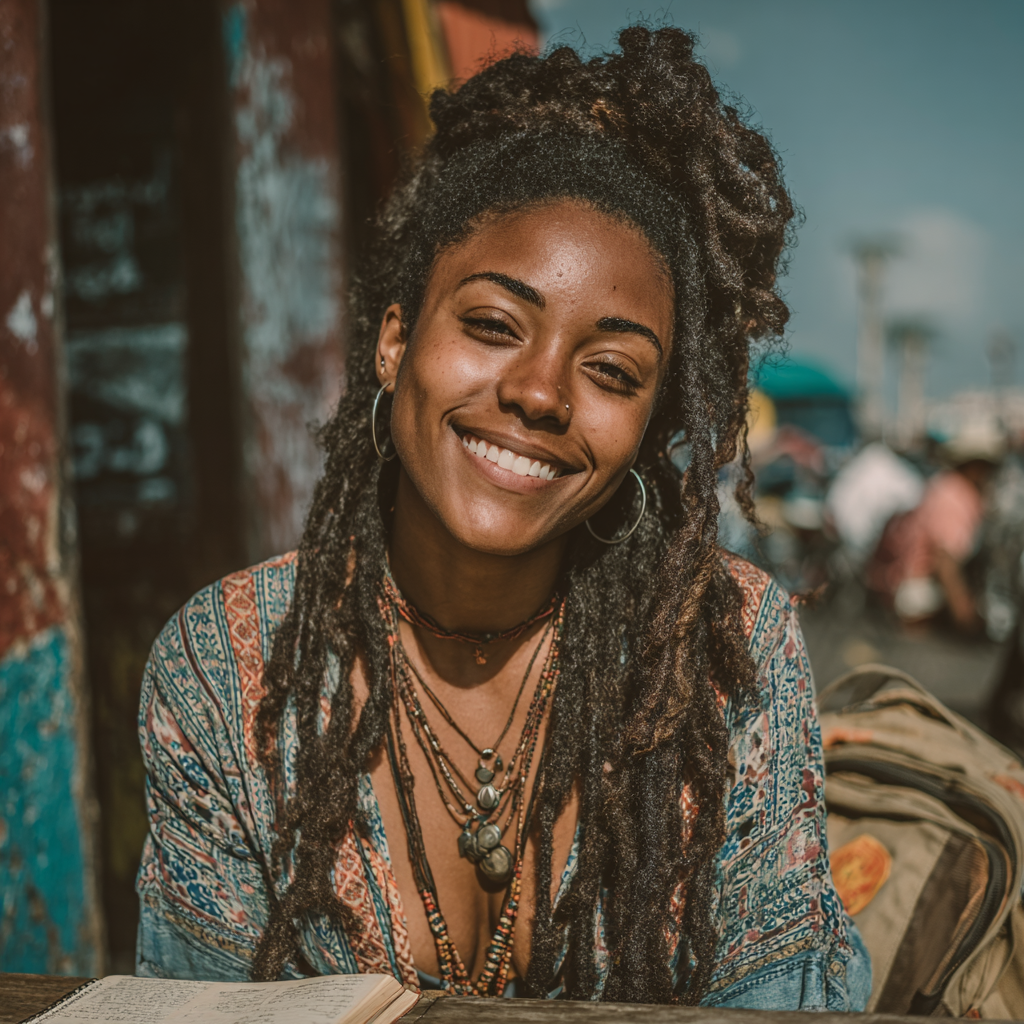
By Maya Johnson
Solo travel evangelist and digital nomad veteran. Maya has spent six years traveling alone across 50+ countries on a freelance writer budget. She writes honest, practical guides for women who want to explore the world independently and safely.