
Buenos Aires does not apologize for its contradictions. A city of European ambition grafted onto South American soil, it spent the 20th century swinging between wealth and collapse, dictatorship and democracy, pride and humiliation. What remains is a metropolis that reinvents itself faster than its residents can forget. The result is layered, messy, and genuinely fascinating. You will not find the tidy historic centers of colonial capitals here. Buenos Aires is a palimpsest, each era writing over the last without quite erasing it.
By Elena Vasquez, Cultural Anthropologist & Latin American Storyteller
I spent three years living in Palermo, interviewing abuelas in San Telmo kitchens, documenting parrilla techniques in La Boca, and tracing the tango's evolution from brothel dance to UNESCO heritage. This guide is built from those conversations, not guidebook consensus.
San Telmo: Where the City Began
Start where Buenos Aires started. San Telmo is the oldest neighborhood, and it carries that weight without nostalgia. The grid of cobblestone streets between Plaza de Mayo and Parque Lezama preserves the colonial footprint, but what you see today is mostly 19th-century construction built over earlier foundations. The buildings here are not restored to perfection. They are lived in, patched, adapted.
Plaza Dorrego hosts the Sunday antiques market, which is less about buying and more about witnessing a particular Buenos Aires ritual. The market opens at 10:00 AM, but the serious collectors arrive earlier. By noon, the square fills with tourists, tango couples dancing for tips, and elderly men arguing over 1930s soda bottles. The prices are inflated. The experience is genuine.
A block away, the Basílica de Nuestra Señora del Rosario anchors the neighborhood spiritually and physically. Built between 1761 and 1796 at Humberto 1° 424, it survived the British invasions of 1806 and 1807, the independence wars, and multiple economic collapses. Inside, the gilded altarpiece still carries the weight of that history. Mass is held daily at 7:00 PM; Sunday mass at 11:00 AM draws the faithful from across the city.
The real San Telmo reveals itself in the side streets. Defensa Street is the tourist path. Venture one block east to Balcarce or west to Perú, and you find the working city. Hardware stores that have operated for eighty years. Small cafes where the regulars occupy the same tables they have held for decades. A mural of Carlos Gardel, the tango legend who died in 1935, watches over a street corner where old men still play chess on weekends.
For a deeply local meal, find Bar El Federal at Carlos Calvo 599, operating since 1864. The pressed-tin ceiling, marble-topped bar, and sepia photographs have not changed in generations. A café con leche and two medias lunas costs about 2,500 pesos ($2 USD). The bife de chorizo is enormous and costs 12,000 pesos ($9 USD). Come at 8:00 AM to see the old men in their routine, or after 10:00 PM when the tango crowd drifts in from nearby milongas.
La Boca: Tango's Cradle and Tourist Theater
La Boca presents a problem for the honest traveler. The neighborhood gave birth to tango in the late 19th century, when Italian immigrants packed into tenement housing near the port and created a culture from displacement and longing. The colorful corrugated-iron houses of Caminito street are visually striking. They are also largely a reconstruction for tourists, painted in the 1950s to attract visitors.
This does not mean you should skip it. The Fundación Proa, a contemporary art museum in a renovated warehouse at Pedro de Mendoza 1929, justifies the trip. The exhibitions rotate every three months and consistently feature the best of Latin American contemporary art. Open Thursday through Sunday, 12:00 PM to 7:00 PM. Entry: 5,000 pesos ($4 USD). The rooftop cafe overlooks the Riachuelo, the polluted waterway that once made La Boca the city's industrial heart.
For the actual history, visit the Museo de Bellas Artes de La Boca Benito Quinquela Martín at Avenida Don Pedro de Mendoza 1835. Quinquela Martín was a La Boca native who painted the working port and its people with unromantic directness. The museum occupies the former house and studio he donated to the city. Entry: 1,000 pesos ($1 USD). Open Tuesday through Sunday, 11:00 AM to 5:00 PM.
Tango shows in La Boca are generally overpriced and designed for cruise ship passengers. If you want authentic tango culture, go elsewhere. But walk the streets beyond Caminito, toward Brandsen and Suárez, and you will see the neighborhood where working-class Porteños actually live. Be cautious after dark. La Boca has genuine safety concerns that tourist maps do not mention. Do not wander beyond the main tourist corridor without a local guide.
Recoleta: Death, Beauty, and Class Division
Recoleta Cemetery is the most visited site in Buenos Aires for good reason. This city of the dead occupies four city blocks and contains the tombs of Argentine presidents, military heroes, and Evita Perón. The architecture spans Art Nouveau, Art Deco, Neo-Gothic, and Baroque revival, built by families who imported Italian marble and French stained glass to commemorate their status.
Evita's tomb draws the crowds. She died in 1952, and her body traveled a strange path before arriving here in 1976. After her husband Juan Perón was overthrown in 1955, military officers hid her corpse in Italy, then transferred it to Spain, before Perón himself returned it to Argentina after his own exile. The tomb is relatively modest, marked simply "Familia Duarte." The flowers change daily. Supporters still leave notes.
The real value of Recoleta Cemetery lies beyond Evita. Walk the narrow lanes early in the morning, before 9:00 AM when tour buses arrive. The mausoleums tell the story of Argentine class structure. The Alvear family tomb occupies prime real estate near the entrance. The tomb of Rufina Cambaceres, a young woman who was mistakenly buried alive in 1902, still draws visitors who leave red roses. The sculpture of her pushing open the tomb door is one of the cemetery's most photographed works.
Outside the cemetery, Recoleta neighborhood functions as Buenos Aires' upscale district. The Museo Nacional de Bellas Artes, free and excellent, occupies a former drainage pump station at Avenida del Libertador 1473. Open Tuesday through Sunday, 11:00 AM to 7:00 PM. The collection includes European masters and a strong Argentine section. Next door, the Floralis Genérica, a giant metal flower sculpture that opens and closes with the sun, provides the obligatory photo opportunity.
For a coffee with pedigree, visit La Biela at Avenida Quintana 596, a café that has hosted Ernesto Sabato, Jorge Luis Borges, and generations of Argentine intellectuals. A café cortado costs 3,000 pesos ($2.50 USD). Sit on the terrace facing the cemetery and watch the Porteño elite conduct their afternoon rituals.
Plaza de Mayo: The Political Stage
Every significant political moment in Argentine history has played out in this square. Mothers of the disappeared marched here during the Dirty War of 1976–1983, circling the Pirámide de Mayo in white headscarves. Perón addressed masses from the balcony of Casa Rosada. The square has witnessed celebration, protest, and military coups.
The Casa Rosada, the presidential palace, earned its pink color in the late 19th century when President Domingo Sarmiento ordered a mix of white and red paint to symbolize unity between opposing political factions. The building is open for tours on weekends, but the real experience is observing it from the square during a weekday. The changing of the guard happens at 9:00 AM, executed with the formality that Latin American militaries preserve.
The Catedral Metropolitana, on the square's north side, contains the mausoleum of General José de San Martín, the liberator of Argentina, Chile, and Peru. Two guards stand perpetual watch. The cathedral itself mixes architectural styles, rebuilt multiple times since the colonial period. Pope Francis served as Archbishop here before his elevation to the papacy in 2013. His former apartment is visible from the street. Open daily, 8:00 AM to 7:00 PM. Free entry.
Thursday afternoons bring the Madres de Plaza de Mayo, mothers and grandmothers still demanding justice for the 30,000 disappeared during the military dictatorship. They circle the pyramid at 3:30 PM, as they have since 1977. The original mothers are in their eighties now. Their children and grandchildren carry on the ritual. It is simultaneously protest, memorial, and performance. Visitors may observe respectfully. Photography requires discretion.
Just off the square, the Museo del Bicentenario at Posadas 1607 displays artifacts from Argentina's 200-year history, including the original balcony from which Perón addressed the masses. Free entry. Open Wednesday through Sunday, 10:30 AM to 6:00 PM.
Palermo: Where Buenos Aires Actually Lives
If San Telmo is the city's past and Recoleta is its pretension, Palermo is its present. This sprawling neighborhood — divided into Palermo Soho, Palermo Hollywood, and Palermo Chico — contains the city's best restaurants, most vibrant street life, and the green lungs that keep Buenos Aires breathable.
Parque Tres de Febrero, known simply as los Bosques de Palermo, covers 400 hectares and includes the Rosedal (Rose Garden), a lake with rowboats, and the Planetario Galileo Galilei. On weekends, the park fills with Porteños jogging, mate-drinking, and rollerblading. The Rosedal is at its best in October and November when 18,000 rose bushes bloom. Open daily, 8:00 AM to 6:00 PM (8:00 PM in summer). Free entry.
Palermo Soho centers on Plaza Serrano and the streets radiating from it. This is where the city's design shops, independent boutiques, and best parrillas cluster. The street art here is exceptional — entire building facades covered in murals by Argentine and international artists. Graffitimundo offers walking tours on Saturdays at 3:00 PM, 45,000 pesos ($35 USD), that trace the neighborhood's mural history with the artists themselves.
For the definitive steak experience, Don Julio at Guatemala 4691 is the most celebrated parrilla in the city. Book three weeks in advance. The bife de chorizo costs 35,000 pesos ($27 USD), the asado costs 28,000 pesos ($22 USD), and the wine list is encyclopedic. For a more accessible alternative, La Cabrera at Cabrera 5099 serves equally excellent beef with a free antipasto bar. Dinner only, from 8:00 PM.
Palermo Hollywood, east of Juan B. Justo Avenue, houses the city's television studios and, increasingly, its best restaurants and cocktail bars. Frank's Bar at Arevalo 1443 requires a password (check their Instagram for the daily code) and serves some of the best cocktails in the city. Victoria Brown at Costa Rica 4827, in a converted industrial warehouse, combines a daytime café with a nighttime speakeasy accessed through a hidden door behind a bookshelf.
Puerto Madero: The Future That Arrived
The newest neighborhood in central Buenos Aires was built on landfill in the 1990s, converting abandoned port facilities into a district of glass towers and international restaurants. The architecture is ambitious. The Women's Bridge (Puente de la Mujer), designed by Santiago Calatrava, spans the docks with a rotating pedestrian span that opens for passing boats. The Faena Arts Center, in a converted flour mill at Aime Paine 1169, hosts contemporary exhibitions. Open Thursday through Sunday, 11:00 AM to 7:00 PM. Entry: 8,000 pesos ($6 USD).
Puerto Madero reveals the city's aspirations and its blind spots. The ecological reserve behind the district, Reserva Ecológica Costanera Sur, was created accidentally when construction debris dumped into the river created land that colonized itself with native plants and bird species. It is now a protected area with walking trails. Open Tuesday through Sunday, 8:00 AM to 6:00 PM. Free entry. Bring mosquito repellent in summer.
The Costanera Sur promenade along the river draws joggers and cyclists on weekends. Food trucks gather near the Faena district, selling choripán sandwiches (3,000 pesos / $2.50 USD) and local craft beer. The prices match the neighborhood's pretensions. A meal here costs triple what you would pay in San Telmo or Palermo.
Avenida 9 de Julio: The Width of Ambition
The widest avenue in the world, named for Argentina's independence day, cuts through the city center. Crossing it on foot requires using the median refuges and takes several light cycles. The Obelisk, erected in 1936 to mark the city's 400th anniversary, stands at its intersection with Corrientes Avenue. The monument is 67 meters tall and serves as the city's most recognizable symbol. At night, it is lit in the colors of whatever cause or holiday is being celebrated — often the blue and white of the Argentine flag.
The avenue represents mid-20th-century urban planning ambition, clearing historic blocks to create a ceremonial boulevard that never quite achieved its intended grandeur. The Teatro Colón, one block west of the avenue at Cerrito 628, provides the architectural compensation. Opened in 1908 after twenty years of construction, it is among the world's finest opera houses. The auditorium seats 2,500 people with perfect acoustics. Tours operate daily at 11:00 AM, 1:00 PM, and 3:00 PM, costing 4,500 pesos ($3.50 USD). Evening performances require booking weeks in advance. The main curtain, painted in Paris, weighs three tons. The chandelier contains 300 bulbs. Even if opera does not interest you, the building justifies the visit.
The Tango Question
Buenos Aires claims tango as its invention, and the claim holds up. The dance emerged in the 1880s in the marginal neighborhoods near the port, mixing African candombe rhythms, Cuban habanera, Polish mazurka, and Italian café music. It was working-class entertainment before the Paris fascination of the 1910s made it fashionable worldwide.
Today, tango exists in layers. The tourist shows in La Boca and San Telmo are performances for cameras. The milongas, social dance halls where Porteños actually dance, operate in neighborhoods across the city. La Viruta at Armenia 1366 in Palermo opens most nights at 11:00 PM. Entry: 3,000 pesos ($2.50 USD). Salon Canning, also in Palermo at Scalabrini Ortiz 1331, attracts serious dancers. Confitería Ideal at Suipacha 384 downtown preserves a 1912 interior where generations have danced. Entry: 2,000–5,000 pesos depending on the venue and night.
You do not need to dance to appreciate milonga culture. Arrive after midnight, order a drink, and watch. The codes are precise. Dancers invite through eye contact across the room, not by asking directly. The music follows a pattern of three tangos, three waltzes, three milongas, then a break. The age range spans twenty-somethings to octogenarians. The atmosphere is social, not touristic.
For the full theatrical experience, El Viejo Almacén at Independencia 300 offers the most respected dinner show, 85,000 pesos ($65 USD) with meal. Tango Porteño at Cerrito 570 is flashier but still competent. Book through your hotel or online to avoid inflated walk-in prices.
What to Skip
- La Boca after dark. The neighborhood has genuine safety concerns beyond the Caminito tourist corridor. Do not wander.
- Tango shows on Florida Street. These are commercial productions designed for cruise ship passengers, not serious cultural experiences.
- The Obelisk interior. There is no interior. It is a solid monument. The best view is from across the avenue at Plaza de la República.
- Overpriced steak in Puerto Madero. The parrillas here charge double what Palermo offers for identical quality. The views are nice; the meat is not worth the markup.
- San Telmo antiques market for actual shopping. The prices are inflated for tourists. Come for the atmosphere, not the bargains.
- Evita Museum alone. The Museo Evita at Lafinur 2988 is interesting but small. Combine it with a Palermo walk rather than making a special trip.
Practical Considerations
Money: The Argentine peso fluctuates rapidly. As of June 2026, official and parallel exchange rates have converged, but bring US dollars as backup. Credit cards work in most establishments, but small cafes and milongas prefer cash. Tipping is 10% in restaurants. ATMs charge high fees and often dispense limited amounts. The best exchange rates are found at cuevas (informal exchange houses) in downtown, but use reputable ones with visible queues of locals.
Safety: Buenos Aires is generally safe in tourist areas during daylight. San Telmo, Recoleta, and Palermo present minimal risk. La Boca requires caution. Villa 31, the informal settlement visible from the airport highway, is not for tourists. Use registered radio taxis or ride apps rather than hailing street cabs late at night. Keep phones in front pockets on crowded buses and subways.
Transport: The subway system, Subte, is efficient and cheap, covering most neighborhoods of interest. Buy a SUBE card at any kiosk for 1,000 pesos ($0.80 USD) and load it with credit. Buses use the same card. The city is walkable in sections, but distances between neighborhoods require transit. A Subte ride costs 250 pesos ($0.20 USD). Taxis are affordable — a cross-town ride rarely exceeds 8,000 pesos ($6 USD).
Timing: Visit in spring (September to November) or fall (March to May). Summer is humid and crowded. Winter is mild but gray. The city empties in January when locals flee to the coast. The Feria de Mataderos, a traditional gaucho market in the western suburbs, operates Sundays from 11:00 AM to 6:00 PM, best visited in spring or fall.
Language: English is spoken in hotels and tourist restaurants, but nowhere else. Learn basic Spanish — Porteños appreciate the effort and respond warmly. The local dialect, Rioplatense, uses "vos" instead of "tú" and pronounces "ll" like "sh" — "llamar" becomes "shamar."
Food timing: Porteños eat late. Lunch is 1:00–3:00 PM. Dinner starts at 9:00 PM and often runs past midnight. Restaurants open at 8:00 PM but do not fill until 10:00 PM. If you arrive at 7:00 PM, you will dine alone. The merienda (afternoon snack) at 5:00–7:00 PM is sacred — a café con leche with medias lunas is the standard.
The Essential Understanding
Buenos Aires is not a museum. It is a city still processing its history in real time. The grand European architecture, built with 19th-century agricultural wealth, now shows cracks from decades of economic instability. The cultural life remains intense, world-class, and accessible. A ticket to the Teatro Colón costs less than a movie in New York. A steak dinner in a century-old restaurant costs less than fast food in London.
What you get in return is a city that has not sanitized its past. The political arguments continue in the cafes. The tango evolves while honoring its roots. The grand avenues still impress, and the side streets still surprise. Buenos Aires does not need your approval. It needs your attention.
Elena Vasquez spent three years living in Palermo, Buenos Aires, researching her book on Latin American culinary traditions. She holds a PhD in Ethnography from Barcelona University and has documented cooking methods across Argentina, Peru, Mexico, and Spain.
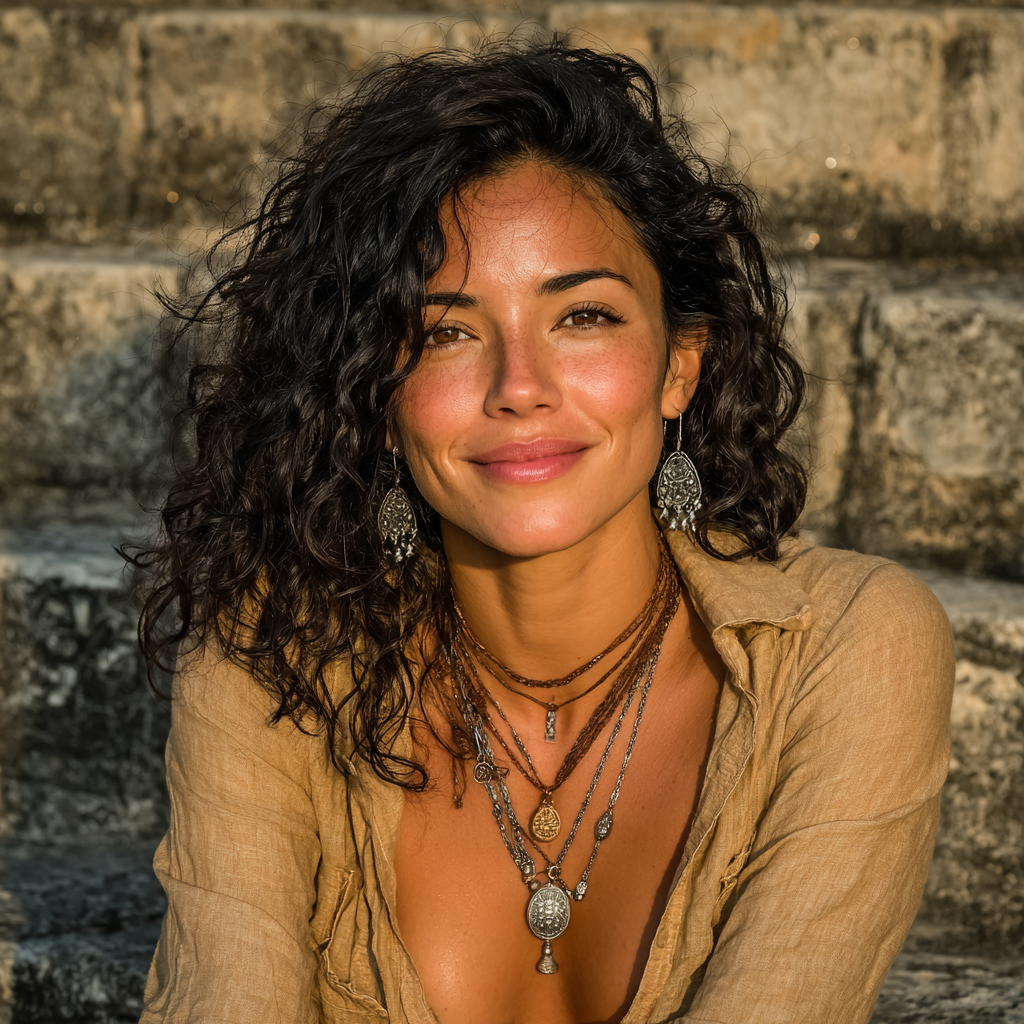
By Elena Vasquez
Cultural anthropologist and culinary storyteller. Elena spent a decade documenting traditional cooking methods across Latin America and the Mediterranean. She holds a PhD in Ethnography from Barcelona University and believes the best way to understand a place is through its kitchens and ancient streets.