
Andorra has no airport. That is the first thing you need to understand. You cannot fly direct. You arrive by bus from Barcelona or Toulouse, winding through the Pyrenees until the valley opens up and you see a country wedged between two giants, living off tax breaks and ski passes. This is Europe's sixth-smallest nation, population 77,000, and it survives on one industry: tourism. Eighty percent of its income comes from visitors. They know why you are here. The question is whether you can do it without donating your savings to the mountain.
I have stayed in worse places for more money. Andorra is not pretty in the way Alpine villages are pretty. The capital, Andorra la Vella, is a concrete gorge of electronics shops and perfume stores. But the mountains are real, the ski slopes are genuine, and the prices are lower than anything you will find in France or Switzerland. The trick is knowing where the money goes and where it does not.
Getting There: The Bus Is Your Only Friend
There is no train station either. The closest airports are Barcelona-El Prat, 200 kilometers south, and Toulouse-Blagnac, 180 kilometers north. From Barcelona, the Novatel bus takes three to four hours and costs €33 to €38 one-way. From Toulouse, Andorra Direct Bus runs €36 to €42. Book online in advance. Walk-up prices are €10 higher and seats disappear fast in ski season. If you are coming from France, the L'Hospitalet train station connects to buses for the final climb. Do not rent a car unless you need freedom for multiple resorts. Parking in Andorra la Vella costs €2 to €3 per hour, and mountain passes require snow chains from November through April, which rental companies charge €15 to €25 per day to provide.
Entry is straightforward but unusual. Andorra is not in the EU and not in Schengen. You enter through France or Spain, so you need a valid Schengen visa or visa-free passport. There is no border control into Andorra itself, but customs officers patrol the roads. They care about two things: tobacco and alcohol. Duty-free allowances are generous on entry, but strict on exit back to France or Spain. Declare anything over €10,000 in cash. The currency is the euro, and cards work everywhere. ATMs are on every second corner.
Where to Sleep: Avoid the Capital
Andorra la Vella has the cheapest hostels, but it is not where you want to stay. The city sits at 1,023 meters, lower than the ski resorts, and the bus commute up the valley eats an hour each morning. Better to stay in Arinsal, La Massana, or Soldeu, where the lifts are walking distance and the accommodation is still reasonable.
Hostel Micolau in Arinsal charges €28 to €35 per night for a dorm bed, including breakfast and a shared kitchen. Hotel Sant Gothard, also in Arinsal, runs €45 to €65 per night for a double room with half board in low season. In La Massana, the Residencial La Solana apartments cost €40 to €55 per night for a studio with a kitchenette, which is critical if you want to cook your own meals. Soldeu is pricier because it sits on the Grandvalira slopes, but the Sport Hotel Village has dorm-style rooms at €55 to €75 per night in January and March. Avoid Christmas and Easter, when prices double and the slopes turn into traffic jams.
If you are hiking in summer, the same apartments drop to €30 to €40 per night. Andorra is a better deal in June through September, when the ski lifts run for mountain bikers and the trails are empty.
Food: Cook or Eat Like a Local
Restaurant meals in Andorra la Vella are tourist-priced. A main course in a central eatery runs €18 to €25. The trick is to eat in the smaller villages or self-cater. Supermarkets are plentiful, and the duty-free status keeps alcohol cheap. A bottle of wine in a supermarket costs €3 to €5. Bread, cheese, and cured meats from the deli counter make excellent trail lunches.
For cheap hot meals, look for the menu del dia at lunch. Many restaurants in Encamp and Canillo offer a three-course lunch for €12 to €15 between 12:30 and 3:00 PM. Restaurant Borda del Tremat in La Massana does a mountain stew menu for €14. In Pas de la Casa, the pizzerias and kebab shops near the lifts serve filling meals for €8 to €12. For breakfast, most bakeries sell croissants and coffee for €3 to €4.
The famous Caldea spa, the largest thermal complex in southern Europe, charges €35 to €48 for a three-hour pass. It is worth it once, especially after a hard ski day. But do not make it a daily habit. That is where budgets die.
Skiing: The Nord Pass Is the Secret Weapon
Andorra has two major ski domains. Grandvalira is the larger, linking Soldeu, El Tarter, Canillo, and Pas de la Casa with 210 kilometers of slopes. A six-day adult pass costs €378 in peak season, €290 in low season. A four-day pass runs €260 to €290. Vallnord covers Pal-Arinsal and Ordino-Arcalis with 90 kilometers of slopes. The six-day pass is €306.
Here is the budget hack: the Nord Pass. This covers Pal-Arinsal and Ordino-Arcalis only, not the full Grandvalira network. A three-day Nord Pass costs €145.50. A six-day Nord Pass is €306. If you are a beginner or intermediate, this is enough terrain. Pal-Arinsal has wide, forgiving slopes and excellent ski schools. Group lessons cost €45 to €65 for two hours. Equipment rental runs €25 to €35 per day for skis, boots, and poles. Book online in advance for discounts of 10 to 15 percent.
Ski passes in Andorra do not have to be used on consecutive days. This is unusual and useful. If the weather turns bad, you can skip a day without losing money. The Grandvalira pass includes this flexibility. Use it.
For non-skiers, pedestrian lift tickets cost €15 to €20 for two ascents and descents, enough to reach mountain restaurants and viewpoints. The Tristaina Lakes trail above Ordino is a spectacular summer hike that requires no lift pass at all, just sturdy boots and water.
Summer and Shoulder Season: The Real Bargain
Andorra is not just winter. From June to September, the ski slopes become mountain bike trails and hiking paths. The Grandvalira lifts run for bikers, carrying bikes to the top for €12 to €18 per ride. The Vallnord Bike Park in Pal is one of the best in Europe, with downhill trails from green to black. A day pass is €28 to €38.
Hiking is free. The Comapedrosa peak, Andorra's highest at 2,942 meters, is a challenging day hike from Arinsal. The trail to Refugi de Comapedrosa takes four hours, and the refuge itself charges €25 to €35 for a dorm bed with half board. The Sorteny Valley Nature Park, near Ordino, has easier trails through wildflower meadows and a small botanical garden. Entry is free.
Shoulder season, April to May and October to November, is the cheapest time to visit. Hotels drop to €25 to €40 per night. The downside is that many ski lifts are closed and some mountain restaurants shut down. Check lift schedules before booking.
What to Skip
The duty-free shopping in Andorra la Vella is a trap. Yes, alcohol and tobacco are cheaper than in France or Spain. But electronics are not the bargain they appear. Cameras, phones, and laptops are often parallel imports with no manufacturer warranty in your home country. Buy consumables only. Stock up on wine, olive oil, and chocolate. Leave the gadgets alone.
The central spa complexes in Andorra la Vella are overpriced for what you get. Caldea is the exception, but the smaller hotel spas charge €25 to €40 for a pool and sauna you can find in any mid-range European hotel. Skip them.
Do not eat on the main strip in Andorra la Vella. Restaurant Row, as the locals call it, is designed for bus tourists. The food is mediocre, the prices are inflated, and the service is rushed. Walk five minutes into the back streets or take a bus to Santa Coloma or Escaldes-Engordany for better food at half the price.
Finally, do not come without checking the weather. Andorra gets heavy snow, and road closures are common. The CG-1 and CG-2 highways are well maintained, but mountain passes can shut down for hours. Check road status at mobilitat.ad before driving.
Practical Logistics
Language: Catalan is official. Spanish and French are widely spoken. English is common in hotels and ski schools, but less so in local restaurants. Learn "quanto costa?" in Catalan: "quant costa?" It helps.
Transport: The Andorra Bus system connects all villages. A single ticket is €1.80 to €2.50. The L4 line runs from Andorra la Vella to Pas de la Casa every 30 minutes from 6:20 AM to 9:20 PM. The Funicamp in Encamp carries skiers to the Grandvalira slopes, included in the ski pass.
Phone: Andorra is not covered by EU roaming agreements. Buy a local SIM card from Andorra Telecom for €15 to €20 with 10GB of data. The shop is on Carrer de la Vall in Andorra la Vella. Wi-Fi is free in most hotels and cafes.
Safety: Andorra has one of the lowest crime rates in Europe. The danger is the mountain. Avalanche risk is real in backcountry areas. Check avalanche reports at pva.ad before leaving the groomed runs. Altitude sickness is rare below 2,500 meters, but the Comapedrosa hike goes higher. Acclimatize first.
Medical: The Nostra Senyora de Meritxell Hospital in Escaldes-Engordany handles emergencies. For minor issues, there are clinics in every major village. EU health cards are not valid because Andorra is not in the EU. Buy travel insurance with €30,000 coverage.
The Bottom Line
Andorra is not a destination for culture seekers. It has no great museums, no ancient ruins, no culinary tradition to rival its neighbors. What it has is honest mountains, reasonable prices, and a straightforward proposition: ski hard, sleep cheap, eat well enough, and do not pretend it is something else. A budget traveler can survive here on €40 to €55 per day in low season, excluding ski passes. Add €40 to €50 per day for lifts and rentals in winter. That is still half the cost of Chamonix or Zermatt. The bus is long, the capital is ugly, and the politics are bizarre. But the slopes are real, the snow is reliable, and the beer at the end of the day is cheaper than it should be. That is enough for me.
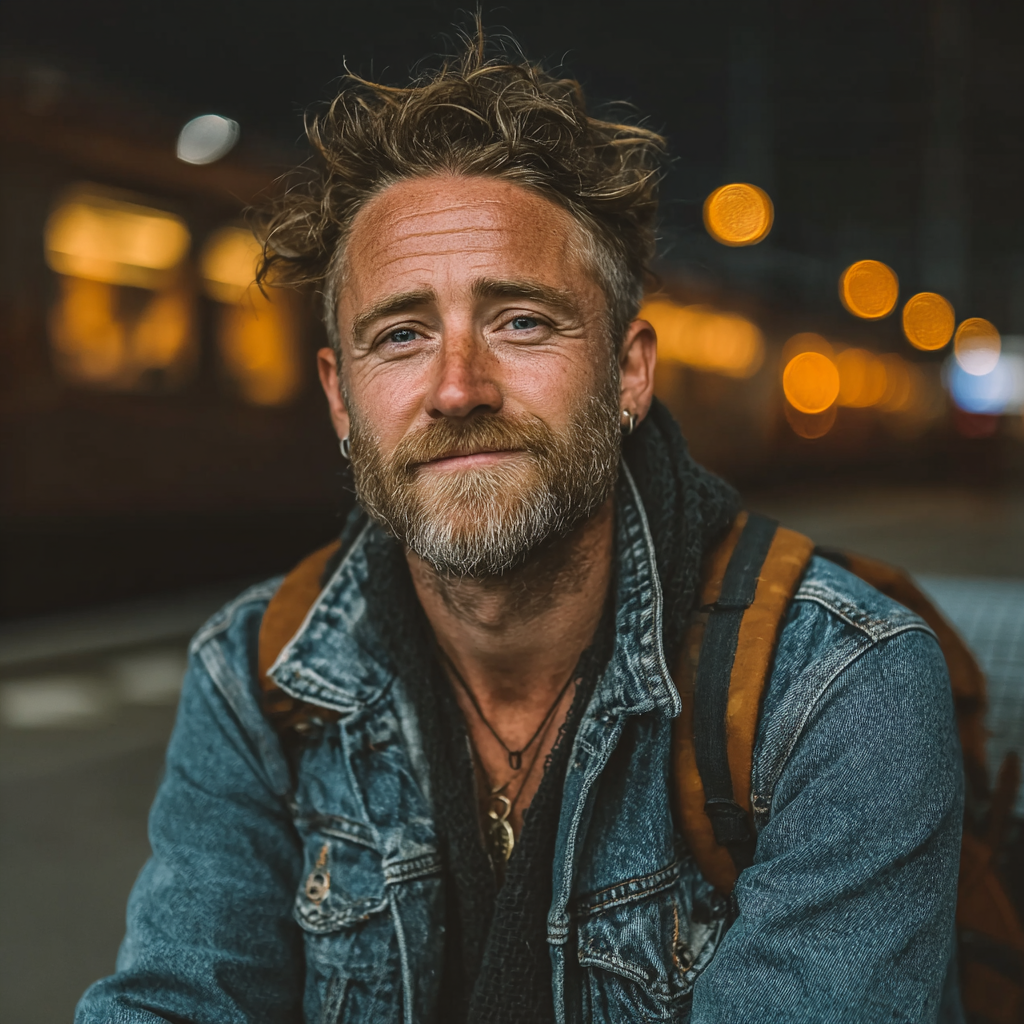
By James Wright
Budget travel expert and former backpacker hostel owner. James has visited 70+ countries on shoestring budgets, mastering the art of authentic travel without breaking the bank. His mantra: "Expensive does not mean better—it just means different."